Choosing an oven can feel overwhelming with all the options available today. Whether you’re upgrading your kitchen or furnishing a new home, understanding what makes a great oven is essential for years of cooking success. If you’re already exploring kitchen appliances, you might also want to check out our guide to the best oven brands to see which manufacturers consistently deliver quality products.
The right oven transforms your cooking experience from frustrating to delightful. I’ve seen countless home cooks struggle with ovens that don’t meet their needs, and I’m here to help you avoid that mistake. This guide breaks down everything you need to know about How to Choose an Oven that matches your cooking style, space requirements, and budget.
Table of Contents for How to Choose an Oven
Understanding Different Oven Types
Before diving into features and specifications, let’s explore the main types of ovens available. Each type offers distinct advantages depending on your cooking habits and kitchen layout.
Conventional Ovens
Conventional ovens represent the traditional approach to home cooking. These ovens use heating elements at the top and bottom to cook food through radiant heat. They’re straightforward, reliable, and familiar to most home cooks. The heat rises naturally in these ovens, which means the top rack tends to run hotter than the bottom. This characteristic makes conventional ovens excellent for dishes that benefit from direct top heat, like casseroles with cheese toppings or broiled meats.
The simplicity of conventional ovens translates to fewer potential mechanical issues and generally lower price points. They work beautifully for traditional baking projects like cakes and cookies, though you might need to rotate your pans halfway through cooking to ensure even browning. Many experienced bakers actually prefer conventional ovens because they’ve learned to work with the heat distribution patterns.
Convection Ovens
Convection ovens take the conventional design and add a fan that circulates hot air throughout the oven cavity. This circulation creates a more uniform cooking environment and can reduce cooking times by up to 25%. The moving air also helps create crispy exteriors on roasted vegetables and meats while keeping interiors moist and tender.
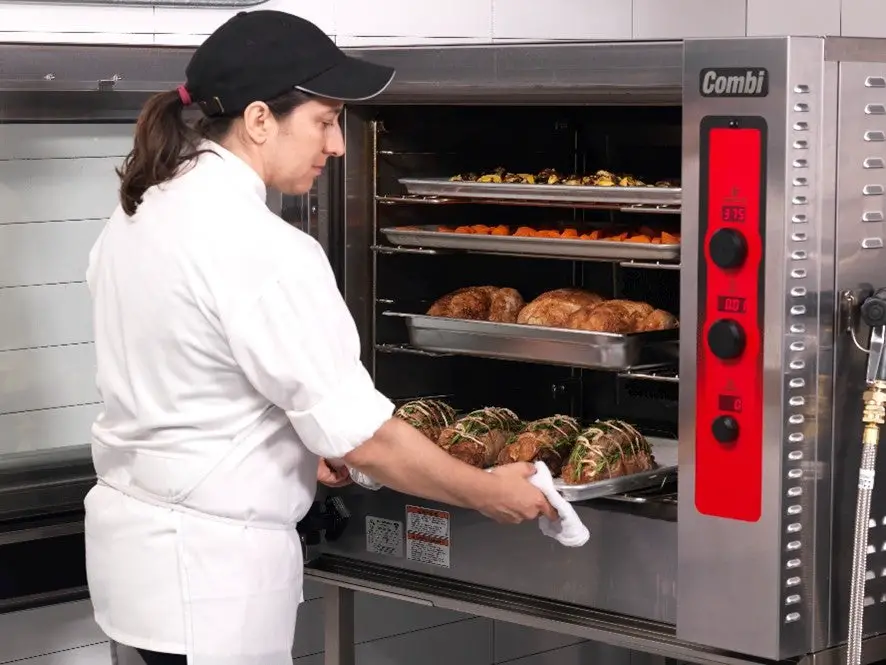
Professional chefs often favor convection cooking for its consistency and efficiency. The even heat distribution means you can use multiple racks simultaneously without worrying about uneven cooking. However, convection can be too intense for delicate baked goods like soufflés or certain cakes that need gentle, still heat to rise properly. Most modern convection ovens include a setting to turn off the fan when you need conventional cooking.
Combination Ovens
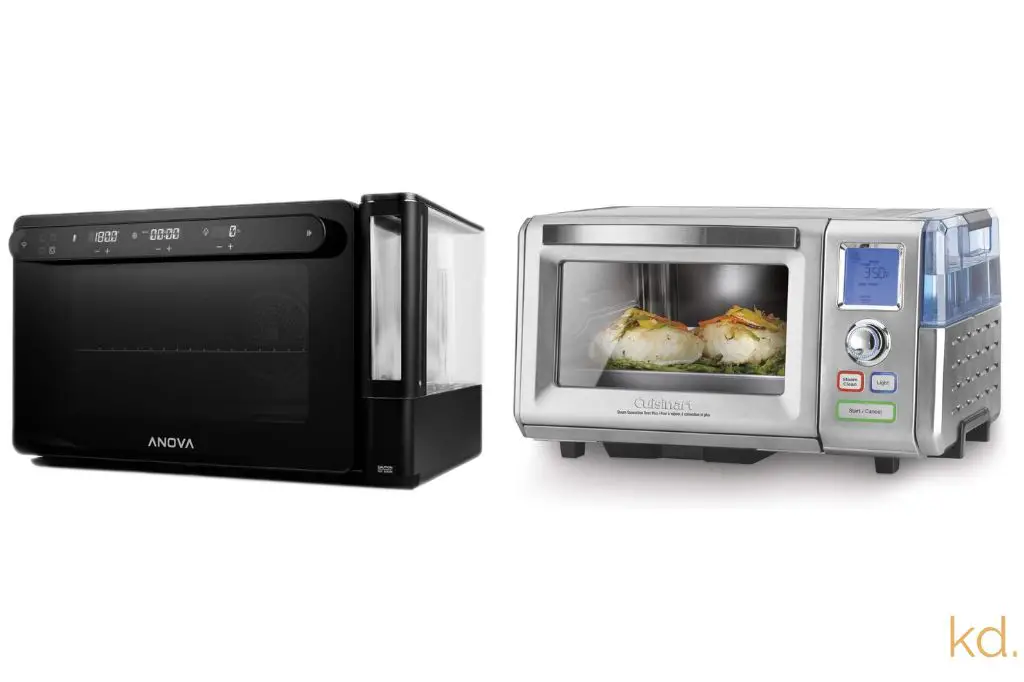
Combination ovens merge multiple cooking technologies into one appliance. The most common combinations include convection with microwave capabilities or steam functions. These versatile units appeal to cooks who want maximum flexibility without dedicating separate space to multiple appliances.
A convection-microwave combination lets you use microwave energy to cook food quickly while the convection element provides browning and crisping that microwaves alone can’t achieve. Steam combination ovens add moisture control, which proves invaluable for bread baking and reheating leftovers without drying them out. While combination ovens offer impressive versatility, they typically cost more than single-function units.
Size and Capacity Considerations
Matching your oven size to your cooking needs prevents frustration and wasted energy. Too small, and you’ll struggle to cook holiday meals. Too large, and you’ll waste energy heating unused space.
Standard Size Ovens
Most residential ovens measure 24, 27, or 30 inches wide. The 30-inch width has become the American standard, fitting into most kitchen cabinet configurations. These ovens typically offer 4.5 to 5.5 cubic feet of interior space, accommodating a large turkey or multiple sheet pans.
Interior height matters just as much as width. Standard ovens provide enough vertical clearance for tall roasting pans or multi-tiered cakes. Check the interior dimensions rather than just the exterior measurements when comparing models. Some manufacturers sacrifice interior space for thicker insulation or additional features.
Compact and Apartment-Size Options
Not everyone needs a full-size oven. Apartment dwellers, singles, and couples might find a 24-inch compact oven perfectly adequate for their needs. These smaller units consume less energy and fit into tighter kitchen spaces without sacrificing essential cooking capabilities.
Compact ovens have improved dramatically in recent years. Modern compact models include many features found in larger units, including convection cooking, self-cleaning cycles, and precise temperature control. They work wonderfully for everyday cooking tasks and can handle most recipes that aren’t designed for feeding crowds.
Double Oven Configurations
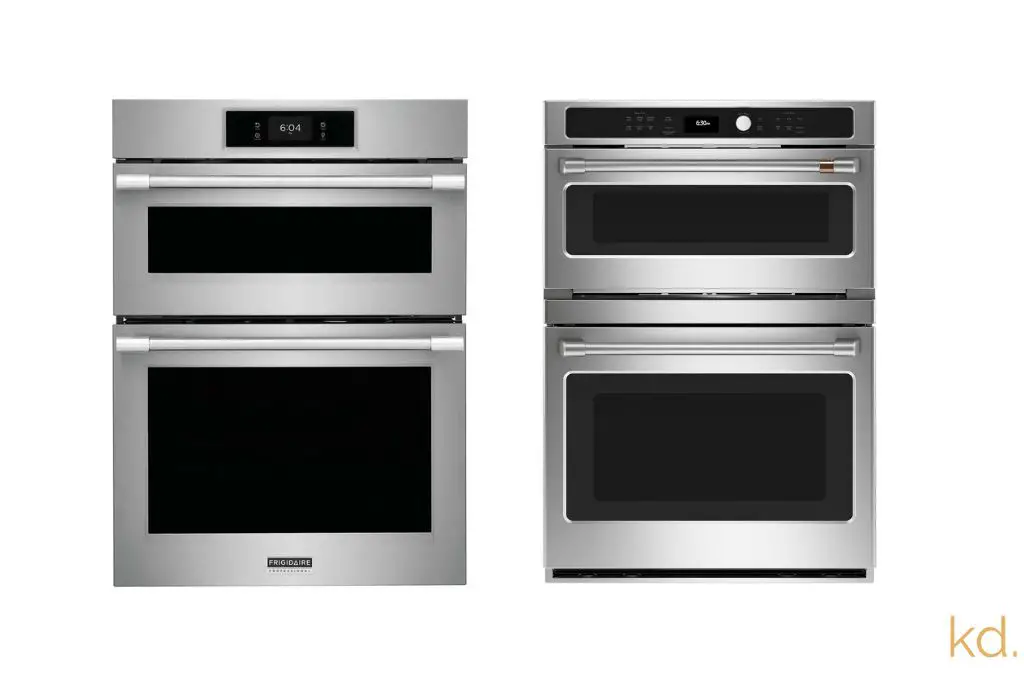
Double ovens appeal to serious home cooks who frequently prepare multiple dishes simultaneously. These configurations stack two separate oven compartments vertically, allowing you to cook at different temperatures at the same time. You might roast meat at 375°F in the lower oven while baking dessert at 325°F in the upper compartment. If you’re considering this option, our double oven with microwave guide explores integrated solutions that maximize kitchen efficiency.
The flexibility of double ovens shines during holiday cooking and dinner parties. However, they require significant wall space and typically cost substantially more than single ovens. Some double oven configurations offer two full-size compartments, while others pair a full-size lower oven with a smaller upper unit. Consider which configuration better matches your typical cooking patterns.
Fuel Type: Gas vs Electric
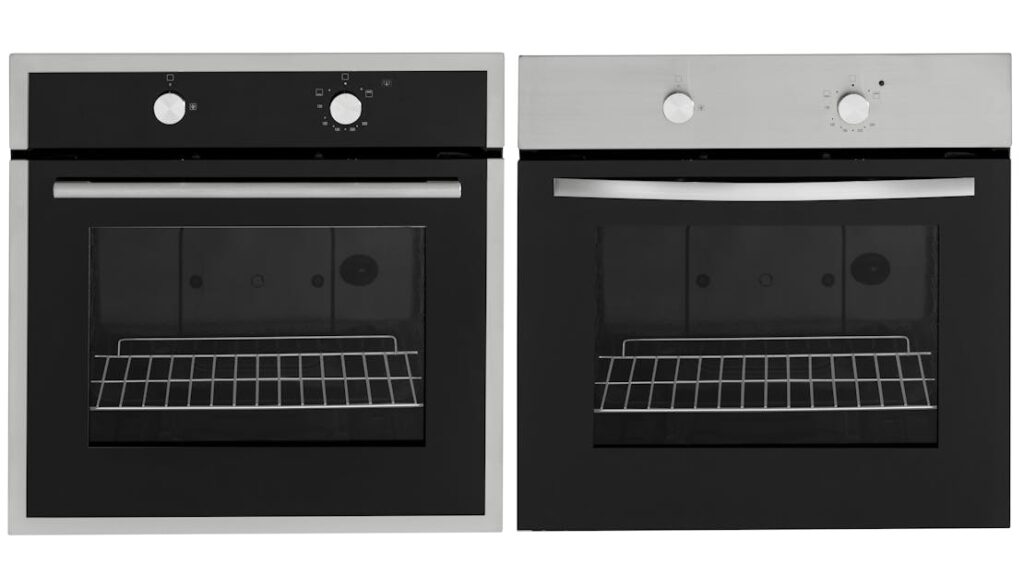
The gas versus electric debate continues among home cooks, with passionate advocates on both sides. Understanding the practical differences helps you make an informed decision based on your cooking style and home infrastructure.
Gas Ovens
Gas ovens generate heat through burning natural gas or propane. Many professional chefs prefer gas for its immediate temperature response and the moist heat it produces. When you adjust the temperature dial on a gas oven, the change happens quickly because you’re directly controlling the flame intensity.
The combustion process in gas ovens adds moisture to the cooking environment, which some cooks appreciate for specific applications like roasting meats or baking bread. However, this moisture can work against you when seeking crispy textures or precise low-temperature baking. Gas ovens tend to have more noticeable temperature fluctuations as the burner cycles on and off.
Installation requirements present another consideration. Gas ovens need a gas line connection, which might require professional installation if your kitchen isn’t already equipped. Operating costs typically run lower for gas than electric in most regions, though this varies based on local utility rates.
Electric Ovens
Electric ovens use heating elements powered by household electricity. They excel at maintaining steady, consistent temperatures, making them favorites among bakers who demand precision. The dry heat in electric ovens creates beautifully crispy exteriors and works perfectly for most baking applications.
Temperature control tends to be more accurate in electric ovens, with less temperature swing during the heating cycle. They also heat more evenly from top to bottom when properly designed. Electric ovens generally cost less to purchase and install than gas models, especially if your home already has the appropriate electrical service.
The main drawbacks of electric ovens include slower temperature adjustment and potential sensitivity to power fluctuations. They also consume more energy than gas in most cases, potentially leading to higher operating costs depending on your local utility rates. Recovery time after opening the door tends to be slower with electric ovens.
Dual Fuel Options
Some home cooks want the best of both worlds: a gas cooktop with an electric oven. Dual fuel ranges combine these technologies, offering the instant heat control of gas burners with the consistent, even heat of an electric oven. This configuration represents a premium option that delivers excellent cooking performance across all applications.
Essential Features and Functions
Modern ovens pack impressive technology into their sleek exteriors. Understanding which features actually enhance your cooking experience helps you avoid paying for bells and whistles you’ll never use.
Temperature Control and Accuracy
Reliable temperature control forms the foundation of good oven performance. Look for models with digital temperature displays and precise thermostats. Some premium ovens include multiple temperature sensors throughout the cavity, providing better accuracy and more even heating.
Temperature calibration features let you adjust the oven’s thermostat if you notice consistent over or under-heating. This capability extends the useful life of your oven and ensures recipe success. Professional-style ovens often include temperature probes that monitor internal food temperature, automatically adjusting cooking time or switching to warm mode when your dish reaches the target temperature.
Rack Configuration and Flexibility
The number and positioning of oven racks affect cooking versatility. Standard ovens typically include two or three racks with four to seven position options. More rack positions provide greater flexibility for accommodating different dish sizes and cooking multiple items simultaneously.
Heavy-duty, glide-out racks make a noticeable difference in daily use. These telescoping racks extend smoothly when you pull them, reducing the risk of burns and making it easier to check or remove heavy dishes. Some ovens feature split racks that cover only half the oven width, allowing tall items on one side while maintaining a rack on the other.
Self-Cleaning Technology
Self-cleaning ovens save hours of manual scrubbing over their lifetime. The two main self-cleaning technologies work quite differently. Pyrolytic or high-heat cleaning locks the oven door and heats the interior to around 900°F, incinerating food residue to ash that you can wipe away. This process takes several hours and requires proper ventilation.
Steam cleaning represents a gentler alternative that heats water in the oven bottom to create steam that loosens baked-on food. Steam cleaning completes in about 30 minutes and uses less energy, though it may not handle heavy soiling as effectively as pyrolytic cleaning. Some ovens offer both cleaning methods, letting you choose based on the level of cleaning needed.
Smart Connectivity and Controls
Smart ovens connect to your home WiFi network, enabling remote monitoring and control through smartphone apps. You can preheat your oven on your way home, receive notifications when cooking completes, or troubleshoot problems with remote diagnostics. Some models integrate with voice assistants like Alexa or Google Assistant.
The practical value of smart features varies by user. Remote preheating proves genuinely useful, while some other connected features might seem more novelty than necessity. Consider whether you’ll actually use these capabilities before paying extra for them. Smart ovens do offer convenience benefits like guided cooking programs and recipe integration that can improve results, especially for less experienced cooks.
Performance Factors to Evaluate
Beyond features and specifications, certain performance characteristics determine how well an oven actually cooks. These factors might not appear on specification sheets but significantly impact your satisfaction.
Heat Distribution and Evenness
Even heat distribution ensures consistent cooking results throughout the oven cavity. Quality ovens minimize hot spots and cold zones, allowing you to place dishes anywhere without worry about uneven browning or cooking. Testing reviews and consumer feedback often reveal more about real-world heat distribution than manufacturer specifications.
Convection systems generally provide more even heat distribution than conventional designs, but implementation quality matters enormously. Some budget convection ovens add a fan without properly engineering the airflow patterns, resulting in little improvement over conventional heating. Look for ovens with well-designed baffle systems that direct airflow effectively.
Preheating Time
Faster preheating saves time and energy. Modern ovens typically preheat to 350°F in 10 to 15 minutes, though performance varies widely between models. Consider your typical cooking patterns when evaluating preheating speed. If you frequently use your oven, faster preheating becomes more valuable.
Some ovens include rapid preheat modes that use multiple heating elements simultaneously to reach temperature faster. These modes might not provide perfectly even heating immediately, so they work better for roasting than for precision baking. Starting cooking before the oven fully preheats affects results more dramatically with certain recipes than others.
Energy Efficiency
Energy-efficient ovens reduce operating costs and environmental impact. Look for models with good insulation, efficient heating elements, and ENERGY STAR certification where applicable. Gas ovens generally consume less primary energy than electric models, though the efficiency calculation becomes complex when considering power generation and distribution.
Convection cooking can improve energy efficiency by reducing cooking times and allowing lower temperature settings. Some ovens include energy-saving features like Sabbath mode or eco modes that optimize heating cycles for efficiency. The oven’s size relative to your needs also affects energy efficiency, as heating unused space wastes energy.
Installation and Space Planning
Proper installation ensures safe operation and optimal performance. Understanding installation requirements before purchasing prevents unpleasant surprises during setup.
Built-In vs Freestanding
Built-in ovens integrate seamlessly into kitchen cabinetry, creating a custom, high-end appearance. They typically cost more than freestanding ranges but offer greater design flexibility. Built-in installations require precise cabinet measurements and proper ventilation planning.
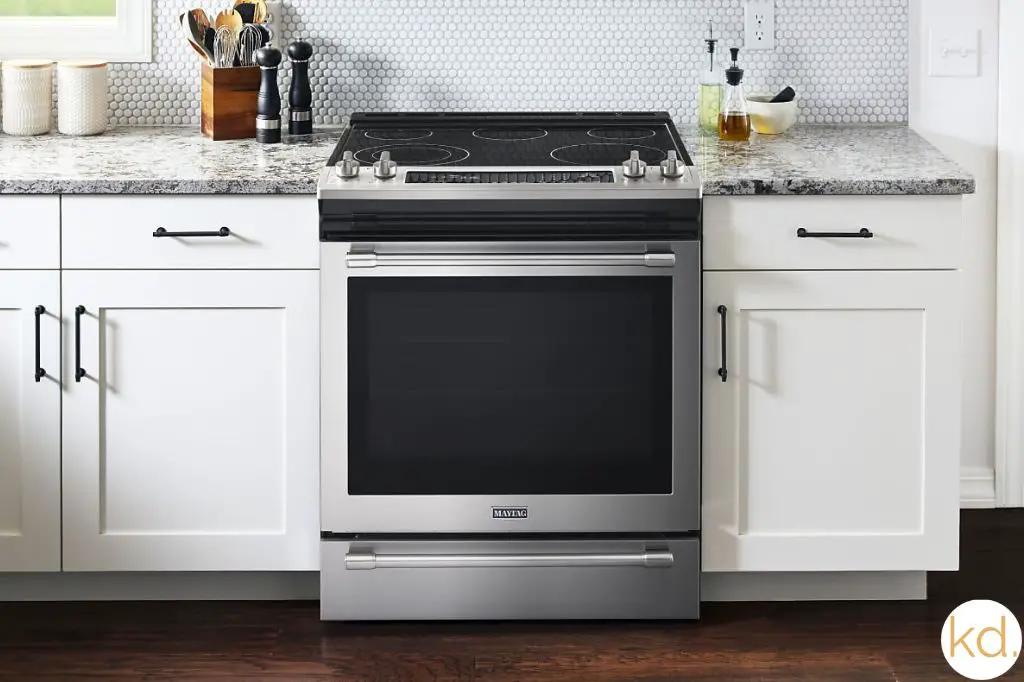
Freestanding ranges combine an oven with a cooktop in one unit that slides between base cabinets. They’re generally less expensive and easier to install than built-in configurations. Freestanding ranges offer convenience for renters or homeowners who might relocate, as they’re simpler to disconnect and move.
Ventilation Requirements
All ovens produce heat and cooking byproducts that need proper ventilation. Gas ovens generate combustion gases requiring adequate fresh air supply and exhaust. Electric ovens produce less concerning emissions but still benefit from good ventilation to remove excess heat and cooking odors.
Wall ovens typically ventilate through the front, directing heat away from surrounding cabinetry. Proper clearances around the oven prevent heat damage and ensure safe operation. Follow manufacturer specifications exactly, as inadequate clearance can create fire hazards or damage adjacent materials.
Electrical and Gas Service
Verify your home’s existing utilities can support your chosen oven. Electric ovens typically require 240-volt service with dedicated circuits rated for the oven’s amperage requirements. Gas ovens need appropriate gas line connections sized for the oven’s BTU rating.
Upgrading electrical service or running new gas lines adds significant cost to your oven installation. Consult with licensed electricians or plumbers before purchasing if you’re uncertain about your home’s capability. Some homeowners find that utility limitations influence their choice between gas and electric models.
Budget Considerations and Value
Ovens span an enormous price range from budget-friendly options under $500 to professional-grade units exceeding $10,000. Understanding where your money goes helps you identify the best value for your specific needs.
Entry-Level Options
Budget ovens deliver basic functionality without frills. Expect simple controls, conventional heating, and manual cleaning at this price point. Entry-level models work perfectly well for straightforward cooking tasks and light use. They typically lack advanced features like convection, self-cleaning, or precise temperature control.
Reliability becomes more variable in the budget category. Some manufacturers produce dependable basic ovens, while others cut quality to hit low price points. Research reliability ratings and consumer reviews carefully when shopping for budget models. A slightly more expensive but reliable oven often provides better long-term value than the absolute cheapest option.
Mid-Range Performance
Mid-priced ovens typically include convection capability, self-cleaning functions, and better temperature control. This price range offers the best value for most home cooks, balancing performance, features, and cost effectively. You’ll find solid construction quality and generally good reliability from established manufacturers.
Many mid-range ovens include smart features, multiple cooking modes, and professional-style aesthetics. The difference between mid-range and premium ovens often involves build quality, finish options, and brand prestige more than fundamental cooking performance. If you’re passionate about cooking and looking for the best oven for baking, mid-range models often deliver exceptional results without premium pricing.
Premium and Professional Options
High-end ovens target serious home cooks and those seeking commercial-grade performance. Premium models feature superior construction, more powerful heating elements, advanced controls, and exceptional attention to detail. They might include features like steam injection, sous vide capabilities, or specialized cooking modes for specific foods.
Professional-style ovens typically offer faster preheating, higher maximum temperatures, and more cooking capacity than residential models. However, they may require special ventilation, consume more energy, and need professional installation. The cooking performance improvement over good mid-range ovens might not justify the additional cost unless you’re genuinely passionate about cooking.
Brand Reputation and Reliability
Choosing a reputable manufacturer increases your chances of satisfaction over your oven’s lifetime. Established brands typically offer better customer service, parts availability, and reliability.
Established Kitchen Appliance Manufacturers
Major appliance brands like Whirlpool, GE, and Bosch dominate the residential oven market. These companies offer extensive product lines spanning budget to premium price ranges. Their market position provides resources for research and development while maintaining widespread service networks.
Established brands generally offer good reliability, though performance varies across their product ranges. Their budget lines might cut corners to hit price points, while premium offerings compete with specialty manufacturers. Extended warranties and service plans tend to be more comprehensive from major brands.
Specialty and Luxury Brands
Specialty brands like Viking, Wolf, and Thermador focus on high-performance cooking appliances. They command premium prices but deliver exceptional cooking performance and professional-style features. These brands appeal to serious home cooks who prioritize cooking capability above all else.
Build quality typically exceeds mainstream brands, with heavier-gauge materials and superior attention to detail. However, parts and service may be more expensive and less widely available. Research service availability in your area before committing to a specialty brand, especially if you live outside major metropolitan areas.
Maintenance and Longevity
Proper maintenance extends your oven’s useful life and maintains cooking performance. Understanding maintenance requirements helps you budget time and money for upkeep.
Regular Cleaning Practices
Regular cleaning prevents buildup that affects performance and creates odors. Wipe up spills promptly, especially sugary substances that bake onto oven surfaces. Use appropriate cleaning products for your oven’s finish, as harsh chemicals can damage some materials.
Self-cleaning cycles simplify maintenance but should be used judiciously. Running self-clean too frequently can stress oven components, particularly door locks and electronic controls. Many manufacturers recommend self-cleaning no more than three or four times annually. For lighter cleaning needs, use the steam clean function if available or clean manually with appropriate products.
Common Repairs and Parts Replacement
Even quality ovens eventually need repairs. Common issues include failed heating elements, faulty thermostats, worn door gaskets, and electronic control problems. Understanding typical repair costs helps you make informed decisions about repair versus replacement as your oven ages.
Parts availability and cost vary dramatically between brands. Mainstream manufacturers typically offer better parts availability and lower costs than specialty brands. Some premium ovens use proprietary components that only factory-authorized service centers can replace, potentially increasing repair costs and waiting times.
Expected Lifespan
Quality ovens typically last 10 to 15 years with proper maintenance, though lifespan varies based on usage intensity and quality. Commercial-style ovens built for heavy use might last 20 years or more. Budget models might need replacement sooner, especially under heavy use.
Consider lifecycle cost rather than just purchase price. A more expensive but longer-lasting oven might cost less per year of service than a cheap model requiring early replacement. Factor in energy costs as well, since efficient ovens save money throughout their lifetime. According to Consumer Reports, regular maintenance significantly impacts appliance longevity, making proper care a worthwhile investment.
Making Your Final Decision
Choosing the perfect oven requires balancing multiple factors against your unique situation. Start by honestly assessing your cooking habits, space constraints, and budget limitations.
Prioritizing Your Needs
Create a written list of must-have features versus nice-to-have options. Must-haves might include specific size requirements, fuel type based on existing utilities, or convection capability if you regularly cook multiple dishes. Nice-to-have features could include smart connectivity, steam cleaning, or specific color finishes.
Resist the temptation to buy more oven than you need. Extra capacity costs more to purchase and operate while sitting unused. Similarly, advanced features you won’t use just complicate operation without adding value. Be realistic about your cooking frequency and the types of meals you typically prepare.
Research and Comparison Shopping
Read professional reviews from sources like Cook’s Illustrated and consumer reviews from verified purchasers. Professional reviews test cooking performance systematically, while consumer reviews reveal reliability and long-term satisfaction. Look for patterns in reviews rather than focusing on isolated complaints or praise.
Visit appliance showrooms to see ovens in person when possible. Physical examination reveals build quality better than online shopping. Open oven doors to assess hinge quality and alignment. Check rack movement and control responsiveness. Showroom staff can provide insights about reliability and customer satisfaction based on their experience.
Timing Your Purchase
Appliance prices fluctuate throughout the year. Major retailers typically offer the deepest discounts during holiday sales events, particularly around Memorial Day, Fourth of July, Labor Day, and Black Friday. New model years arrive in late fall, making current models more affordable as dealers clear inventory.
Don’t rush your purchase unless your current oven is completely non-functional. Taking time to research and wait for sales can save hundreds of dollars. However, avoid waiting too long if prices are rising or stock becomes limited. Balance patience with decisiveness once you’ve identified the right oven at a fair price.
Wrapping Up Your Oven Selection Journey
Choosing an oven represents a significant investment in your home and cooking future. The right oven enhances every meal you prepare, from weeknight dinners to holiday feasts. By understanding your needs, researching options thoroughly, and prioritizing features that matter to your cooking style, you’ll find an oven that serves you well for years to come.
Remember that the best oven isn’t necessarily the most expensive or feature-packed model. It’s the one that fits your space, matches your cooking patterns, and operates reliably within your budget. Take your time with this decision, ask questions, and choose thoughtfully. Your kitchen will thank you every time you cook!
Ready to explore your options? Check out our comprehensive reviews of specific models and brands to help narrow down your choices. Happy cooking!