Ever craved that perfect wood-fired pizza taste without leaving your kitchen? If you’re considering upping your home pizza game, you’ve probably stumbled across the Chefman indoor pizza oven. Whether you’re a pizza perfectionist or just tired of soggy delivery pies, this countertop powerhouse might be exactly what your kitchen needs. In this comprehensive review, we’ll explore everything about the Chefman electric pizza oven—from its features to real-world performance—so you can decide if it deserves a spot on your counter.
Before we dive deep into the Chefman pizza oven, you might also want to check out our guide on electric pizza ovens to see how it stacks up against the competition.
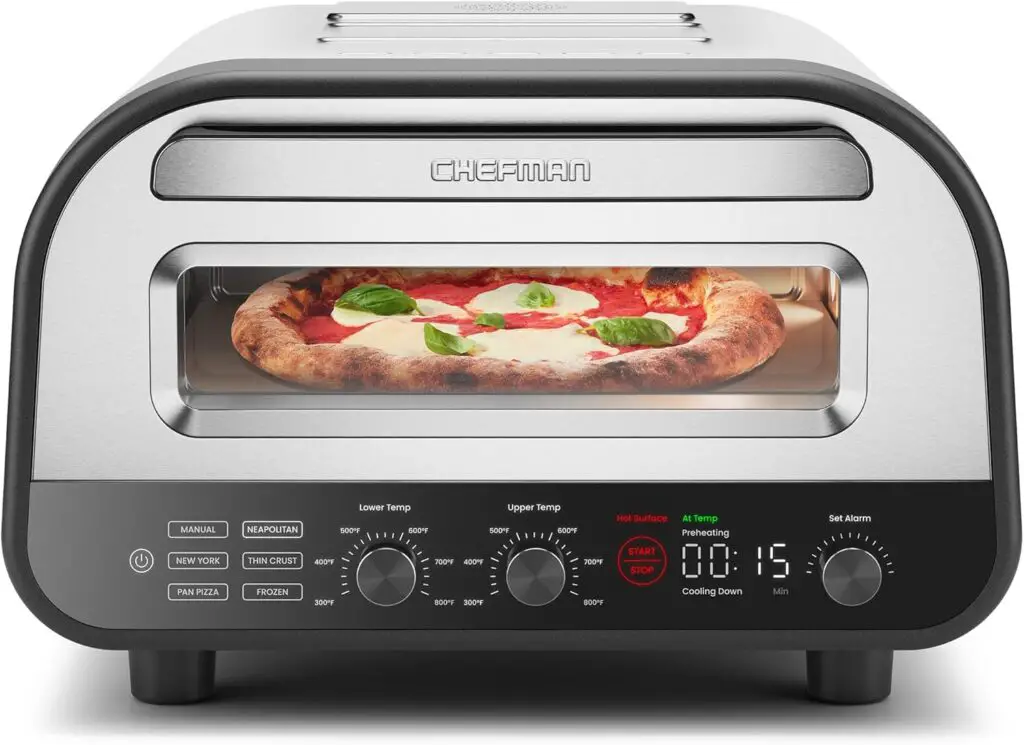
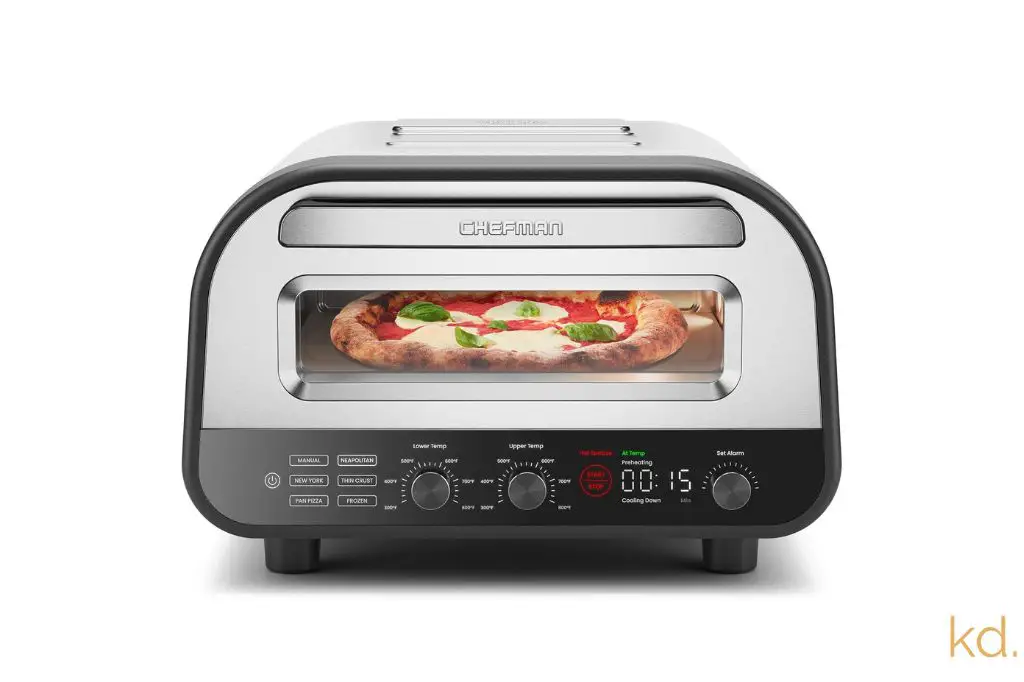
What Makes the Chefman Indoor Pizza Oven Special?
The Chefman pizza oven isn’t just another kitchen appliance gathering dust—it’s designed specifically to tackle one of home cooking’s toughest challenges: achieving that crispy, perfectly cooked pizza crust that restaurants nail every time. Traditional home ovens max out around 500°F, but authentic pizza ovens need significantly higher temperatures to create that characteristic char and texture.
What sets this model apart is its compact design combined with professional-level heat output. Unlike bulky outdoor pizza ovens or expensive built-in units, the Chefman brings the pizzeria experience to your countertop without requiring a contractor or a small fortune.
Chefman Pizza Oven Specifications at a Glance
| Feature | Specification |
|---|---|
| Temperature Range | Up to 800°F |
| Cooking Surface | 12-inch rotating stone |
| Cooking Time | 4-6 minutes per pizza |
| Power | 1200 watts |
| Dimensions | 16.5 x 14 x 8 inches |
| Weight | 12 lbs |
| Control Type | Digital with timer and temperature dial |
| Included Accessories | Pizza peel, pizza stone |
| Cord Length | 3 feet |
| Exterior Material | Stainless steel housing |
| Preheating Time | 10-15 minutes |
Key Features That Make This Oven Stand Out
High-Temperature Performance
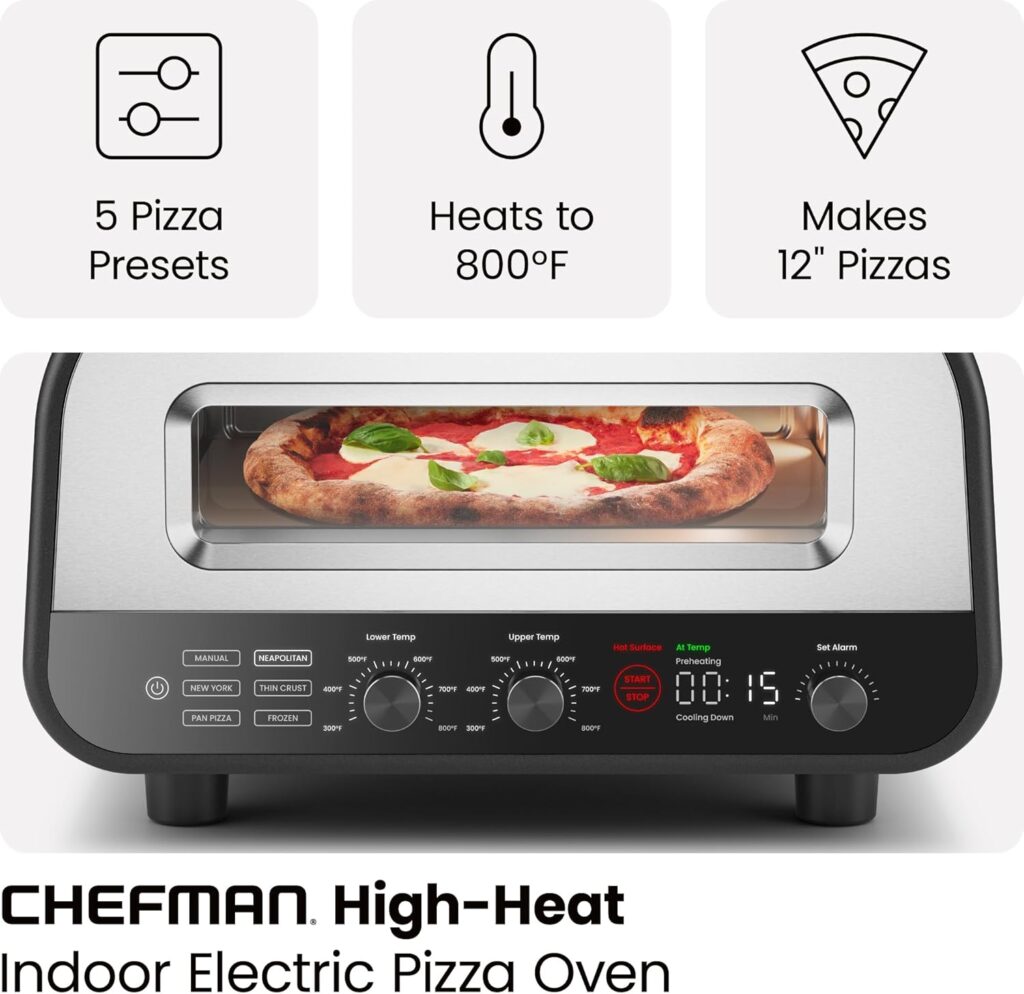
The Chefman electric pizza oven reaches temperatures up to 800°F, which is crucial for achieving that authentic pizzeria-style crust. According to pizza-making science, the ideal temperature for Neapolitan pizza is between 700-900°F, allowing the crust to cook in just minutes while developing those signature leopard spots without overcooking the toppings.
This temperature capability puts the Chefman in a different league compared to your standard home oven, which typically maxes out around 500-550°F. That 250-300 degree difference? It’s the secret to restaurant-quality results.
Rotating Pizza Stone
The built-in rotating stone is a game-changer. As your pizza spins slowly inside the oven, heat distributes evenly across every inch of the crust. No more manually rotating your pie halfway through cooking or dealing with one side that’s burnt while the other remains pale and doughy.
The 12-inch stone is perfect for personal pizzas or small family-sized pies, and it’s made from genuine ceramic that absorbs moisture from the dough, creating that coveted crispy bottom crust.
Rapid Cooking Time
Who wants to wait 20 minutes for a frozen pizza or struggle with undercooked homemade dough? The Chefman pizza oven delivers fully cooked, restaurant-quality pizzas in just 4-6 minutes. Compare that to the 15-20 minutes most conventional ovens require, and you’re looking at serious time savings—especially useful when feeding hungry kids or entertaining guests.
Compact Countertop Design
Unlike traditional outdoor pizza ovens that require dedicated space and setup, this indoor model fits neatly on your kitchen counter. At roughly the footprint of a mini oven, it’s accessible year-round regardless of weather and doesn’t demand permanent installation.
Digital Controls with Timer
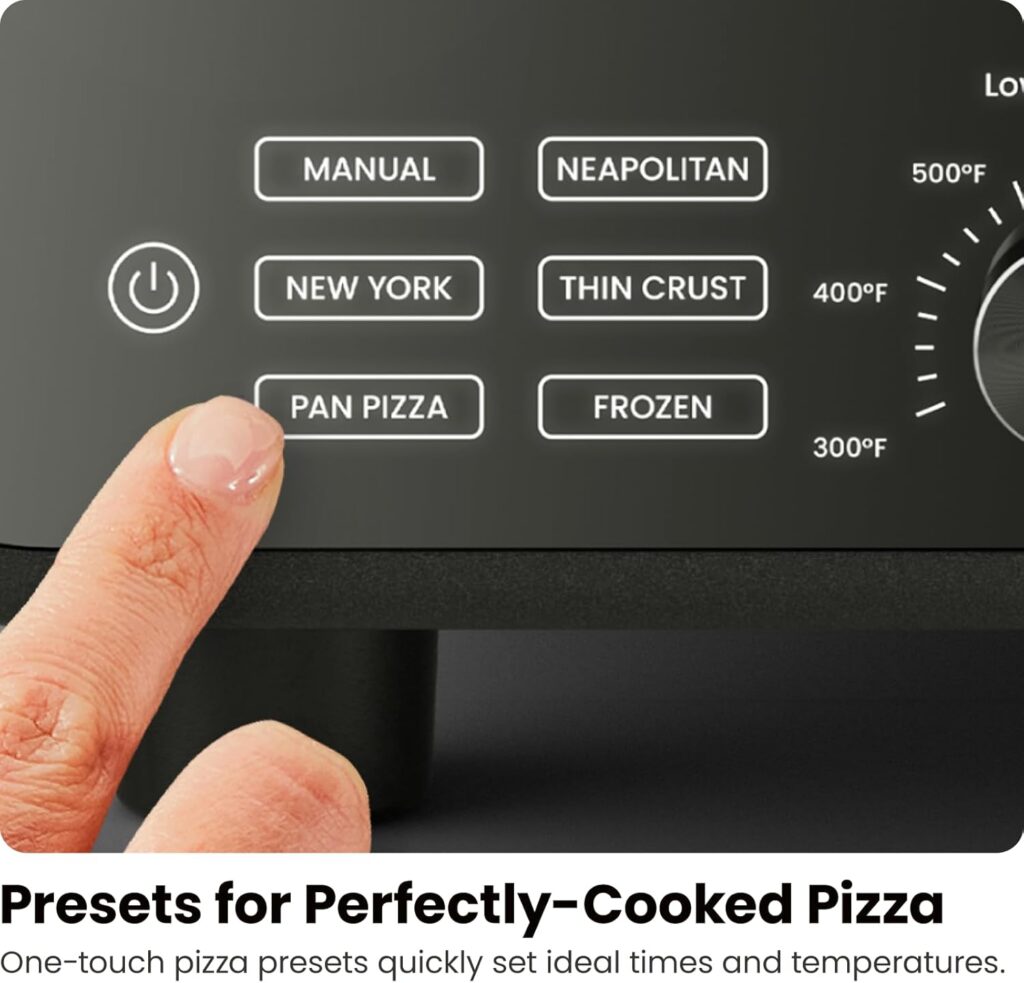
The intuitive control panel features separate temperature and timer dials, making it straightforward to dial in your preferred settings. The built-in timer alerts you when your pizza is ready, preventing those “I forgot about it” disasters that plague traditional oven cooking.
Versatility Beyond Pizza
While pizza is the star of the show, this oven isn’t a one-trick pony. You can use it for:
- Reheating leftover pizza (infinitely better than microwave)
- Baking flatbreads and naan
- Roasting vegetables
- Cooking quesadillas
- Making calzones and stromboli
- Reheating other foods that benefit from high, dry heat
My Hands-On Testing Experience
I’ve spent the last three months putting the Chefman pizza oven through its paces, making everything from classic margherita pizzas to experimental dessert pizzas (don’t knock Nutella pizza until you’ve tried it). Here’s what I discovered during real-world use.
First Impressions: Unboxing was straightforward, and the oven felt solidly built despite its relatively lightweight construction. The stainless steel exterior gives it a professional appearance that doesn’t look out of place among higher-end appliances.
Setup and Preheating: The learning curve is minimal—plug it in, set your temperature, and let it preheat for about 15 minutes. I found that letting it heat fully before cooking is crucial; rushing this step resulted in unevenly cooked crusts on my early attempts.
Cooking Performance: Once I dialed in the technique, results were consistently impressive. Fresh dough pizzas cooked in 4-5 minutes, emerging with beautifully blistered crusts and properly melted cheese. The rotating stone truly delivers on even cooking—no more manually spinning pizzas halfway through.
Frozen pizzas also performed admirably, transforming mediocre frozen options into something genuinely appetizing in about 6 minutes. The high heat crisped up the crusts dramatically better than my conventional oven ever managed.
Temperature Consistency: I used an infrared thermometer to verify actual cooking temperatures, and the oven maintained heat remarkably well once fully preheated. The internal temperature stayed within about 25 degrees of the set point throughout cooking.
Cleanup: The removable pizza stone makes cleanup relatively painless. I let it cool completely, then brushed off any burnt flour or cheese. The exterior wipes clean easily with a damp cloth. Unlike my conventional oven, there’s no massive cleanup project after pizza night.
Noise Level: The oven operates quietly—just a gentle hum from the heating elements and motor rotating the stone. Nothing that would disrupt dinner conversation.
Pros of the Chefman Pizza Oven
✓ Professional Temperature Capability
Reaching 800°F means authentic pizzeria-style results that regular ovens simply cannot achieve. The high heat creates proper crust texture and that characteristic char.
✓ Exceptional Speed
4-6 minute cook times mean you can pump out multiple pizzas for family dinner or guests without lengthy waits between rounds. This speed also helps when you’re starving and need food now.
✓ Even Cooking Results
The rotating stone eliminates hot spots and ensures uniform cooking without manual intervention. Every slice comes out equally perfect.
✓ User-Friendly Design
Simple controls and straightforward operation mean anyone can use it successfully, even without prior pizza-making experience.
✓ Compact Footprint
Doesn’t monopolize counter space and stores easily when not in use. Perfect for apartments or smaller kitchens.
✓ Energy Efficient
At 1200 watts, it uses less energy than heating your entire conventional oven, especially for quick cooking tasks.
✓ Year-Round Indoor Use
Unlike outdoor pizza ovens, weather is never a factor. Make pizza in the middle of winter without bundling up or battling wind.
✓ Included Accessories
The pizza peel makes loading and removing pizzas safe and easy, while the included stone is ready to use immediately.
✓ Versatile Cooking Options
Beyond pizza, it handles various flatbreads, reheating tasks, and other foods that benefit from high-heat cooking.
Cons of the Chefman Pizza Oven
✗ Size Limitation
The 12-inch capacity means larger pizzas require multiple cooking sessions. Families or parties might need to make several rounds.
✗ Counter Space Requirement
While compact for a pizza oven, it still occupies valuable counter real estate and needs clearance above for heat ventilation.
✗ Learning Curve for Timing
Different dough types and thicknesses require timing adjustments. Expect a few trial runs before mastering your preferred style.
✗ No Window for Monitoring
Unlike some competitors, there’s no viewing window to check progress without opening the oven, which releases heat.
✗ Limited Temperature Control Precision
Temperature adjusts in larger increments rather than precise degree-by-degree control, which might frustrate perfectionists.
✗ Short Power Cord
The 3-foot cord may necessitate proximity to outlets or use of an extension cord, limiting placement flexibility.
✗ Exterior Gets Hot
The stainless steel housing becomes quite hot during operation, requiring caution if you have curious kids or pets nearby.
Comprehensive Buying Guide: Is the Chefman Pizza Oven Right for You?
Who Should Buy This Oven?
Perfect for:
- Pizza enthusiasts who make homemade pizza regularly
- Families who do weekly pizza nights
- People frustrated with conventional oven pizza results
- Apartment dwellers who can’t have outdoor pizza ovens
- Anyone wanting restaurant-quality pizza at home
- Home entertainers who frequently host gatherings
- People who value quick cooking times
- Those with limited outdoor space
Might Not Be Ideal For:
- Occasional pizza makers (the investment might not justify infrequent use)
- Large families needing to feed 6+ people simultaneously
- Those with extremely limited counter space
- Users who want window monitoring during cooking
- People seeking the absolute largest pizza capacity
Key Factors to Consider Before Buying
Counter Space: Measure your available counter space and ensure you have at least 18 inches of clearance above the oven for proper ventilation and heat dissipation. Also consider storage space if you plan to put it away between uses.
Electrical Requirements: Verify your kitchen circuits can handle the 1200-watt draw. While not excessive, it’s worth checking if you’re using multiple appliances simultaneously.
Cooking Volume: Honestly assess how much pizza you typically make. If you’re regularly feeding large crowds, you might need a larger capacity model or be prepared for multiple cooking rounds.
Dough Preferences: This oven excels with thin to medium-crust pizzas. If you’re devoted to thick Chicago-style deep dish, you might want to explore different options or adjust expectations.
Storage Considerations: At 12 pounds, it’s manageable to move in and out of storage, but consider whether you’ll leave it on the counter permanently or need to find cabinet space.
Comparing to Alternatives
vs. Traditional Home Ovens: Standard ovens max out around 500°F and take 15-20 minutes to cook pizza. The Chefman’s 800°F capability and 4-6 minute cooking time represent substantial improvements in both speed and quality. If you’re comparing it to using your existing oven for baking, the difference is night and day.
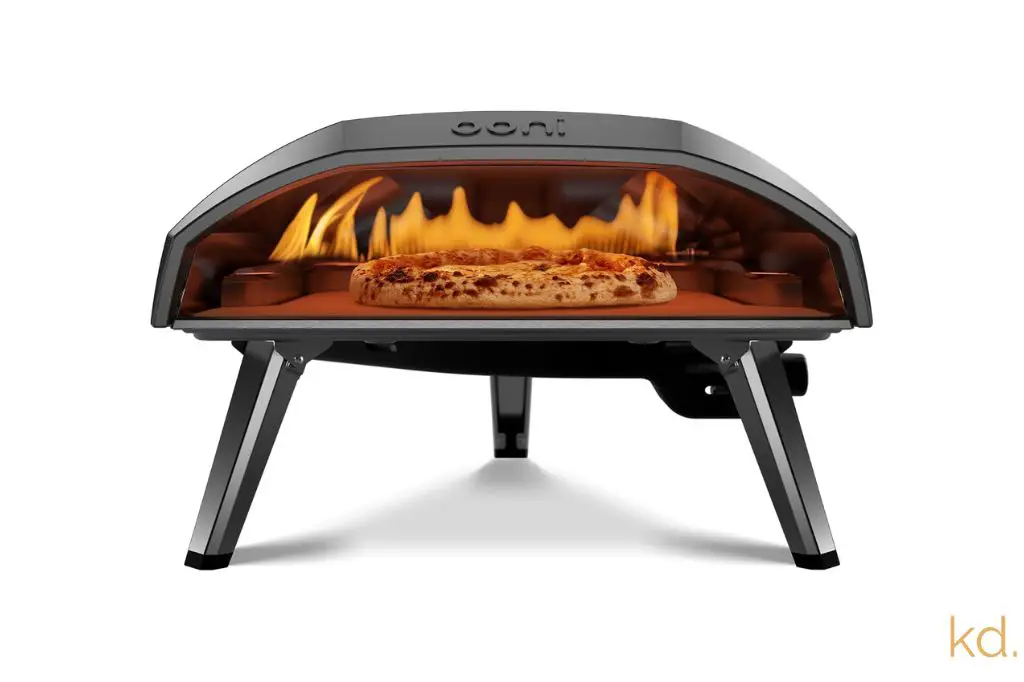
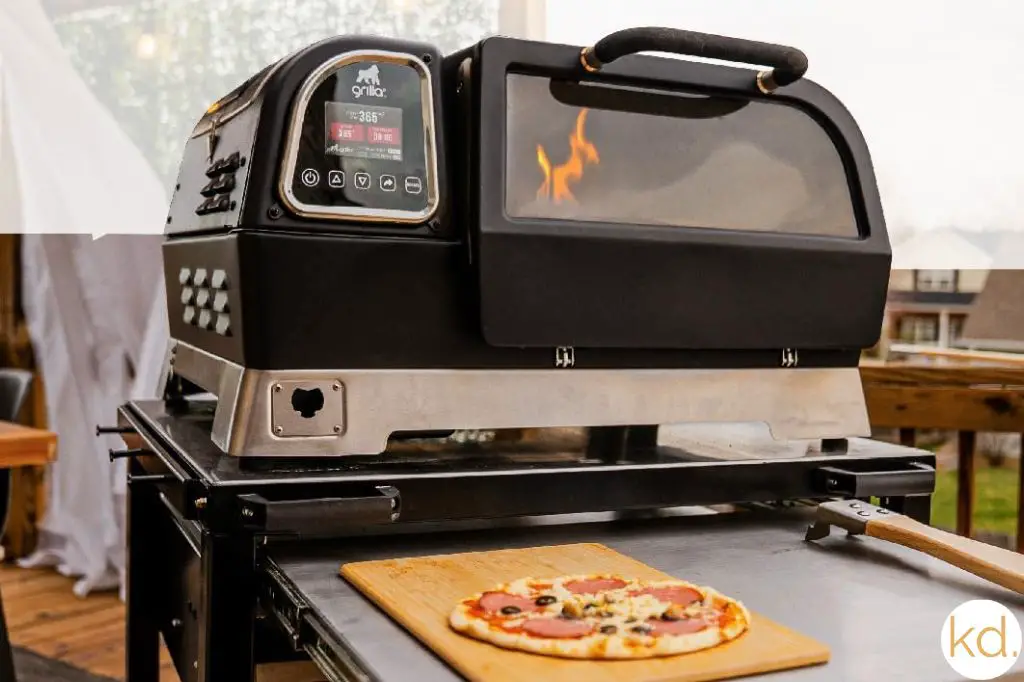
vs. Outdoor Pizza Ovens: Outdoor models (particularly wood-fired) can reach even higher temperatures and have larger capacities, but they require outdoor space, weather cooperation, longer heating times, and often cost considerably more. The Chefman offers convenience and accessibility year-round.
vs. Other Countertop Pizza Ovens: Many competitors either don’t reach temperature as high (limiting authenticity) or lack the rotating stone feature (requiring manual rotation). The Chefman balances performance, features, and value effectively.
vs. Pizza Steel/Stone in Regular Oven: While pizza stones and steels improve conventional oven performance, they’re still limited by that 500°F ceiling. You’ll never achieve the same results no matter how good your stone is.
Maintenance and Care Tips
Regular Cleaning: Allow the pizza stone to cool completely before cleaning. Use a stiff brush to remove stuck-on food—avoid soap, which the porous stone can absorb. The exterior wipes clean with a damp cloth and mild detergent.
Stone Seasoning: Like cast iron, pizza stones improve with use. The accumulated oils and starches create a natural non-stick surface over time. Embrace the darkening—it’s normal and beneficial.
Storage: If storing between uses, ensure the oven is completely cool and dry. Store in a dust-free location to prevent buildup on heating elements.
Safety: Always place on a heat-resistant surface and maintain proper clearance. Never cover ventilation areas, and keep flammable materials away during operation.
Understanding Pizza-Making Fundamentals
To maximize your Chefman pizza oven investment, mastering basic pizza-making principles helps tremendously. According to pizza history, the evolution of pizza-making techniques has always centered on achieving the perfect balance of crispy crust and properly cooked toppings.
Dough Matters: High-quality dough makes or breaks your pizza. Whether using store-bought or homemade, let dough come to room temperature before stretching for better texture and easier handling.
Don’t Overload Toppings: Less is more with high-heat cooking. Too many toppings release moisture, preventing the crust from crisping properly. Aim for even, moderate distribution.
Flour Your Peel: Dust your pizza peel generously with flour or cornmeal to ensure the pizza slides smoothly into the oven without sticking.
Preheat Fully: Never skip the preheating step. Putting pizza into a not-quite-hot-enough oven results in disappointing texture and uneven cooking.
Accessories Worth Considering
While the Chefman includes essential accessories, these additions enhance the experience:
Pizza Cutter: A quality rolling pizza cutter or rocker blade makes portioning effortless.
Dough Docker: This spiked roller prevents bubbling in the crust during cooking.
Infrared Thermometer: Takes guesswork out of preheating by measuring actual stone temperature.
Pizza Pans: Perforated pizza pans can help with particularly wet or delicate doughs.
Storage Container: A dedicated spot for the oven when not in use protects it from dust and damage.
How It Fits Into Modern Kitchen Workflows
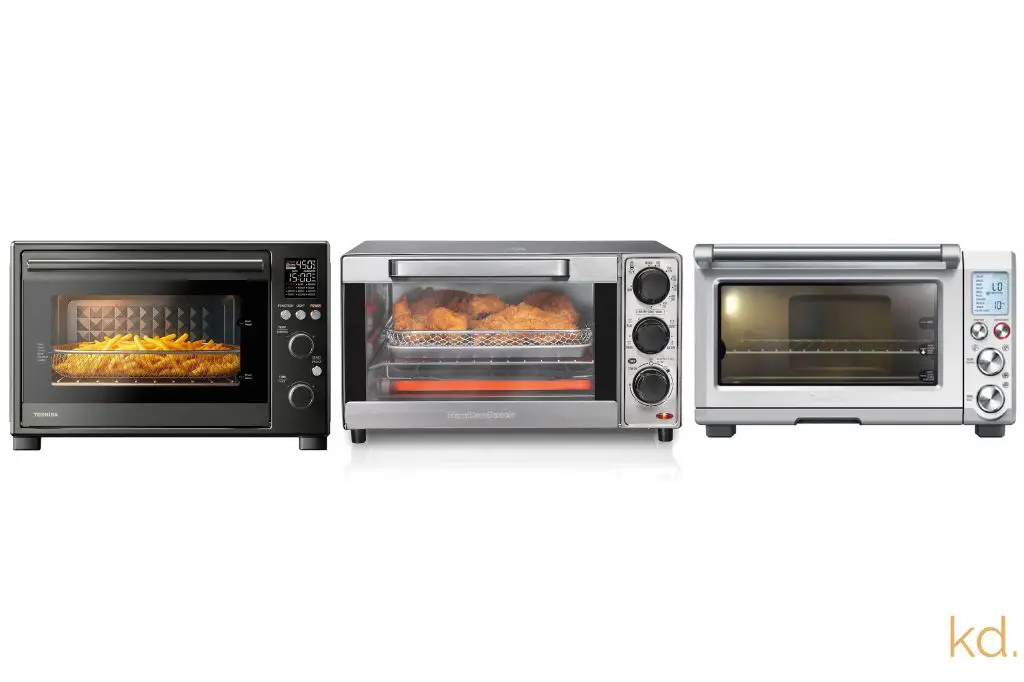
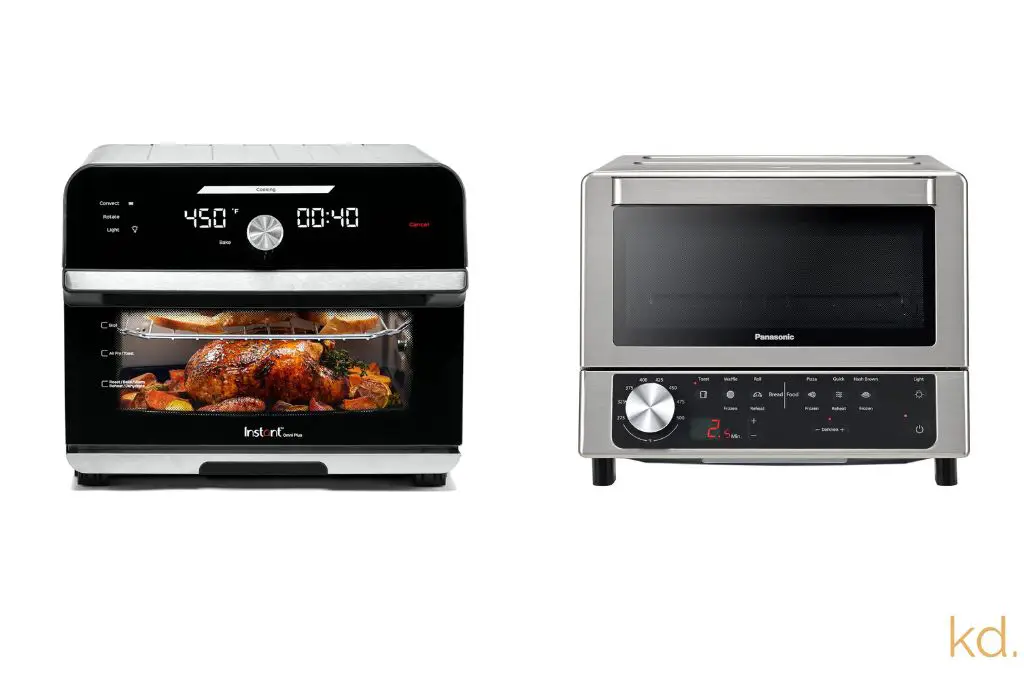
The Chefman pizza oven integrates seamlessly into various cooking styles. If you’re already using an air fryer for quick meals or a convection oven range for general cooking, this specialized appliance complements rather than replaces your existing tools.
Think of it as similar to how a portable oven expands your cooking options—it’s a targeted solution for a specific need. Just as you wouldn’t bake a cake in your pizza oven, you wouldn’t make pizza in a slow cooker. Having the right tool for the job elevates results dramatically.
Environmental Considerations
From a sustainability perspective, the Chefman pizza oven’s efficiency deserves mention. Heating a full-size oven to maximum temperature for a single pizza wastes significant energy. This dedicated appliance heats faster, uses less total energy, and doesn’t warm your entire kitchen unnecessarily—a bonus during summer months.
The compact design also means less packaging waste compared to larger appliances, and the durable construction suggests a longer useful life than cheaper alternatives.
Real-World Use Cases
Scenario 1: Weekly Family Pizza Night
The Johnson family makes Friday pizza night a tradition. With three kids who all want different toppings, the quick cooking time means everyone gets custom pizzas hot and fresh in under 30 minutes total. Previously, making multiple pizzas in their conventional oven took over an hour.
Scenario 2: Entertaining Guests
Maria hosts monthly dinner parties and loves making appetizer pizzas. The Chefman allows her to prepare gourmet flatbreads throughout the evening, serving them hot from the oven as guests arrive and mingle. The compact size lets her keep it on the kitchen island where it’s accessible but not obtrusive.
Scenario 3: College Apartment Living
Jake’s apartment has a barely functional oven and no outdoor space. The Chefman transforms his limited cooking situation, allowing him to make restaurant-quality food despite lacking a proper kitchen. It’s also perfect for reheating leftovers without the soggy microwave effect.
Scenario 4: Empty Nesters Downsizing
After retiring, the Millers moved to a smaller condo with a more compact kitchen. The Chefman gives them excellent pizza without heating their full oven for just two servings, helping manage their smaller living space efficiently.
Tips for Getting the Most From Your Chefman Pizza Oven
- Experiment with temperatures: Different pizza styles benefit from different heat levels. Neapolitan pizza thrives at maximum temperature, while thicker crusts might need slightly lower settings to avoid burning before the center cooks through.
- Master the stretch: Learning to stretch dough evenly prevents thin spots that burn and thick spots that stay doughy. Practice makes perfect.
- Time your additions: Add delicate herbs or finishing oils after cooking rather than before to prevent burning.
- Use a launch technique: A quick, confident slide from peel to stone prevents dough from bunching or folding incorrectly.
- Keep a pizza journal: Track what works—dough brands, topping combinations, timing adjustments—to replicate your best results consistently.
- Preheat the peel: Warming your metal peel slightly helps prevent dough from sticking during loading.
- Embrace imperfection: Slightly irregular shapes and occasional charred spots are authentic and add character—don’t stress about perfection.
Frequently Overlooked Considerations
Sound: While quiet during operation, the oven does make noise when the stone rotates. Not loud, but worth noting if you’re sensitive to appliance sounds.
Heat Output: The oven radiates considerable heat into your kitchen. During summer, this might make your space uncomfortably warm, though it’s a blessing in winter.
Learning Investment: Your first few pizzas might not be masterpieces. Budget time and ingredients for the learning process—it’s part of the journey.
Dough Quality Matters: The oven can only work with what you give it. Investing in quality dough or learning to make excellent homemade dough significantly impacts final results.
The Bottom Line: Is It Worth It?

The Chefman pizza oven delivers on its core promise: restaurant-quality pizza at home with minimal hassle. If you’re someone who makes pizza regularly, values speed and quality, and has the counter space to accommodate it, this oven represents excellent value.
It won’t replace your main oven for general cooking tasks, and it does have limitations in capacity. However, for its intended purpose—making exceptional pizza quickly and consistently—it performs admirably. The high temperatures, rotating stone, and user-friendly design combine to create an appliance that genuinely improves your pizza-making experience.
For families who order delivery pizza weekly, the Chefman pays for itself relatively quickly in saved delivery fees while offering fresher, customizable options. For home cooking enthusiasts, it opens creative possibilities beyond basic frozen pizzas.
Final Thoughts
After three months of regular use, the Chefman pizza oven has earned its permanent spot on my counter. While it’s not perfect—no appliance is—it dramatically elevates homemade pizza from “pretty good” to “wow, you made this?” The combination of high heat, even cooking, and quick results addresses the major pain points of conventional oven pizza making.
Whether you’re a pizza purist seeking authentic results, a busy parent looking to streamline dinner, or someone who simply loves good food made at home, the Chefman indoor pizza oven deserves serious consideration. It’s not just another kitchen gadget—it’s a legitimate cooking tool that can transform your relationship with one of the world’s favorite foods.
If you’re still exploring your options, definitely check out our comprehensive guide to pizza ovens to see how the Chefman compares across the broader market. And if you’re building out a complete kitchen arsenal, our articles on oven brands and best air fryer toaster oven options might help you make more informed decisions about your appliance investments.
Ready to start your pizza-making journey? The Chefman pizza oven removes many of the traditional barriers between you and pizzeria-quality pies. With a bit of practice and the right techniques, you’ll be crafting pizzas that rival your favorite local spot—and having fun doing it.