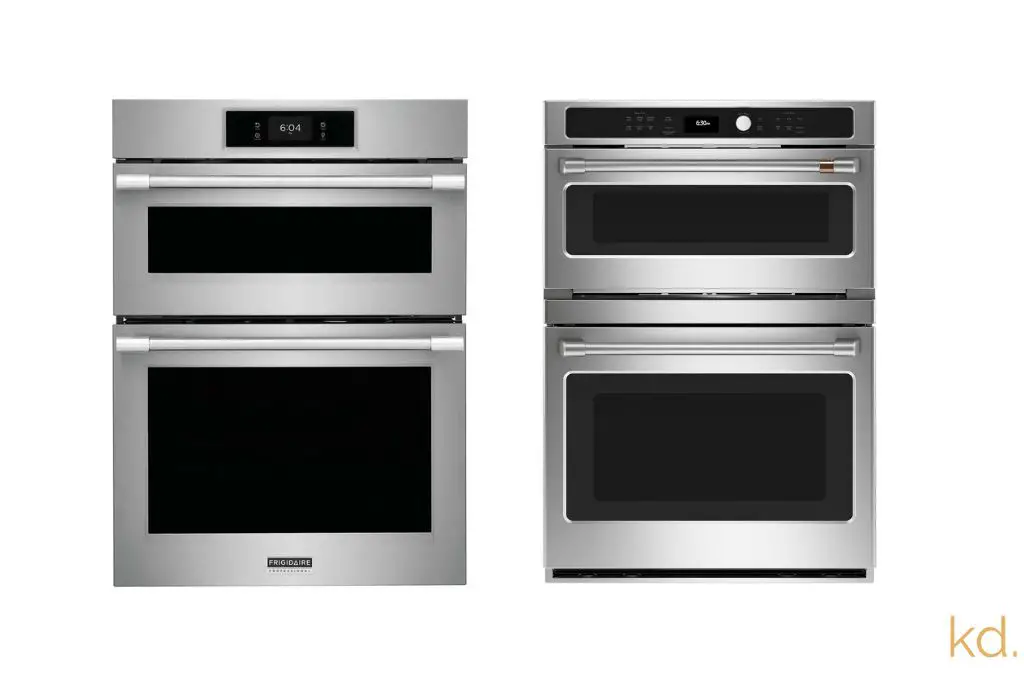
If you’ve been eyeing professional-grade cooking equipment but thought it was out of reach for home kitchens, think again. Combi ovens—those magical machines that combine convection, steam, and combination cooking modes—are no longer exclusive to commercial kitchens. These versatile appliances are revolutionizing home cooking, and I’m here to guide you through the best options available today.
Before we jump into the reviews, let me mention that choosing the right oven can be overwhelming. That’s why I’ve put together this comprehensive guide covering how to choose an oven for your specific needs. Now, let’s explore the world of combi ovens!
A combi oven, short for combination oven, merges the benefits of a convection oven and a steam oven into one powerful unit. Whether you’re roasting a perfect chicken, steaming vegetables, or baking artisan bread with that coveted crispy crust, a combi oven handles it all with precision.
Quick Links for Best Combi Ovens
- Anova Precision Oven
- Cuisinart Steam & Convection Oven
- Miele DGC 7865X XL
- RATIONAL iCombi Classic
- APW Wyott XEEH-3 Countertop Combi Oven
- AccuTemp E62403D100 Evolution Combi Oven
- Breville Combi Wave 3-in-1
1. Anova Precision Oven
Let’s kick things off with what I consider the best combi oven for home use that bridges professional capability with residential practicality.
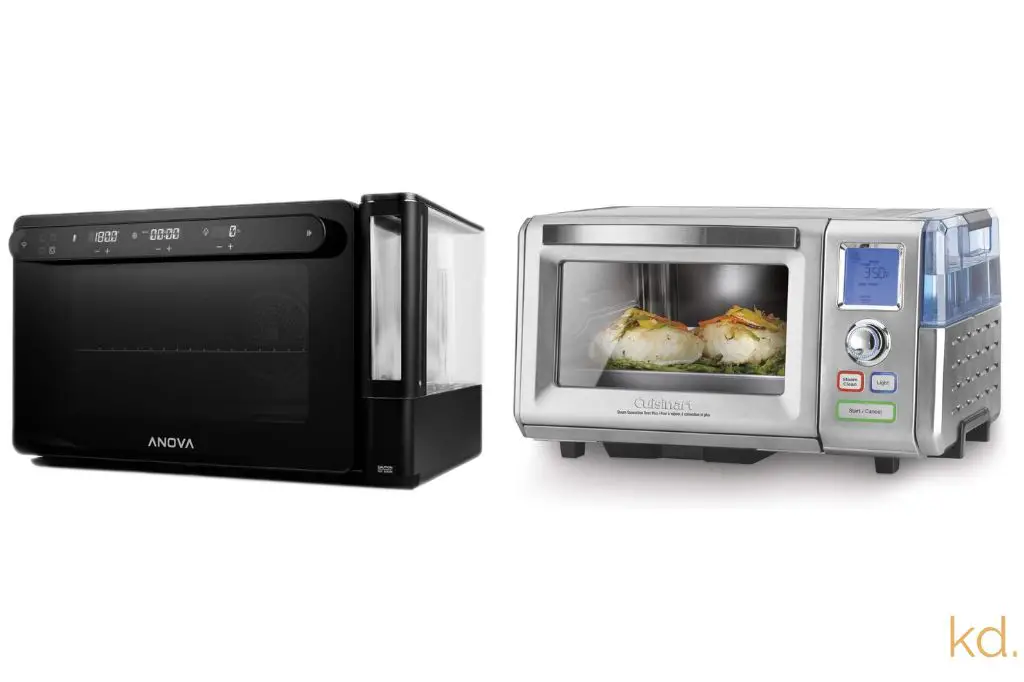
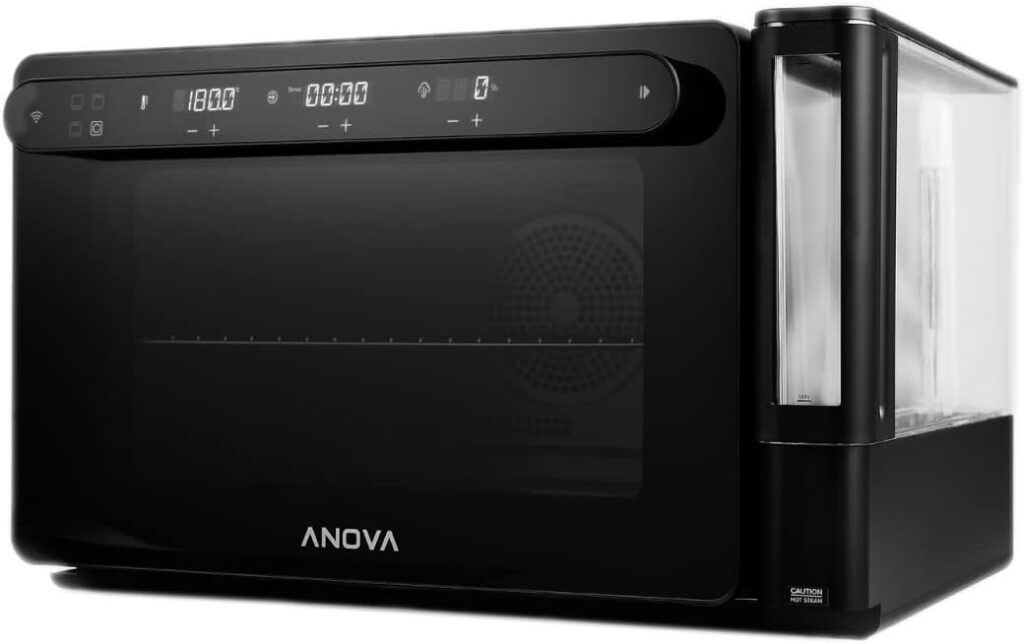
The Anova Precision Oven 2.0 isn’t just an upgrade—it’s a complete reimagining of what a countertop combi oven can do. This electric combi oven brings sous-vide precision to conventional cooking, offering temperature control down to a single degree.
What Makes It Special:
The standout feature here is the integrated steam functionality that maintains exact humidity levels. You can set precise steam percentages from 0% (pure convection) to 100% (full steam), which means you’re essentially getting infinite cooking modes. The WiFi connectivity lets you monitor and control your cooking from your phone, complete with guided recipes that walk you through professional techniques.
Pros:
- Incredibly precise temperature and humidity control
- Compact countertop design perfect for smaller kitchens
- Extensive recipe database with step-by-step guidance
- Sous-vide mode for restaurant-quality results
- Rear-mounted heating element maximizes usable space
- Self-descaling function for easy maintenance
Cons:
- Smaller capacity than full-size ovens
- Learning curve for advanced features
- Premium price point
- Requires WiFi for full functionality
Best For: Home chefs serious about precision cooking, bread bakers, and anyone wanting restaurant results at home.
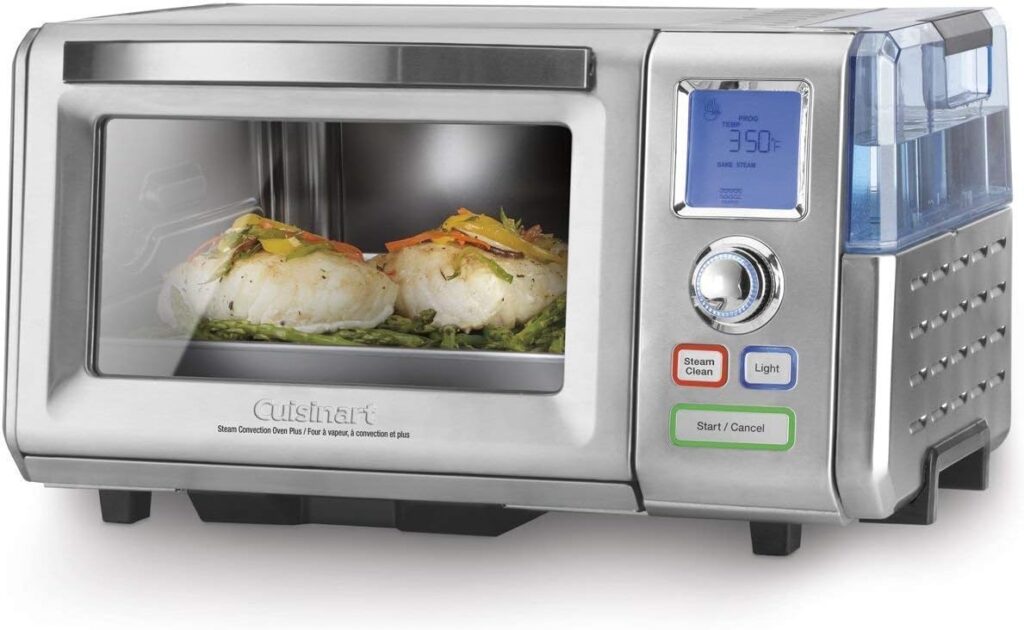
2. Cuisinart Steam & Convection Oven
If you’re looking for a more budget-friendly entry into the world of combi cooking, the Cuisinart Steam & Convection Oven deserves serious consideration as one of the best combi ovens under $500.
This small combi oven punches well above its weight class. While it doesn’t have all the bells and whistles of premium models, it delivers solid steam and convection performance at a fraction of the cost.
The Real Deal:
Cuisinart engineered this to be straightforward—fill the water reservoir, select your cooking mode, set the temperature and time, and you’re off. The 0.6 cubic foot capacity handles most everyday cooking tasks, from steaming fish to roasting vegetables to baking cookies.
Pros:
- Extremely affordable for a combi oven
- Simple, intuitive controls
- Decent capacity for a countertop unit
- Presets for common cooking tasks
- Removable drip tray for easy cleaning
- Glass door for monitoring progress
Cons:
- Limited manual control compared to high-end models
- Plastic components feel less durable
- Steam intensity isn’t adjustable
- No smartphone connectivity
- Temperature accuracy varies slightly
Best For: First-time combi oven buyers, budget-conscious cooks, and those wanting steam functionality without breaking the bank.
3. Miele DGC 7865X XL
Now we’re entering serious territory. The Miele DGC 7865X XL represents the gold standard in built-in combi steam ovens for residential use.
This German-engineered masterpiece is what happens when a century of appliance expertise meets modern cooking technology. It’s not just a combi oven—it’s a complete cooking system that can handle virtually any culinary challenge.
Engineering Excellence:
Miele’s XL cavity offers 68 liters of capacity, making it genuinely suitable for large families or entertaining. The MultiSteam technology uses injectors to distribute steam evenly throughout the cavity, ensuring uniform cooking results. The oven maintains precise temperature control across all cooking modes.
Pros:
- Exceptional build quality and longevity
- Massive capacity for a combi oven
- 19 operating modes covering every cooking scenario
- Automatic programs for foolproof results
- MasterChef guided cooking
- Wireless food probe for perfect doneness
- Self-cleaning with descaling programs
Cons:
- Requires professional installation
- Substantial investment (you’re buying an appliance that lasts decades)
- Learning all features takes time
- Needs dedicated space in your kitchen layout
Best For: Serious home cooks, those doing kitchen renovations, and anyone wanting the absolute best in combi oven technology.
4. RATIONAL iCombi Classic
The RATIONAL iCombi Classic brings commercial-grade performance to ambitious home cooks. This is the same technology used in professional kitchens worldwide, scaled to a size that works in larger residential settings.
Professional DNA:
RATIONAL pioneered intelligent cooking systems, and the iCombi Classic showcases decades of innovation. The self-learning iCookingControl automatically adjusts cooking parameters based on the load size, food type, and desired result. It’s like having a professional chef’s knowledge built into the machine.
Pros:
- Commercial durability built for heavy use
- Intelligent cooking system requires minimal intervention
- Consistent, repeatable results every time
- Multiple cooking methods in one unit
- Efficiency settings reduce energy consumption
- Self-cleaning system saves tremendous time
- Can handle large quantities
Cons:
- Requires 208-240V power (installation considerations)
- Commercial pricing structure
- Larger footprint requires space planning
- May be overkill for casual home cooking
Best For: Passionate home cooks, those who entertain frequently, home-based catering, and anyone wanting commercial capabilities at home.
5. APW Wyott XEEH-3 Countertop Combi Oven
The APW Wyott XEEH-3 strikes an interesting balance between commercial capability and countertop convenience, making it one of the best combi ovens for those with limited space but professional ambitions.
Compact Powerhouse:
Don’t let the compact size fool you—this electric combi oven delivers serious performance. With three full-size sheet pan capacity and programmable controls, it handles everything from breakfast pastries to dinner entrees with equal competence.
Pros:
- True commercial construction in countertop format
- Programmable cooking for consistency
- Efficient steam generation system
- Stackable design saves floor space
- Durable stainless steel construction
- 10 programmable menu settings
- Fast heat-up times
Cons:
- Limited to three pan capacity
- Requires adequate ventilation
- Learning commercial controls takes adjustment
- Higher power consumption than residential models
Best For: Small commercial spaces, serious home kitchens, catering operations, and those wanting commercial features without full-size requirements.
6. AccuTemp E62403D100 Evolution Combi Oven
The AccuTemp Evolution represents cutting-edge innovation in steam technology, featuring their patented Steam Vector Technology that delivers faster, more efficient steam generation than traditional boiler-based systems.
Innovation at Its Core:
Unlike conventional combi ovens that use boilers (which require maintenance and descaling), AccuTemp’s connectionless design eliminates the boiler entirely. Steam is generated instantly on demand, which means faster cooking, better efficiency, and virtually no maintenance.
Pros:
- Revolutionary connectionless steam technology
- No boiler means no descaling ever needed
- 40% faster cooking times in some applications
- Intuitive touchscreen controls
- Energy efficient operation
- Easy-Breath ventilation reduces exhaust requirements
- Four pan capacity in compact footprint
Cons:
- Higher initial investment
- Requires professional installation
- Advanced features need training time
- Limited third-party service options
Best For: Those wanting cutting-edge technology, busy kitchens needing faster throughput, and anyone tired of maintenance headaches.
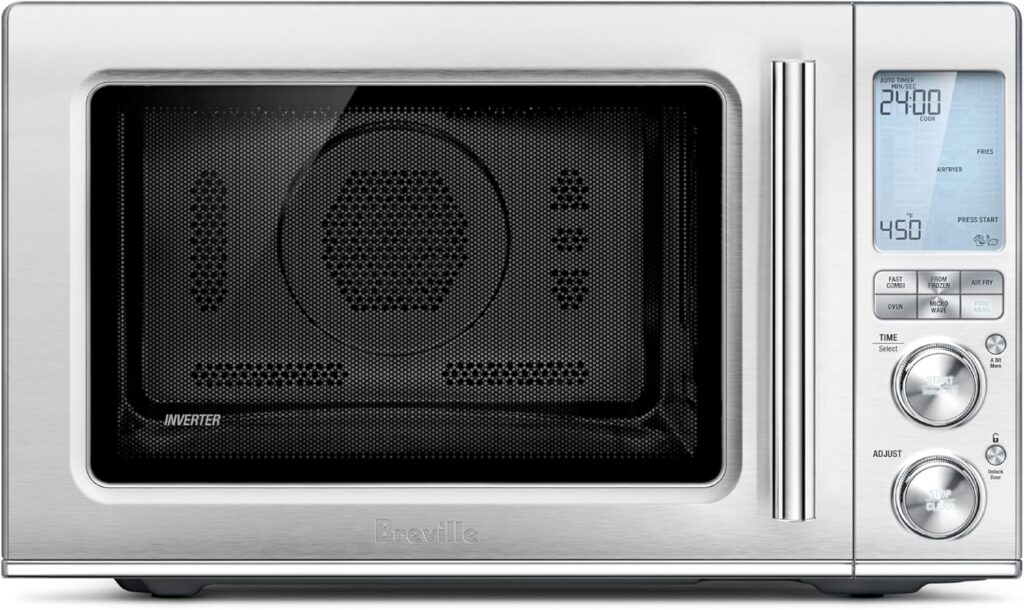
7. Breville Combi Wave 3-in-1
Rounding out our list is the Breville Combi Wave, which takes a different approach by combining an air fryer, microwave, and convection oven into one versatile unit.
The Swiss Army Knife Approach:
While not a traditional combi oven with steam, the Breville Combi Wave deserves mention for its innovative combination of cooking methods. The Element IQ system directs power where it’s needed, while the Fast Combi function combines microwave speed with air fryer and grill for faster, crisper results.
If you’re interested in air frying capabilities, check out our guide on how to use air fryer technology effectively.
Pros:
- Three appliances in one saves counter space
- Faster cooking than conventional methods
- Smart settings for common foods
- Decent capacity at 1.1 cubic feet
- Easy-to-clean interior
- Intuitive controls and display
- Great for reheating without sogginess
Cons:
- No true steam function like traditional combi ovens
- Microwave component limits some high-heat applications
- More complex than single-purpose appliances
- Requires learning optimal function combinations
Best For: Space-conscious kitchens, those wanting multiple cooking methods, fast-paced households, and anyone seeking versatility over specialization.
Comparison Table: Best Combi Ovens at a Glance
| Model | Type | Capacity | Cooking Modes | Control Type | Installation | Key Feature |
|---|---|---|---|---|---|---|
| Anova Precision 2.0 | Countertop Electric | 1.0 cu ft | Convection, Steam, Combo, Sous Vide | Digital/App | Plug-in | Precision humidity control |
| Cuisinart Steam & Convection | Countertop Electric | 0.6 cu ft | Convection, Steam, Combo | Digital | Plug-in | Budget-friendly |
| Miele DGC 7865X XL | Built-in Electric | 2.4 cu ft (68L) | 19 modes | Touchscreen | Professional | MultiSteam technology |
| RATIONAL iCombi Classic | Commercial Electric | 6-10 pans | Auto, Manual, Combo | Touchscreen | Professional | iCookingControl AI |
| APW Wyott XEEH-3 | Countertop Commercial | 3 pans | Convection, Steam, Combo | Programmable | Hardwired option | Compact commercial power |
| AccuTemp Evolution | Commercial Electric | 4 pans | Convection, Steam, Combo | Touchscreen | Professional | Connectionless steam |
| Breville Combi Wave | Countertop Electric | 1.1 cu ft | Microwave, Air Fry, Convection | Digital | Plug-in | 3-in-1 versatility |
The Ultimate Combi Oven Buying Guide
Now that we’ve covered the best options, let’s dive into what you need to know before making your purchase.
Understanding Combi Oven Technology
At its heart, a combi oven combines three essential cooking methods:
Convection Mode: Hot air circulates around food, creating even browning and cooking. Perfect for roasting, baking, and achieving crispy exteriors.
Steam Mode: Pure steam cooking preserves nutrients, maintains moisture, and gently cooks delicate items. Ideal for vegetables, fish, and reheating without drying.
Combination Mode: The magic happens here. By using steam and convection simultaneously, you can roast meats that stay juicy inside while developing perfectly crispy skin, or bake bread with professional-quality crusts and crumb structure.
Size and Capacity Considerations
Countertop vs. Built-in:
Countertop models like the Anova Precision or Cuisinart offer flexibility and no installation requirements. They’re perfect for renters, those with existing oven setups, or anyone wanting to test combi cooking before committing to a built-in.
Built-in units like the Miele integrate seamlessly into your kitchen design and typically offer larger capacities, but require professional installation and cabinet modifications.
Capacity Reality Check:
A 1.0 cubic foot countertop combi oven handles daily cooking for 2-4 people comfortably. You can fit a whole chicken, multiple sheet pans of cookies, or several servings of vegetables.
Commercial-style units with 3-6 pan capacity serve larger families, frequent entertainers, or those doing meal prep in quantity.
Power Requirements Matter
Small combi ovens typically run on standard 120V household current—just plug them in. However, many high-performance models require 208-240V circuits, which means:
- Professional electrical installation
- Potential electrical panel upgrades
- Additional installation costs beyond the unit itself
Check your electrical capacity before falling in love with a model that needs power your home doesn’t currently provide.
Water Connection Types
Manual Fill: Most countertop combi ovens use removable water tanks you fill manually. This offers placement flexibility but requires refilling during extended cooking sessions.
Direct Connection: Commercial and some high-end residential models connect directly to your water line. This provides unlimited steam capability but requires professional plumbing installation and proper water filtration to prevent mineral buildup.
Steam Generation Methods
Boiler-based Systems: Traditional approach using a heating element to boil water. Proven technology but requires periodic descaling maintenance.
Injection Systems: Like the AccuTemp Evolution, these generate steam on demand without a boiler. Faster, more efficient, and virtually maintenance-free but typically more expensive upfront.
Direct Steam: Some systems spray water directly onto heating elements. Simple and effective for smaller units but may not provide the same steam consistency as boiler systems.
Control and Programming Features
Manual Controls: Basic temperature, time, and mode selection. Simple to understand but requires more active cooking involvement.
Programmable Settings: Store your favorite cooking programs for one-touch operation. Great for foods you prepare regularly.
Smart Connectivity: App control, remote monitoring, and guided recipes transform the cooking experience. The Anova excels here, but connectivity adds cost and potential technical complications.
Automatic Cooking: Systems like RATIONAL’s iCookingControl make decisions for you based on sensors and algorithms. Foolproof but removes some creative control.
Maintenance and Cleaning
This is huge and often overlooked. Consider:
Descaling Requirements: Hard water creates mineral buildup in steam systems. Some units need descaling weekly, others monthly. Connectionless systems like AccuTemp avoid this entirely.
Self-Cleaning Features: High-end models offer automated cleaning cycles. This convenience is worth serious consideration if you’ll use your combi oven daily.
Removable Components: Can you easily remove and clean drip trays, water tanks, and racks? This impacts long-term satisfaction significantly.
Energy Efficiency
Electric combi ovens generally outperform traditional ovens in efficiency because:
- Precise temperature control prevents energy waste
- Combination cooking reduces cooking times
- Better insulation retains heat
- Steam cooking uses less energy than conventional methods
Look for Energy Star ratings on residential models and efficiency certifications on commercial units.
Budget Considerations
Entry-Level ($300-$600): Models like the Cuisinart offer basic combi functionality. Great for trying the technology but with limited features and durability.
Mid-Range ($1,000-$3,000): The Anova Precision and similar units provide excellent performance, smart features, and reliability for serious home cooking.
Premium Residential ($5,000-$12,000): Built-in models like the Miele offer professional capabilities, longevity, and integration into custom kitchens.
Commercial ($8,000-$25,000+): RATIONAL, AccuTemp, and similar brands provide bulletproof construction, advanced features, and capacities for heavy use.
Key Questions Before Buying
How often will you actually use steam cooking? If rarely, a traditional convection oven might suffice. If regularly, a combi oven becomes invaluable.
What’s your primary cooking style? Bread bakers need excellent steam control. Roasting enthusiasts want powerful convection. Identify your priorities.
Do you have the space and infrastructure? Measure carefully and verify electrical requirements before purchasing.
What’s your technical comfort level? Complex systems with extensive programming suit tech-savvy cooks. Simple controls work better for those wanting straightforward operation.
How important is warranty and service? Premium brands offer better support networks. Consider this especially for commercial-style units.
Common Mistakes to Avoid
- Buying based on capacity alone – A larger oven that’s inefficient or hard to use serves you poorly.
- Ignoring installation requirements – That amazing built-in won’t work if your kitchen can’t accommodate it.
- Underestimating the learning curve – Advanced combi ovens require time to master. Be ready to invest in learning.
- Skipping the manual – These aren’t conventional ovens. Reading instructions unlocks their full potential.
- Neglecting maintenance – Regular cleaning and descaling (when required) ensures longevity and performance.
Final Thoughts: Which Combi Oven Is Right for You?
After testing and researching these best combi ovens extensively, here’s my honest take:
For Most Home Cooks: The Anova Precision Oven 2.0 offers the best balance of features, performance, and price. It’s genuinely transformative for everyday cooking while remaining accessible and countertop-friendly.
For Budget-Conscious Buyers: The Cuisinart Steam & Convection Oven provides a solid introduction to combi cooking without the premium price tag. It’s perfect for testing whether this cooking method fits your lifestyle.
For Kitchen Renovation Projects: If you’re doing a full kitchen remodel and cooking is central to your life, the Miele DGC 7865X XL is worth the investment. It’s an appliance you’ll use for decades.
For Commercial or Heavy Home Use: The RATIONAL iCombi Classic and AccuTemp Evolution deliver professional-grade performance with the reliability to handle daily heavy use.
For Space-Saving Versatility: The Breville Combi Wave combines multiple functions in one compact unit, though it sacrifices true steam capability for broader functionality.
The best combi oven for you ultimately depends on your specific cooking needs, kitchen setup, and budget. But one thing’s certain: once you experience the precision and versatility of combination cooking, you’ll wonder how you ever managed without it.
Whether you’re steaming vegetables while roasting chicken, baking artisan bread with professional crusts, or simply reheating leftovers without turning them into cardboard, a quality combi oven elevates every aspect of your cooking game.
Ready to revolutionize your kitchen? Any of these seven combi ovens will serve you well—just choose the one that best fits your cooking style, space, and budget. Your future self (and dinner guests) will thank you.
For more kitchen equipment insights, explore our guides on oven brands and home ovens to round out your cooking setup!