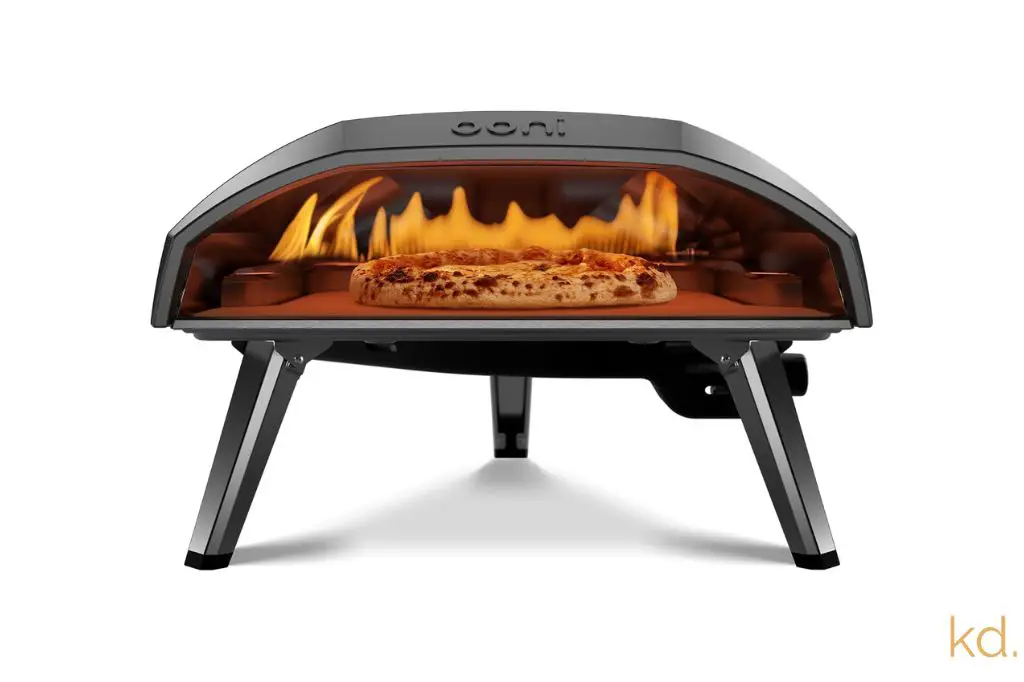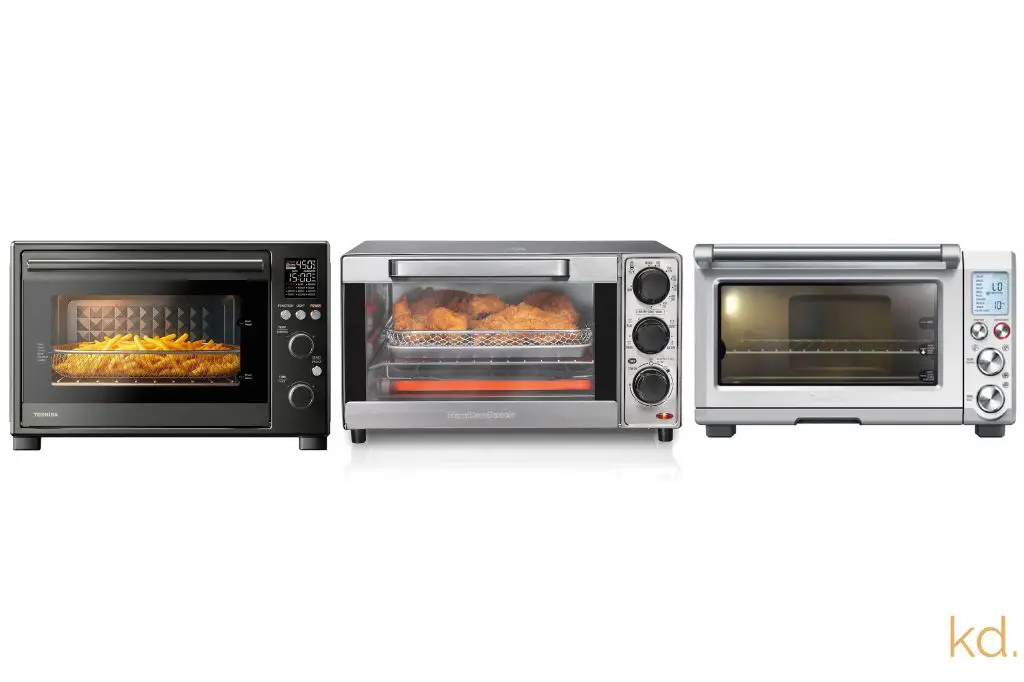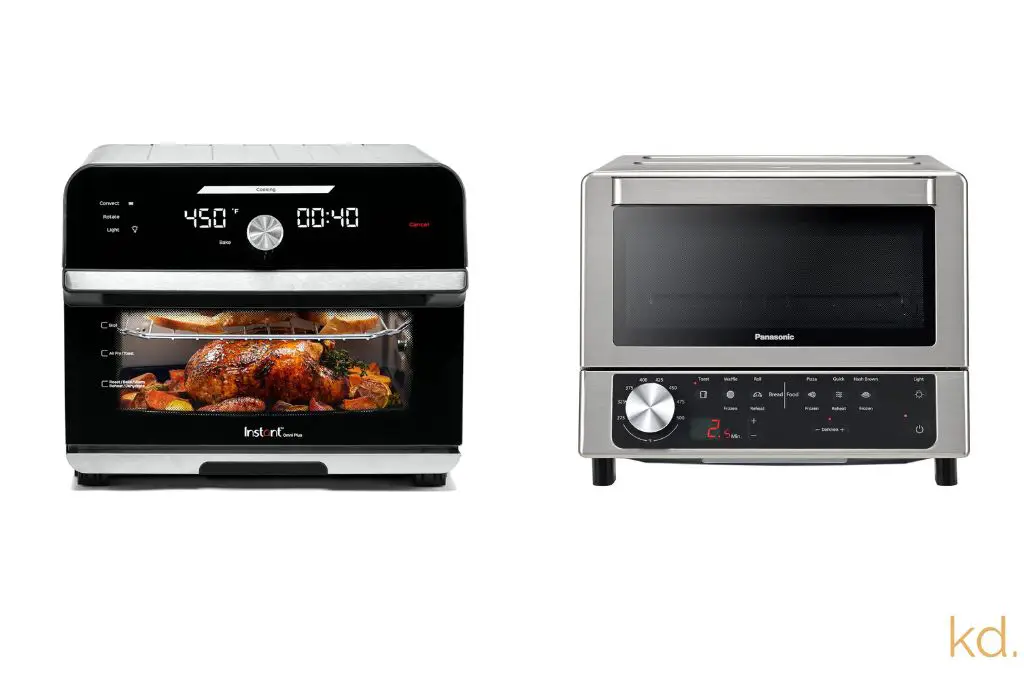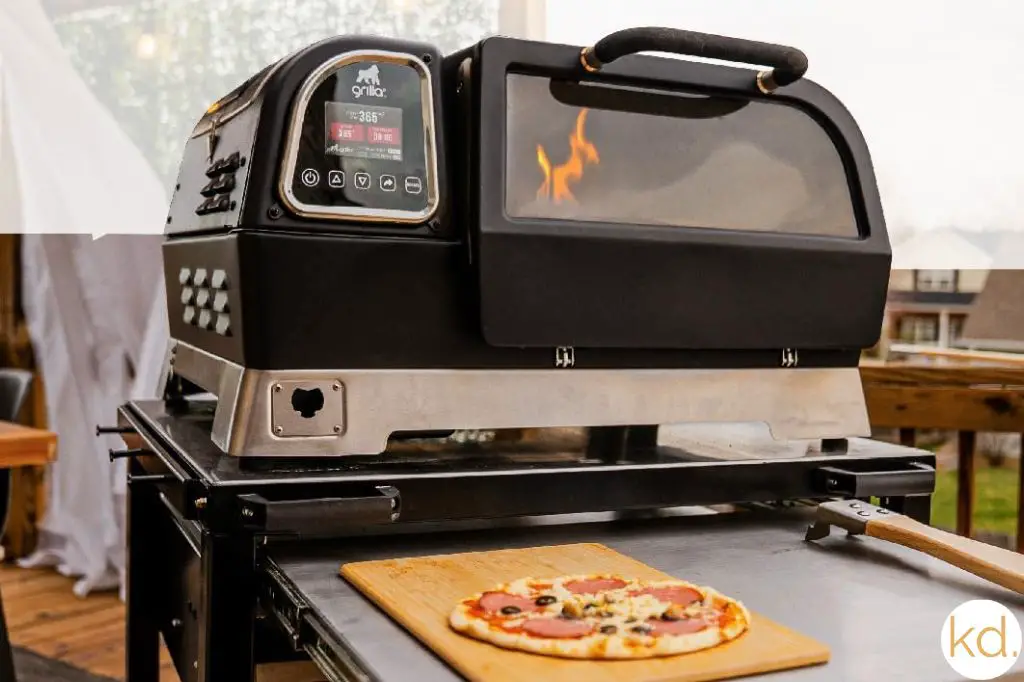
Craving restaurant-quality pizza at home? You’re not alone! If you’re tired of soggy microwave pizzas and underwhelming results from your conventional home oven, an electric pizza oven might be exactly what you need. These specialized appliances have revolutionized home cooking, bringing authentic pizzeria-style results right to your kitchen counter.
Whether you’re a pizza enthusiast looking to perfect your dough game or simply want quick, delicious meals for family night, electric pizza ovens deliver consistent, high-quality results that’ll make you wonder why you didn’t invest in one sooner.
Let’s dive into everything you need to know about choosing the perfect Electric Pizza Oven for your needs!
Quick Links for Best Electric Pizza Ovens
Here are all the electric pizza ovens mentioned in the article:
- Breville Smart Oven Pizzaiolo
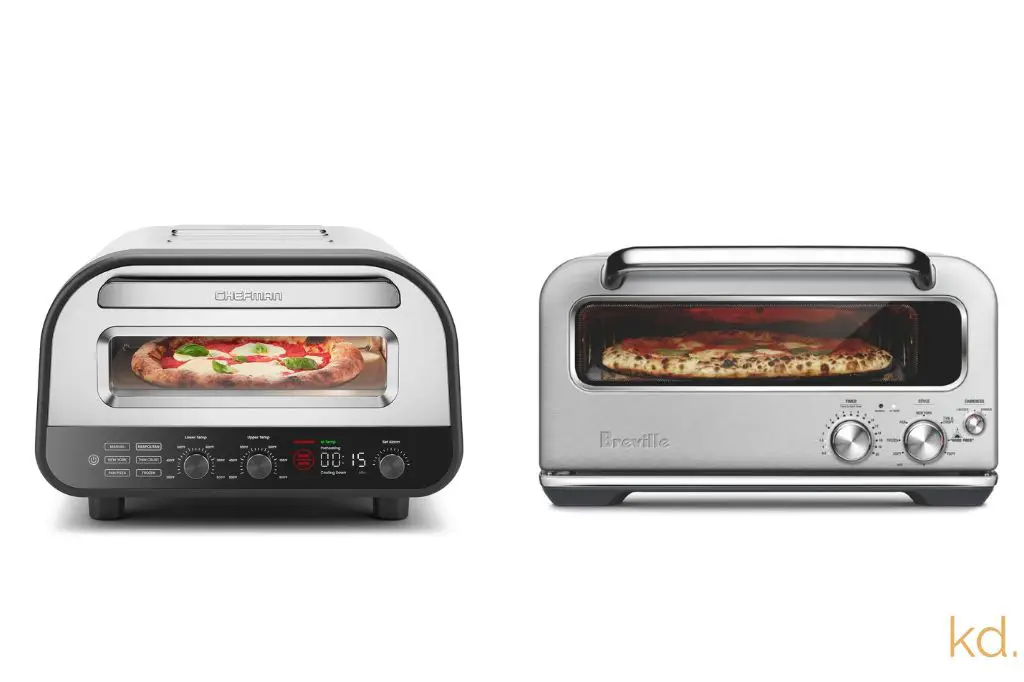
- Cuisinart Electric Pizza Oven
- Ninja Woodfire Outdoor Oven
- Chefman Electric Pizza Oven
- Piezano Electric Pizza Maker
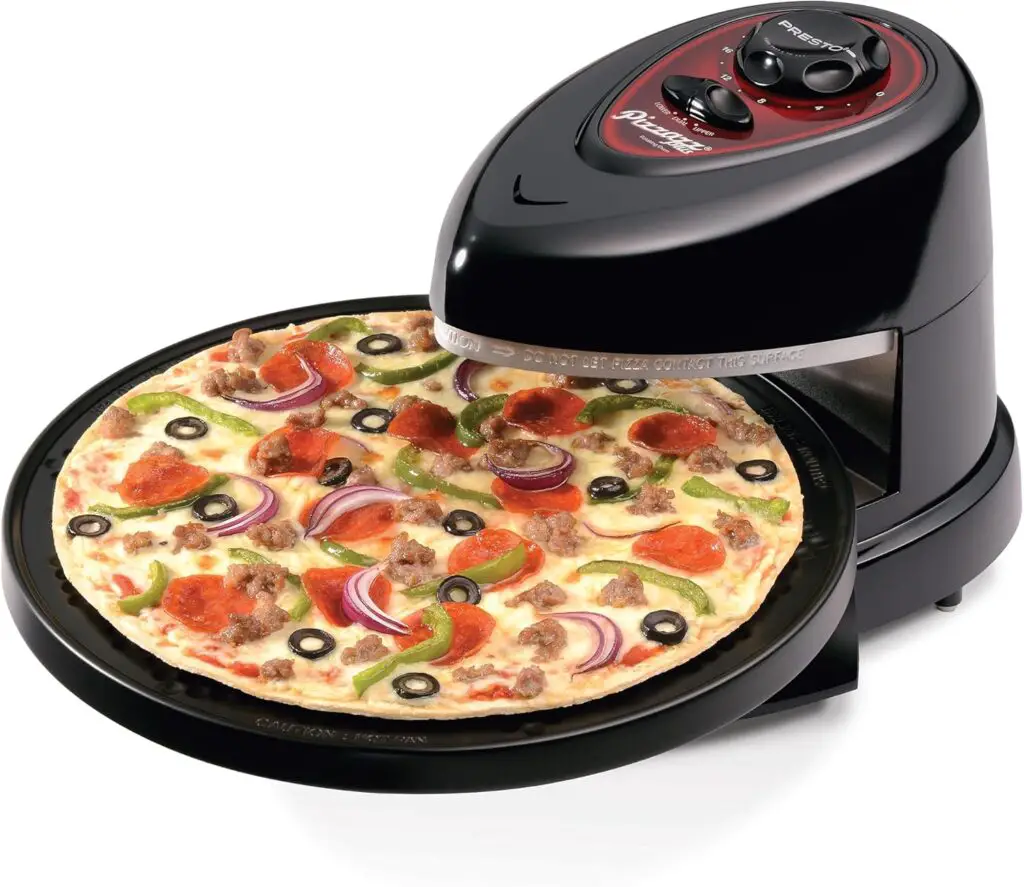
- Presto Pizzazz Plus Rotating Pizza Oven
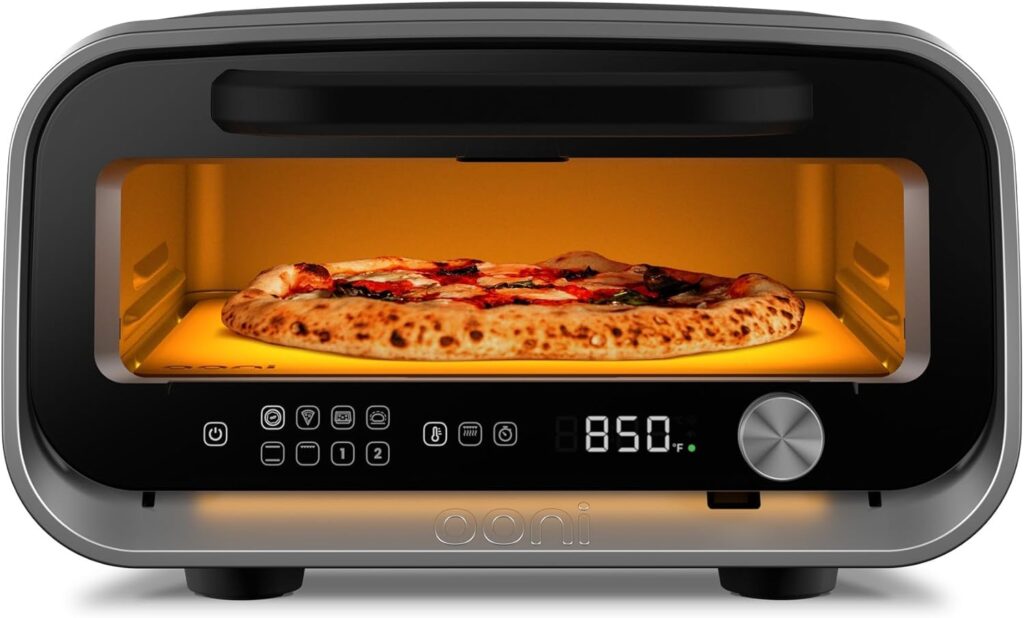
- Ooni Volt 12 Electric Pizza Oven
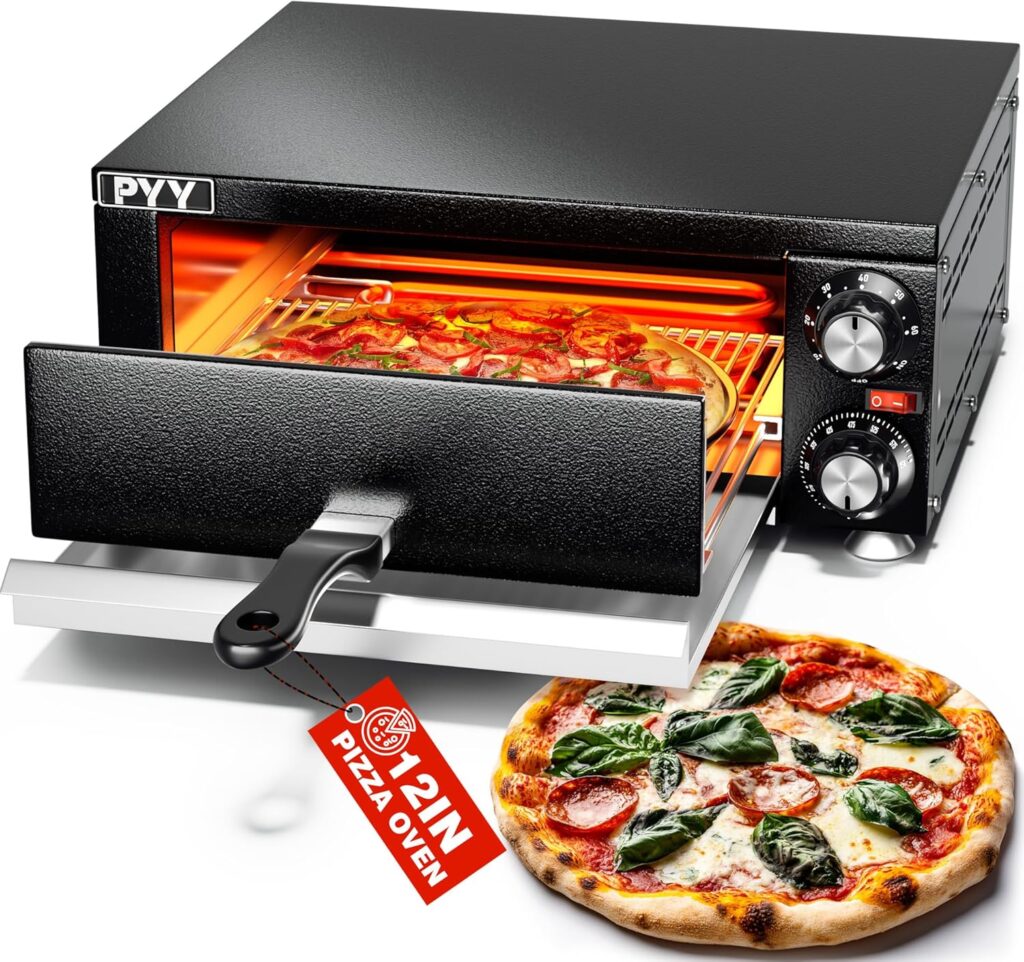
- Pyy Pizza Maker Electric Oven
What Makes Electric Pizza Ovens Special?
Electric pizza ovens aren’t just fancy kitchen gadgets – they’re purpose-built cooking machines designed to replicate the intense, even heat of traditional wood-fired or commercial pizza ovens. Unlike your standard kitchen oven that maxes out around 500°F, quality electric pizza ovens can reach temperatures between 700-900°F, creating that coveted crispy crust with a perfectly melted, bubbling cheese top.
The magic happens through specialized heating elements positioned both above and below the pizza, ensuring even cooking from all angles. This dual-heat approach means you get a crispy bottom crust without burning the toppings – something that’s notoriously difficult to achieve in conventional ovens.
According to Wikipedia’s pizza oven article, traditional pizza ovens have been used for centuries, but modern electric versions bring that same performance in a compact, countertop-friendly package. They heat up faster, maintain consistent temperatures better, and use significantly less energy than firing up your full-size oven.
Best Electric Pizza Ovens: Detailed Reviews
Breville Smart Oven Pizzaiolo
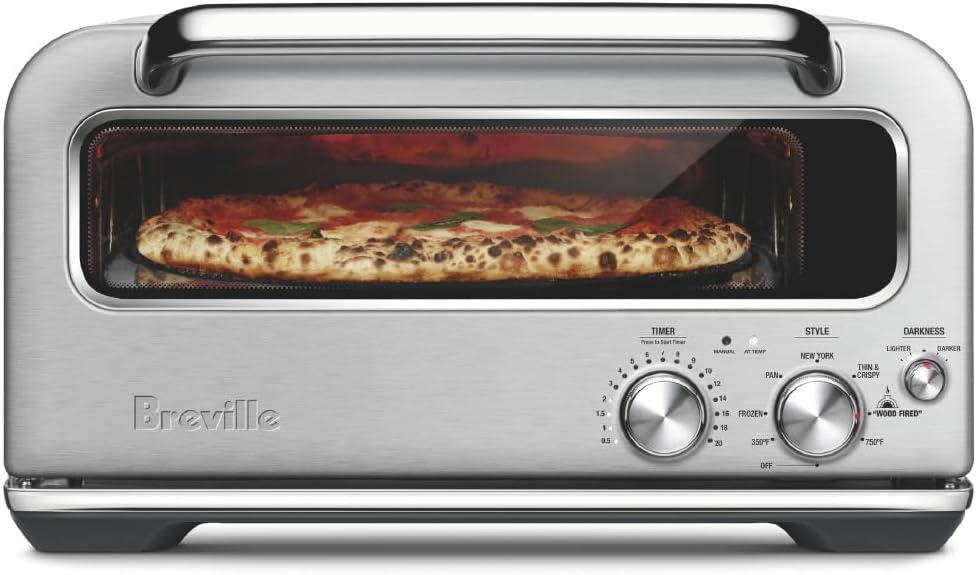
The Breville Smart Oven Pizzaiolo is the crown jewel of countertop pizza ovens, and for good reason. This premium appliance reaches a scorching 750°F, delivering authentic Neapolitan-style pizzas in just 2 minutes.
Pros:
- Reaches professional-grade temperatures (750°F)
- Multiple preset cooking functions for different pizza styles
- Element IQ technology distributes heat intelligently
- Accommodates 12-inch pizzas
- Built-in temperature probe for precision cooking
- Excellent build quality and durability
Cons:
- Larger footprint requires significant counter space
- Premium price point
- Heavier than most competitors
- Longer preheat time (around 15-20 minutes)
The Breville features seven dedicated cooking modes: Wood Fired (750°F), New York style (650°F), Pan Pizza, Thin & Crispy, Frozen, and manual mode. The intuitive LCD screen makes navigation simple, and the interior coating ensures easy cleanup. If you’re serious about pizza and have the budget and counter space, this is your machine.
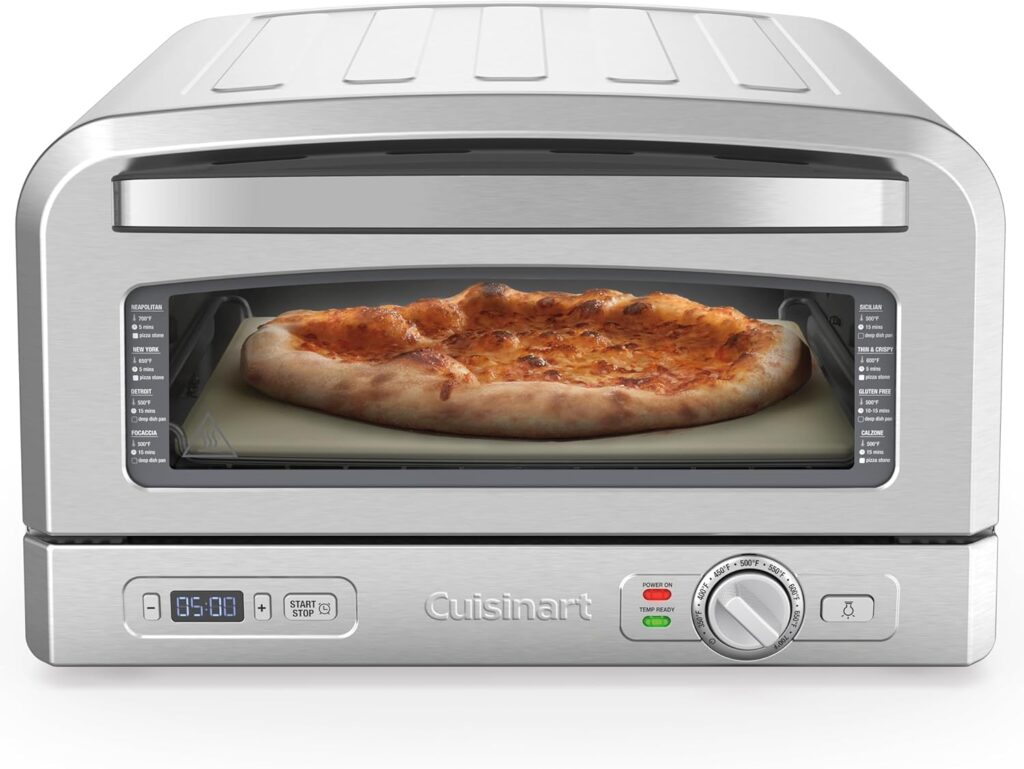
Cuisinart Indoor Electric Pizza Oven
Cuisinart brings its reliable reputation to the pizza oven market with the electric pizza oven, an indoor electric pizza oven that bridges the gap between convenience and performance.
Pros:
- Cordless design perfect for indoor entertaining
- Reaches 700°F for authentic results
- Compact and portable
- Dual heating elements ensure even cooking
- Includes pizza peel and stone
- Weather-resistant construction
Cons:
- Smaller cooking surface (10-inch max)
- Not suitable for outdoor use due to ventilation needs
This innovative oven is perfect for backyard gatherings, camping trips, or tailgating. The indoor design means you’re not tethered to an outlet, though you’ll need to plan ahead and ensure there’s an electric circuit before your pizza party.
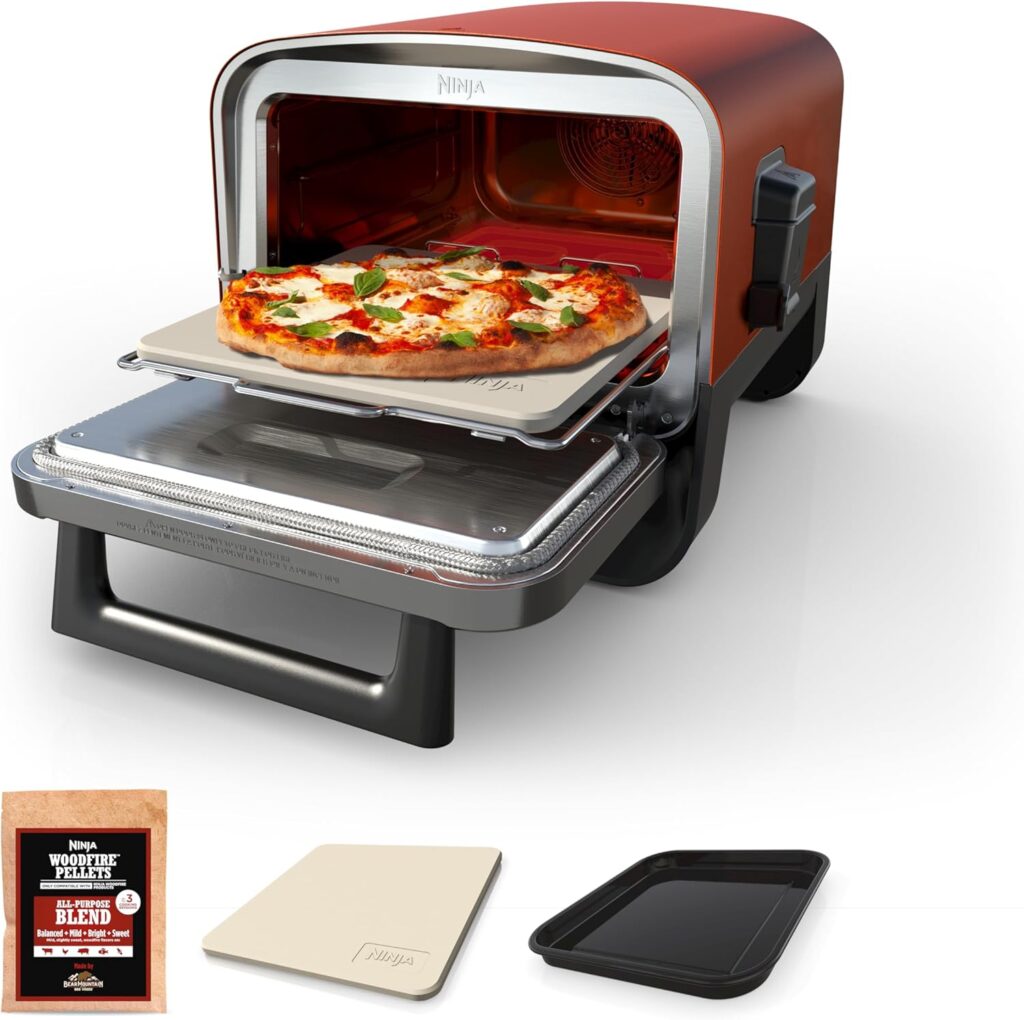
Ninja Woodfire Outdoor Electric Oven
The Ninja Woodfire Outdoor Oven brings versatile cooking capabilities beyond just pizza, making it an excellent multi-purpose investment.
Pros:
- Eight-in-one functionality (pizza, roast, air fry, bake, broil, dehydrate, keep warm)
- Woodfire flavor technology adds authentic smoky taste
- Reaches 700°F quickly
- Weatherproof for outdoor use
- Indoor/outdoor versatility
- Large 12-inch pizza capacity
Cons:
- Pellet refills needed for wood-fired flavor
- More complex operation than dedicated pizza ovens
- Higher learning curve for optimal results
- Bulkier design
What sets the Ninja apart is its ability to infuse real wood-fired flavor using food-grade wood pellets while maintaining the convenience of electric operation. It’s like having a traditional oven and a smoker combined in one unit.
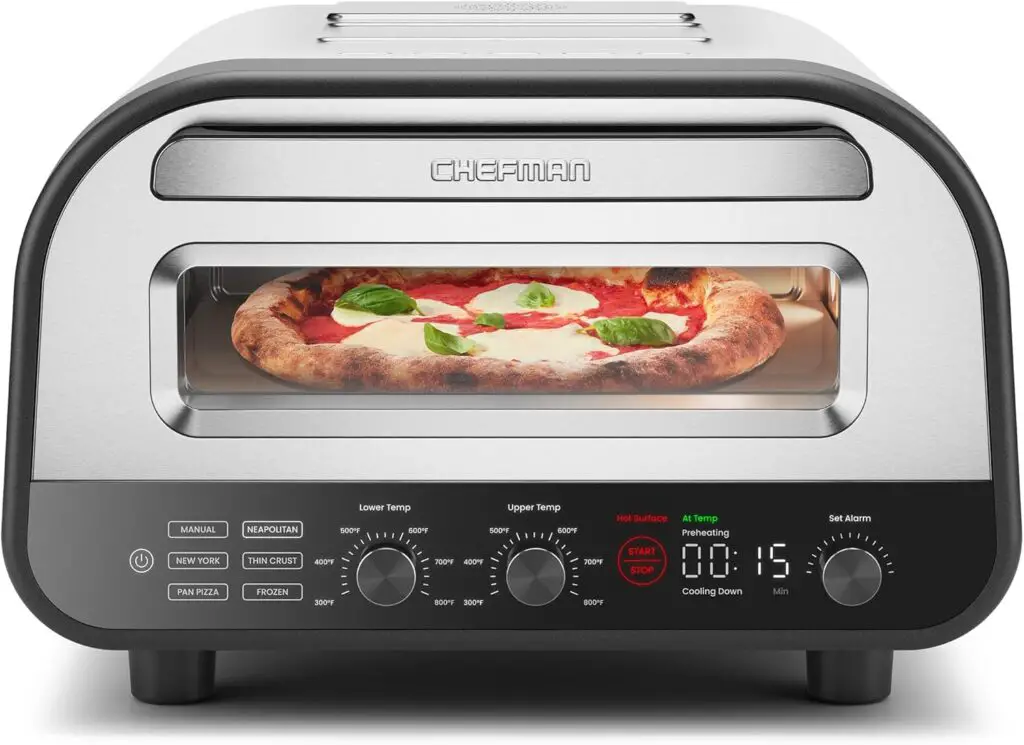
Chefman Electric Pizza Oven
For budget-conscious pizza lovers, the Chefman Electric Pizza Oven delivers solid performance without breaking the bank.
Pros:
- Extremely affordable entry point
- Compact design fits easily on counters
- Dual heating elements
- Reaches 450°F (adequate for most pizzas)
- Includes pizza stone and cutter
- Simple, straightforward operation
Cons:
- Lower maximum temperature limits artisan-style results
- Smaller 12-inch capacity
- Basic temperature controls
- Plastic exterior feels less premium
- No preset cooking programs
While it won’t match the performance of high-end models, the Chefman is perfect for beginners or occasional pizza makers who want decent results without the investment. It’s particularly good for frozen pizzas and reheating leftover slices.
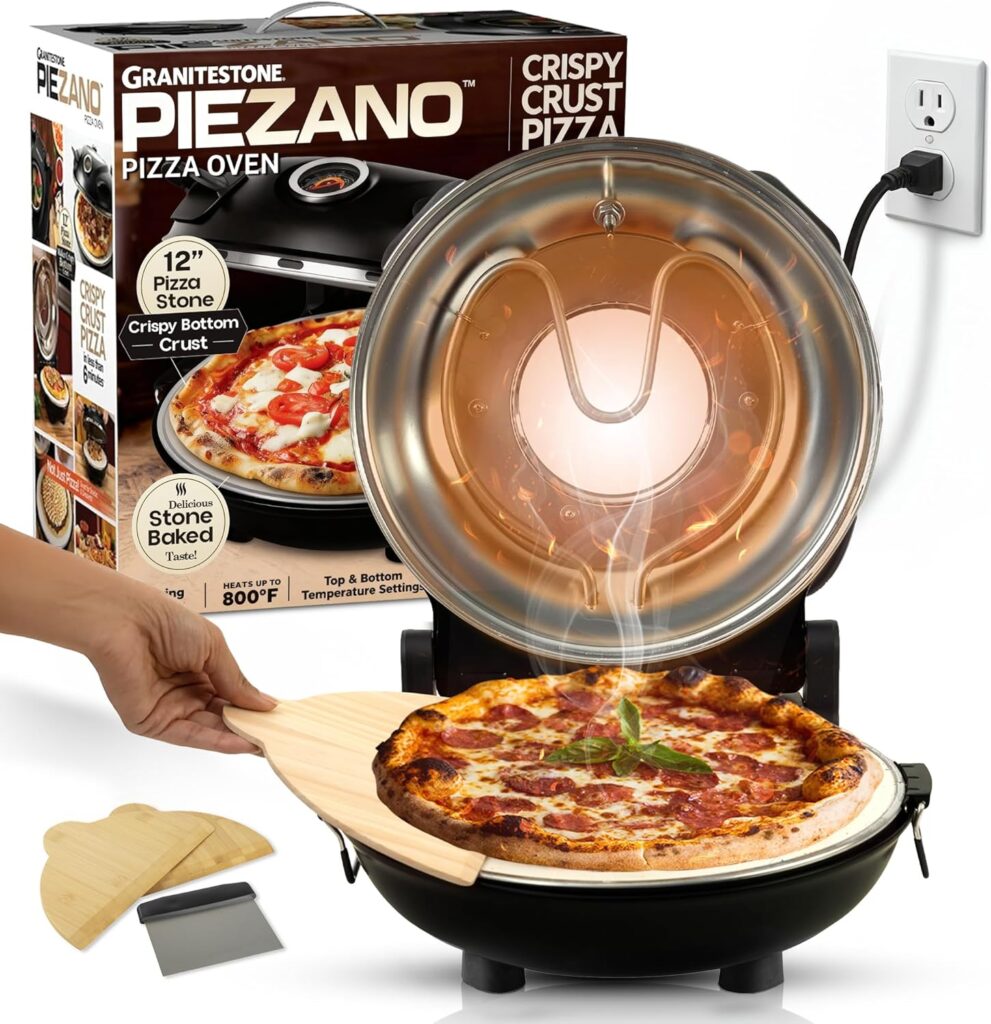
Piezano Electric Pizza Maker
The Piezano takes a different approach with its rotating stone design, promising evenly cooked pizzas every time.
Pros:
- Unique rotating stone ensures even cooking
- Compact, space-saving design
- Quick 5-minute cooking time
- Easy to clean removable components
- Budget-friendly pricing
- Good for smaller personal pizzas
Cons:
- Limited to 10-inch pizzas
- Lower maximum temperature (460°F)
- Rotating mechanism can be noisy
- Less versatile than oven-style models
- Plastic construction feels lightweight
The rotating design is genuinely innovative, constantly moving your pizza for perfectly even browning. It’s ideal for apartment dwellers or anyone with limited kitchen space who still wants homemade pizza options.
Presto Pizzazz Plus Rotating Pizza Oven
A classic in the budget category, the Presto Pizzazz Plus has been a household name for years.
Pros:
- Extremely affordable
- Cooks from frozen without defrosting
- Rotating system prevents hot spots
- Top and bottom heating elements independently controlled
- Minimal counter space required
- Great for other foods (cookies, quesadillas, appetizers)
Cons:
- Maximum 12-inch pizzas only
- Lower heat output than premium models
- Open design can create kitchen heat
- Longer cooking times (11-13 minutes)
- Basic appearance and construction
This is the workhorse of electric pizza ovens – nothing fancy, but it gets the job done reliably for frozen pizzas and simple homemade pies.
Ooni Volt 12 Electric Pizza Oven
Ooni made its name with portable outdoor pizza ovens, and the Volt 12 brings that expertise indoors with full electric operation.
Pros:
- Professional 850°F capability
- Boost mode for ultra-fast cooking (90 seconds!)
- Sleek, modern design
- Indoor-safe operation with proper ventilation
- Precise digital temperature control
- Excellent heat retention
Cons:
- Premium price tag
- Requires dedicated 20-amp outlet
- Heavy and not truly portable despite size
- Learning curve for optimal results
- Limited to 12-inch pizzas
The Ooni Volt represents the pinnacle of electric pizza oven technology, bringing restaurant-level performance to home kitchens. If you’re passionate about pizza craft and want the absolute best results, this is worth the investment.
Pyy Pizza Maker Electric Oven
A newer entry to the market, the Pyy offers competitive features at a mid-range price point.
Pros:
- Fast heating to 662°F
- Dual-layer heating system
- Stainless steel construction
- Includes pizza stone and peel
- Timer function with automatic shutoff
- Good value for performance
Cons:
- Lesser-known brand with limited support
- Mid-sized 11-inch capacity
- Instructions could be clearer
- Inconsistent temperature regulation reported by some users
- Limited availability
The Pyy represents good value if you’re willing to take a chance on a less-established brand. Performance is generally solid, though quality control can be inconsistent.
Comparison Table: Electric Pizza Oven Features
| Model | Max Temp | Pizza Size | Heating Time | Weight | Indoor/Outdoor | Special Features |
|---|---|---|---|---|---|---|
| Breville Pizzaiolo | 750°F | 12″ | 15-20 min | 45 lbs | Indoor | 7 preset modes, Element IQ |
| Cuisinart Alfrescamore | 700°F | 10″ | 10 min | 22 lbs | Outdoor | Cordless operation |
| Ninja Woodfire | 700°F | 12″ | 12 min | 35 lbs | Both | 8-in-1, wood pellet flavor |
| Chefman | 450°F | 12″ | 8 min | 15 lbs | Indoor | Budget-friendly |
| Piezano | 460°F | 10″ | 5 min | 12 lbs | Indoor | Rotating stone |
| Presto Pizzazz | 425°F | 12″ | 11-13 min | 8 lbs | Indoor | Rotating, open design |
| Ooni Volt 12 | 850°F | 12″ | 20 min | 39 lbs | Indoor | Boost mode, professional grade |
| Pyy | 662°F | 11″ | 10 min | 25 lbs | Indoor | Dual-layer heating |
Complete Buying Guide for Electric Pizza Ovens
Temperature Capabilities Matter
Temperature is arguably the most critical factor in achieving authentic pizza results. Here’s what you need to know:
Entry-Level (400-500°F): Suitable for frozen pizzas, reheating, and basic homemade pies. You’ll get decent results, but won’t achieve that restaurant-quality crispy crust with charred spots that pizza enthusiasts crave.
Mid-Range (600-700°F): This sweet spot delivers excellent results for most pizza styles. You can make authentic Neapolitan-style pizzas, New York thin crust, and everything in between. Most serious home pizza makers should target this range.
Professional-Grade (750-900°F): These temperatures replicate traditional wood-fired ovens, creating pizzas in 90 seconds to 2 minutes with authentic char and texture. Only necessary if you’re truly passionate about artisan pizza-making.
Size and Capacity Considerations
Think about your typical pizza needs:
Personal Size (8-10″): Perfect for individuals or couples, these compact ovens save counter space but limit your options for entertaining. Similar to choosing a mini oven for your kitchen, consider if the size meets your typical usage.
Standard Size (12″): The most versatile option, accommodating most commercial frozen pizzas and homemade creations for small families.
Large Format (13-16″): Ideal for families or frequent entertainers, though these require significantly more counter space and often command higher prices.
Indoor vs. Outdoor Models
Indoor Models:
- Compact and countertop-friendly
- Available year-round regardless of weather
- Easier to clean and maintain
- Generally lower maximum temperatures
- May create additional kitchen heat
Outdoor Models:
- Higher temperature capabilities
- Don’t heat up indoor spaces
- Perfect for entertaining
- Weather-dependent usage
- Require storage space
- Often more durable construction
Essential Features to Look For
Heating Elements: Dual heating (top and bottom) is non-negotiable for quality results. Some premium models add additional side elements or convection fans for even better heat distribution.
Temperature Control: Look for precise digital controls rather than basic low/medium/high settings. The ability to fine-tune temperature by 25-50°F makes a significant difference in final results.
Timer Functions: Built-in timers with automatic shutoff prevent overcooking and improve safety. Many models now offer notifications or alarms when your pizza is ready.
Included Accessories: Pizza stones, peels, and cutters add value. Higher-end models may include recipe books, dough docker, or even specialty pans for different styles.
Cleaning Ease: Removable components, non-stick coatings, and accessible interiors make maintenance much simpler. Consider how much effort you’re willing to invest in cleanup after your pizza nights.
Power Requirements
Most countertop electric pizza ovens operate on standard 120V household outlets, but high-performance models may require 20-amp circuits or even 240V connections. Before purchasing, verify your kitchen’s electrical capacity, especially for professional-grade ovens.
Installing a dedicated circuit isn’t complicated but does require an electrician, adding to your total investment. Factor this potential additional cost when considering premium models.
Budget Considerations
Under $100: Basic models suitable for frozen pizzas and occasional use. Don’t expect artisan results, but perfect for casual pizza lovers.
$100-$300: Mid-range sweet spot with solid performance, better temperature control, and improved durability. Most home cooks will be satisfied here.
$300-$600: Premium features including higher temperatures, better construction, and advanced controls. Worth it for pizza enthusiasts who cook frequently.
$600+: Professional-grade performance for serious home cooks. Only justified if pizza-making is a genuine passion and you’ll use it regularly.
Brand Reputation and Support
Stick with established brands when possible. Companies like Breville, Cuisinart, and Ninja offer better customer service, readily available replacement parts, and honored warranties. Lesser-known brands may offer attractive prices but could leave you stranded if issues arise.
Research warranty terms carefully. Quality ovens should offer at least one year of coverage, with premium models extending to 2-3 years.
Common Mistakes to Avoid
Underestimating Space Requirements
Electric pizza ovens need clearance on all sides for proper ventilation. Measure your available counter space before purchasing, accounting for the manufacturer’s recommended clearances (typically 4-6 inches on all sides). Don’t forget to consider vertical clearance for models with lifting lids or doors.
Ignoring Preheating Time
Many first-time buyers don’t realize that quality results require thorough preheating. Budget 15-30 minutes before cooking, depending on your model. If you’re an impulse pizza maker who wants dinner ready immediately, factor this into your decision.
Overlooking Versatility
Some electric pizza ovens excel at pizza but little else, while others function as multi-purpose cooking appliances. If counter space is limited, consider models that can also bake, roast, or air fry to maximize utility.
Neglecting Maintenance Needs
Like any specialized appliance, electric pizza ovens require regular cleaning and occasional maintenance. Pizza stones need seasoning, heating elements collect residue, and some components require careful handling. Understand the maintenance commitment before purchasing.
Tips for Perfect Pizza Every Time
Master Your Dough
Even the best electric pizza oven can’t fix poor dough. Invest time in developing your recipe or finding quality store-bought options. Proper fermentation (24-72 hours cold rise) develops flavor and improves texture significantly.
Temperature and Timing Balance
Higher temperatures require shorter cook times. Don’t simply crank your oven to maximum for every pizza – match temperature to your pizza style. Neapolitan pizzas love 700°F+ for 90 seconds, while deep-dish pies need moderate heat (450°F) for 20-25 minutes.
Preheat Your Stone Properly
Your pizza stone needs time to fully heat through. Most manufacturers recommend 30 minutes minimum, though 45-60 minutes produces optimal results. A properly heated stone prevents soggy bottoms and creates better oven spring.
Rotate for Even Cooking
Even with dual heating elements, most ovens have slight hot spots. Rotate your pizza 180 degrees halfway through cooking for perfectly even browning. Some models do this automatically, but manual rotation gives you control.
Experiment with Placement
Don’t always center your pizza. Sometimes positioning it slightly toward the back or front optimizes cooking based on your specific oven’s heat distribution. Take notes and adjust based on results.
Maintenance and Care
Daily Cleaning
After each use, allow your oven to cool completely before cleaning. Wipe interior surfaces with a damp cloth, avoiding harsh chemicals that can damage coatings or flavor subsequent pizzas. Remove and clean the pizza stone separately according to manufacturer instructions (often just scraping and brushing, never soap).
Weekly Deep Clean
Remove all components and thoroughly clean heating elements (when cool), door gaskets, and any removable parts. Check for built-up residue that could affect heating efficiency or create smoke during operation.
Monthly Maintenance
Inspect electrical connections, door seals, and heating elements for wear. Test temperature accuracy with an oven thermometer. If readings are consistently off, calibration may be necessary (consult your manual).
Storage Considerations
If storing your oven between uses, ensure it’s completely clean and dry to prevent mold or odor development. Store in a climate-controlled environment to protect electronic components.
Making the Most of Your Investment
Beyond Pizza
Experiment with other dishes! Many electric pizza ovens excel at baking bread, roasting vegetables, reheating leftovers, or even baking cookies. The concentrated heat and pizza stone create wonderful results for many foods.
Pizza Styles to Master
- Neapolitan: Requires highest heat (700-850°F), simple toppings, 60-90 second cook time
- New York Style: Moderate-high heat (550-650°F), generous cheese, 8-10 minutes
- Detroit Style: Deep pan, moderate heat (450-500°F), 15-20 minutes
- Thin Crust: High heat (600-700°F), minimal toppings, 5-7 minutes
- Deep Dish: Low-moderate heat (400-450°F), layered construction, 25-35 minutes
Building Your Pizza Toolkit
Beyond your oven, invest in quality tools: a digital scale for precise measurements, a good pizza peel (both metal and wooden have advantages), a dough scraper, a rolling pin or dough docker, and quality storage containers for dough fermentation.
Frequently Asked Questions
Can electric pizza ovens match wood-fired results?
High-end electric models come remarkably close, achieving similar temperatures and cook times. You won’t get genuine wood-smoke flavor, but the texture and crust quality can be virtually identical. Some models like the Ninja Woodfire add wood pellets to bridge this gap.
How much electricity do they use?
Most models consume 1200-1800 watts during operation. At average electricity rates, expect $0.15-0.25 per hour of use. While higher than conventional ovens per hour, their faster cooking times often result in similar or lower total energy costs per pizza.
Are they safe for apartment use?
Indoor-rated electric pizza ovens are safe for apartment use, though check your lease for any cooking appliance restrictions. Ensure adequate ventilation and never leave operating unattended. Some high-temperature models may trigger sensitive smoke detectors.
Can I use any pizza stone?
Use only stones specifically designed for your oven model. Generic stones may not fit properly, could crack under intense heat, or might not have proper thermal properties. Replacement stones are available from most manufacturers.
What’s the learning curve like?
Expect 3-5 pizzas before consistently good results. Your first attempts will likely have minor issues – too dark, undercooked centers, or uneven browning. Document what works, adjust one variable at a time, and you’ll quickly develop intuition for your specific oven.
Final Recommendations
Choosing the perfect electric pizza oven depends on your specific needs, budget, and pizza passion level.
Best Overall: The Breville Smart Oven Pizzaiolo offers unmatched performance and versatility for serious pizza enthusiasts. Yes, it’s expensive, but the results justify the investment if you cook frequently.
Best Value: The Chefman Electric Pizza Oven delivers surprisingly good results at a fraction of premium prices. Perfect for beginners or casual pizza makers testing the waters.
Best for Entertaining: The Ninja Woodfire Outdoor Oven’s versatility and wood-fired flavor make it ideal for backyard gatherings and diverse cooking needs beyond just pizza.
Best Compact: The Piezano Electric Pizza Maker maximizes results while minimizing counter space, perfect for apartment dwellers or small kitchens.
Best for Purists: The Ooni Volt 12 provides professional-grade performance for those who demand restaurant-quality results and aren’t afraid of a learning curve.
Remember, the “best” electric pizza oven is the one you’ll actually use regularly. Consider your typical cooking habits, available space, and budget constraints. A moderately-priced oven that gets used weekly beats an expensive model collecting dust.
Start exploring the world of homemade pizza – your taste buds (and your delivery budget) will thank you! Whether you’re upgrading from conventional oven brands or diving into specialized cooking equipment for the first time, electric pizza ovens represent a worthwhile investment in delicious home cooking.
Happy pizza making! 🍕
Want to explore more specialized cooking equipment? Check out our guides on convection oven ranges, combi ovens, and other innovative kitchen solutions!