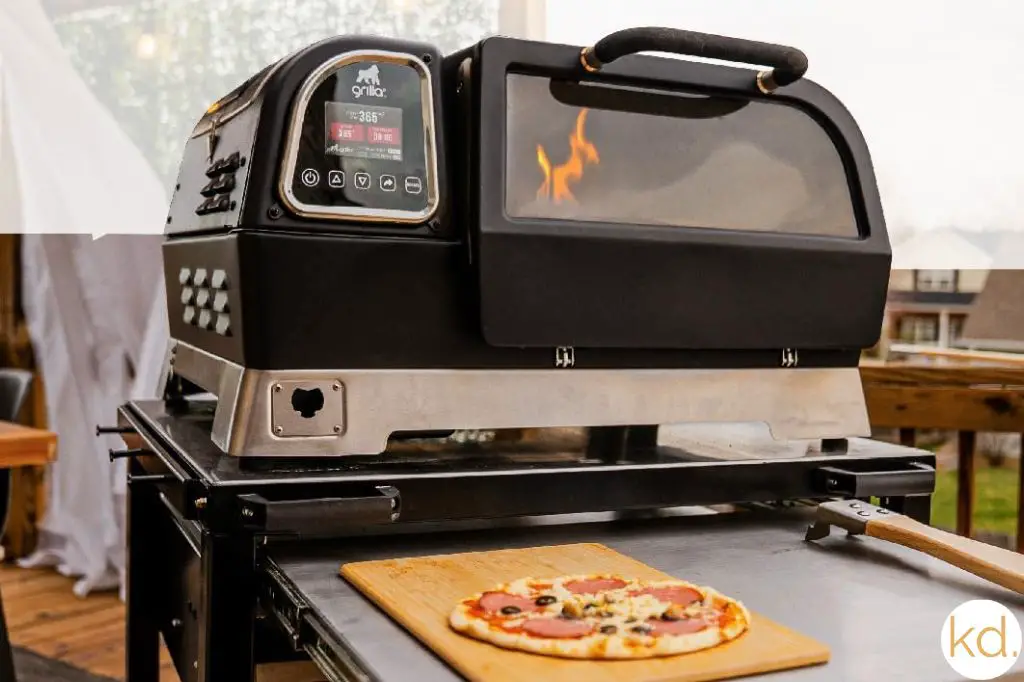
If you’ve ever dreamed of recreating that perfect pizzeria-style pie in your own backyard, you’re in the right place. Gas pizza ovens have absolutely revolutionized home cooking, bringing restaurant-quality results within reach of everyday pizza enthusiasts. Whether you’re hosting weekend gatherings or simply craving authentic Neapolitan pizza on a Tuesday night, the right gas pizza oven can transform your outdoor cooking experience.
The beauty of gas-powered Pizza Ovens lies in their convenience and precision. Unlike traditional wood-fired models that require constant attention and skill to maintain temperature, gas ovens offer consistent heat at the turn of a dial. They’re cleaner, easier to use, and perfect for both beginners and seasoned pizza makers alike. Let’s explore everything you need to know about choosing the perfect Gas Pizza Oven for your needs.
Quick Links for Gas Pizza Ovens Reviewed
Here are all the gas pizza ovens mentioned in the article:
- Ooni Koda 16 Gas Pizza Oven
- Bakerstone Professional Series Gas Pizza Oven
- NutriChef Outdoor Pizza Oven
- Big Horn Outdoors Gas Pizza Oven
- Mimiuo Portable Gas Pizza Oven
- Halo Versa Gas Pizza Oven
- Gozney Roccbox Gas Pizza Oven
- Q Pizza Outdoor Gas Pizza Oven
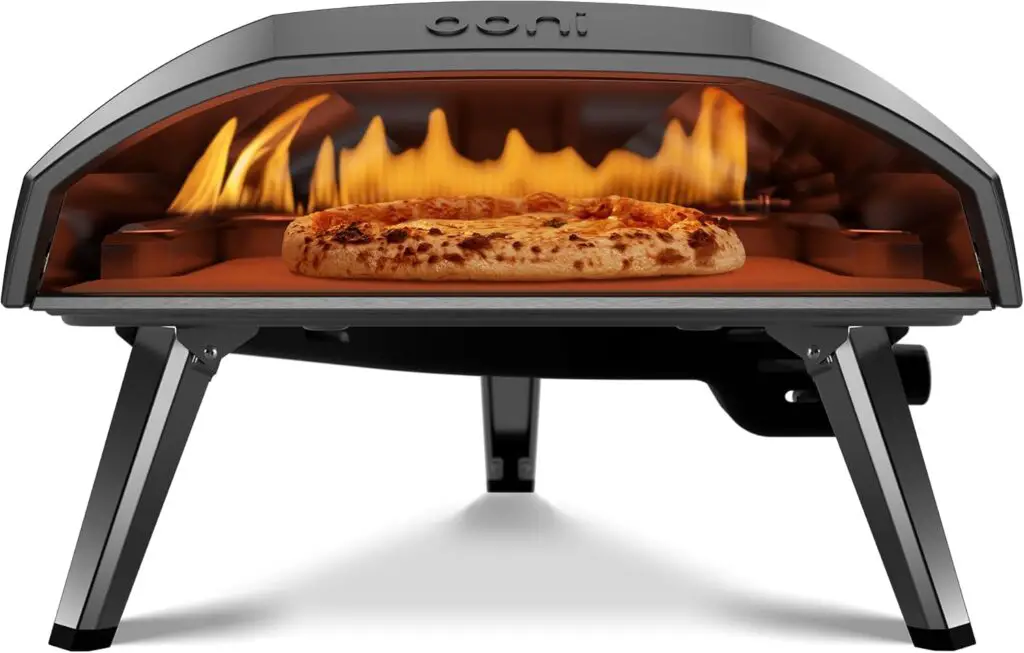
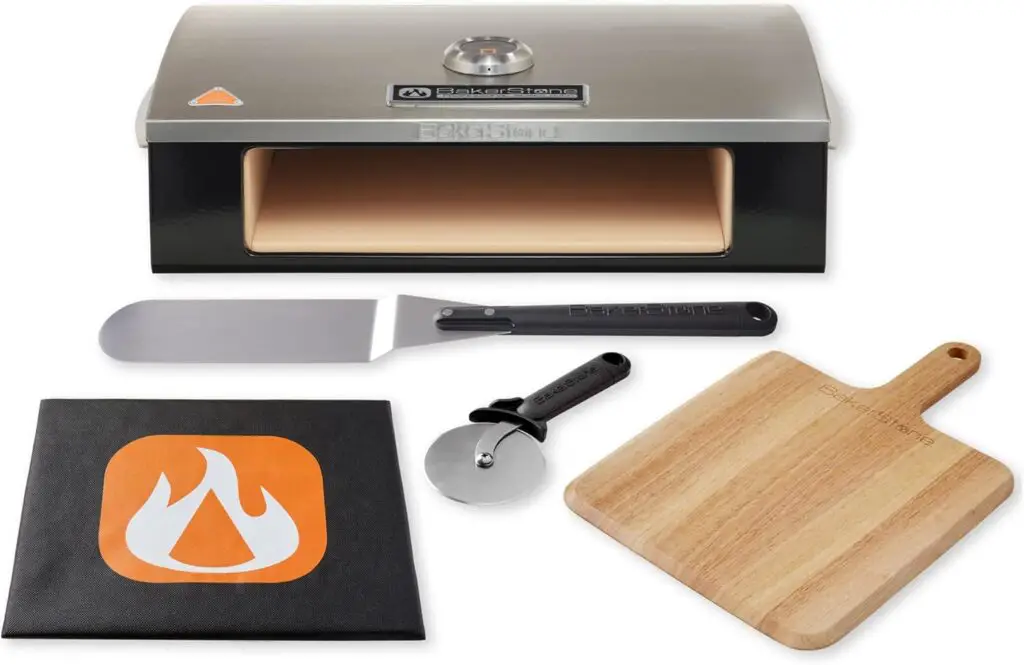
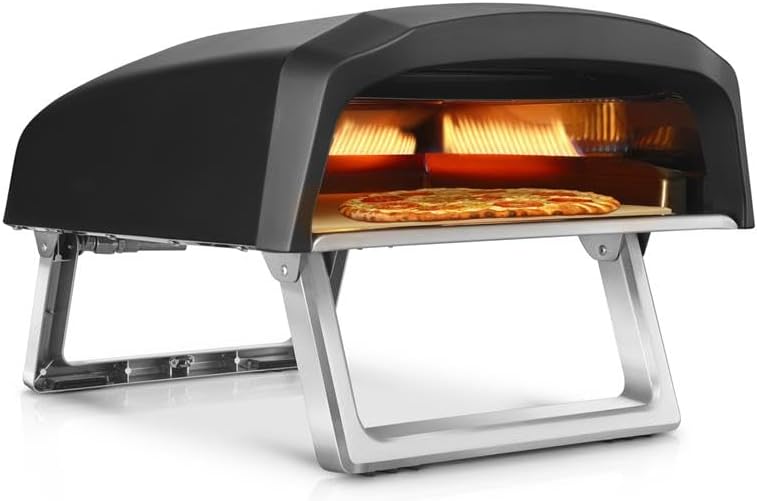
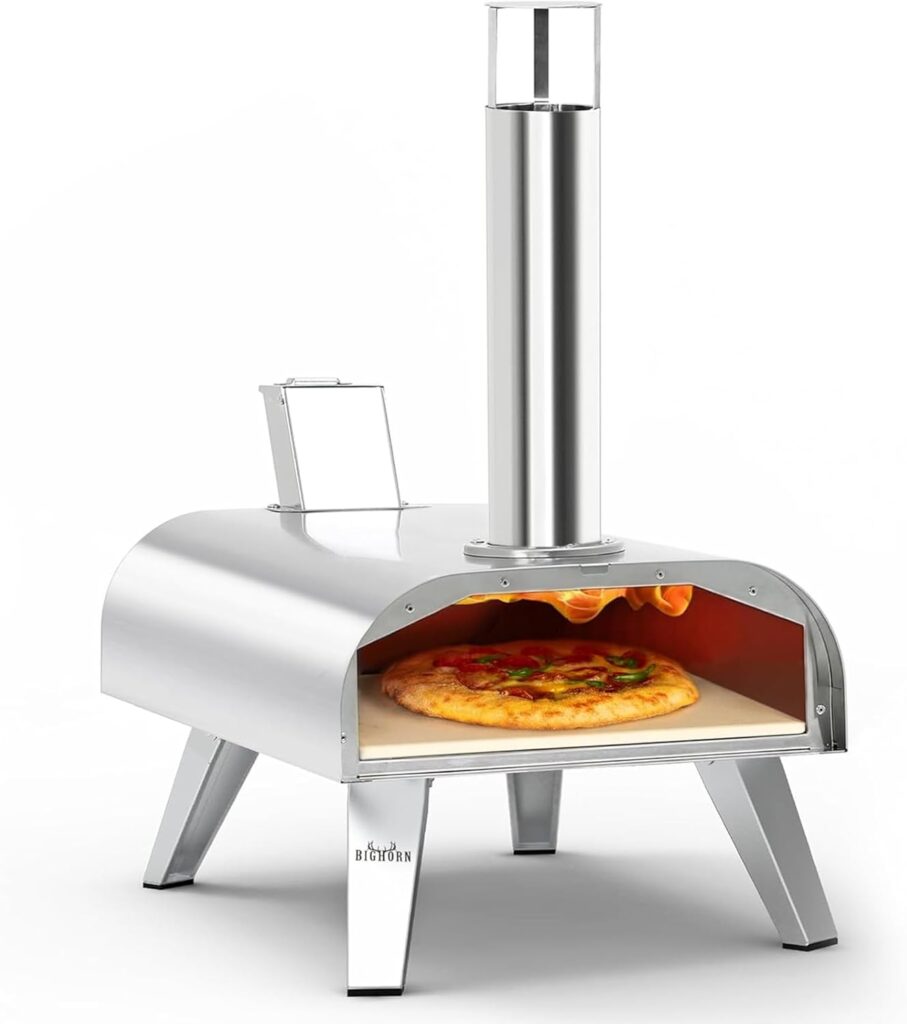
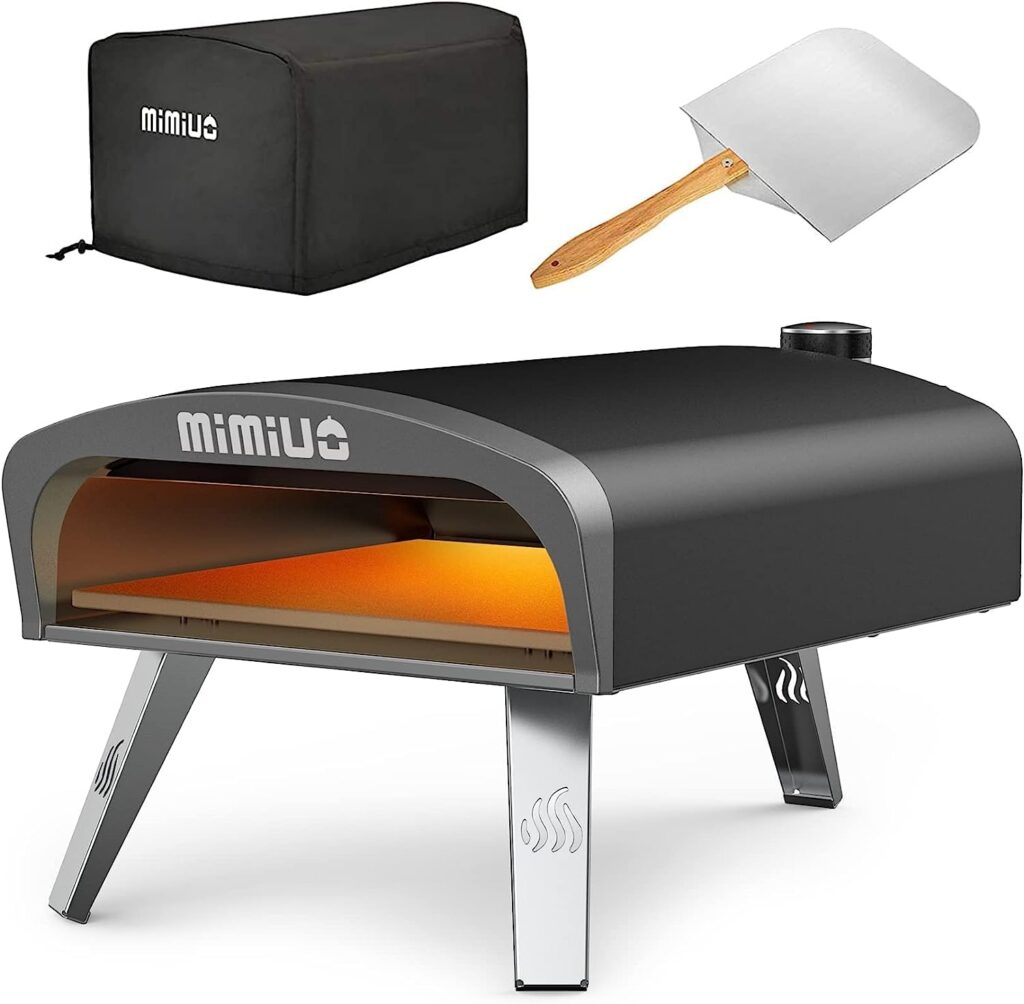
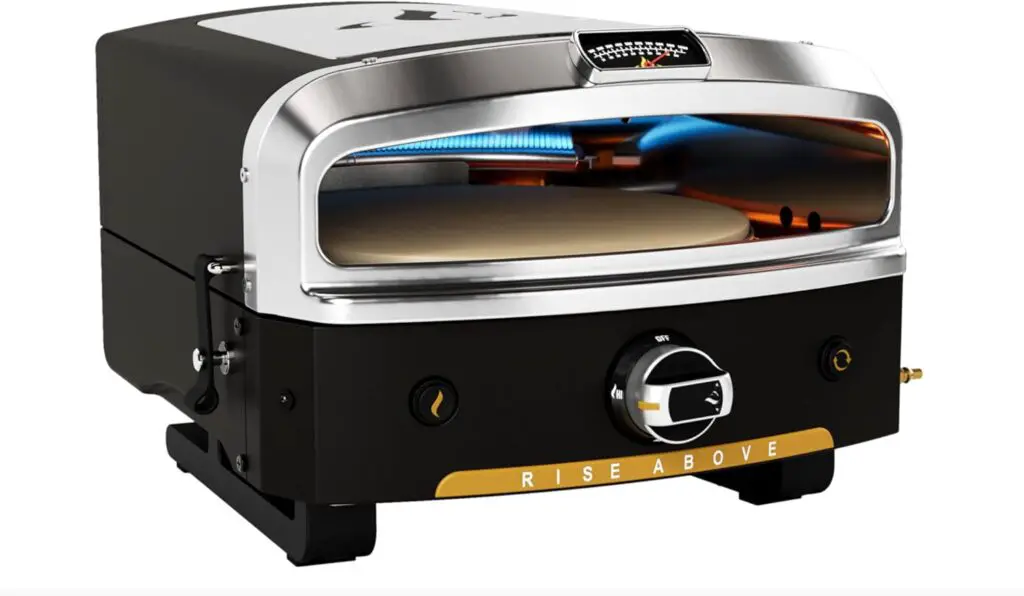
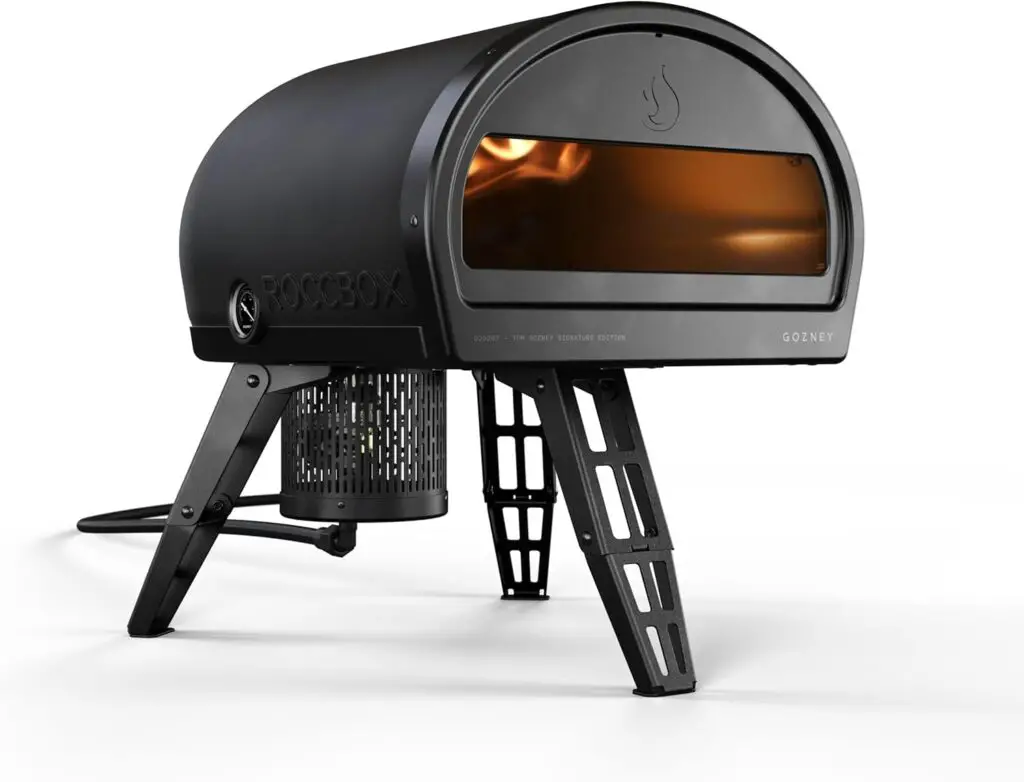
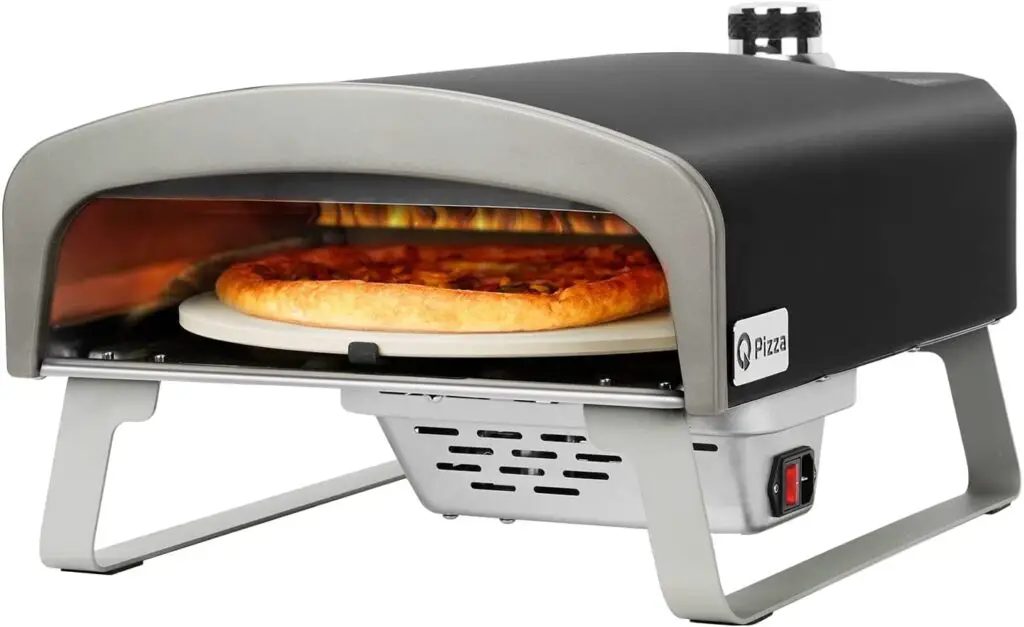
Table of Contents
Understanding Gas Pizza Ovens
Gas pizza ovens represent the sweet spot between convenience and authentic pizza-making. These specialized outdoor cooking appliances use propane or natural gas to generate the intense heat needed for proper pizza cooking—we’re talking temperatures that can reach 900°F or higher. This extreme heat is what creates that coveted charred crust and perfectly melted cheese that you’d find in a traditional Italian pizzeria.
According to pizza-making experts, the ideal temperature for cooking Neapolitan pizza is between 700-900°F, with cooking times of just 60-90 seconds. Gas pizza ovens excel at reaching and maintaining these temperatures with minimal effort, making them incredibly popular among home cooks who want professional results without the learning curve of wood-fired cooking.
The technology behind these ovens is surprisingly sophisticated. Most models feature ceramic or stone baking surfaces that absorb and radiate heat evenly, while the gas burners are strategically positioned to create optimal heat distribution. Some advanced models even include rotating platforms or dual burners to ensure perfectly even cooking from all angles.
Top Gas Pizza Ovens Reviewed
Ooni Koda 16 Gas Pizza Oven
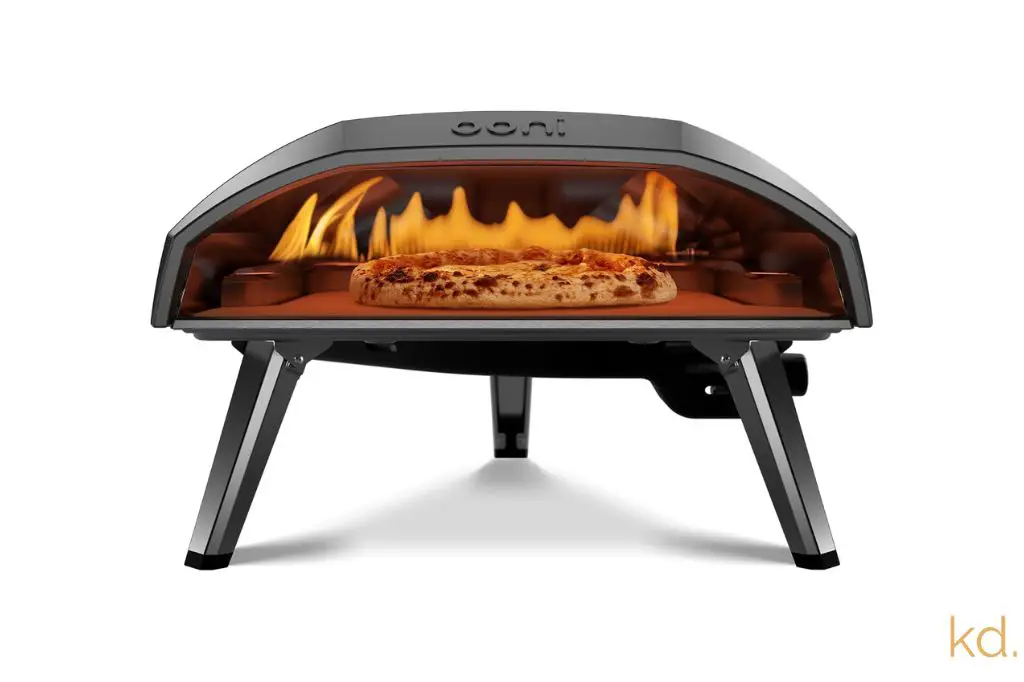
The Ooni Koda 16 has earned its reputation as one of the most popular gas pizza ovens on the market, and for good reason. This sleek, portable unit can reach temperatures of 950°F in just 20 minutes, allowing you to cook pizzas in as little as 60 seconds. The 16-inch cooking surface provides ample space for family-sized pizzas, while the L-shaped burner ensures consistent heat distribution across the entire stone.
Pros:
- Incredibly fast heat-up time
- Portable and lightweight design
- Excellent heat retention
- Simple one-dial operation
- Professional-quality results
- Built-in flame safety device
Cons:
- Requires separate propane tank
- Limited to pizza cooking primarily
- Stone requires careful handling
- Can be affected by strong winds
| Property | Specification |
|---|---|
| Cooking Surface | 16 inches |
| Maximum Temperature | 950°F |
| Heat-up Time | 20 minutes |
| Weight | 40 lbs |
| Fuel Type | Propane (LP gas) |
| Material | Powder-coated carbon steel |
Bakerstone Professional Series Gas Pizza Oven
The Bakerstone Professional Series brings a different approach to gas pizza cooking. Designed to sit on top of your existing gas grill, this innovative oven box transforms your outdoor gas pizza oven into a dedicated pizza-making station. The unique chamber design traps heat efficiently, reaching temperatures up to 800°F while using your grill’s burners.
Pros:
- Works with existing gas grills
- Double-walled insulated construction
- Removable cordierite stone
- Built-in thermometer
- More versatile than standalone units
- Great value proposition
Cons:
- Requires compatible grill
- Slightly lower max temperature
- Takes longer to preheat
- Stone can crack with thermal shock
| Property | Specification |
|---|---|
| Cooking Surface | 14 x 12 inches |
| Maximum Temperature | 800°F |
| Heat-up Time | 30 minutes |
| Weight | 25 lbs |
| Compatibility | Most 3+ burner gas grills |
| Stone Material | Cordierite |
NutriChef Outdoor Pizza Oven
NutriChef offers an affordable entry point into gas pizza oven territory. This compact unit features a unique design that allows for both tabletop and countertop use, making it incredibly versatile for different outdoor cooking scenarios. Despite its budget-friendly positioning, it manages to reach temperatures around 700°F, which is sufficient for excellent home pizza making.
Pros:
- Budget-friendly option
- Compact and portable
- Easy to store
- Quick assembly
- Decent temperature range
- Includes pizza peel and cutter
Cons:
- Smaller cooking surface
- Less durable construction
- Inconsistent heat distribution
- Limited temperature control precision
| Property | Specification |
|---|---|
| Cooking Surface | 12 inches |
| Maximum Temperature | 700°F |
| Heat-up Time | 25 minutes |
| Weight | 22 lbs |
| Fuel Type | Propane |
| Includes | Peel, cutter, stone |
Big Horn Outdoors Gas Pizza Oven
Big Horn Outdoors has created a robust, professional-grade pizza oven that’s built to last. This heavy-duty unit features a dual-layer ceiling design that promotes superior heat retention and distribution. The U-shaped burner configuration ensures even cooking, while the built-in temperature gauge lets you monitor conditions without opening the door.
Pros:
- Exceptional build quality
- Large cooking capacity
- Excellent temperature stability
- Professional-grade materials
- Multiple cooking zones
- Weather-resistant construction
Cons:
- Heavier and less portable
- Higher fuel consumption
- Requires dedicated outdoor space
- Learning curve for optimal use
| Property | Specification |
|---|---|
| Cooking Surface | 17 inches |
| Maximum Temperature | 900°F |
| Heat-up Time | 22 minutes |
| Weight | 55 lbs |
| Burner Type | U-shaped stainless steel |
| Shell Material | Double-walled steel |
Mimiuo Portable Gas Pizza Oven
The Mimiuo represents excellent value in the mid-range pizza oven category. Its stainless steel construction provides durability while keeping weight manageable for portability. The innovative heat circulation system ensures consistent cooking temperatures, and the integrated ignition system makes starting your cooking session effortless.
Pros:
- Sleek stainless steel design
- Efficient heat circulation
- Push-button ignition
- Removable drip tray
- Folds for easy storage
- Good temperature range
Cons:
- Stone quality could be better
- Legs feel slightly unstable
- Limited accessory compatibility
- Instruction manual lacks detail
| Property | Specification |
|---|---|
| Cooking Surface | 13 inches |
| Maximum Temperature | 850°F |
| Heat-up Time | 18 minutes |
| Weight | 32 lbs |
| Material | Stainless steel |
| Ignition | Electronic push-button |
Halo Versa Gas Pizza Oven
The Halo Versa stands out with its innovative convertible design, offering the flexibility to switch between gas and wood fuel sources. This versatility appeals to users who want the convenience of gas but occasional wood-fired flavor. The oven’s construction quality is exceptional, with thick ceramic fiber insulation that maintains consistent temperatures even in challenging weather conditions.
Pros:
- Dual fuel capability (gas/wood)
- Superior insulation
- Reach 900°F in 15 minutes
- Integrated digital thermometer
- Removable fuel tray
- Commercial-grade components
Cons:
- Premium price point
- Heavier than single-fuel models
- Requires fuel conversion kit
- Larger footprint
| Property | Specification |
|---|---|
| Cooking Surface | 16 inches |
| Maximum Temperature | 930°F |
| Heat-up Time | 15 minutes |
| Weight | 48 lbs |
| Fuel Options | Gas and wood |
| Insulation | Ceramic fiber |
Gozney Roccbox Gas Pizza Oven
The Gozney Roccbox represents premium engineering in portable pizza ovens. This British-designed unit features a distinctive rolling flame that creates the characteristic leopard spotting on Neapolitan-style pizzas. The silicone-jacketed body stays cool to touch while the interior reaches blazing temperatures, and the integrated thermometer provides real-time temperature monitoring.
Pros:
- Professional-grade construction
- Rolling flame technology
- Excellent heat retention
- Dual fuel compatible
- Cool-touch exterior
- Dense stone floor
Cons:
- Higher investment required
- Smaller cooking opening
- Stone replacement expensive
- Limited to smaller pizzas
| Property | Specification |
|---|---|
| Cooking Surface | 12 inches |
| Maximum Temperature | 950°F |
| Heat-up Time | 25 minutes |
| Weight | 44 lbs |
| Exterior | Silicone-jacketed steel |
| Stone Type | Dense cordierite |
Q Pizza Outdoor Gas Pizza Oven
The Q Pizza oven brings Italian design sensibility to the gas pizza oven market. Its distinctive curved design isn’t just aesthetic—it optimizes heat flow for consistent cooking results. The refractory stone cooking floor absorbs and radiates heat beautifully, while the precision gas valve allows fine-tuned temperature control that serious pizza makers appreciate.
Pros:
- Authentic Italian styling
- Precision temperature control
- High-quality refractory stone
- Efficient fuel consumption
- Durable powder-coated finish
- Excellent heat distribution
Cons:
- Longer heat-up period
- Limited availability
- Requires careful stone maintenance
- Assembly somewhat complex
| Property | Specification |
|---|---|
| Cooking Surface | 14 inches |
| Maximum Temperature | 870°F |
| Heat-up Time | 28 minutes |
| Weight | 42 lbs |
| Stone Type | Refractory ceramic |
| Design | Traditional dome shape |
Comprehensive Buying Guide for Gas Pizza Ovens
Size and Cooking Capacity
The size of your gas pizza oven directly impacts what you can cook and how many people you can feed. Most home pizza ovens accommodate pizzas between 12-16 inches in diameter. If you regularly entertain large groups, a 16-inch capacity makes sense, allowing you to create substantial pies that can feed 4-6 people. However, if you’re primarily cooking for two or occasionally hosting small gatherings, a 12-13 inch oven will be more than adequate and easier to store.
Consider your available outdoor space as well. Larger ovens need proper clearance for safety and optimal performance. You’ll want at least 3 feet of clearance on all sides, and some models require heat-resistant surfaces underneath. Measure your patio, deck, or outdoor cooking area before committing to a purchase.
Temperature Performance
Temperature capability separates mediocre pizza ovens from exceptional ones. For authentic Neapolitan-style pizza with that characteristic charred, bubbly crust, you need temperatures between 800-950°F. Most quality gas pizza ovens can achieve these temperatures, but heat-up time and temperature stability vary significantly between models.
Fast heat-up time isn’t just about convenience—it also means better fuel efficiency and less waiting around. The best models reach optimal cooking temperature in 15-20 minutes. Temperature stability matters too, especially when cooking multiple pizzas back-to-back. Look for ovens with good insulation and heat retention properties, similar to what you’d find in quality conventional ovens.
Build Quality and Materials
Construction quality determines both performance and longevity. Premium gas pizza ovens typically feature stainless steel or powder-coated carbon steel bodies that resist rust and weathering. The cooking stone itself should be made from cordierite or ceramic materials that can withstand extreme temperature fluctuations without cracking.
Insulation is critical but often overlooked. Multi-walled construction with ceramic fiber or other insulating materials helps maintain consistent temperatures while keeping the exterior cool enough to safely touch. This design also improves fuel efficiency, allowing you to cook longer on less gas.
Portability vs. Permanence
Your lifestyle and cooking habits should guide your choice between portable and stationary models. Portable gas pizza ovens typically weigh 20-45 lbs and feature folding legs or compact designs for easy storage and transport. They’re perfect for tailgating, camping, or moving between different cooking locations.
However, if you have a dedicated outdoor kitchen or permanent cooking area, a heavier, more substantial unit might serve you better. These models often offer superior heat retention and more cooking capacity, though they sacrifice mobility. Some pizza enthusiasts even install permanent gas lines to their ovens, eliminating the need for propane tank changes.
Fuel Type and Efficiency
Most gas pizza ovens run on standard propane tanks, offering flexibility and portability. Some higher-end models can be converted to natural gas with adapter kits, which is convenient if you have an outdoor gas line. Consider your fuel preferences and availability when choosing.
Fuel efficiency varies considerably between models. Well-insulated ovens with efficient burner designs use significantly less gas per cooking session. While this might seem like a minor consideration, frequent users will notice the difference in fuel costs over time. Check reviews and specifications for estimated cooking time per propane tank.
Additional Features Worth Considering
Modern gas pizza ovens come with various features that enhance the cooking experience. Built-in thermometers eliminate guesswork, though placement matters—door-mounted thermometers give more accurate readings than exterior gauges. Some models include pizza peels, turning tools, or protective covers as standard accessories.
Advanced features like rotating cooking platforms, multiple burner zones, or integrated timers can significantly improve cooking consistency, especially for beginners. However, these additions typically increase the price point. Evaluate which features genuinely enhance your cooking style versus those that are simply nice to have.
If you’re interested in expanding your outdoor cooking capabilities beyond pizza, consider checking out guides for other specialized equipment like electric pizza ovens or even portable ovens for different cooking scenarios.
Safety Features
Safety should never be an afterthought with high-temperature cooking equipment. Look for ovens with flame failure devices that automatically shut off gas flow if the flame goes out. Stable leg designs prevent tipping, while cool-touch handles and heat-resistant materials protect against burns.
Proper ventilation is essential—gas pizza ovens must be used outdoors in well-ventilated areas. Never attempt to use a gas pizza oven indoors or in enclosed spaces, as this creates dangerous carbon monoxide risks. Some models include wind guards or flame protectors that help maintain stable cooking temperatures in breezy conditions.
Maintenance and Cleaning
Easy maintenance extends your oven’s lifespan and ensures consistent performance. Removable components like cooking stones, drip trays, and burner assemblies simplify cleaning considerably. The cooking stone will naturally darken with use—this is normal and actually enhances cooking performance, so avoid aggressive cleaning methods.
Most quality ovens feature stainless steel or powder-coated finishes that resist staining and are easy to wipe clean. Check whether replacement parts like stones or burners are readily available and reasonably priced. Some manufacturers offer comprehensive warranty coverage that includes these wear items.
Budget Considerations
Gas pizza ovens range from around $300 for basic models to over $1,000 for premium units. While it’s tempting to start with the cheapest option, consider the long-term value. A well-built mid-range oven often provides better performance and durability than a budget model that might need replacement within a few years.
Factor in additional costs beyond the oven itself: propane tanks, pizza peels, turning tools, protective covers, and eventually replacement stones. Some manufacturers bundle essential accessories, which can represent significant savings compared to purchasing items separately.
Tips for Getting Started
Curing Your Pizza Stone
Before your first cooking session, properly curing your pizza stone is essential. This process involves gradually heating the stone to remove manufacturing residues and moisture, preventing thermal shock that could cause cracking. Start by heating the stone to low temperature (around 300°F) for 30 minutes, then gradually increase to cooking temperature over the next 30 minutes.
Never place a cold stone directly in a hot oven or expose a hot stone to cold water—sudden temperature changes will cause cracking. Always allow your stone to heat up and cool down gradually with the oven. Some manufacturers recommend applying a light coat of oil to new stones, though this isn’t universally necessary.
Mastering Temperature Control
Learning to read your oven’s temperature zones takes practice. Most gas pizza ovens have hotter and cooler spots, typically with the hottest zone near the back where flames concentrate. Understanding these zones lets you position pizzas optimally or rotate them for even cooking.
Invest in an infrared thermometer to measure stone temperature directly—this provides more accurate readings than built-in gauges. For Neapolitan-style pizza, aim for stone temperatures around 750-850°F. Lower temperatures (650-700°F) work better for thicker, New York-style pies. Just as with oven for baking, temperature precision makes all the difference.
Essential Accessories
A quality pizza peel is absolutely essential—you can’t successfully launch or retrieve pizzas without one. Metal peels work best for launching pizzas into hot ovens due to their thin profile, while wooden peels excel at assembling pizzas since dough doesn’t stick as readily to wood. Many pizza makers keep both types on hand.
A turning peel helps rotate pizzas mid-cook for even browning. These smaller, perforated peels allow you to adjust pizza position without removing it from the oven. Other useful accessories include infrared thermometers, dough cutters, and heat-resistant gloves for safely handling hot equipment.
Perfect Dough and Toppings
Your oven is only as good as what you put in it. High-quality pizza dough makes an enormous difference in final results. Many beginners find success with 00 flour, which creates the silky, elastic dough preferred for Neapolitan pizza. Cold fermentation (24-72 hours in the refrigerator) develops flavor and improves dough texture considerably.
Keep toppings minimal and moisture-controlled. Too many toppings or wet ingredients create soggy pizzas, even in the best ovens. For vegetables with high water content, consider pre-cooking or patting dry before adding to pizza. Quality mozzarella, preferably fresh or low-moisture varieties, melts beautifully at high temperatures without making pizzas watery.
Cooking Technique
Launching pizza into a blazing hot oven takes practice. Generously flour your peel and work quickly once you’ve assembled your pizza. Give the peel a quick shake before launching—if the pizza slides freely, you’re ready. If it sticks, gently lift edges and add more flour underneath.
Watch your pizza constantly during cooking—at these temperatures, pizzas cook in 60-90 seconds, and the difference between perfect and burnt happens quickly. Rotate the pizza 180 degrees halfway through cooking to ensure even browning. The pizza is done when the crust shows characteristic dark spots (leoparding) and the edges have puffed and browned.
Common Mistakes to Avoid
Overloading Pizzas
One of the biggest mistakes beginners make is overloading pizzas with toppings. While that loaded supreme pizza sounds delicious, excessive toppings prevent proper cooking and create soggy centers. Stick to 3-4 toppings maximum, and remember that less is often more when cooking at extremely high temperatures.
Heavy toppings also make pizzas difficult to launch properly. If you notice your pizza sticking to the peel or struggling to slide into the oven, you’ve probably added too much weight. Start simple with margherita-style pizzas to build your skills before attempting more complex creations.
Neglecting Preheat Time
Rushing the preheat process is a recipe for disappointment. Your pizza stone needs time to fully absorb heat and reach equilibrium—this typically takes at least 20-30 minutes, even after the oven thermometer indicates it’s reached target temperature. Cooking on an insufficiently preheated stone results in pale, undercooked crusts that stick.
Be patient and allow your oven to fully preheat. Use this time to prepare toppings, shape dough, and organize your workspace. Some experienced pizza makers preheat their ovens for 45 minutes or longer, especially in cold weather when ovens lose heat more quickly to the environment.
Poor Flour Management
Flour is your friend when working with pizza, but too much or too little creates problems. Insufficient flour on your peel causes sticking and launch failures, potentially ruining perfectly assembled pizzas. However, excessive flour burns quickly in high-temperature ovens, creating bitter flavors and dark spots on pizza bottoms.
Use semolina flour or a semolina-all-purpose flour blend on your peel—semolina acts like tiny ball bearings, helping pizzas slide smoothly. Brush excess flour from assembled pizzas before launching to prevent burnt flour accumulation in your oven.
Ignoring Maintenance
Skipping regular maintenance shortens your oven’s lifespan and affects performance. Clean your oven after each use, removing food debris and ash that can affect heating efficiency. Check burner ports periodically for blockages, and inspect gas connections for leaks using soapy water.
Pizza stones require minimal maintenance but benefit from occasional deep cleaning. Use a plastic scraper to remove stuck-on cheese or toppings, and occasionally brush the stone surface clean. Avoid using soap or detergent, as porous stones absorb these chemicals and transfer flavors to future pizzas.
Making the Most of Your Investment
Expanding Beyond Pizza
While pizza is the star attraction, gas pizza ovens excel at cooking many other foods. Their intense, focused heat works wonderfully for roasting vegetables, cooking steaks, baking bread, and even making desserts. Experiment with different dishes to maximize your oven’s utility—just as many home cooks do with their mini ovens for smaller cooking tasks.
Focaccia, flatbreads, and naan cook beautifully in pizza ovens. Cast iron cooking opens additional possibilities—try searing steaks or cooking vegetables in cast iron skillets placed directly on the stone. Some creative cooks even bake cookies or brownies in pizza ovens, though this requires careful temperature management.
Seasonal Considerations
Weather significantly impacts outdoor cooking, and pizza ovens are no exception. Cold temperatures and wind increase fuel consumption and extend heat-up times. Consider windbreaks or sheltered locations for your oven during cooler months. Some enthusiasts build simple structures or use outdoor canopies to protect their ovens from the elements.
Conversely, extremely hot weather can make standing over a blazing pizza oven uncomfortable. Evening cooking sessions or shaded areas provide relief. Regardless of season, protect your oven with a quality cover when not in use—this simple step dramatically extends equipment life by preventing rust and weather damage.
Building Your Skills
Pizza-making is genuinely a skill that improves with practice. Don’t get discouraged by early imperfect results—even professional pizzaiolos spent years perfecting their craft. Keep a journal noting dough recipes, hydration percentages, fermentation times, and cooking temperatures. This record helps you identify what works and replicate successful results.
Consider joining online pizza-making communities where enthusiasts share techniques, troubleshoot problems, and celebrate successes. Video tutorials provide invaluable visual guidance for dough handling, pizza launching, and other techniques that are difficult to learn from written descriptions alone. Much like mastering any specialized cooking equipment, from air fryers to convection ovens, consistent practice yields the best results.
Conclusion
Investing in a gas pizza oven transforms your outdoor cooking experience, bringing authentic pizzeria-quality results to your backyard. Whether you choose the portability of an Ooni Koda, the versatility of a Bakerstone, or the premium performance of a Gozney Roccbox, you’re entering a rewarding world of delicious possibilities.
The key is matching the right oven to your specific needs, budget, and cooking style. Consider how often you’ll use the oven, how many people you typically cook for, and whether portability matters for your lifestyle. Remember that even budget-friendly options can produce excellent results when used properly—success depends more on technique and practice than simply owning the most expensive equipment.
Start with simple margherita pizzas to build confidence, then gradually experiment with different styles, toppings, and techniques. Pay attention to dough quality, temperature management, and cooking timing. Most importantly, have fun with the process. Pizza-making is as much about the experience and experimentation as it is about the final product.
Your gas pizza oven will reward you with countless memorable meals shared with family and friends. From weeknight dinners to special celebrations, the ability to create restaurant-quality pizza at home adds a special dimension to your culinary repertoire. Fire up that oven, perfect your dough recipe, and enjoy the incredible journey into artisan pizza-making. The aroma of freshly baked pizza, the satisfaction of a perfectly charred crust, and the joy of sharing your creations make every moment worthwhile.