Whether you’ve just moved into a new home, upgraded your kitchen appliances, or simply realized you’ve been winging it for years, learning how to use an electric oven properly can genuinely transform your cooking. From perfectly roasted chicken to bakery-level cakes, mastering your electric oven is one of the most impactful kitchen skills you can develop.
Before we dive in, it’s worth mentioning that electric ovens come in several configurations — including conventional ovens, convection models, and even combination units — and understanding which type you have will shape how you use it. This guide covers all the essentials so you’re confident every time you turn that dial or tap that touchpad.
Table of Contents
What Is an Electric Oven and How Does It Work?
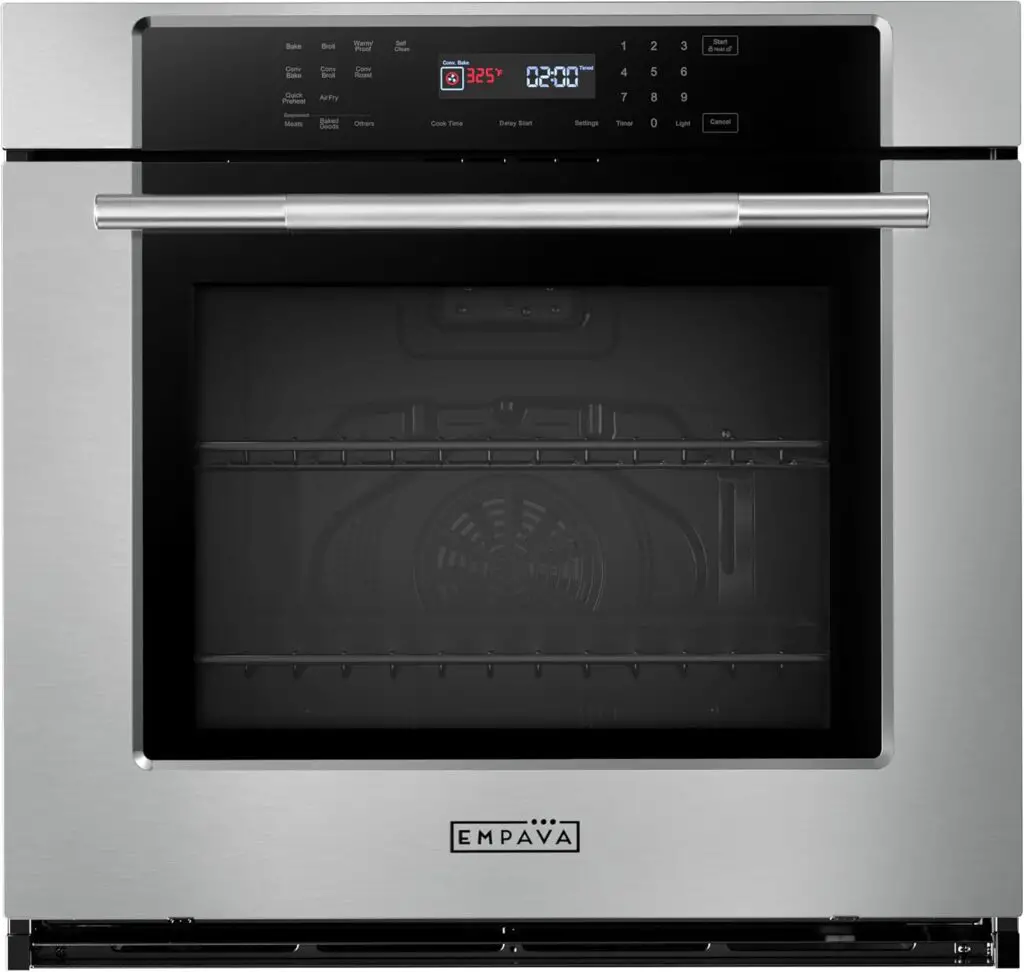
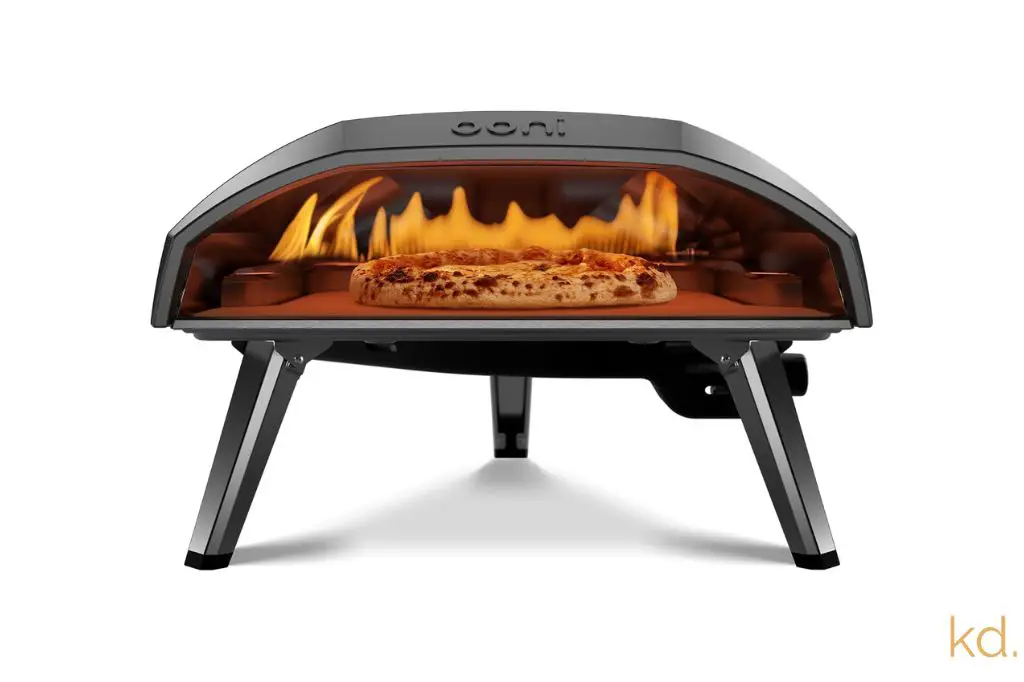
An electric oven uses electrical heating elements — typically one on the bottom (for baking) and one on the top (for broiling) — to generate heat inside the cooking cavity. Unlike a gas pizza oven or a gas range, there’s no open flame involved. Heat is distributed through radiation from the elements and, in convection models, circulated by a built-in fan.
According to Wikipedia’s entry on ovens, electric ovens tend to provide more even and consistent heat than gas models, which makes them particularly popular for baking. The enclosed environment heats up based on the thermostat setting, and a sensor regulates the temperature to keep it stable throughout the cooking process.
This consistency is one of the biggest advantages of electric ovens. Once you understand the core mechanics, you’ll be able to use that reliability to your full advantage.
Getting to Know Your Electric Oven’s Controls
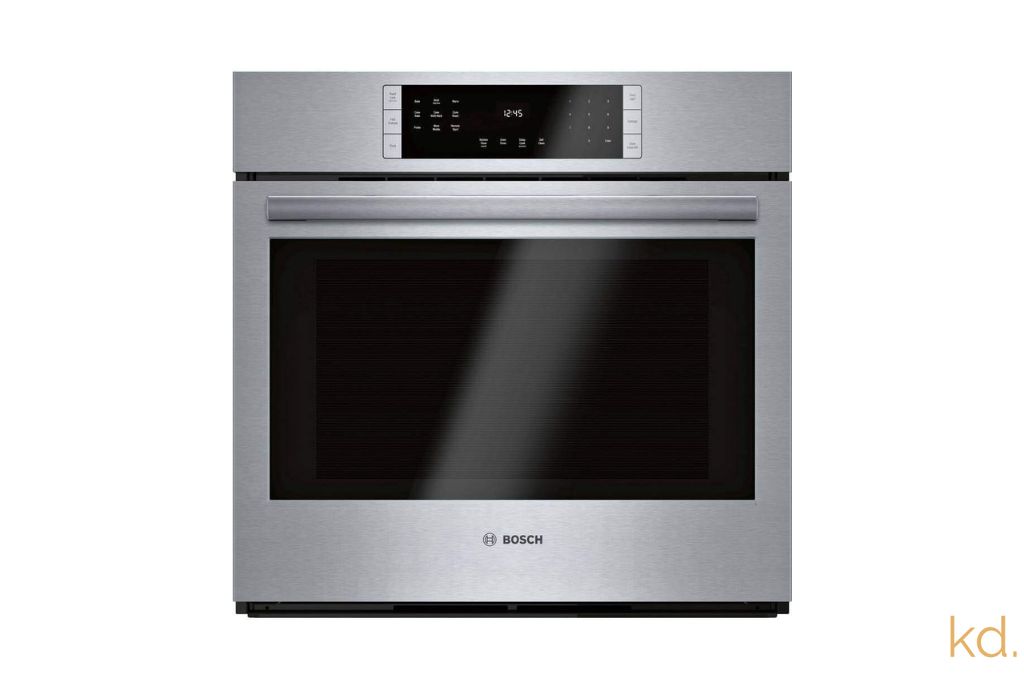
One of the first things to do when you get a new electric oven — or when you’re learning to use one properly for the first time — is to simply read its control panel. Modern electric ovens vary widely in how they present their settings, from simple analog dials to full digital touchpads, but most share the same core functions.
The Temperature Dial or Display is the most essential control. Electric ovens are typically capable of reaching temperatures between 170°F and 500°F (75°C–260°C). Most recipes will call for temperatures somewhere in the 325°F–425°F range, so those are the numbers you’ll be working with most often.
The Mode Selector lets you choose between Bake, Broil, Convection Bake, Convection Roast, and sometimes specialty settings like Proof (for rising bread dough) or Warm. Understanding each mode is critical, and we’ll break them all down shortly.
The Timer is your best friend in the kitchen. Most modern electric ovens have a built-in countdown timer that will beep when your cook time is complete. Higher-end models let you program a specific start and end time so the oven preheats and shuts off automatically — a genuinely useful feature if you want dinner ready the moment you walk in the door.
Oven Rack Positions are often overlooked, but they matter more than most people realize. Most ovens have three to five rack positions, and where you place your food dramatically affects how it cooks. More on this below.
If you’re comparing different oven brands to find one with the best control layout, make sure to look for models with clear labeling and intuitive interfaces — especially if you’re new to cooking.
Step-by-Step: How to Use an Electric Oven for the First Time
Step 1: Do a Burn-Off Before You Cook Anything
If your electric oven is brand new, manufacturers almost universally recommend running it empty at a high temperature (around 400°F–550°F) for 30–60 minutes before you cook food in it. This process burns off any manufacturing residue, protective coatings, or packing materials that might have made their way inside the cavity.
Open a window during this process — it can produce a mild chemical smell and some light smoke, which is completely normal. After this initial burn-off, your oven is ready to use for food.
Step 2: Preheat Your Oven — Always
Preheating is non-negotiable, and yet it’s one of the most commonly skipped steps in home cooking. When a recipe says “preheat oven to 375°F,” it means the oven should be at 375°F before your food goes in — not just switched on.
Most electric ovens take between 10 and 20 minutes to fully preheat, depending on the target temperature and the size of the oven. Many modern models have a preheat indicator light or chime that tells you when the target temp has been reached. Wait for that signal before placing your food inside.
Why does preheating matter so much? Because putting food into a cold or partially heated oven changes the cooking dynamics entirely. Baked goods especially rely on that immediate burst of heat to rise properly. Skipping preheat can leave you with flat cookies, dense cakes, and undercooked centers.
Step 3: Position Your Oven Rack Correctly
Where you place your food in the oven determines how it cooks, and this is one of those details that separates good home cooks from great ones.
- Middle rack — This is the default position for most baking, roasting, and general cooking. Heat circulates evenly around food placed here, making it ideal for cookies, cakes, casseroles, and most proteins.
- Upper rack (closer to top element) — Use this when you want to brown or crisp the top of your food. Gratins, cheesy pasta dishes, and broiled fish all benefit from upper rack placement.
- Lower rack (closer to bottom element) — This position is great for pizza crusts, pie shells, and anything that needs a crispier bottom. The bottom element radiates more direct heat, helping the underside cook faster.
If you’re cooking multiple items at once, spread them across different racks but rotate them halfway through for even cooking. Crowding one rack blocks airflow and leads to uneven results.
Step 4: Set the Right Mode
This is where most home cooks get confused — and it doesn’t have to be that way.
Bake Mode uses the bottom heating element as the primary heat source with the top element cycling on periodically to maintain temperature. It’s the best mode for cakes, cookies, bread, casseroles, and most general cooking. If in doubt, use Bake mode.
Broil Mode activates only the top heating element at very high heat (usually 500°F+). It’s essentially an upside-down grill, perfect for browning cheese, charring vegetables, finishing steaks, and crisping the tops of dishes. Always leave the oven door slightly ajar when broiling (check your manual), and never walk away — broiling happens fast.
Convection Bake adds a fan to the standard bake mode to circulate hot air around the food. This results in faster, more even cooking with better browning. When using convection, most recipes recommend reducing the temperature by 25°F or shortening cook time by 10–15%. Convection is excellent for roasting vegetables, baking multiple trays of cookies at once, and cooking poultry.
Convection Roast is similar to Convection Bake but typically uses both the top and bottom elements simultaneously with the fan running. It’s the powerhouse mode for roasting whole chickens, beef roasts, and pork loins — delivering crispy exteriors and juicy interiors.
Warm Mode usually operates at around 170°F–200°F and is designed to hold cooked food at a safe temperature without continuing to cook it. Use this when dinner is done but you’re waiting for everyone to sit down.
Step 5: Monitor Your Food and Use an Oven Thermometer
Here’s something that surprises a lot of people: your oven’s displayed temperature is often not its actual internal temperature. Even well-maintained ovens can run 25°F–50°F hotter or cooler than what the dial indicates. Over time, calibration drifts.
The fix is simple — buy an inexpensive oven thermometer and place it in the center of your oven. Check the reading after preheating and compare it to your set temperature. If there’s a consistent gap, you can compensate by adjusting your dial accordingly, or consult your oven’s manual to recalibrate the thermostat.
This small habit is one of the most impactful things you can do to improve your cooking results immediately.
Step 6: Know When and How to Check Your Food
Resist the urge to open the oven door constantly. Every time you open it, you lose roughly 25°F–50°F of oven heat, which disrupts cooking and extends your total time. Use the oven window and interior light to check on food as much as possible.
When you do need to open the door — to rotate pans, baste meat, or check doneness — do it quickly and close it firmly. For baked goods like cakes and soufflés, avoid opening the door at all during the first two-thirds of the cook time, as temperature drops can cause them to collapse.
Step 7: Use the Right Cookware
The type of pan or dish you use has a significant impact on how your food cooks in an electric oven. Dark metal pans absorb more heat and cook food faster, which can lead to over-browning on the bottom if you’re not careful. Light-colored aluminum pans reflect heat and are gentler, which is why professional bakers often prefer them.
Glass and ceramic bakeware heats up more slowly but retains heat longer. When using glass in a hot oven, always make sure it’s labeled oven-safe — thermal shock from sudden temperature changes can cause glass to shatter. Using the right oven-safe skillets and bakeware makes a real difference in outcomes.
For roasting large cuts of meat, a quality roasting pan with a rack lifts the meat off the pan surface, allowing hot air to circulate underneath for even cooking and better browning on all sides.
Common Electric Oven Cooking Techniques
Baking Bread and Pastries
Electric ovens are widely considered superior to gas ovens for baking because of their consistent, dry heat. The lack of moisture in an electric oven environment creates ideal conditions for crust formation in bread and proper structure development in cakes and pastries.
For bread baking, a common professional trick is to create steam in the early stages of baking — this keeps the exterior of the bread pliable while it expands, resulting in better oven spring. You can do this by placing a small pan of hot water on the bottom rack while the bread bakes, or by spritzing the oven walls with water just before closing the door.
For delicate baked goods like soufflés or chiffon cakes, always use the standard Bake mode (not convection), as the fan from convection can disturb the rising process. Stick to the middle rack and resist opening the door. If you’re looking to get serious about baking, understanding your oven for baking thoroughly is the foundation of everything.
Roasting Meats and Vegetables
Roasting is one of the most satisfying things you can do in an electric oven, and it’s easier than most people think. The key principles are: high heat for browning, resting time after cooking, and proper spacing so food doesn’t steam.
For roasting vegetables, spread them in a single layer with space between each piece. Crowded vegetables steam in their own moisture and turn soft rather than caramelizing properly. A hot oven (400°F–450°F) and convection mode will deliver deeply browned, tender vegetables with great flavor.
For meats, consider a two-temperature approach: start at a high temperature (425°F–450°F) for the first 15–20 minutes to develop a beautiful crust, then reduce to a lower temperature (325°F–350°F) for the remainder of the cook. This gives you a crispy exterior and a juicy interior.
Always use a meat thermometer to check doneness — relying on time alone is unreliable, as ovens vary and every cut of meat is different. Reference internal temperature guides for chicken, beef, pork, and lamb to cook safely and to your preferred level of doneness.
Broiling Like a Pro
Broiling is incredibly powerful and surprisingly underused in home kitchens. At its core, broiling is just radiant heat from above — think of it as using your oven’s top element as a grill.
Move your oven rack to the top position, preheat the broiler for a few minutes, and place your food on a broiling pan or baking sheet lined with aluminum foil. Fish fillets take 4–6 minutes under a broiler. A thin steak can be done in 4–8 minutes depending on thickness. Bone-in chicken pieces take longer and should be started on a lower rack before moving up for the final browning.
Keep the oven door slightly ajar during broiling unless your manufacturer specifies otherwise — this allows heat to escape and prevents the oven from cycling off the broiling element to regulate temperature.
Using the Warm and Proof Settings
If your electric oven has a Warm setting (170°F–200°F), it’s perfect for holding food at serving temperature without drying it out. Wrap food loosely in aluminum foil before placing it in a warm oven to retain moisture.
If your oven has a Proof setting (typically around 80°F–100°F), use it to proof bread dough. Yeast bread requires a warm, draft-free environment to rise properly, and the Proof setting nails this perfectly. Simply place your covered dough in the oven and let it rise — you’ll get consistent, predictable results every time.
Electric Oven Safety Tips You Shouldn’t Ignore
Safety around a hot oven is serious business. Here are the habits that matter most.
Never leave the oven on unattended for long periods, especially when broiling or cooking at very high heat. Kitchen fires most often start when food is left unattended, and high-fat foods like chicken or bacon can splatter and ignite.
Keep the oven clean. Built-up grease and food debris on the bottom or walls of your oven are a fire hazard. Clean spills as soon as the oven cools enough to do so safely, and run the self-cleaning cycle periodically if your oven has one. Check out what a self-cleaning oven can do to simplify maintenance.
Never use aluminum foil to line the bottom of your oven. This is a surprisingly common mistake — foil on the oven floor can trap heat, damage the bottom heating element, and disrupt airflow. Instead, place a baking sheet on the rack below to catch drips.
Always use oven mitts or heat-resistant gloves when handling oven racks, pans, and dishes. Oven burns are one of the most common kitchen injuries, and it only takes a second of inattention. Make sure your mitts cover your wrists and forearms, not just your hands.
Don’t use your oven to heat your home. Electric ovens aren’t designed for this purpose, and running them for extended periods to heat a room is a fire and carbon monoxide risk (in the case of gas) and a serious electrical strain.
Troubleshooting Common Electric Oven Problems
Food Is Burning on the Bottom
If the bottoms of your baked goods are consistently burning while the tops remain pale, your oven is likely running too hot at the bottom element, or your rack position is too low. Try moving your rack up one position, or place an empty baking sheet on the lower rack to shield the bottom of your food from direct heat.
Uneven Cooking
If food browns on one side but not the other, your oven may have a hot spot — a localized area of higher heat, often caused by one element cycling more aggressively than the other. Rotate your pans 180 degrees halfway through cooking to compensate. An oven thermometer placed in different parts of the oven can help you map out any hot or cold zones.
Oven Not Heating Properly
If your oven is taking much longer than usual to preheat, or isn’t reaching the set temperature at all, a heating element may be failing. The elements are usually visible inside the oven cavity — look for any visible burn marks, breaks, or blistering on the element surface. Replacing an oven element is a relatively affordable repair. If you notice anything unusual, don’t use the oven until it’s been inspected.
Oven Door Not Closing Properly
A door that doesn’t seal tightly will bleed heat and result in longer cook times and inconsistent results. Check the door gasket (the rubber seal around the door perimeter) for any cracks, gaps, or looseness. Replacement gaskets are available for most oven models and are a quick fix that can dramatically improve performance.
Electric Oven Cleaning and Maintenance
Keeping your electric oven clean isn’t just about hygiene — it directly affects cooking performance and safety. Here’s how to approach it.
Regular Wipe-Downs: After the oven cools, wipe out any spills with a damp cloth or sponge. Baking soda and water form an effective, non-toxic paste that can tackle grease without harsh chemicals.
Self-Cleaning Cycle: If your oven has a self-cleaning feature, it heats the interior to extreme temperatures (around 900°F–1000°F) to incinerate food residue into ash that you can wipe away easily. Run this cycle when your oven is heavily soiled, but be aware that it produces heat, odor, and sometimes smoke — ventilate the kitchen well.
Oven Racks: Remove the racks before running the self-cleaning cycle, as the extreme heat can warp them or strip their finish. Soak dirty racks in warm soapy water in the bathtub or sink, scrub with a non-scratch pad, and rinse clean.
Control Panel: Wipe the exterior controls with a barely damp cloth — avoid spraying cleaner directly onto digital panels, as moisture can seep in and damage the electronics.
Making the Most of Your Electric Oven
Understanding your oven deeply is about more than just following recipes — it’s about being able to adapt and troubleshoot in real time. Once you know how heat flows in your oven, where the hot spots are, and how each mode behaves, you can cook more confidently and creatively.
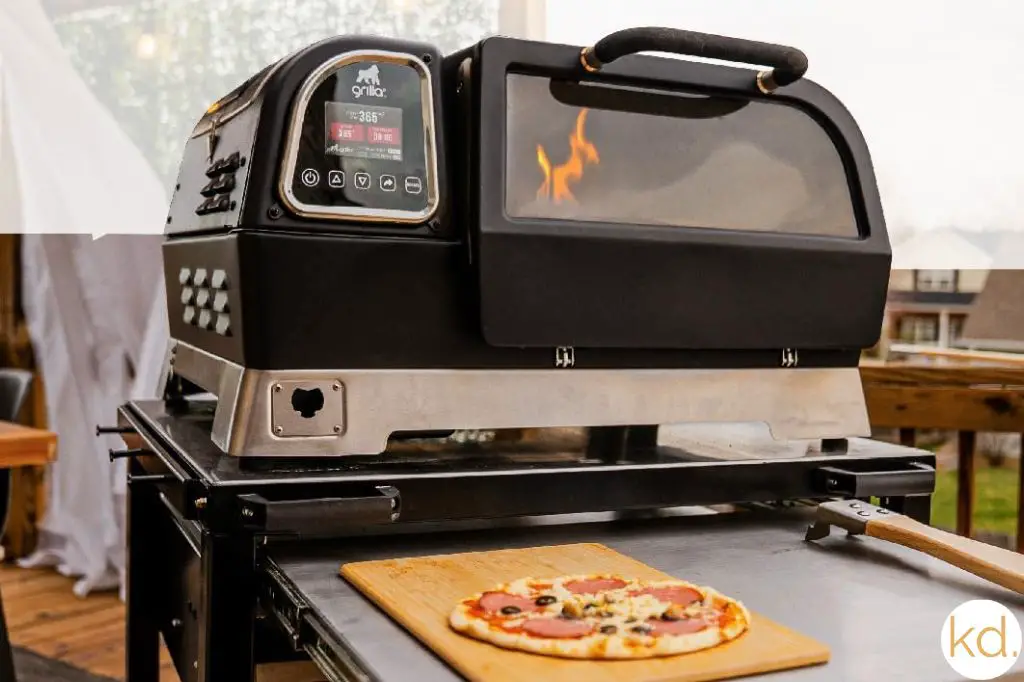
If you’re in the market for an upgrade, exploring the full range of home oven options can reveal models with features that make everything easier — from true convection to smart connectivity. There’s also a growing category of electric pizza ovens that can complement your main oven beautifully for specialty cooking.
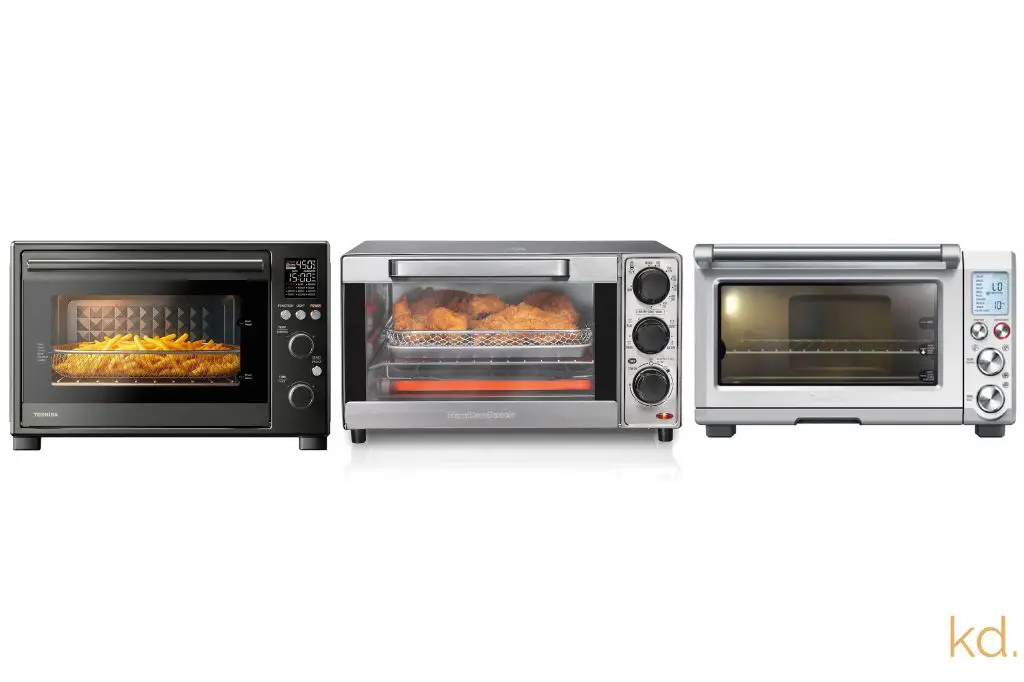
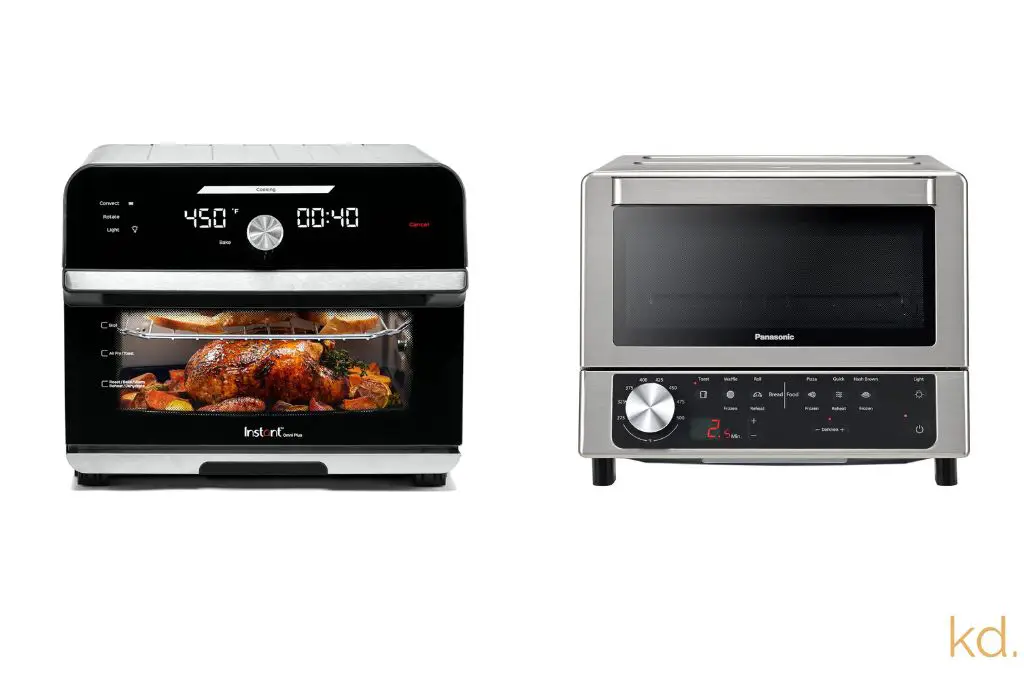
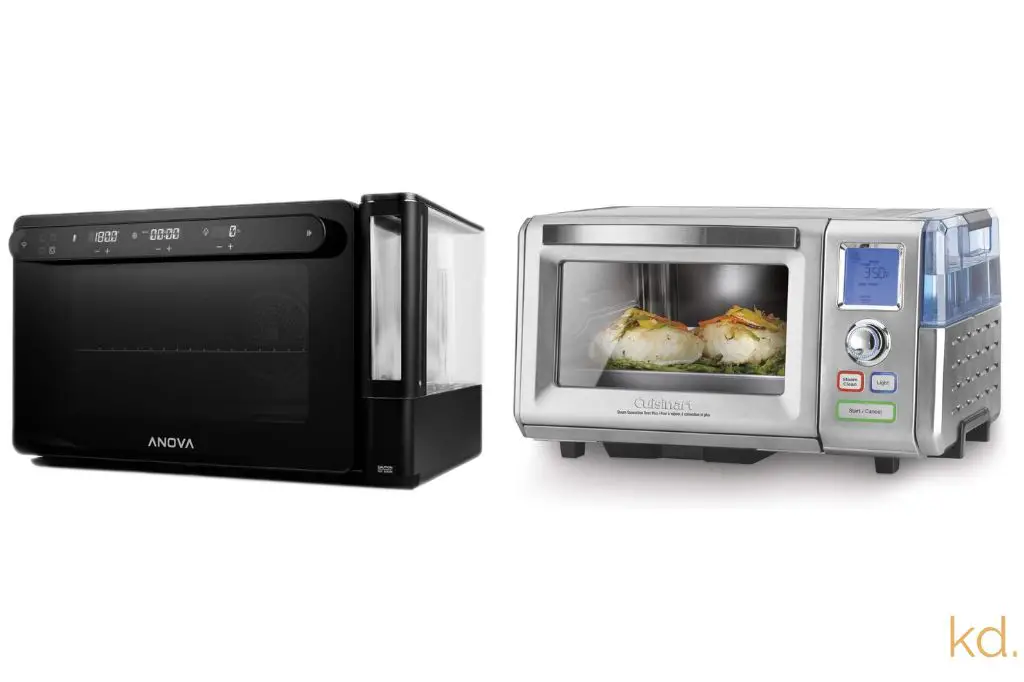
For those who want a compact, secondary cooking solution, a mini oven or the Chef IQ Mini Oven can handle a surprising range of tasks without heating up the whole house. Similarly, portable ovens have become increasingly capable for those who cook on the go or have limited kitchen space.
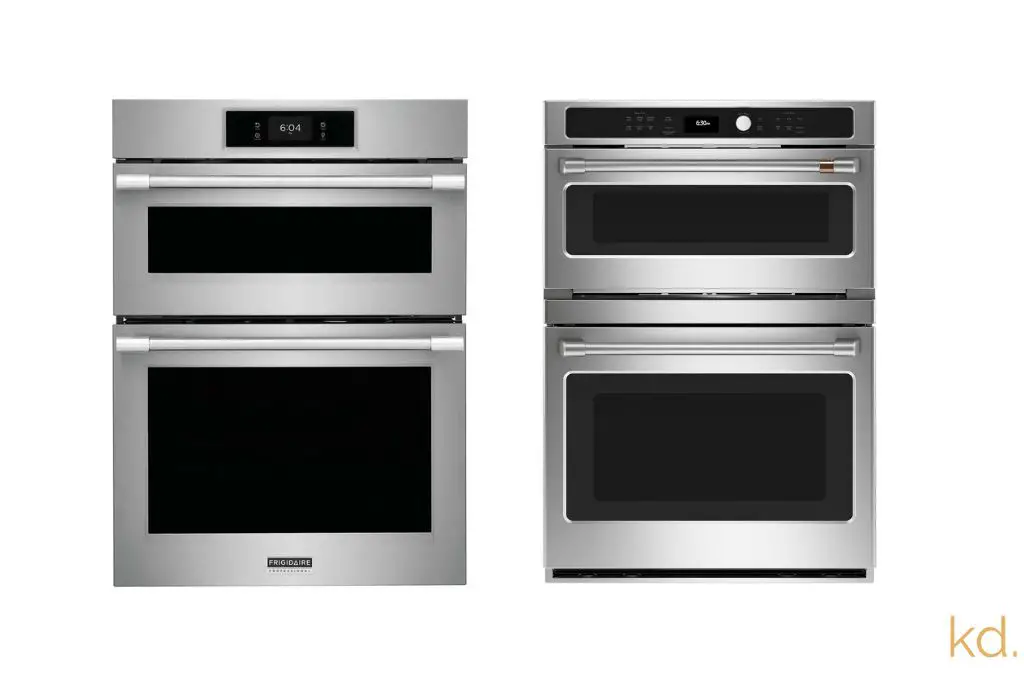
For the ultimate baking setup, knowing your standard oven size and whether a single or double oven with microwave combination suits your household can save you time and frustration down the line. And if you’re still figuring out which oven is right for your needs, a comprehensive guide on how to choose an oven can walk you through every consideration.
For additional background on how electric ovens compare to other cooking technologies, Wikipedia’s comparison of cooking appliances is a thorough and informative resource.
Final Thoughts
Learning how to use an electric oven well is one of those skills that pays dividends every single day. From Monday night dinners to weekend baking projects, a well-understood oven is your most versatile and dependable kitchen tool. Master the basics — preheating, rack placement, mode selection, and temperature verification — and everything else will fall into place naturally.
The more you cook, the better you’ll understand your specific oven’s quirks and strengths. Keep notes on what works, rotate your pans, invest in a good oven thermometer, and don’t be afraid to experiment. Your oven is more capable than you might think — and so are you.
Happy cooking!