Craving authentic, restaurant-quality pizza from the comfort of your home? You’re not alone. The indoor pizza oven revolution has transformed home cooking, making it possible to achieve that perfect crispy crust and bubbling cheese without stepping outside or ordering delivery. If you’ve been researching pizza ovens for your kitchen, you’re in the right place.
Indoor pizza ovens have exploded in popularity, and for good reason. These compact powerhouses bring pizzeria-level heat to your countertop, creating pizzas that rival your favorite Italian restaurant. Whether you’re a pizza enthusiast looking to perfect your dough game or simply want a faster way to feed the family on busy weeknights, finding the best indoor pizza oven can transform your cooking routine.
Quick links for Best Indoor Pizza Ovens
- Breville Smart Oven Pizzaiolo Indoor Pizza Oven
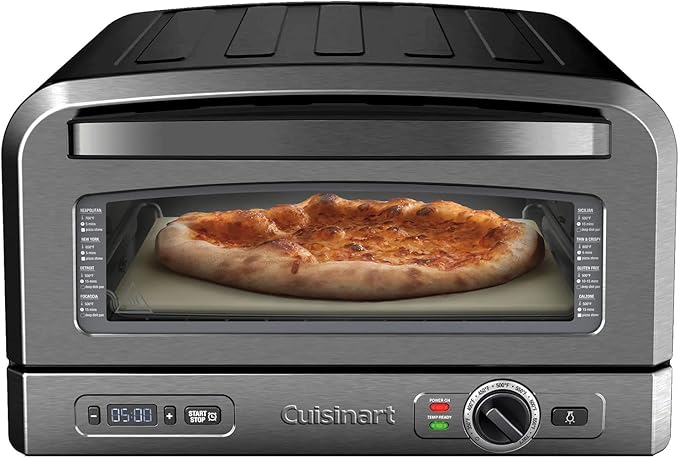
- Cuisinart Indoor Pizza Oven
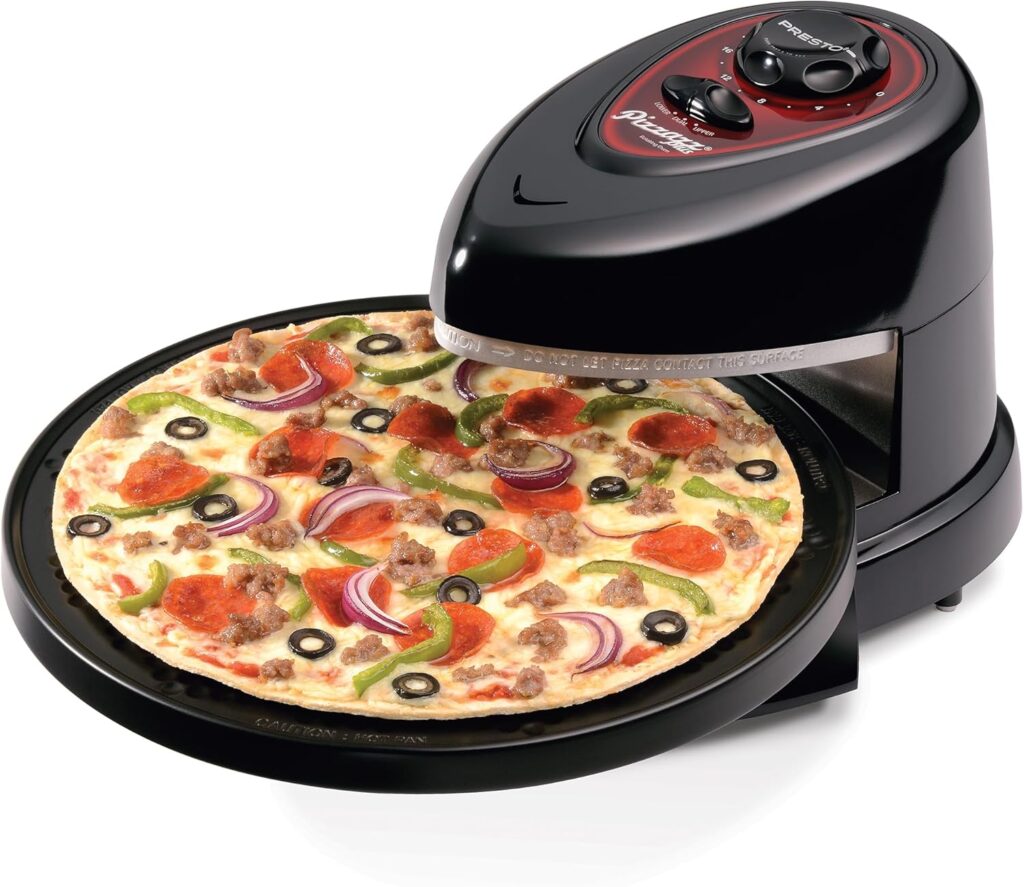
- Presto Pizzazz Plus Rotating Indoor Pizza Oven
Top 7 Best Indoor Pizza Ovens: Detailed Reviews
1. Breville Smart Oven Pizzaiolo Indoor Pizza Oven
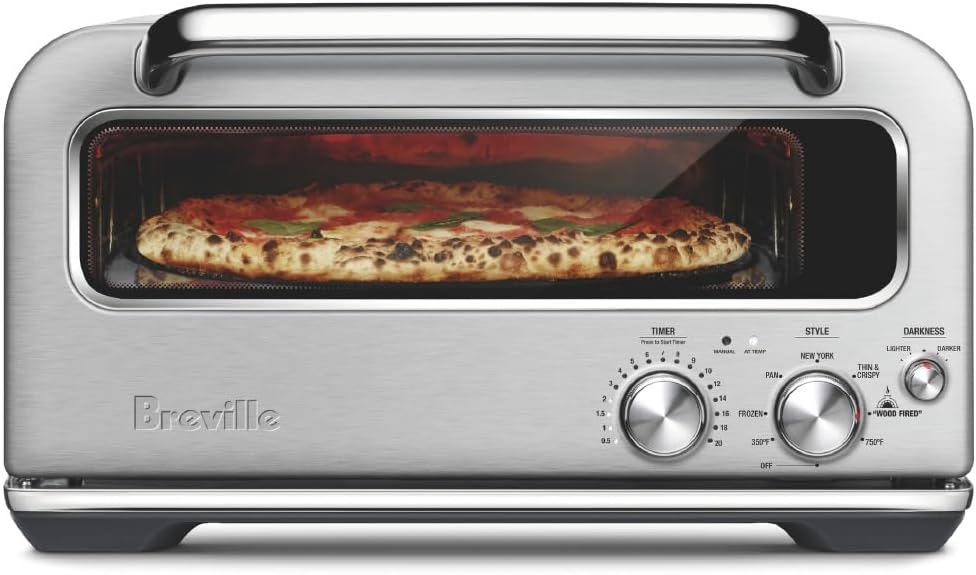
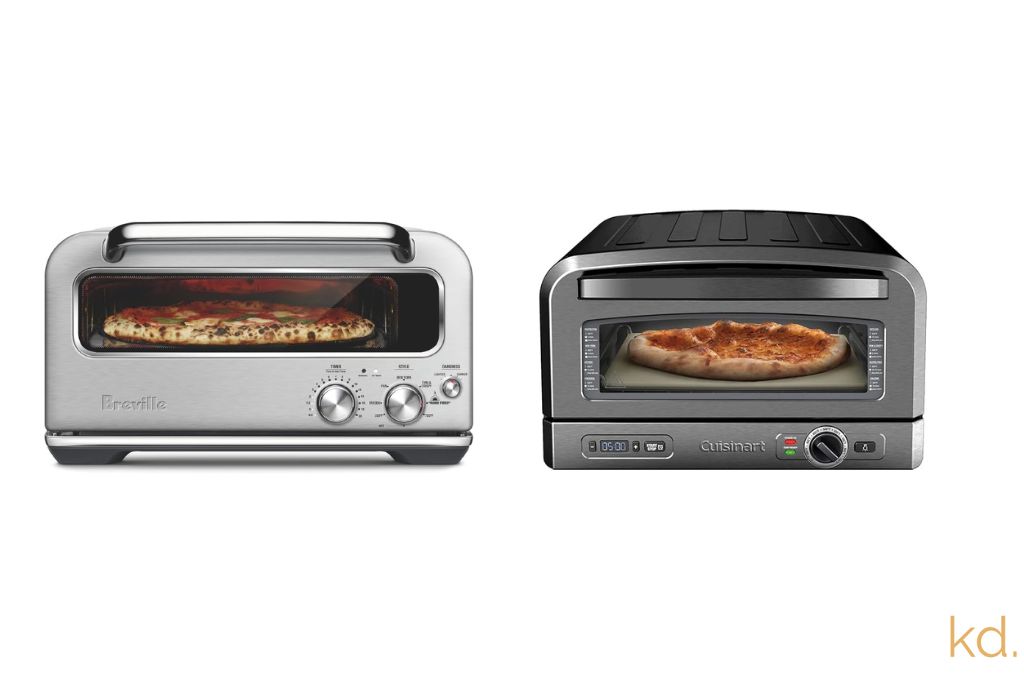
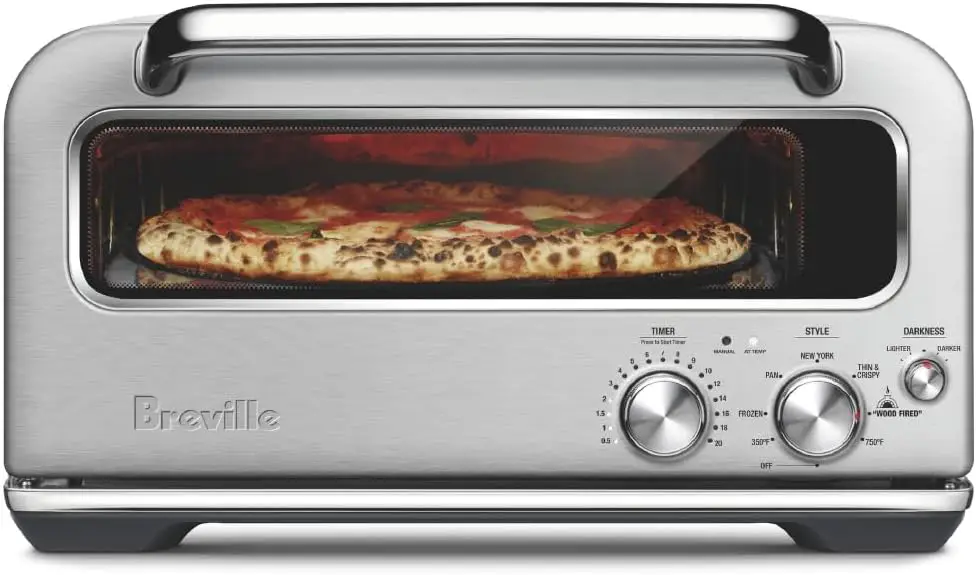
The Breville Smart Oven Pizzaiolo stands as the gold standard for serious home pizza makers. This beast reaches temperatures up to 750°F, matching traditional wood-fired ovens and creating that coveted leopard-spotted crust in just two minutes.
Key Features:
- Reaches 750°F for authentic results
- Element IQ technology for precise heat distribution
- Pre-set functions for different pizza styles
- Built-in timer with alerts
- Accommodates 12-inch pizzas
Pros:
- Restaurant-quality results consistently
- Multiple cooking settings for versatility
- Fast preheating time
- Excellent heat retention
- Durable stainless steel construction
Cons:
- Premium price point
- Requires dedicated counter space
- Heavy unit (not easily portable)
- Learning curve for optimal results
The Pizzaiolo excels at Neapolitan-style pizzas but adapts beautifully to New York, thin crust, and even frozen varieties. The Element IQ technology distributes heat across five quartz elements, ensuring even cooking from edge to center. If you’re serious about pizza and have the budget and space, this is your endgame oven.
2. Cuisinart Indoor Pizza Oven
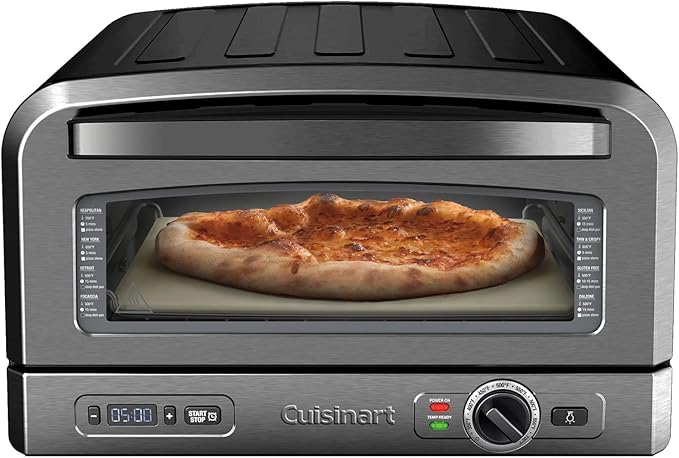
For true indoor convenience, the Cuisinart Pizza Oven brings high-heat pizza making to your countertop with proper safety features for indoor use. This electric model reaches 700°F while remaining safe for kitchen use.
Key Features:
- Electric indoor operation
- 700°F maximum temperature
- Ceramic pizza stone included
- Timer with auto shut-off
- Compact countertop design
Pros:
- True indoor use approved
- No ventilation requirements
- Easy temperature control
- Includes baking stone
- Simple operation
Cons:
- Lower temperature than outdoor models
- Longer cooking times
- Limited to 12-inch pizzas
- Requires counter space
This oven solves the indoor pizza dilemma without requiring outdoor space or special ventilation. While it doesn’t reach the extreme temperatures of outdoor models, it still produces excellent results far superior to conventional ovens. Perfect for apartment dwellers or those preferring year-round indoor cooking.
3. Presto Pizzazz Plus Rotating Indoor Pizza Oven
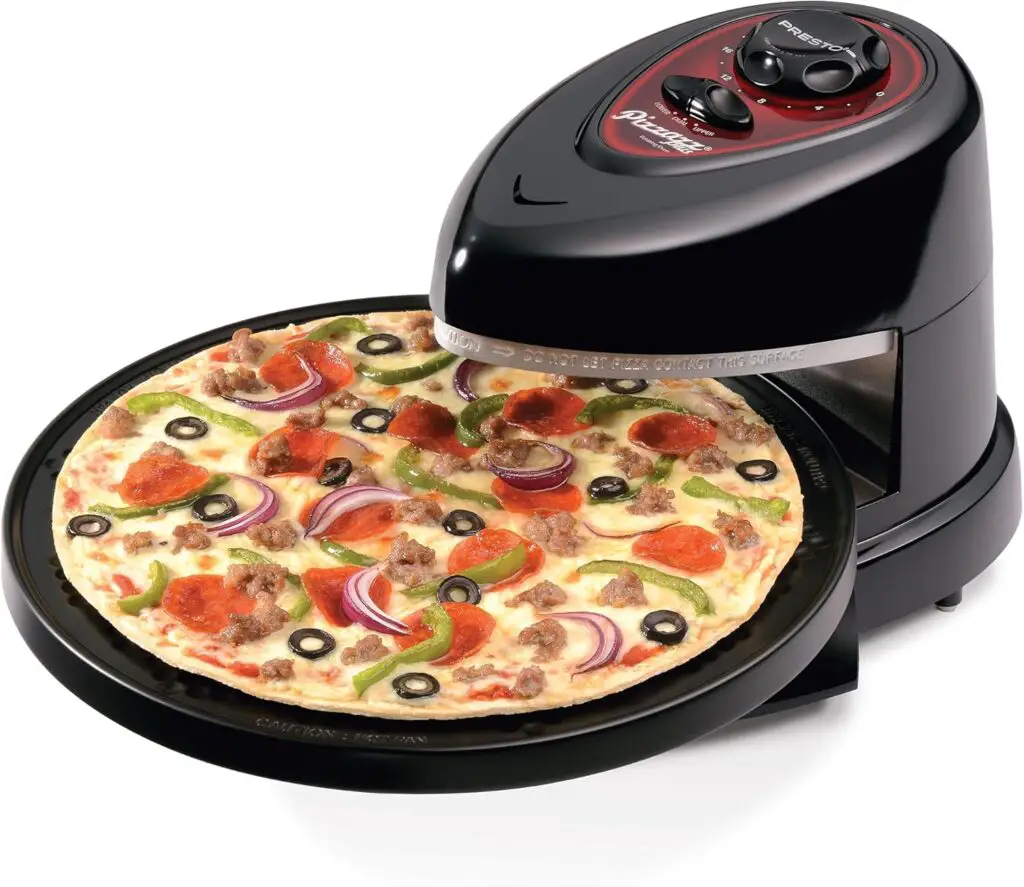
An affordable entry point into dedicated pizza cooking, the Presto Pizzazz uses a rotating design and dual heating elements to create evenly cooked pizzas without preheating.
Key Features:
- Rotating cooking surface
- Dual heating elements
- No preheating required
- Accommodates frozen or fresh pizzas
- Budget-friendly price
Pros:
- Very affordable
- No preheating needed
- Easy to use
- Compact storage
- Versatile cooking options
Cons:
- Lower maximum temperature
- Longer cooking times
- Limited to standard pizza sizes
- Not suitable for artisan styles
The Pizzazz Plus fills a specific niche: quick, convenient pizza without significant investment. While it won’t match the results of high-temperature ovens, it excels at improving frozen pizzas and creating simple fresh pies. Perfect for families wanting better-than-oven results without complexity or cost.
Comparison Table: Best Indoor Pizza Ovens
| Model | Max Temp | Cooking Time | Fuel Type | Weight | Pizza Size | Best For |
|---|---|---|---|---|---|---|
| Breville Pizzaiolo | 750°F | 2 minutes | Electric | 42 lbs | 12 inches | Authentic Neapolitan |
| Cuisinart Indoor | 700°F | 4-5 minutes | Electric | 25 lbs | 12 inches | Indoor Convenience |
| Presto Pizzazz | 425°F | 11-15 minutes | Electric | 9 lbs | 13 inches | Budget-Friendly |
Complete Buying Guide for Indoor Pizza Ovens
Understanding Pizza Oven Types
Electric Indoor Pizza Ovens
Electric models like the Breville Pizzaiolo offer true indoor convenience with precise temperature control. They’re perfect for apartments or homes without outdoor space. While they typically max out around 700-750°F (compared to 900°F+ for outdoor models), they still produce excellent results superior to conventional ovens.
Gas-Powered Pizza Ovens
Gas ovens heat quickly and maintain consistent temperatures. They require outdoor use or exceptional ventilation but offer convenience over wood-fired models. The instant ignition and adjustable flame make them user-friendly while still reaching professional temperatures.
Wood-Fired Pizza Ovens
Traditional wood-fired ovens provide authentic flavor but require outdoor space and more skill to operate. They demand attention to fuel management and temperature control but reward users with unmatched flavor and that distinctive char.
Multi-Fuel Pizza Ovens
These versatile units accept multiple fuel types, letting you choose based on preference, weather, or available fuel. They offer maximum flexibility but often cost more and require learning different fuel techniques.
Key Features to Consider
Temperature Capabilities
The magic number for authentic Neapolitan pizza is around 800-900°F. At these temperatures, pizzas cook in 60-90 seconds with perfectly charred crusts and bubbling cheese. Lower temperatures (600-750°F) still produce excellent results but require longer cooking times and create different crust characteristics.
For New York-style or thicker crusts, temperatures around 500-600°F work perfectly. Consider what style of pizza you’ll make most often when evaluating temperature needs.
Size and Portability
Indoor pizza ovens range from compact countertop units to substantial appliances requiring dedicated space. Consider:
- Available counter or storage space
- Whether you’ll move it regularly
- Maximum pizza size you’ll cook
- Multiple pizzas per session needs
Most home pizza ovens accommodate 10-12 inch pizzas, perfect for personal to medium family sizes. Larger gatherings might require multiple batches or a larger oven.
Heating Time
Preheating varies dramatically between models. High-end units reach temperature in 15-20 minutes, while budget options might need 30-45 minutes. Consider your typical cooking timeline and patience level.
Fuel Source and Operating Costs
Electric ovens offer convenience and consistent costs but may have higher electricity usage. Gas models need propane tanks but heat efficiently. Wood-fired ovens require fuel purchases and storage. Calculate long-term operating costs based on usage frequency.
Safety Features
For indoor models, look for:
- Auto shut-off timers
- Insulated exteriors
- Stable bases
- Cool-touch handles
- Proper ventilation design
Outdoor models should feature:
- Heat-resistant exterior coatings
- Stable leg designs
- Safe fuel handling
- Proper clearance requirements
Build Quality and Materials
Premium ovens use stainless steel, powder-coated steel, or specialized alloys for longevity. Cooking surfaces typically feature ceramic stone, cordierite, or specialized steel. These materials affect heat retention, durability, and cooking performance.
Versatility
Some pizza ovens excel solely at pizza, while others handle bread, roasted vegetables, meats, and more. Multi-functional units like the Ninja Woodfire offer smoking and roasting capabilities. Consider whether specialized pizza performance or cooking versatility matters more for your needs.
Indoor vs. Outdoor Considerations
Indoor Pizza Ovens
Indoor models must meet specific safety standards for residential use. They feature:
- Lower maximum temperatures (typically 700-750°F)
- Electric power only
- Proper insulation and ventilation
- Compact designs for countertop use
Benefits include year-round use, no weather dependencies, and convenient kitchen integration. However, they typically cost more than comparable outdoor units and may have longer cooking times.
Outdoor Pizza Ovens
Outdoor units offer:
- Higher temperature capabilities (up to 950°F+)
- Multiple fuel options
- Often lower costs
- Faster cooking times
They require outdoor space, proper ventilation, and weather considerations. Some portable models work in covered outdoor areas like patios or porches with adequate airflow.
Understanding Pizza Styles and Requirements
Neapolitan Pizza
Authentic Neapolitan requires 800-900°F temperatures, cooking in 60-90 seconds. The extreme heat creates the characteristic leopard-spotted, puffy crust with slight char. High-end ovens like the Breville Pizzaiolo or Ooni Koda excel here.
New York Style
New York pizza prefers 500-600°F, cooking in 8-10 minutes. This longer cook time at moderate heat creates the signature foldable, crispy-yet-chewy crust. Most pizza ovens handle this style easily, including lower-temperature models.
Detroit and Sicilian Styles
These thick, pan-style pizzas cook at 450-500°F for 12-15 minutes. Almost any pizza oven works well, though multi-functional units offering roasting capabilities provide additional versatility for these styles.
Thin Crust and Crispy Styles
Thin pizzas need intense heat for quick cooking without drying out. Temperatures around 700-800°F work ideally, making mid to high-end ovens optimal.
Budget Considerations
Entry Level ($50-200)
Budget ovens like the Presto Pizzazz offer basic pizza improvement over conventional ovens. Expect longer cooking times, lower temperatures, and less authentic results, but significant improvement over standard oven baking.
Mid-Range ($300-600)
This sweet spot includes capable electric indoor ovens and basic outdoor models. Units like the Cuisinart Indoor Pizza Oven deliver genuine pizza oven performance without premium pricing.
Premium ($600-1000)
High-performance ovens like the Breville Pizzaiolo, Bertello, and Ninja Woodfire dominate this range. Expect professional results, durable construction, and advanced features.
Professional ($1000+)
Premium units like the Gozney Roccbox offer commercial-grade performance and construction. These represent long-term investments for serious enthusiasts.
Accessories and Additional Costs
Essential Accessories
- Pizza Peel: Necessary for transferring pizzas safely. Invest in both a launch peel (wood or composite) and a turning peel (perforated metal).
- Infrared Thermometer: Crucial for monitoring cooking surface temperature accurately.
- Pizza Stone: Some ovens include stones; others require separate purchase.
Optional but Valuable
- Dough Containers: Proper fermentation containers improve results.
- Ingredient Storage: Organized topping containers streamline the process.
- Oven Covers: Protect outdoor units from weather.
- Extra Fuel: Keep backup propane, wood, or pellets on hand.
Maintenance and Cleaning
Regular Maintenance
Most pizza ovens require minimal maintenance:
- Brush cooking stones after each use
- Wipe exteriors with damp cloth
- Check gas connections regularly (gas models)
- Clear ash from wood-fired units
- Inspect for wear or damage
Deep Cleaning
Quarterly or biannually:
- Remove and clean cooking stones thoroughly
- Check and clean burners (gas models)
- Inspect gaskets and seals
- Clean interior thoroughly
- Check structural integrity
Storage
Indoor units need minimal special storage. Outdoor models benefit from:
- Weather-resistant covers
- Protected storage when not in use
- Dry, ventilated storage areas
- Regular inspection during storage periods
Common Mistakes to Avoid
Underestimating Space Requirements
Many buyers don’t account for clearance around pizza ovens. Most require 12-24 inches of clearance on all sides for safety and heat dissipation. Measure your intended space carefully before purchasing.
Ignoring Learning Curves
High-temperature pizza ovens require practice. Your first few pizzas might burn, stick, or cook unevenly. Expect a learning period and don’t get discouraged.
Overlooking Fuel Costs
Wood and gas fuel add ongoing costs. Calculate annual usage to understand true ownership costs beyond initial purchase.
Buying Too Large or Small
Match oven capacity to your typical needs. Larger isn’t always better if you primarily cook solo or couple portions. Conversely, small ovens frustrate when entertaining.
Neglecting Preheating
Proper preheating ensures optimal results. Skipping or shortening this step leads to undercooked, improperly textured pizza. Plan for full preheating time.
Health and Safety Considerations
Indoor Air Quality
Electric indoor ovens designed for home use meet safety standards for emissions and ventilation. However, any high-heat cooking produces some smoke and moisture. Ensure adequate kitchen ventilation.
Outdoor Ventilation
Never use outdoor-designated ovens indoors, even in garages or enclosed patios. Carbon monoxide and other emissions can be deadly in enclosed spaces.
Burn Prevention
Pizza ovens reach extreme temperatures:
- Always use appropriate heat-resistant gloves
- Keep children and pets away during operation
- Use long-handled tools
- Never touch exterior surfaces without testing
- Allow complete cooling before moving or cleaning
Fire Safety
- Maintain proper clearances from combustible materials
- Keep fire extinguisher nearby
- Never leave operating ovens unattended
- Follow manufacturer’s safety guidelines exactly
- Install outdoor ovens on non-combustible surfaces
Environmental Considerations
Energy Efficiency
Electric ovens vary in efficiency. Look for models with good insulation and quick preheating to minimize energy waste. Gas models typically heat more efficiently than electric but require fossil fuels.
Sustainable Fuel Options
Wood-fired ovens can use sustainably sourced hardwoods. Some multi-fuel models accept wood pellets from recycled materials. Consider environmental impact when choosing fuel sources.
Durability and Longevity
High-quality ovens last 10-20+ years, making them more sustainable than cheap units requiring frequent replacement. Premium pricing often reflects better long-term value and reduced waste.
Making Your Final Decision
Prioritize Your Needs
Create a ranked list of your priorities:
- Indoor vs. outdoor use capability
- Budget constraints
- Desired pizza style
- Cooking frequency
- Versatility needs
- Available space
- Learning curve tolerance
Consider Usage Patterns
- Weekly use: Invest in quality; you’ll appreciate reliability and performance
- Occasional use: Mid-range options provide good value
- Experimental phase: Start affordable; upgrade later if passion grows
Read Real User Reviews
Beyond professional reviews, examine user experiences for:
- Long-term reliability
- Customer service quality
- Common problems
- Usage tips and tricks
- Real-world performance
Test if Possible
If friends or family own pizza ovens, try them before buying. Many specialty stores also offer demonstrations. Hands-on experience provides invaluable insight.
Top Recommendations by Category
Best Overall Indoor Pizza Oven Breville Smart Oven Pizzaiolo combines professional performance with indoor safety, making it the top choice for serious home pizza makers with budget and space.
Best Value Cuisinart Indoor Pizza Oven delivers solid performance at a reasonable price, perfect for those wanting authentic results without premium investment.
Best for Beginners Presto Pizzazz Plus offers foolproof operation and minimal investment, ideal for those testing the pizza-making waters.
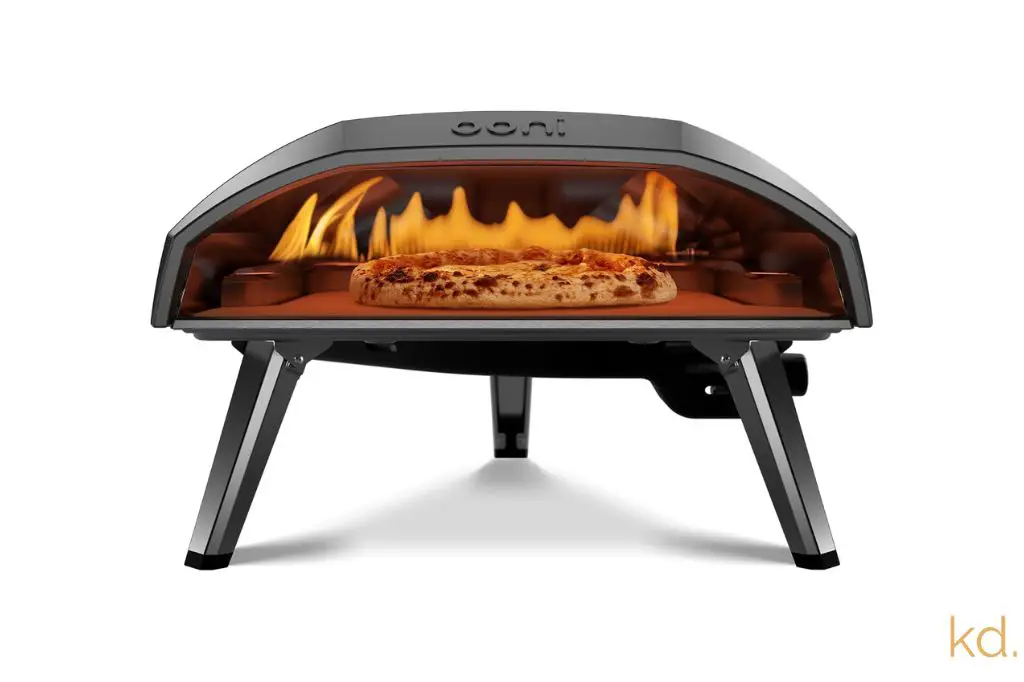
Best Portable Ooni Koda 12 provides professional results in a lightweight, portable package for those with outdoor space.
Best Multi-Functional Ninja Woodfire Outdoor Oven exceeds at pizza while offering smoking, roasting, and baking capabilities for maximum versatility.
Best Premium Choice Gozney Roccbox represents professional-grade engineering and construction for enthusiasts seeking ultimate quality.
Best Fuel Flexibility Bertello Multi-Fuel Outdoor Pizza Oven lets you experiment with wood, charcoal, and gas for varied flavor profiles.
Frequently Asked Questions
Can I use an indoor pizza oven in an apartment?
Yes, electric indoor pizza ovens designed for residential use work perfectly in apartments. Models like the Cuisinart Indoor Pizza Oven and Breville Pizzaiolo meet safety standards for indoor use. Ensure adequate ventilation and follow manufacturer guidelines.
How long does it take to cook pizza in a pizza oven?
Cooking times vary by temperature. High-heat ovens (900°F+) cook pizzas in 60-90 seconds. Mid-range ovens (700-750°F) need 2-5 minutes. Lower-temperature models require 10-15 minutes. Proper preheating significantly affects cooking time.
Are pizza ovens worth the investment?
For pizza enthusiasts cooking weekly or more, dedicated pizza ovens absolutely justify their cost. They produce superior results impossible in conventional ovens, heat faster, and often consume less energy. Occasional users might prefer more versatile appliances like convection oven ranges.
What’s the difference between indoor and outdoor pizza ovens?
Indoor ovens meet residential safety standards, typically using electric power and lower temperatures (700-750°F). Outdoor models can use various fuels and reach higher temperatures (900°F+) but require proper ventilation. Indoor ovens offer year-round convenience; outdoor models provide faster cooking and often cost less.
Do I need special pizza dough for pizza ovens?
High-temperature ovens work best with traditional Neapolitan dough—high hydration, minimal yeast, long fermentation. Lower-temperature ovens accommodate any pizza dough style. The oven temperature should match your dough type for optimal results.
Can pizza ovens cook other foods?
Many pizza ovens excel at bread, roasted vegetables, meats, and even desserts. Multi-functional models like the Ninja Woodfire specifically include additional cooking modes. Traditional pizza-only ovens still roast vegetables and bake bread beautifully, though they’re optimized for pizza.
How do I prevent pizza from sticking?
Use adequate flour or semolina on your peel and cooking surface. Launch pizza with a quick, confident motion. Properly preheated stones reduce sticking significantly. Perforated peels help release stuck dough. Practice improves technique dramatically.
What maintenance do pizza ovens require?
Most need simple maintenance: brushing stones after use, wiping exteriors, and periodic deep cleaning. Gas models require burner inspection and gas connection checks. Wood-fired units need ash removal. Follow manufacturer guidelines for specific requirements. Proper maintenance extends oven life significantly.
Conclusion
Choosing the best indoor pizza oven transforms your home cooking capabilities, bringing authentic pizzeria quality to your kitchen or backyard. Whether you prioritize the professional performance of the Breville Pizzaiolo, the versatility of the Ninja Woodfire, the portability of the Ooni Koda 12, or the budget-friendly convenience of the Presto Pizzazz, there’s a perfect pizza oven for your needs.
Consider your space, budget, typical usage patterns, and desired pizza styles when making your selection. Remember that even mid-range pizza ovens produce results far superior to conventional ovens, making them worthwhile investments for anyone who regularly enjoys pizza.
The small pizza oven market continues evolving with new technologies and features, but the fundamental goal remains unchanged: creating delicious, authentic pizza at home. With the information in this guide, you’re equipped to choose the indoor home pizza oven that best matches your cooking style and lifestyle needs.
Ready to start your pizza-making journey? Start with quality ingredients, practice your dough technique, and let your new pizza oven work its magic. Your perfect homemade pizza awaits, and for more information about different types of ovens, check out our comprehensive guide on choosing an oven or explore options for mini ovens if space is limited.
For those interested in other cooking methods, consider reading about air fryer oven combos or portable ovens as complementary kitchen tools that expand your culinary possibilities.