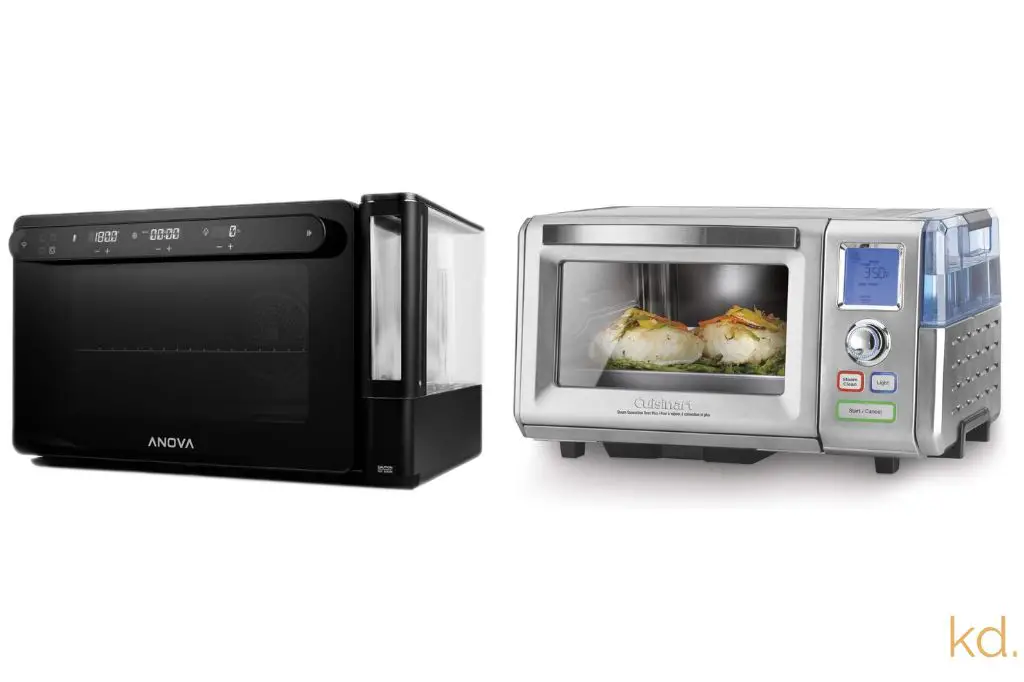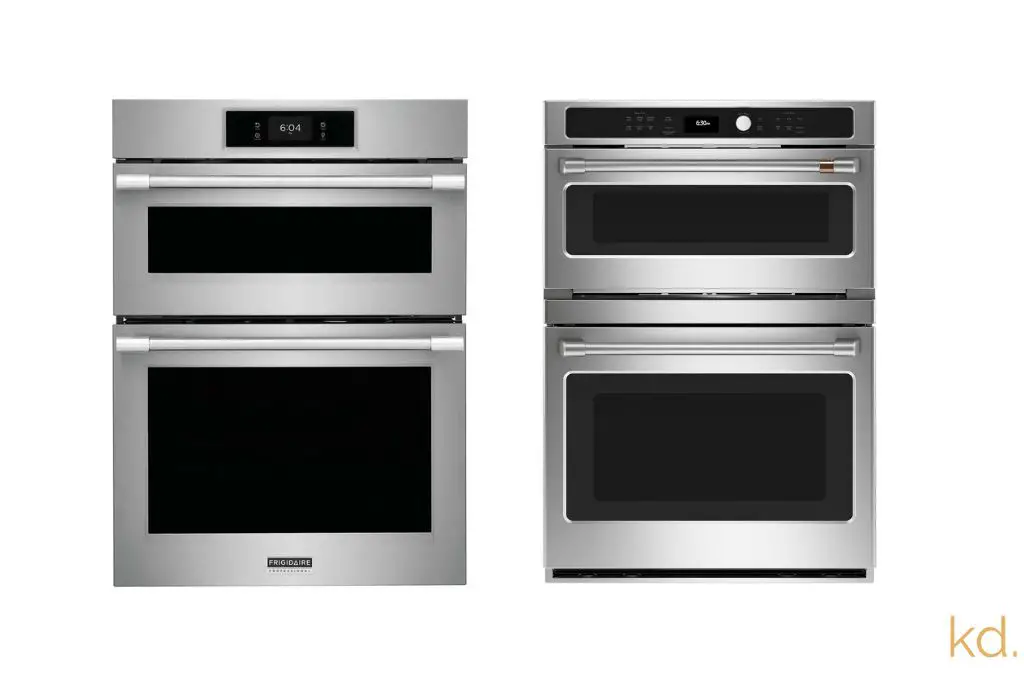
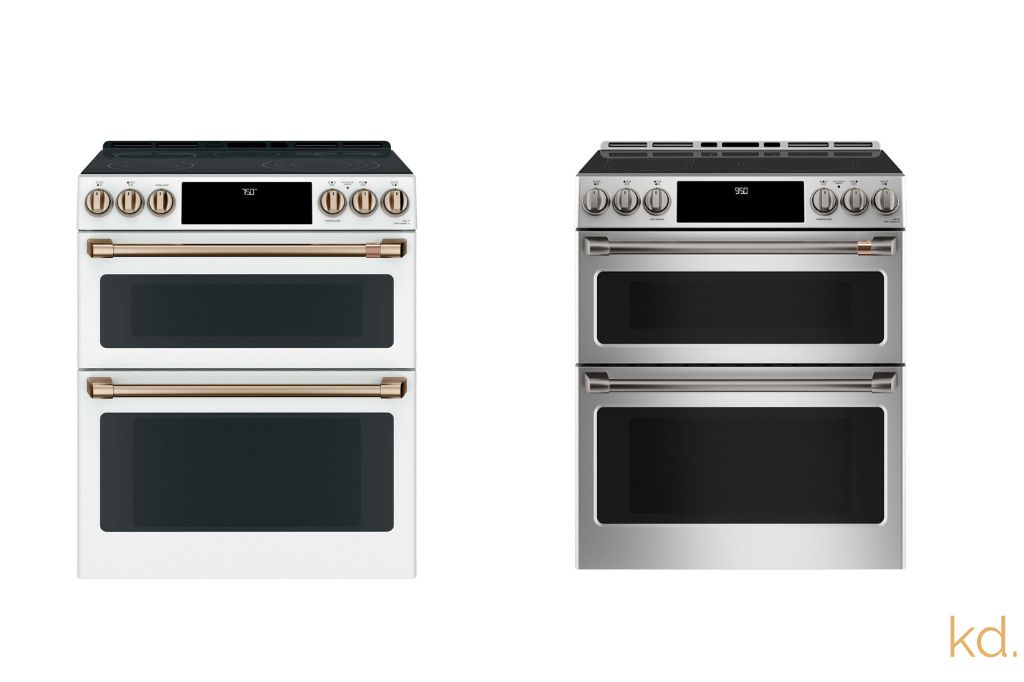
Choosing between an induction oven and an electric oven can feel overwhelming, especially when both promise efficient cooking and modern convenience. If you’re standing in your kitchen wondering which technology deserves your hard-earned money, you’re not alone. The good news? Understanding the key differences between these two cooking powerhouses doesn’t require an engineering degree. Before we dive deep into this comparison, it’s worth noting that your choice of oven significantly impacts your overall cooking experience, much like selecting the right home oven for your specific needs.
Let me walk you through everything you need to know about induction oven vs electric ovens, drawing from real-world experience, technical insights, and practical considerations that actually matter in your daily cooking routine.
Table of Contents for Induction Oven vs Electric Oven
Understanding the Technology Behind Each Oven Type
Here’s where things get interesting. While both induction and electric ovens use electricity as their power source, they work in fundamentally different ways. An electric oven operates through resistance heating—electricity flows through metal heating elements (those coils you see glowing red), which then radiate heat into your oven cavity. It’s straightforward, reliable technology that’s been perfected over decades.
Induction technology, on the other hand, takes a more sophisticated approach. Induction cooking uses electromagnetic fields to directly heat your cookware. When you place a compatible pot or pan on an induction surface, the magnetic field creates electrical currents within the cookware itself, generating heat from within the pan rather than from an external heat source. This isn’t science fiction—it’s cutting-edge kitchen technology that’s becoming increasingly popular in modern homes.
The distinction matters more than you might think. Traditional electric ovens heat the air inside the oven cavity, which then transfers heat to your food. Induction cooktops (often called induction ranges when combined with an oven below) heat your cookware directly, making them incredibly efficient for stovetop cooking. However, when we talk about full induction ovens for baking and roasting, we’re entering relatively new territory in residential kitchens.
Heat Distribution and Cooking Performance
Let’s talk about how these ovens actually cook your food, because that’s what really matters when you’re preparing Sunday dinner or trying to perfect your grandmother’s cookie recipe. Electric ovens have earned their reputation through consistency and predictability. The heating elements cycle on and off to maintain your set temperature, creating an environment that experienced bakers have learned to trust over generations.
Modern electric ovens, particularly convection models, distribute heat remarkably well. The addition of a fan circulates hot air throughout the oven cavity, eliminating hot spots and ensuring your casserole cooks evenly whether it’s on the top rack or bottom. This circulating air also means you can often cook at lower temperatures or reduce cooking times by about 25 percent compared to conventional baking.
Induction cooking surfaces offer unparalleled precision for stovetop work. You get instant temperature changes—turn the dial down, and your pan responds immediately, unlike electric coils that take time to cool. This responsiveness gives you control that rivals gas cooking, which is why professional chefs have started embracing induction technology in their home kitchens.
When it comes to full induction ovens (which are still relatively uncommon in residential settings), the technology shows promise but faces practical challenges. Most “induction ranges” on the market actually combine an induction cooktop with a traditional electric oven below. True induction oven technology for baking and roasting is still developing for home use, though it’s gaining traction in commercial settings.
Energy Efficiency and Operating Costs
Your utility bills don’t lie, and this is where the conversation gets really interesting. Induction cooking is incredibly energy-efficient—approximately 84 percent of the energy generated goes directly into heating your food, compared to about 74 percent for standard electric smooth-top ranges. That 10 percent difference might not sound dramatic, but it adds up over months and years of daily cooking.
Electric ovens have improved their efficiency significantly in recent decades. Modern models feature better insulation, more efficient heating elements, and smart features that optimize energy use. A typical electric oven uses between 2,000 and 5,000 watts depending on its size and whether you’re using the bake or broil function. While this represents substantial electricity consumption, it’s worth noting that ovens aren’t running constantly like your refrigerator.
Here’s the practical reality: induction cooktops will save you money on your stovetop cooking, potentially reducing your cooking-related energy costs by 10 to 20 percent compared to standard electric ranges. However, since the oven portions of most induction ranges still use conventional electric heating, you won’t see dramatic savings on baking and roasting energy costs unless you invest in a true induction oven system.
The speed advantage of induction also translates to energy savings. Because induction heats so quickly and efficiently, you’re using power for shorter periods. Boiling a pot of water on an induction cooktop takes roughly half the time it would on a conventional electric coil, meaning you’re consuming energy for less time overall.
Installation Requirements and Kitchen Compatibility
Let’s address the elephant in the room: both induction and electric ovens require dedicated electrical circuits, but their specific requirements differ in important ways. A standard electric oven typically needs a 240-volt circuit with 40 to 50 amps of capacity. Most homes built or renovated in the last several decades already have this wiring in place for their kitchen range.
Induction ranges generally require similar electrical capacity—240 volts and 40 to 50 amps—so if you’re replacing an existing electric range, the transition is usually straightforward. Your electrician probably won’t need to run new wiring, though it’s always wise to have a professional verify that your existing circuit can handle your new appliance’s specific requirements.
The real installation challenge with induction isn’t electrical—it’s your cookware. Induction cooktops only work with magnetic cookware, which means your pots and pans need to contain ferrous metal. Cast iron and most stainless steel cookware work perfectly, but aluminum, copper, and glass won’t function on induction surfaces unless they have a magnetic base. Before committing to induction, test your existing cookware with a simple magnet. If it sticks firmly to the bottom of your pan, you’re good to go. If not, budget for new cookware as part of your kitchen upgrade.
Standard electric ovens work with any cookware, giving you unlimited flexibility in your baking dishes, roasting pans, and stovetop pans. This compatibility might seem trivial, but replacing an entire cookware collection can easily add several hundred dollars to your kitchen renovation budget.
Cooking Speed and Temperature Responsiveness
Speed matters when you’re hungry, running late, or juggling multiple dishes during holiday meal preparation. Induction cooktops absolutely dominate in this category. Water boils in minutes, pans preheat almost instantly, and temperature adjustments happen immediately. This responsiveness gives you precise control that fundamentally changes how you cook.
I’ve tested both technologies extensively, and the speed difference on the cooktop is genuinely impressive. Bringing a large pot of pasta water to a rolling boil takes about four minutes on induction versus eight to ten minutes on a standard electric coil. When you’re cooking dinner after a long workday, those saved minutes matter.
Electric ovens, however, match induction in preheating speed since most induction ranges use conventional electric ovens anyway. Both typically take 10 to 15 minutes to reach 350°F, depending on the oven’s size and insulation quality. Convection models preheat slightly faster because the circulating fan distributes heat more efficiently throughout the cavity.
The temperature responsiveness of induction cooktops is particularly valuable for delicate cooking techniques. Making candy, tempering chocolate, or preparing sauces that can easily break requires precise temperature control. With induction, you turn the heat down and the temperature drops immediately. With electric coils, you’re fighting residual heat for several minutes while your careful sauce preparation teeters on the edge of disaster.
Cleaning and Maintenance Considerations
Kitchen maintenance might not be the most exciting topic, but it’s a daily reality that affects your quality of life. Induction cooktops win the cleaning competition hands down. Because the cooking surface itself doesn’t get hot (only the area directly under your pan heats up through contact with the hot cookware), spills and splatters don’t bake onto the surface. A quick wipe with a damp cloth handles most messes.
The smooth glass surface of induction cooktops is beautifully sleek and incredibly easy to maintain. There are no grates to remove, no coil elements to clean around, and no crevices where food particles hide. If something does manage to stick to the surface, you can use the same glass cooktop cleaner you’d use on any smooth-top electric range.
Traditional electric ovens require more involved cleaning, particularly if you have exposed coil elements that catch drips and spills. Self-cleaning features help tremendously—high-heat cycles burn off residue, though they consume significant energy and can produce smoke and odors during the cleaning process. Manual cleaning of an electric oven means scrubbing heating elements, racks, and interior surfaces with appropriate cleaners.
Modern electric ranges with smooth cooktops offer easier cleaning than old-style coil elements, but they still face the challenge of burned-on spills. When food hits a hot electric cooktop, it immediately begins to carbonize, creating stubborn messes that require scraping and specialized cleaners to remove.
Maintenance requirements for both oven types are minimal under normal use. Electric ovens might eventually need heating element replacement, while induction cooktops can experience control board failures (though this is relatively rare with quality brands). Both should last 10 to 20 years with proper care, making them solid long-term investments for your kitchen.
Safety Features and Kitchen Safety
Safety in the kitchen protects your family and gives you peace of mind, especially if you have curious children or occasionally distracted cooks in your household. Induction cooktops offer significant safety advantages that deserve serious consideration. Because the cooking surface doesn’t generate heat itself, you can touch the cooktop immediately adjacent to your cooking pan without burning yourself. The surface under the pan gets warm from contact with the hot cookware but cools down within minutes after you remove the pan.
This cool-touch feature is genuinely revolutionary if you’ve ever accidentally touched a hot electric coil or put your hand on a still-hot cooktop. Induction surfaces also include automatic shut-off features that deactivate the cooking zone if no compatible cookware is detected, preventing you from accidentally leaving an empty burner running.
Many induction cooktops feature child safety locks, pan detection systems that won’t activate unless properly sized cookware is present, and automatic shut-off timers. Some models even include overflow detection that turns off the burner if liquid boils over onto the controls.
Electric ovens have their own safety features, including automatic shut-off timers, locking mechanisms for self-cleaning cycles, and insulated doors that stay relatively cool even when the oven is running at high temperatures. Modern electric ranges also include hot surface indicator lights that warn you when cooktop elements are still hot after you’ve turned them off.
The fire risk is lower with induction cooking because there’s no open flame and the cooking surface doesn’t reach extreme temperatures independently of your cookware. However, both electric and induction ovens can be safe when used properly with common-sense precautions.
Cost Comparison: Initial Investment and Long-Term Value
Let’s talk money, because budget realities shape most kitchen decisions. Standard electric ranges represent the most affordable entry point into modern cooking, with basic models starting around $400 to $600. Mid-range electric ranges with convection ovens and smooth cooktops typically cost $800 to $1,500, while high-end models with advanced features can reach $2,000 to $3,000.
Induction ranges command premium prices, reflecting their advanced technology and growing but still specialized market position. Entry-level induction ranges start around $1,000 to $1,500, mid-range options run $1,500 to $2,500, and professional-grade induction ranges easily exceed $3,000 to $5,000. The price gap between electric and induction has narrowed in recent years as induction technology becomes more mainstream, but induction remains notably more expensive.
Beyond the initial purchase price, consider installation costs. If your kitchen is already wired for an electric range, installation should be straightforward and relatively inexpensive—perhaps $100 to $200 for a professional to connect your new appliance. Switching from gas to either electric or induction requires running new 240-volt wiring, which can cost $500 to $1,500 depending on your home’s electrical capacity and kitchen location.
The cookware factor adds another cost consideration for induction. If your current pots and pans aren’t induction-compatible, budget $200 to $500 (or more) for a basic set of quality induction-ready cookware. This one-time expense shouldn’t be dismissed, but it’s worth noting that good induction-compatible cookware works on any cooking surface, including traditional electric and gas ranges.
Long-term operating costs favor induction slightly due to higher energy efficiency, but the savings aren’t dramatic enough to offset the higher purchase price through utility bill reductions alone. You might save $50 to $100 annually on cooking energy costs with induction compared to electric, meaning it could take 10 to 20 years to recover the initial price premium through energy savings.
Performance for Different Cooking Styles
Your cooking style should heavily influence your oven choice. If you’re an avid baker who makes bread, pastries, and cakes regularly, a good electric convection oven delivers the consistent, even heat that baking demands. The predictable temperature control and excellent heat distribution of modern electric ovens have made them the standard in home baking for good reason.
For stovetop cooking—sautéing, stir-frying, making sauces, or any technique requiring rapid temperature changes—induction’s responsiveness gives you an advantage that approaches gas cooking’s legendary control. Professional chefs and serious home cooks appreciate how quickly induction responds to temperature adjustments, giving you precise control over delicate cooking processes.
Electric ovens excel at slow roasting, braising, and any cooking method that benefits from steady, consistent heat over extended periods. The thermal mass of electric ovens helps maintain stable temperatures even when you open the door to check on your dish.
If you’re the kind of cook who regularly uses multiple burners simultaneously at high heat—think big family meals or frequent entertaining—be aware that induction ranges have a maximum power limit. While individual burners might offer high power, running all burners at maximum simultaneously often isn’t possible because of circuit limitations. This rarely affects everyday cooking but can be a consideration for serious cooks.
Environmental Impact and Sustainability
Sustainability matters to many homeowners, and your cooking appliance choice carries environmental implications. Induction cooking is objectively more energy-efficient than electric resistance cooking, which means it consumes less electricity to produce the same cooking results. In regions where electricity comes from renewable sources, this efficiency advantage translates directly to reduced environmental impact.
Electric ovens have improved their environmental profile through better insulation, more efficient heating elements, and features like convection fans that reduce cooking times and temperatures. Modern electric ranges use significantly less energy than models from 20 or 30 years ago.
The climate impact of cooking depends heavily on your local electricity generation mix. If your power comes primarily from coal plants, both electric and induction cooking carry a larger carbon footprint than in regions with clean energy sources. However, as the electrical grid continues shifting toward renewable energy, electrically powered cooking becomes increasingly sustainable.
Induction cooking produces less waste heat in your kitchen, which means your air conditioning system works less during summer months (in climates where this matters). This indirect energy saving adds to induction’s overall efficiency advantage.
Both electric and induction ovens typically last 10 to 20 years with proper maintenance, making them durable long-term investments that don’t contribute to appliance waste through frequent replacement. Choosing quality models from reputable manufacturers maximizes your appliance’s lifespan and minimizes environmental impact.
Common Challenges and Limitations
No technology is perfect, and understanding each option’s limitations helps you make an informed decision. Induction cooking faces a few notable challenges. The electromagnetic field can interfere with some pacemakers, though modern pacemakers are generally well-shielded. If you or someone in your household has a pacemaker, consult with their cardiologist before installing an induction cooktop.
Some cooks report that induction cooktops produce a slight humming or buzzing sound during operation, particularly at high power settings. This noise comes from the cooling fan and the electromagnetic field’s interaction with your cookware. Quality induction ranges minimize this sound, but it’s worth testing a model in person if you’re sensitive to kitchen noise.
Induction cooktops require flat-bottomed cookware for optimal performance. Woks, which traditionally have rounded bottoms, need special flat-bottomed induction versions. Some cooks feel this limits their cooking options, though flat-bottomed woks work well for most stir-frying techniques.
Electric ovens heat the entire cooking surface, which can create hot kitchens during summer months and increase cooling costs. The exposed coils on traditional electric ranges also pose burn risks, though smooth-top electric ranges minimize this concern. Electric coils take time to heat up and cool down, reducing your temperature control compared to induction or gas cooking.
Power outages affect both electric and induction ovens equally—when the electricity goes out, you can’t cook. This is a consideration if you live in an area with frequent power interruptions, though it’s not a distinguishing factor between these two electric cooking options.
Making Your Decision: Which Oven Type Is Right for You?
After examining all these factors, how do you actually choose? Start by honestly assessing your cooking habits, budget, and priorities. If you’re a budget-conscious shopper who does primarily basic cooking and baking, a quality mid-range electric oven delivers excellent performance without the premium price tag of induction technology. You’ll have reliable, consistent cooking with lower upfront costs and complete cookware compatibility.
Choose an induction range if you value cooking speed, precise temperature control, easy cleaning, and energy efficiency, and you’re willing to pay a premium for these advantages. Induction makes the most sense for serious cooks who spend significant time at the stovetop, frequently work with delicate sauces or techniques requiring precise temperature control, and appreciate the safety benefits of cool-touch cooking surfaces.
Bakers might slightly favor electric ovens simply because that’s what most recipes have been developed and tested with, making it easier to achieve consistent results. However, since most induction ranges pair induction cooktops with traditional electric ovens, you can enjoy induction’s stovetop benefits without sacrificing baking performance.
If you’re renovating your entire kitchen, consider that induction cooktops’ sleek appearance and easy cleaning might align better with a modern kitchen aesthetic. The flush-mount installation of induction cooktops creates clean lines that appeal to contemporary design sensibilities.
For families with young children, induction’s safety features—particularly the cool-touch surface—provide genuine peace of mind that might justify the higher cost. The reduced burn risk is a tangible safety benefit that protects curious little hands.
Future Trends and Technology Development
The cooking appliance market continues evolving rapidly, with both electric and induction technologies seeing interesting developments. Smart features are increasingly common across both categories, with WiFi connectivity, app controls, and voice assistant integration becoming standard even on mid-range models.
Induction technology is advancing toward more efficient power delivery, quieter operation, and better cookware detection. Some manufacturers are experimenting with larger “induction zones” that can accommodate oversized cookware or multiple pots simultaneously. The technology is also becoming more affordable as manufacturing scales up and competition increases.
Electric oven technology is focusing on improved efficiency, faster preheating, and more sophisticated temperature management systems. Steam-assist features, air frying capabilities, and multi-zone cooking are becoming more common in higher-end electric ranges.
The lines between cooking technologies are blurring in interesting ways. Some ranges now offer combination cooking zones that work with both traditional cookware and induction-ready pots, giving you maximum flexibility. Others integrate multiple cooking technologies in a single appliance, like ranges with both induction cooktops and advanced convection electric ovens.
Final Thoughts on Choosing Your Perfect Oven
The decision between an induction oven and an electric oven ultimately comes down to your personal priorities, cooking style, and budget. There’s no universally “better” choice—each technology offers distinct advantages that appeal to different users. Electric ovens provide proven, reliable performance at accessible price points, making them an excellent choice for most home cooks. Induction ranges deliver cutting-edge cooking technology with superior efficiency and control, justifying their premium prices for enthusiastic cooks who value these benefits.
Consider your actual cooking needs rather than aspirational ones. If you rarely cook elaborate meals and primarily use your oven for reheating and basic baking, spending thousands on an induction range might not enhance your daily life proportionally to its cost. Conversely, if you cook daily, frequently work with multiple pots simultaneously, and love experimenting with challenging recipes, induction’s precision and speed might transform your cooking experience.
Test both technologies if possible before committing. Visit appliance showrooms, ask friends who own each type for their honest opinions, and read reviews from users whose cooking styles match yours. The best oven is the one that fits seamlessly into your life, supports your cooking goals, and brings you joy every time you prepare a meal.
Whether you choose the tried-and-true reliability of electric cooking or embrace the innovative technology of induction, modern ovens offer incredible performance that previous generations of home cooks could only dream about. Both technologies have earned their place in contemporary kitchens, and both can help you create delicious meals for years to come. Your choice matters less than choosing quality construction, appropriate features for your needs, and a reputable brand that stands behind its products. If you’re looking for more specialized cooking options, you might also want to explore options like a portable oven or learn more about various oven brands to find the perfect match for your kitchen.
Happy cooking, whatever oven technology you choose!