Choosing the right oven can make or break your cooking experience. Whether you’re a baking enthusiast, a home chef, or someone who just wants reliable performance, selecting from the best oven brands is crucial for getting consistent results in your kitchen.
If you’re in the market for a new oven, you’ll want to check out our comprehensive guide on how to choose an oven before diving into specific brands. Understanding your cooking needs, kitchen space, and budget will help you make the most informed decision.
The oven market has evolved dramatically over the past few years. Today’s top oven brands are pushing boundaries with smart technology, energy efficiency, and innovative cooking features that would have seemed futuristic just a decade ago. From convection baking to steam cooking and WiFi connectivity, modern ovens are doing more than ever before.
In this detailed guide, we’ll explore the top 10 oven brands that consistently deliver quality, performance, and value. We’ve analyzed customer reviews, tested features, and compared specifications to bring you an honest assessment of what makes each brand stand out—and where they might fall short.
10 Best Oven Brands
1. Wolf: The Professional’s Choice
Wolf has built its reputation on delivering restaurant-quality cooking performance for home kitchens. Founded in 1934, this American brand has become synonymous with professional-grade appliances that serious cooks dream about.
Pros:
- Dual VertiCross™ convection system ensures even heat distribution
- Exceptional build quality with commercial-grade materials
- Gourmet mode with pre-programmed settings for perfect results
- Self-cleaning feature that actually works
- Temperature probe for precise cooking
- Ten cooking modes including convection, bake, broil, and roast
Cons:
- Premium pricing puts it out of reach for many budgets
- Requires professional installation
- Heavy and bulky design may not fit all kitchen layouts
- Service and parts can be expensive
- Learning curve for utilizing all features
Wolf ovens are engineered for those who take cooking seriously. The dual convection system uses two fans to circulate air throughout the oven cavity, eliminating hot spots and ensuring consistent baking results. Whether you’re roasting a turkey or baking delicate pastries, Wolf delivers predictable, professional results.
The brand’s signature red knobs aren’t just aesthetic—they’re precision instruments that give you exact temperature control. The oven’s interior is finished with porcelain that resists staining and makes cleanup straightforward.
Best for: Serious home chefs, baking enthusiasts, and anyone who wants the absolute best performance regardless of cost.
2. Miele: German Engineering Excellence
Miele represents the pinnacle of German engineering in the kitchen appliance world. This family-owned company has been manufacturing premium appliances since 1899, and their ovens reflect over a century of innovation and refinement.
Pros:
- MoisturePlus technology adds steam during cooking for superior results
- PerfectClean finish prevents food from sticking and burning on
- Exceptional energy efficiency with A+ ratings
- Intuitive touchscreen controls with guided cooking programs
- Twenty-year average lifespan (longest in the industry)
- Wireless food probe with precise temperature monitoring
Cons:
- Extremely high upfront investment
- Limited service network in some regions
- Proprietary cleaning products recommended
- May be overly complex for simple cooking needs
- Replacement parts are costly
What sets Miele apart is their obsessive attention to detail and durability. These ovens are built to last decades, not just years. The MoisturePlus feature is particularly impressive—it allows you to add moisture at precise intervals during cooking, perfect for artisan bread baking or keeping roasts juicy.
The PerfectClean enamel coating is a game-changer for cleanup. Food residue literally wipes away without harsh scrubbing, and the surface resists scratching and wear even after years of use.
Best for: Homeowners seeking a long-term investment, baking perfectionists, and those who appreciate European design aesthetics.
3. Bosch: Reliable Innovation
Bosch has mastered the balance between innovation and affordability. This German brand brings professional-level features to mid-range price points, making quality cooking accessible to more households.
Pros:
- EcoClean Direct technology reduces cleaning time
- Fast preheat times (ready in under 10 minutes)
- QuietClose door closes gently without slamming
- Excellent warranty coverage and customer service
- Energy Star certified models
- AutoPilot programs for foolproof cooking
Cons:
- Controls can feel less intuitive than competitors
- Some models lack advanced convection features
- Interior lighting could be brighter
- Racks occasionally feel flimsy
- Limited color options (mostly stainless steel)
Bosch ovens excel at everyday cooking tasks without unnecessary complexity. The EcoClean system uses a special catalytic coating that breaks down grease and food residue during normal cooking, reducing the need for harsh cleaning cycles.
The European Convection system with a third heating element provides even heat distribution for consistent results. Whether you’re batch-cooking for meal prep or hosting holiday dinners, Bosch ovens handle varied cooking tasks with ease.
Best for: Practical cooks who want quality without premium pricing, families with busy lifestyles, and those who value low maintenance.
4. KitchenAid: The Baker’s Favorite
KitchenAid has earned loyal fans in the baking community, and for good reason. Their ovens are designed with precision temperature control and even heat distribution that bakers absolutely need.
Pros:
- Even-Heat™ True Convection system provides consistent results
- Temperature sensor ensures accuracy within 1 degree
- Attractive design with multiple color options
- AquaLift self-cleaning technology is gentler than traditional cycles
- Glass touch controls are easy to clean
- Five-element convection system in premium models
Cons:
- Temperature calibration sometimes needed out of box
- Control panel can be confusing initially
- Some models prone to door hinge issues over time
- Convection fan can be noisy
- Premium models are quite expensive
The Even-Heat™ system is specifically engineered for baking perfection. A unique bow-tie design heating element and fan placement ensure hot air reaches every corner of the oven cavity. This means no more rotating pans halfway through baking—your cookies come out evenly browned every time.
KitchenAid also offers beautiful color options beyond basic stainless steel. Their colored appliances can become the centerpiece of your kitchen design, available in black stainless, white, and even custom colors.
Best for: Home bakers, cookie enthusiasts, and anyone who wants consistent, predictable baking results with style.
5. GE Appliances: American Reliability
GE has been manufacturing appliances in America for over a century, and their ovens represent solid, dependable performance at various price points. From budget-friendly models to high-end smart ovens, GE offers something for everyone.
Pros:
- Wide range of models and price points
- True European Convection with third element
- WiFi connectivity for remote monitoring and control
- Self-cleaning with steam option
- Edge-to-edge cooktop design maximizes space
- Excellent customer service network nationwide
Cons:
- Build quality varies significantly between model lines
- Smart features can be glitchy
- Some budget models lack precision temperature control
- Interior enamel may chip over time
- Convection performance inconsistent in lower-tier models
GE’s strength lies in accessibility and variety. Their Profile and Café lines compete with premium brands while maintaining more affordable pricing. The WiFi-enabled models allow you to preheat your oven from your smartphone or receive alerts when cooking is complete—genuinely useful features, not just gimmicks.
The True European Convection system includes a third heating element near the fan, providing more even heat distribution than basic convection systems. This makes a noticeable difference when baking multiple racks of cookies or roasting large cuts of meat.
Best for: Budget-conscious shoppers who still want quality, smart home enthusiasts, and those who prioritize widespread service availability.
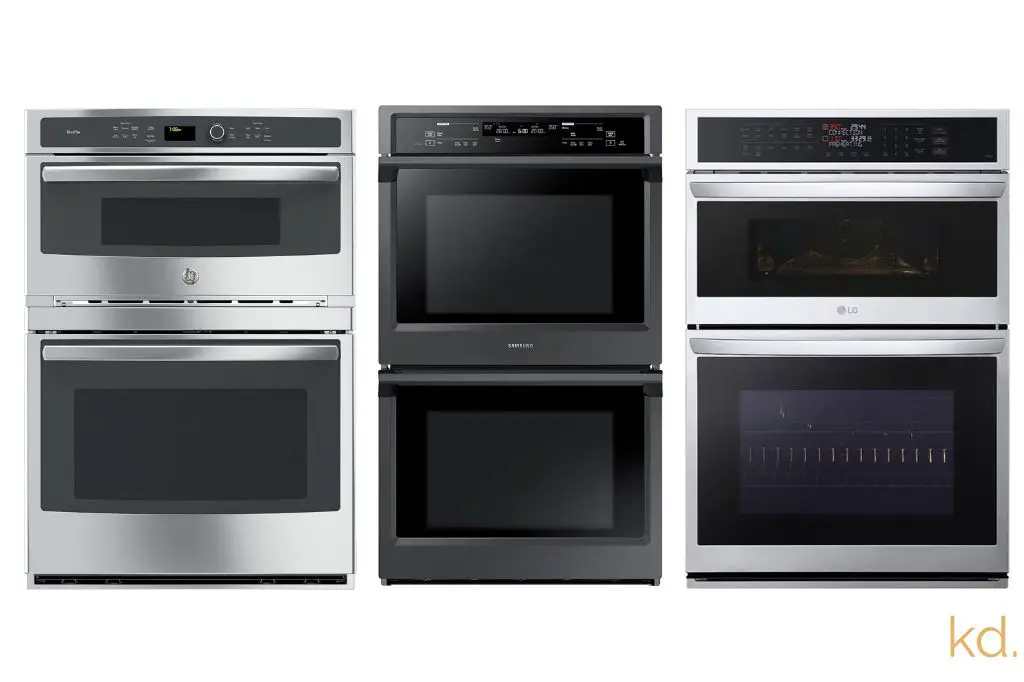
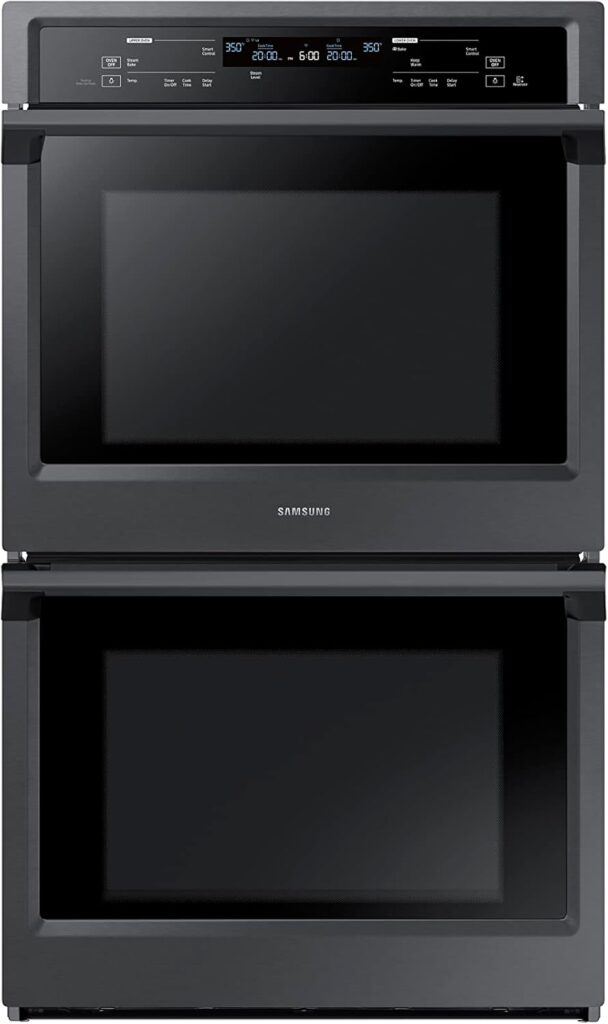
6. Samsung: Smart Kitchen Pioneer
Samsung has revolutionized the oven market with cutting-edge smart technology and sleek designs. While relatively new to the appliance game compared to traditional brands, Samsung has quickly become a serious contender in the oven brands list.
Pros:
- SmartThings app integration for remote control
- Dual Convection system for faster, even cooking
- Steam Cook feature adds moisture for healthier meals
- Voice control compatible with Alexa and Google Assistant
- Modern touchscreen interface
- Air Fry mode built into many models
Cons:
- Long-term reliability still being proven
- Smart features require stable WiFi connection
- Can be complex to navigate all features
- Customer service experiences vary
- Some report premature control panel failures
Samsung’s smart features genuinely enhance the cooking experience. The SmartThings app isn’t just for preheating—it provides cooking recommendations based on what’s in your fridge, sends you recipe suggestions, and guides you through complex cooking techniques step-by-step.
The Flex Duo technology in select models allows you to split the oven into two separate cooking zones with different temperatures. This means you can bake cookies at 350°F in the top zone while roasting vegetables at 425°F below—simultaneously.
Best for: Tech-savvy cooks, smart home adopters, and those who want the latest innovations in kitchen technology.
7. Whirlpool: Value and Versatility
Whirlpool represents the sweet spot between affordability and functionality. As one of the world’s largest appliance manufacturers, they’ve refined their ovens through decades of consumer feedback and continuous improvement.
Pros:
- Frozen Bake™ technology cooks frozen foods without preheating
- True convection available even in mid-range models
- TimeSavor™ Plus convection cooking reduces cook times by 25%
- Reliable temperature accuracy
- Easy-to-use controls without unnecessary complexity
- Strong warranty support
Cons:
- Design aesthetics feel dated compared to competitors
- Interior capacity smaller than some competitors at same size
- Convection fan louder than premium brands
- Self-cleaning cycle takes longer
- Limited smart features in most models
Whirlpool’s Frozen Bake™ technology is incredibly practical for busy families. Skip the preheating step and cook frozen pizzas, french fries, and other convenience foods directly from frozen with optimized results. This feature alone saves significant time on weeknight dinners.
The AccuBake temperature management system uses a sensor to monitor oven temperature and adjust heating elements automatically, ensuring consistent results regardless of how often you open the door to check on food.
Best for: Families on a budget, practical cooks who prioritize function over flash, and those seeking proven reliability.
8. Frigidaire: Budget-Friendly Performance
Frigidaire has long been the go-to brand for cost-conscious consumers who refuse to sacrifice quality. While not packed with premium features, Frigidaire ovens deliver solid, dependable cooking performance.
Pros:
- Most affordable options among major brands
- Quick Preheat feature gets oven ready faster
- SpaceWise® adjustable racks maximize flexibility
- Store-More™ storage drawer provides extra space
- PowerPlus™ preheat speeds up cooking start
- Straightforward, user-friendly controls
Cons:
- Insulation could be better (exterior gets hot)
- Build quality feels lighter than premium brands
- Convection available only in higher-end models
- Temperature accuracy varies between models
- Limited finish options
Don’t let the lower price fool you—Frigidaire ovens can handle everyday cooking tasks admirably. The Quick Preheat feature uses both upper and lower elements simultaneously to reach cooking temperature in about half the normal time, perfect when you forgot to preheat before starting dinner prep.
The SpaceWise® adjustable racks offer more positioning options than fixed-rack systems, allowing you to customize the interior for tall roasting pans or multiple sheet trays.
Best for: First-time homeowners, apartment dwellers, and anyone who needs reliable cooking performance without premium pricing. You might also be interested in exploring home oven options for more budget-friendly choices.
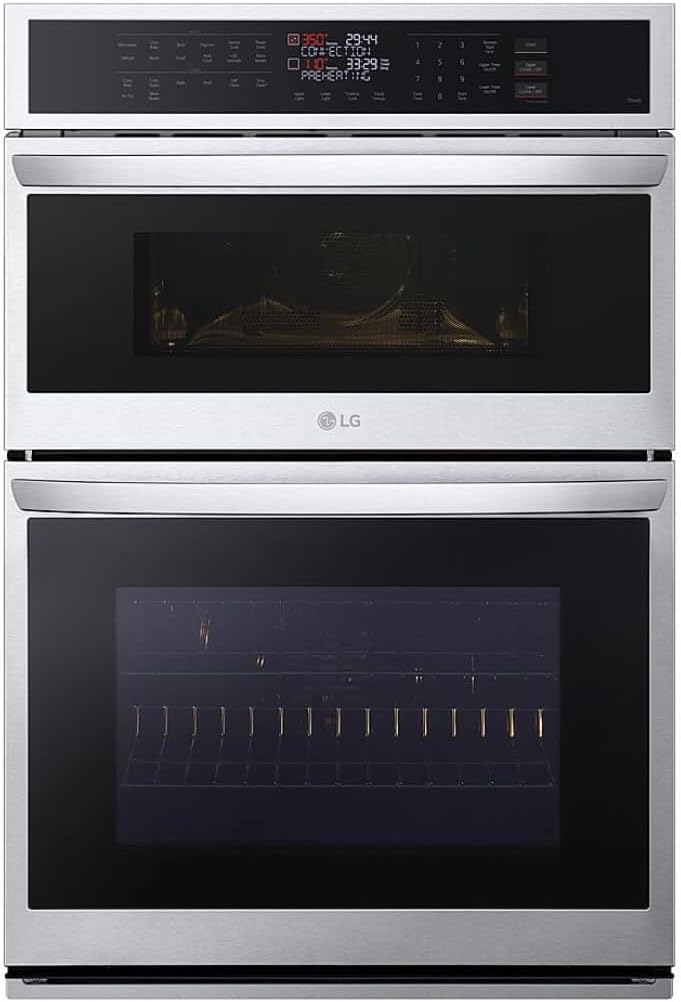
9. LG: Innovation Meets Style
LG has brought fresh thinking to the oven market with unique features and stunning designs. Their ovens combine Korean engineering precision with thoughtful innovations that address real cooking challenges.
Pros:
- ProBake Convection® with heating element on back wall
- InstaView® window lets you see inside without opening door
- EasyClean® feature cleans in just 10 minutes
- Air Fry mode eliminates need for separate appliance
- SmartThinQ® app connectivity
- Striking design with premium finishes
Cons:
- Repair parts can be difficult to source
- Learning curve for advanced features
- Some models experience control board failures
- Customer service response times inconsistent
- InstaView glass requires frequent cleaning
LG’s ProBake Convection® system is unique in placing the heating element on the back wall rather than hidden beneath the oven floor. This delivers more even heat distribution and eliminates the need for specialized convection cookware.
The InstaView® feature is more useful than it sounds—two quick knocks on the glass illuminate the interior, letting you check cooking progress without releasing heat. This maintains consistent temperature and improves cooking results, especially for delicate baking.
Best for: Design-conscious homeowners, those who want air frying capability without a separate appliance, and cooks who appreciate innovative features.
10. Café Appliances: Customizable Luxury
Café is GE’s premium line designed for homeowners who want customizable aesthetics without fully custom pricing. These ovens combine professional performance with unique design flexibility.
Pros:
- Customizable hardware in six finishes (brushed bronze, copper, etc.)
- True European Convection with precise results
- WiFi Connect for smart home integration
- Chef Connect synchronizes with range hood
- Precision Cooking modes with built-in temperature probe
- Beautiful design that stands out
Cons:
- Hardware customization adds significant cost
- Limited to GE service network
- Some smart features feel underdeveloped
- Convection performance good but not Wolf-level
- Premium pricing without all premium features
What makes Café unique is the ability to customize hardware finishes to match your kitchen design. Choose from brushed bronze, brushed stainless, brushed black, brushed copper, flat black, or brushed brass handles and knobs. This level of personalization was previously available only through custom appliance manufacturers.
The True European Convection system delivers consistent results across a wide temperature range. The precision cooking modes take the guesswork out of complex recipes, automatically adjusting time and temperature for optimal results.
Best for: Homeowners doing kitchen renovations, design enthusiasts who want unique aesthetics, and those seeking premium features at near-premium (but not ultra-premium) pricing.
Comparison Table: Best Oven Brands at a Glance
| Brand | Convection Type | Smart Features | Self-Cleaning | Warranty | Energy Rating | Key Innovation |
|---|---|---|---|---|---|---|
| Wolf | Dual VertiCross | Limited | Yes | 2 years | Good | Gourmet Mode |
| Miele | MoisturePlus | WiFi Ready | Yes | 2 years | Excellent | PerfectClean |
| Bosch | European | AutoPilot | EcoClean | 2 years | Excellent | QuietClose |
| KitchenAid | Even-Heat True | Limited | AquaLift | 1 year | Good | Temperature Sensor |
| GE | True European | WiFi Connect | Steam Clean | 1 year | Good | Edge-to-Edge |
| Samsung | Dual Fan | SmartThings | Steam Clean | 1 year | Good | Flex Duo |
| Whirlpool | True Convection | Limited | Yes | 1 year | Good | Frozen Bake |
| Frigidaire | Select Models | Basic | Quick Clean | 1 year | Fair | PowerPlus Preheat |
| LG | ProBake | SmartThinQ | EasyClean | 1 year | Good | InstaView |
| Café | True European | WiFi Connect | Steam Clean | 1 year | Good | Custom Hardware |
Comprehensive Buying Guide for Oven Brands
Understanding Oven Types
Before selecting from the popular oven brands, you need to understand which oven type suits your needs:
Single Wall Ovens offer one cooking cavity and are ideal for smaller households or kitchens with limited space. They typically range from 24 to 30 inches wide.
Double Wall Ovens provide two separate cooking cavities, perfect for cooking multiple dishes at different temperatures simultaneously. If you’re considering this option, check out our guide on double ovens with microwave to see combination options.
Range Ovens combine a cooktop with an oven below, maximizing space efficiency in your kitchen. These come in slide-in or freestanding configurations.
Key Features to Consider
Convection vs. Conventional
Convection ovens use fans to circulate hot air, resulting in faster cooking times and more even results. True convection (also called European convection) includes a third heating element near the fan for even better performance. Conventional ovens use radiant heat from top and bottom elements without air circulation.
For baking enthusiasts, convection is nearly essential. According to the American Test Kitchen, convection ovens reduce baking time by about 25% and produce more evenly browned results.
Self-Cleaning Options
Modern ovens offer several self-cleaning methods:
- Pyrolytic cleaning heats the oven to extremely high temperatures (around 900°F) to turn food residue into ash
- Steam cleaning uses water and lower heat to soften debris for easy wiping
- Catalytic cleaning uses special oven linings that break down grease during normal cooking
Smart Technology
WiFi-enabled ovens allow you to:
- Preheat remotely from your smartphone
- Monitor cooking progress via camera feeds
- Receive notifications when cooking is complete
- Access guided cooking programs
- Download recipes directly to your oven
While convenient, smart features should be a bonus, not the primary decision factor. Ensure the oven cooks well before considering connectivity features.
Size and Capacity Matters
Standard oven widths are 24, 27, and 30 inches. Measure your existing cutout carefully before ordering—even small discrepancies can prevent proper installation.
Interior capacity is measured in cubic feet. A 5.0+ cubic foot capacity can accommodate a full-size turkey, while 3.0-4.0 cubic feet works well for typical family cooking.
Consider rack positions and adjustability. More rack positions provide greater flexibility for different dish sizes and quantities.
Energy Efficiency Considerations
Look for Energy Star certified models, which use about 20% less energy than standard ovens. This reduces both your environmental impact and utility bills.
Convection ovens are inherently more energy-efficient because they cook faster at lower temperatures. The circulating air transfers heat more effectively than radiant heat alone.
Insulation quality matters too. Well-insulated ovens maintain temperature more consistently, use less energy, and keep your kitchen cooler during extended cooking sessions.
Installation Requirements
Electric ovens require a 240-volt electrical connection. Ensure your kitchen has the proper wiring before purchasing. Installation typically costs $150-$300.
Gas ovens need both a gas line and electrical connection (for controls and ignition). Gas installation is more complex and typically costs $200-$500.
Consider ventilation requirements, especially for powerful convection models. Some may require upgraded range hood capacity.
Warranty and Service
Premium brands like Wolf and Miele offer 2-year warranties, while most manufacturers provide 1-year coverage. Extended warranties may be worth considering for expensive models.
Check service availability in your area. A premium brand means little if no qualified technicians service it locally. GE, Whirlpool, and Frigidaire have the widest service networks in North America.
Budget Planning
Entry-level ovens from reliable brands: $800-$1,500 Mid-range with convection and smart features: $1,500-$3,000 Premium brands with advanced features: $3,000-$6,000 Ultra-premium professional-grade: $6,000+
Remember to budget for installation, which can add several hundred dollars to your total cost.
Common Mistakes to Avoid
Prioritizing aesthetics over performance — A beautiful oven that cooks unevenly is still a bad oven. Function first, form second.
Ignoring capacity needs — Buying too small for your household leads to frustration. Consider your largest cooking scenarios, not just daily needs.
Overlooking measurement requirements — Always measure twice, order once. Factor in clearances for door swing and ventilation.
Skipping professional installation — Improper installation voids warranties and creates safety hazards. Invest in professional installation.
Buying more features than you’ll use — If you only bake occasionally, you probably don’t need MoisturePlus steam technology. Match features to your actual cooking habits.
Questions to Ask Before Buying
- What type of cooking do I do most often?
- How many people do I typically cook for?
- Do I need double ovens or will single suffice?
- Is convection important for my cooking style?
- How important are smart features to me?
- What’s my realistic budget including installation?
- Do I have proper electrical/gas connections?
- Is service readily available in my area?
- How important is energy efficiency?
- What’s the expected lifespan and warranty?
Making Your Final Decision
Choosing among the best oven brands ultimately comes down to matching features with your specific needs and budget. If you’re a serious home chef or baker, investing in Wolf, Miele, or KitchenAid will provide the precision and durability you need. These brands consistently deliver professional-level results that justify their premium pricing for those who use them regularly.
For most households, mid-range options from Bosch, GE, Samsung, or LG offer the best balance of features, quality, and value. These brands provide advanced convection systems, smart connectivity, and reliable performance without the ultra-premium price tag.
Budget-conscious shoppers shouldn’t overlook Whirlpool and Frigidaire. While lacking some premium features, these brands deliver dependable cooking performance that handles everyday tasks admirably. Sometimes simple and reliable beats complex and finicky.
Don’t forget to consider the long-term value equation. A $2,000 oven that lasts 20 years costs $100 per year. A $800 oven that needs replacement after 7 years costs $114 per year—plus the hassle of another renovation project. Quality often pays for itself over time.
For more detailed information on choosing the right oven for your specific cooking needs, be sure to visit oven brands for additional comparisons and reviews. If you’re particularly interested in baking, our oven for baking guide provides specialized recommendations for achieving perfect baked goods.
Whatever brand you choose, invest time in learning your new oven’s features and quirks. Read the manual thoroughly, experiment with different cooking modes, and don’t be afraid to adjust recipes for your specific model. The best oven is the one you know how to use effectively—even a premium brand performs poorly in inexperienced hands.
Happy cooking, and may your new oven bring years of delicious meals and baking triumphs to your kitchen! 🍽️