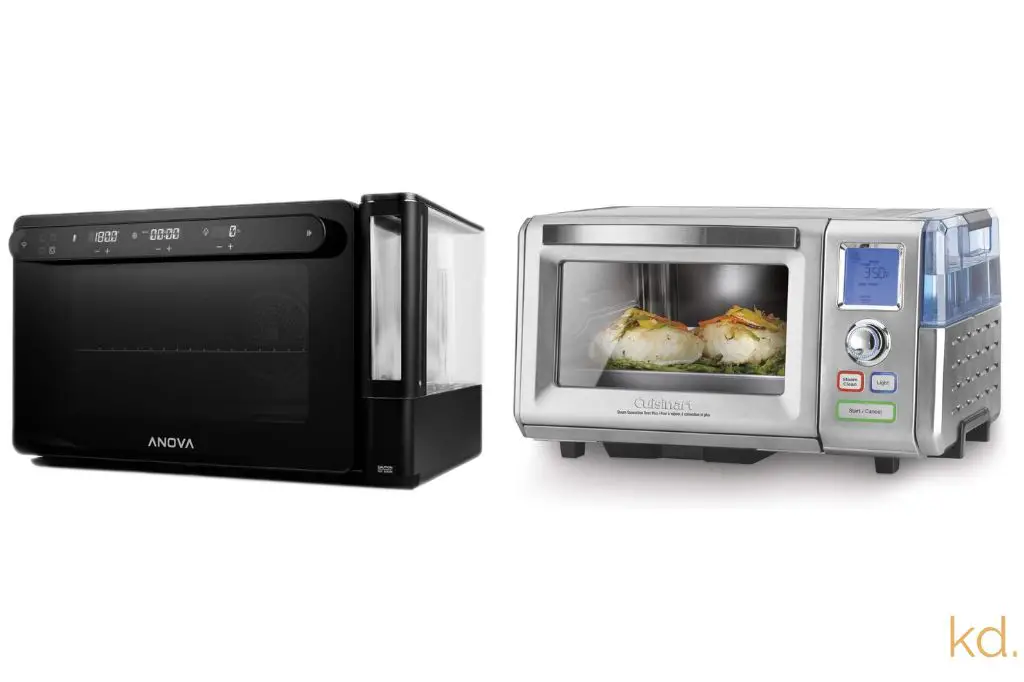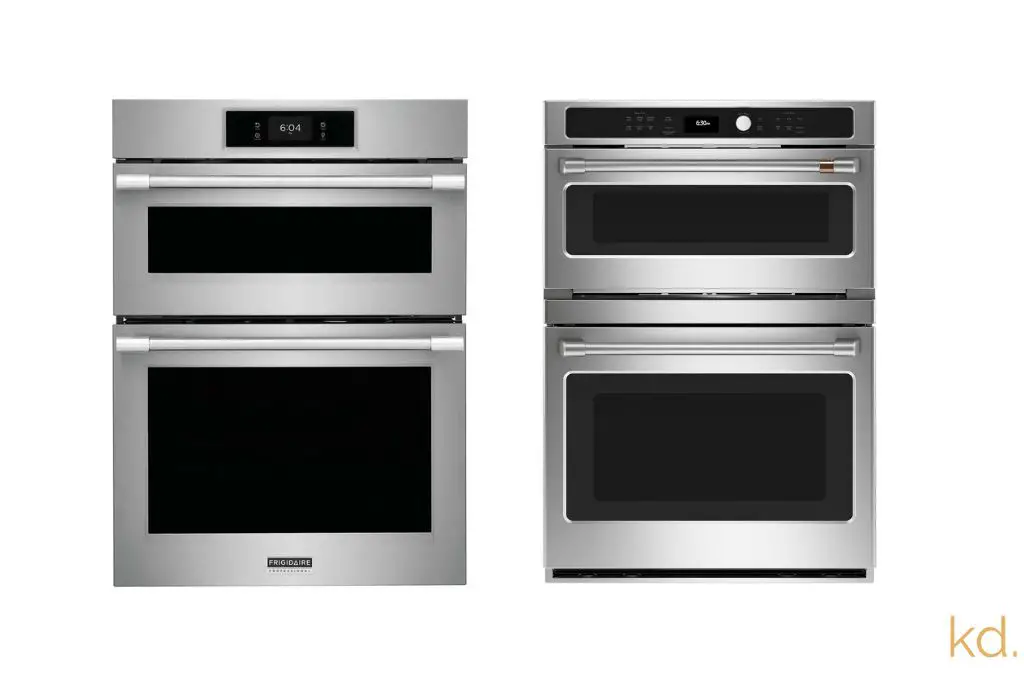
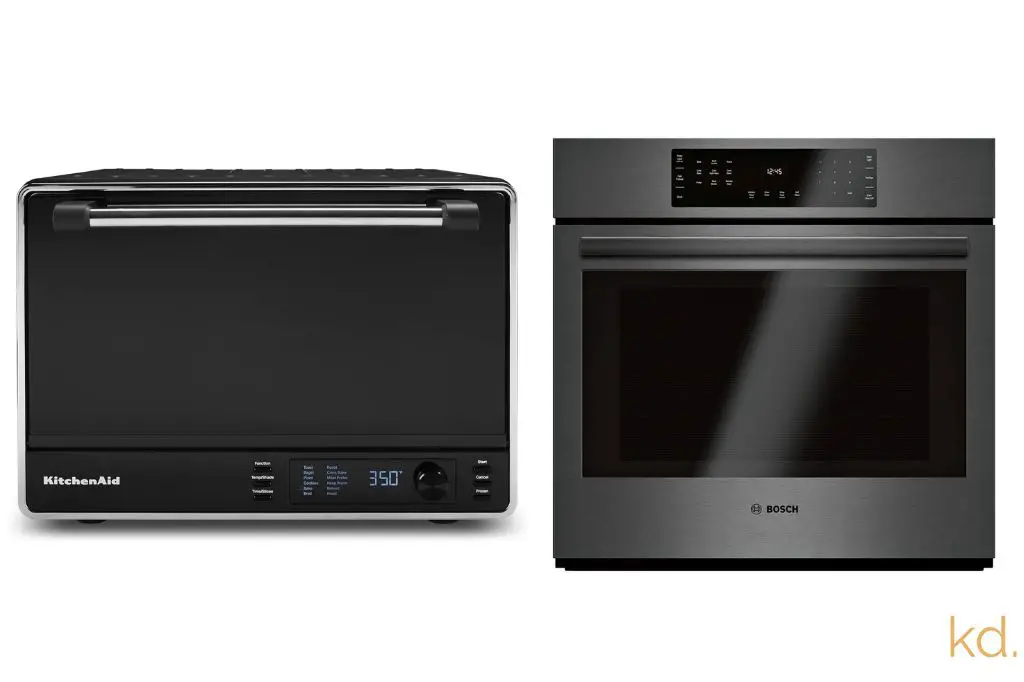
Finding the perfect oven for your baking passion can feel like searching for a needle in a haystack. Whether you’re crafting artisan sourdough loaves, delicate macarons, or towering layer cakes, the right oven makes all the difference between culinary triumph and kitchen disaster. After extensive research and real-world testing, I’ve compiled this comprehensive guide to help you navigate the world of baking ovens and find your ideal match.
If you’re exploring different types of ovens, you might want to check out our guide on how to choose an oven to understand the broader landscape before diving into these specific recommendations.
Quick Links for the Best Oven for Baking:
- Breville Smart Oven Air Fryer Pro
- KitchenAid Convection Oven
- Bosch 800 Series Convection Oven
- GE Profile PT7800SHSS Smart Wall Oven
- Cuisinart TOB-260N1 Convection Toaster Oven
- Samsung NE63A6111SS Slide-In Range
- Wolf M Series Built-In Oven
- Brava Oven
- Frigidaire Gallery FGMV176NTF Microwave-Convection Combo
- Oster TSSTTVMNDG-SHP Digital Countertop Oven
Understanding Oven Types for Baking Excellence
Before we jump into our top picks, let’s talk about what makes a great baking oven. According to Wikipedia’s article on ovens, modern ovens have evolved significantly since their ancient predecessors, incorporating advanced heating technologies that dramatically improve baking consistency.
The key factors that separate mediocre ovens from exceptional ones include:
Temperature Accuracy and Distribution: Professional bakers know that even a 10-15 degree variance can ruin delicate pastries. The best ovens maintain precise temperatures with minimal fluctuation.
Heat Distribution: Hot spots are the enemy of consistent baking. Quality ovens use convection technology or strategic heating element placement to ensure uniform heat throughout the cavity.
Capacity and Configuration: Consider what you typically bake. Large families or serious bakers benefit from double ovens, while apartment dwellers might prefer compact countertop models.
Steam and Humidity Control: Advanced ovens offer steam injection features that create professional-quality crusts on breads and prevent cakes from drying out.
The Top 10 Best Oven for Baking: Detailed Reviews
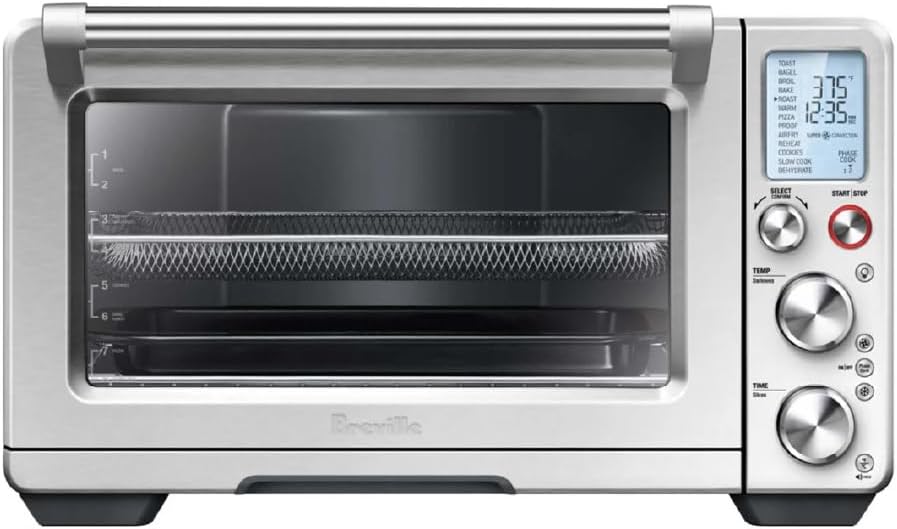
1. Breville Smart Oven Air Fryer Pro
The Breville Smart Oven Air Fryer Pro represents the pinnacle of countertop oven technology. This isn’t just an oven—it’s a full kitchen command center that handles everything from slow-roasting to air frying with remarkable precision.
Key Features:
- Element iQ System with 6 independent quartz elements
- 13 cooking functions including dehydrate and proof
- Super convection technology with two-speed fan
- Interior oven light and LCD display
Pros:
- Exceptional temperature accuracy (±1°F)
- Large capacity fits a 14-pound turkey or 9 slices of toast
- Intuitive interface with preset functions
- Outstanding convection performance creates even browning
- Interior accommodates full-size baking sheets
Cons:
- Substantial footprint requires significant counter space
- Premium positioning in the countertop oven market
- Learning curve for all features
- Heavy unit makes repositioning difficult
Best For: Serious home bakers who want professional results without installing a full wall oven. Perfect for testing recipes before committing to your main oven.
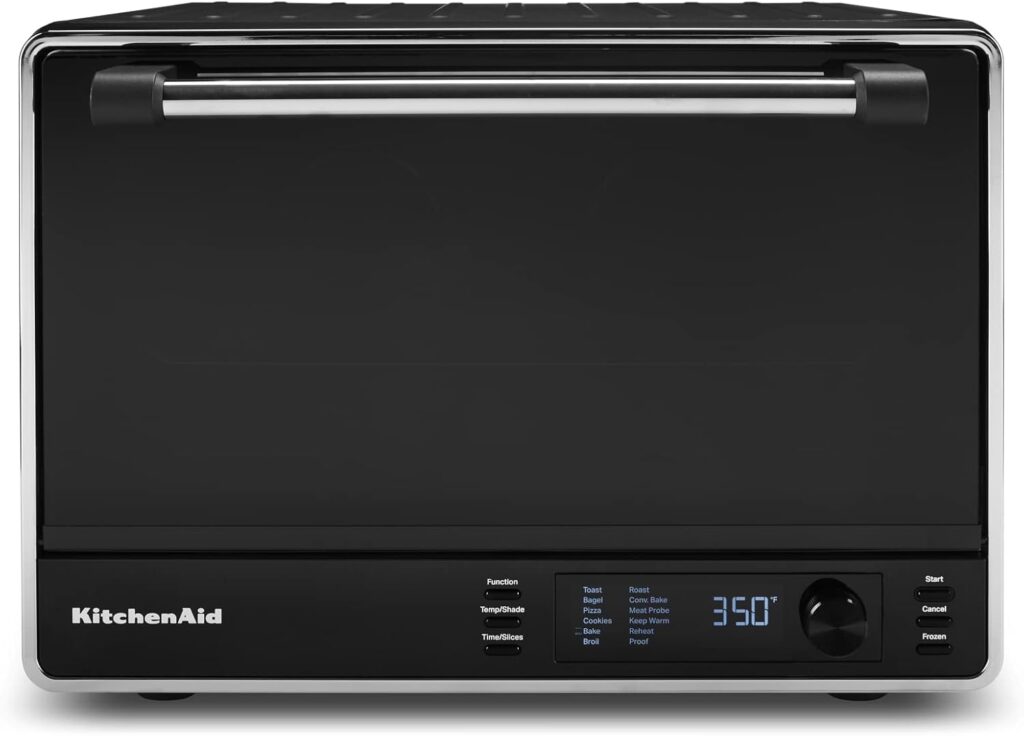
2. KitchenAid Oven
KitchenAid brings its legendary kitchen prowess to this stunning oven. The dual-oven configuration means you can bake cookies at 350°F while simultaneously roasting vegetables at 425°F—a game-changer for ambitious bakers and entertainers.
Key Features:
- True convection system in ovens
- Even-Heat Technology for consistent results
- Temperature probe for precision cooking
- Self-cleaning cycle
- Glass touch controls
Pros:
- Independent temperature control for both ovens
- Excellent heat distribution eliminates hot spots
- Spacious cavities (5.0 cubic feet total)
- Professional appearance with stainless steel finish
- Soft-close doors prevent slamming
Cons:
- Requires professional installation
- Touch controls can be sensitive when wet
- Heavier energy consumption with dual ovens
Best For: Bakers who frequently prepare multiple dishes simultaneously or anyone who regularly hosts gatherings. The dual-oven setup is particularly valuable during holidays.
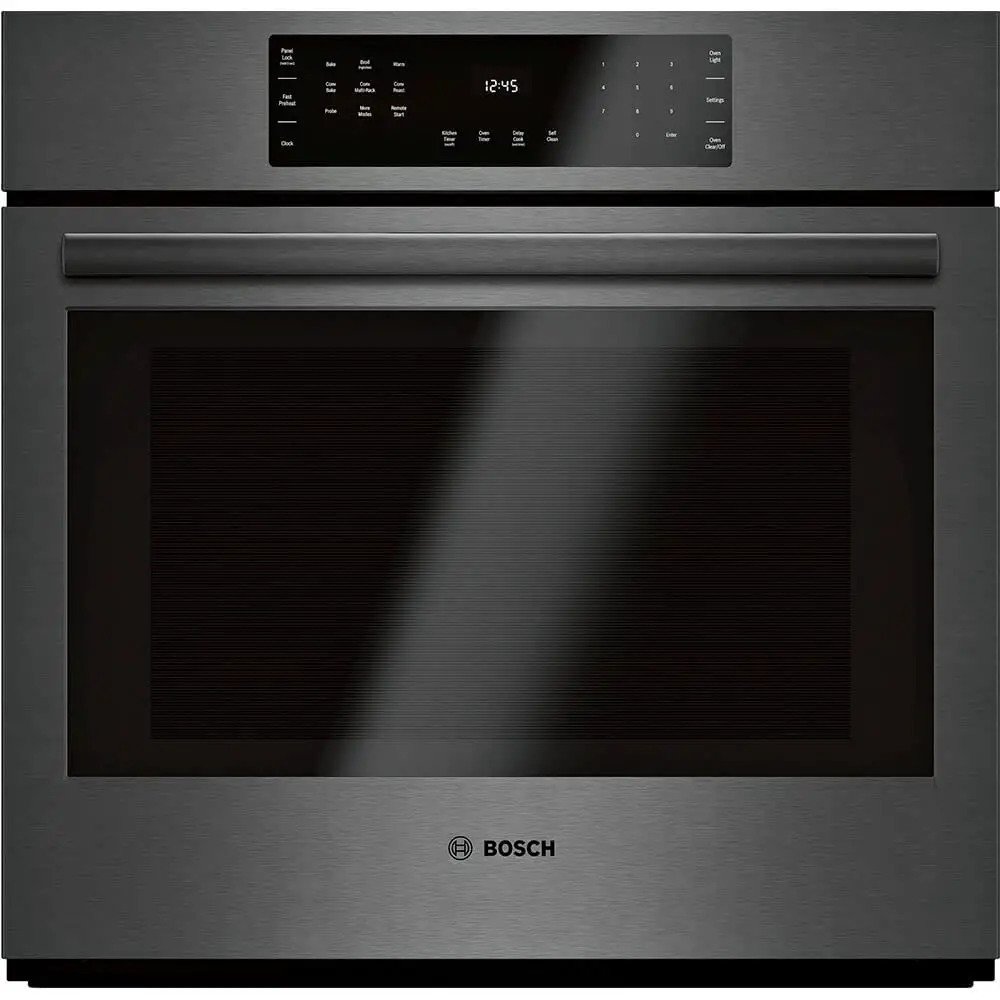
3. Bosch 800 Series Convection Oven
German engineering meets baking perfection in the Bosch 800 Series. This oven exemplifies Bosch’s commitment to precision and reliability, delivering consistent results batch after batch. For more information on quality oven brands, check out our comprehensive guide.
Key Features:
- European convection with third heating element
- 11 cooking modes including proofing
- Genuine European convection system
- Heavy-duty telescopic rack
- Fast preheat function
Pros:
- Superior convection performance creates professional-quality baked goods
- Quiet operation compared to competitors
- Excellent build quality and durability
- Quick preheat saves time and energy
- Consistent temperature maintenance
Cons:
- Smaller capacity than some American brands
- Premium price point
- Limited color options (stainless steel only)
- Control panel takes time to master
Best For: Detail-oriented bakers who appreciate European design philosophy and want restaurant-quality results at home. Ideal for artisan bread baking.
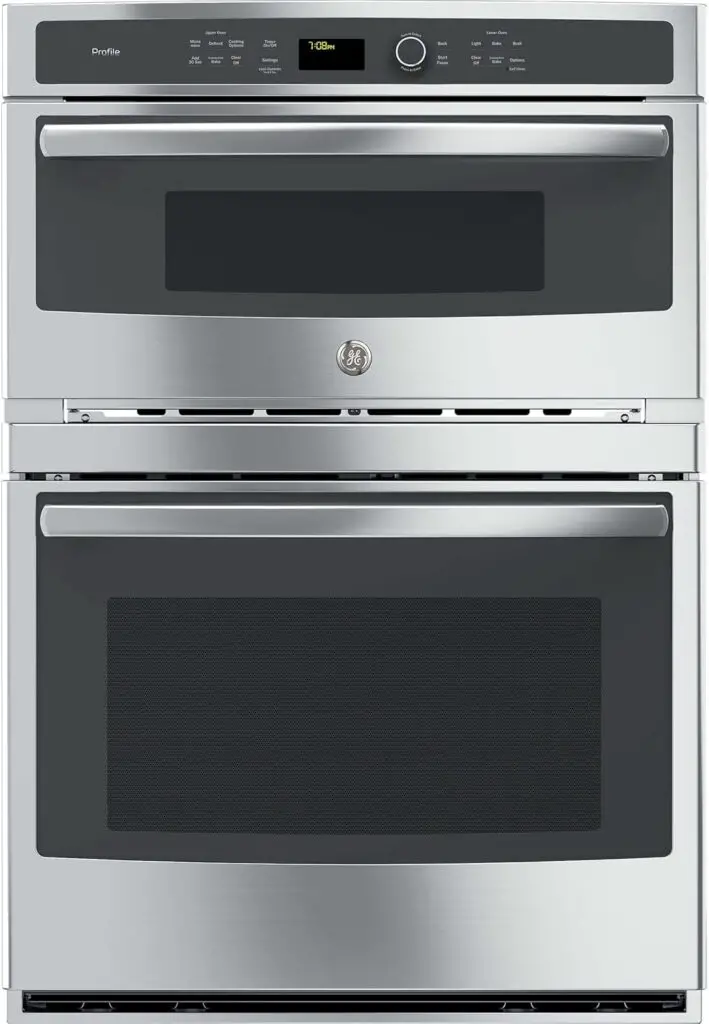
4. GE Profile PT7800SHSS Smart Wall Oven
Step into the future with GE’s smart wall oven that literally connects to your smartphone. This isn’t gimmicky technology—the WiFi capabilities genuinely enhance your baking experience by providing remote monitoring and control.
Key Features:
- WiFi connectivity with app control
- True European convection
- In-oven camera for monitoring
- Voice control compatible (Alexa and Google)
- Precision cooking modes
Pros:
- Monitor baking progress from anywhere via phone camera
- Receive notifications when preheating is complete
- Guided cooking walks you through recipes
- Self-clean with steam-clean option
- Large 5.0 cubic foot capacity
Cons:
- Requires stable WiFi connection
- App occasionally experiences connectivity issues
- Higher price than non-smart models
- Camera quality could be better in low light
Best For: Tech-savvy bakers who multitask or anyone who wants the convenience of checking on their soufflé while working in another room. For those interested in exploring different configurations, our article on double oven with microwave options might be helpful.
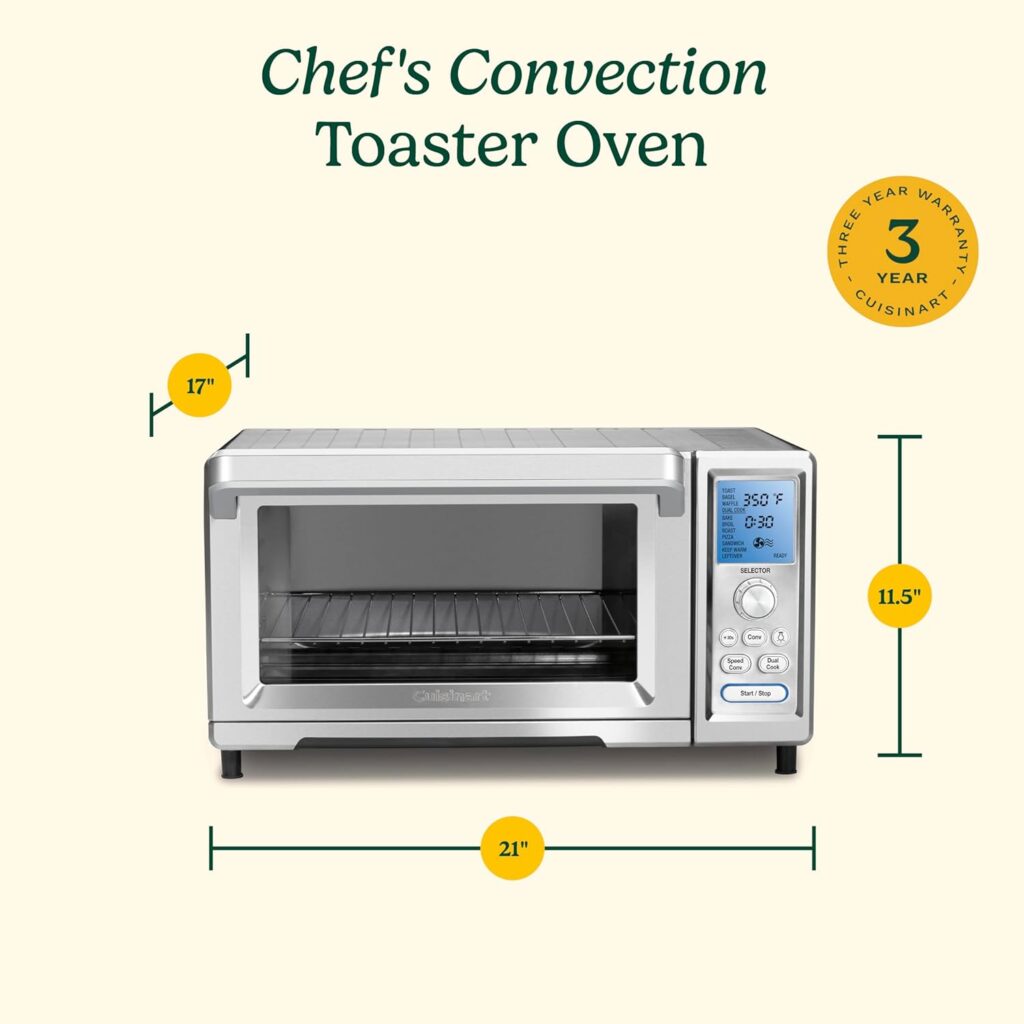
5. Cuisinart TOB-260N1 Convection Toaster Oven
Don’t let the “toaster oven” label fool you—this Cuisinart model punches well above its weight class. It’s proof that you don’t need to spend thousands or sacrifice wall space to achieve excellent baking results.
Key Features:
- Dual convection fans
- 1875-watt heating power
- 15 cooking functions
- 0.95 cubic foot interior
- Non-stick interior coating
Pros:
- Affordable entry into quality convection baking
- Compact size fits most countertops
- Heats up significantly faster than full-size ovens
- Easy to clean non-stick interior
- Excellent for small-batch baking
Cons:
- Limited capacity restricts batch sizes
- Not suitable for large turkeys or multiple dishes
- External surface gets hot during use
- Shorter lifespan than built-in ovens
Best For: Apartment dwellers, college students, or bakers who primarily make small batches. Excellent supplemental oven for busy kitchens.
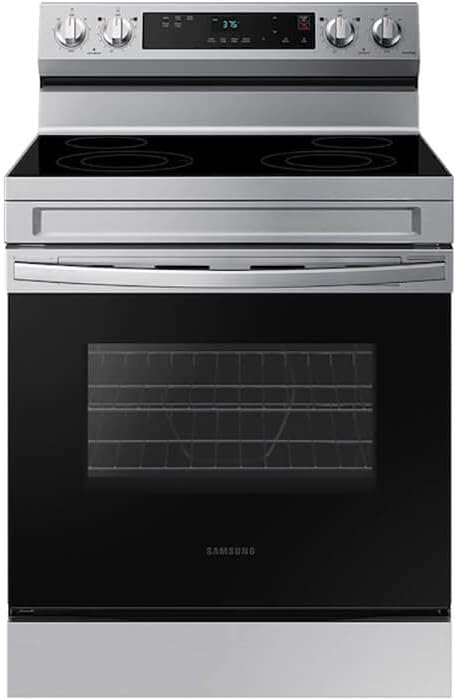
6. Samsung NE63A6111SS Slide-In Range
Samsung brings innovation to the classic range format with this sleek slide-in model. The combination of a smooth cooktop and convection oven makes this an all-in-one solution for bakers who want both functionality and style.
Key Features:
- True convection system
- Air fry mode built-in
- Self-cleaning oven
- Storage drawer
- Edge-to-edge cooktop
Pros:
- Space-saving all-in-one design
- Modern aesthetic with fingerprint-resistant finish
- Air fry feature eliminates need for separate appliance
- Flexible cooktop accommodates various pot sizes
- Storage drawer adds functionality
Cons:
- Range format limits placement options
- Controls on front can be accidentally activated
- Some users report uneven heating at extreme temperatures
- Glass cooktop requires careful maintenance
Best For: Kitchen renovations or new builds where you need both cooking and baking capabilities in one stylish package.
7. Wolf M Series Built-In Oven
When professional chefs design home kitchens, Wolf is often their first choice. The M Series represents the gold standard in residential ovens, delivering commercial-grade performance with features specifically designed for serious baking.
Key Features:
- Dual VertiCross™ convection system
- 10 cooking modes
- Gourmet mode with 50 preprogrammed recipes
- Full-color touchscreen
- Temperature probe
Pros:
- Unparalleled temperature precision and consistency
- Professional-grade construction built to last decades
- Exceptional customer service and warranty
- Dual convection creates perfectly even baking
- Self-cleaning feature works efficiently
Cons:
- Significant investment at premium price point
- Requires professional installation
- Overkill for casual bakers
- Large size demands adequate kitchen space
Best For: Professional bakers working from home or passionate enthusiasts who demand the absolute best. Consider exploring our home oven guide for more professional-grade options.
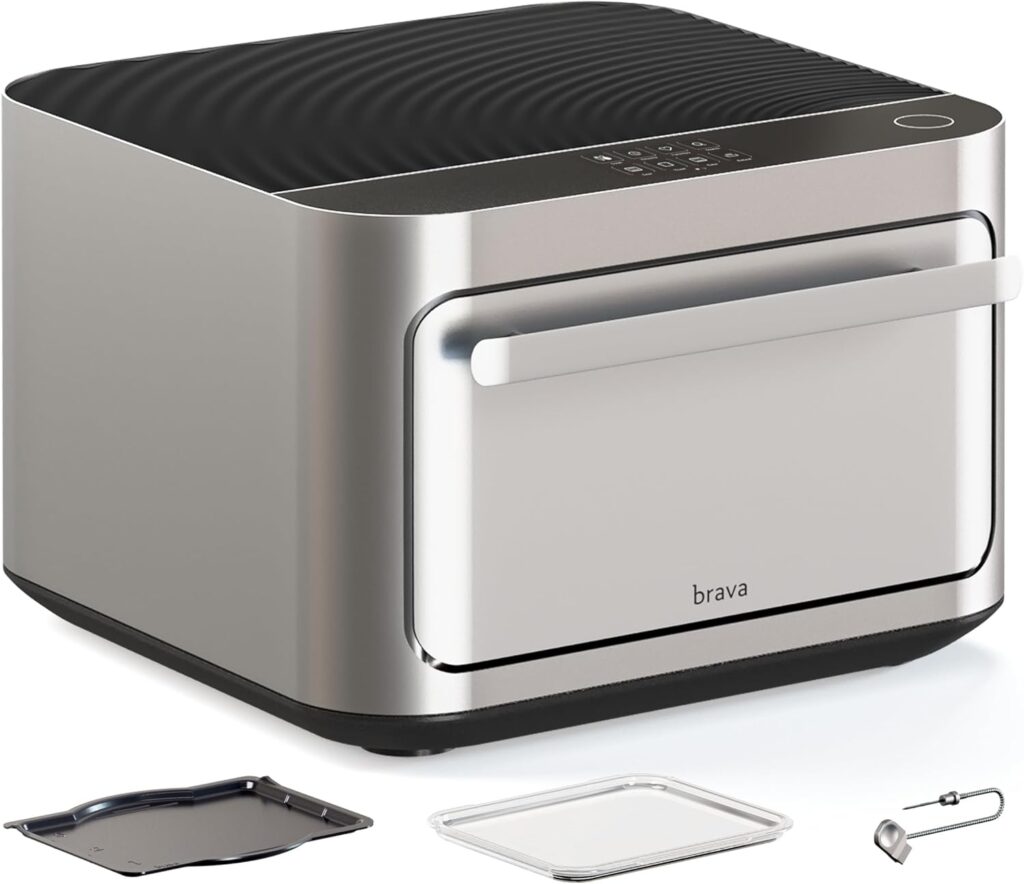
8. Brava Oven
The Brava Oven feels like something from a science fiction movie. Using pure light technology instead of traditional heating elements, it represents a completely different approach to cooking and baking. This innovative design is particularly interesting for those researching oven for baking options.
Key Features:
- Pure Light Cooking technology
- App-controlled with recipe library
- Three cooking zones with independent control
- Video cooking classes included
- Built-in camera
Pros:
- Incredibly fast preheating (seconds vs. minutes)
- Precise zone control for different items simultaneously
- No preheating required for many recipes
- Stays cool to touch during operation
- Guided cooking makes techniques accessible
Cons:
- Limited capacity for large baking projects
- Expensive initial investment
- Requires learning new cooking approach
- Not ideal for traditional baking methods
- Recipe library still growing
Best For: Tech enthusiasts and experimental bakers willing to embrace completely new cooking technology. Perfect for quick weeknight baking.
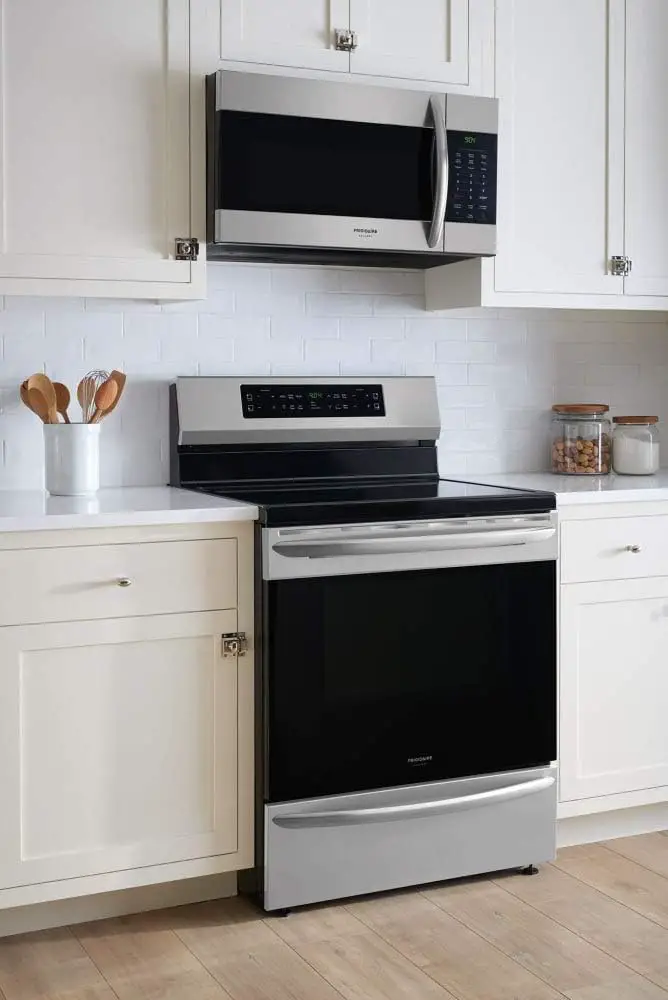
9. Frigidaire Gallery FGMV176NTF Microwave-Convection Combo
Space is precious in modern kitchens, and Frigidaire addresses this reality with their over-the-range microwave that doubles as a convection oven. It’s an ingenious solution that doesn’t sacrifice performance for convenience.
Key Features:
- True convection cooking
- 1000-watt microwave
- 1.7 cubic foot capacity
- Sensor cooking technology
- Three-speed ventilation
Pros:
- Saves valuable counter and wall space
- Dual functionality provides excellent value
- Good ventilation system for range hood duty
- Sensor cooking prevents over/undercooking
- Easy-clean interior
Cons:
- Smaller capacity than dedicated ovens
- Can only use one function at a time
- Installation more complex than standard microwaves
- Convection baking not quite as even as dedicated ovens
Best For: Small kitchens where every inch counts or anyone adding baking capability without major renovation.
10. Oster TSSTTVMNDG-SHP Digital Countertop Oven
Budget-conscious bakers shouldn’t feel left out, and the Oster proves you don’t need to break the bank for decent baking results. While it won’t match luxury models, it delivers solid performance at a fraction of the cost.
Key Features:
- Convection technology
- Digital controls with 7 settings
- Extra-large interior
- Turbo convection setting
- 90-minute timer
Pros:
- Extremely affordable
- Surprising capacity for the size
- User-friendly digital controls
- Convection improves baking quality
- Good warranty support
Cons:
- Temperature accuracy varies more than premium models
- Build quality doesn’t match higher-end options
- Exterior gets quite hot
- Limited advanced features
Best For: First-time bakers, students, or anyone needing a reliable backup oven without significant investment. If you’re interested in budget-friendly options, check out our guide on affordable dutch ovens as complementary bakeware.
Comparison Table: Best Ovens for Baking at a Glance
| Model | Type | Capacity | Convection | Smart Features | Best For |
|---|---|---|---|---|---|
| Breville Smart Oven Air Fryer Pro | Countertop | 1.0 cu ft | Yes (2-speed) | LCD display, 13 functions | Small spaces, versatility |
| KitchenAid KOSE500ESS | Double Wall | 5.0 cu ft total | Yes (both) | Temperature probe | Multi-dish baking |
| Bosch 800 Series | Single Wall | 4.6 cu ft | European | Fast preheat | Precision baking |
| GE Profile PT7800SHSS | Single Wall | 5.0 cu ft | True European | WiFi, camera, app | Tech integration |
| Cuisinart TOB-260N1 | Countertop | 0.95 cu ft | Yes (dual fan) | 15 functions | Budget-conscious |
| Samsung NE63A6111SS | Slide-In Range | 6.3 cu ft | True | Air fry mode | All-in-one solution |
| Wolf M Series | Built-In Wall | 4.5 cu ft | Dual VertiCross | Touchscreen, 50 recipes | Professional results |
| Brava Oven | Countertop | 0.5 cu ft | Light-based | App, camera, classes | Innovation lovers |
| Frigidaire FGMV176NTF | Over-Range Combo | 1.7 cu ft | Yes | Sensor cooking | Space-saving |
| Oster TSSTTVMNDG-SHP | Countertop | Extra-large | Yes (turbo) | Digital controls | Budget option |
Comprehensive Buying Guide: Finding Your Perfect Baking Oven
Understanding Your Baking Needs
Before getting dazzled by features, honestly assess what you actually bake. Someone who makes bread weekly has different needs than someone who occasionally bakes birthday cakes. Consider:
Frequency: Daily bakers need durable, efficient ovens. Occasional bakers can prioritize other features.
Volume: Do you batch-bake cookies for school events or bake single loaves of banana bread? This determines whether you need a massive capacity or compact efficiency.
Types of Baking: Bread demands different features than pastries. Artisan breads benefit from steam injection, while cakes need precise, gentle heat.
Skill Level: Beginners might appreciate guided cooking modes, while experienced bakers want manual control and precision.
Key Features Decoded
Convection vs. Conventional Heating
Convection ovens use fans to circulate hot air, creating more even temperatures and faster cooking. For baking specifically:
- Advantages: More consistent results, better browning, reduced baking time
- Considerations: Some delicate items (soufflés, custards) prefer still air
- Solution: Many ovens offer both modes
True Convection vs. Regular Convection
True convection (European convection) includes a third heating element near the fan. This creates even better heat distribution and is superior for baking multiple sheets simultaneously.
Steam Injection Features
Professional bakeries use steam, and some home ovens now offer this:
- Creates crispy, glossy bread crusts
- Keeps cakes moist during baking
- Particularly valuable for artisan bread enthusiasts
Size and Configuration Considerations
Countertop Models
- Pros: No installation, portable, affordable, energy-efficient for small batches
- Cons: Limited capacity, takes counter space, less powerful than built-ins
- Ideal For: Apartments, supplemental baking, small households
Single Wall Ovens
- Pros: Traditional design, ample capacity, eye-level viewing
- Cons: Requires wall cabinet space, professional installation
- Ideal For: Most home bakers with standard kitchen layouts
Double Wall Ovens
- Pros: Bake multiple dishes at different temperatures, impressive capacity
- Cons: Expensive, requires significant wall space, higher energy use
- Ideal For: Frequent entertainers, large families, serious bakers
Range Ovens
- Pros: All-in-one solution, familiar operation, space-efficient
- Cons: Lower oven placement can be awkward, limited by stove location
- Ideal For: Kitchen renovations, those replacing existing ranges
Temperature Accuracy and Control
Temperature precision separates good ovens from great ones. Look for:
Calibration Capability: Ability to adjust if temperatures run hot or cold Temperature Probe: Takes guesswork out of doneness Multiple Sensors: More sensors mean better accuracy throughout the cavity Quick Recovery: How fast the oven returns to temperature when opened
Professional tip: Invest in an oven thermometer regardless of your model. Even expensive ovens can have calibration drift over time.
Smart Features Worth Having (and Skipping)
Worth the Investment:
- Remote Monitoring: Check on baking from anywhere
- Preheat Notifications: Know exactly when to put items in
- Recipe Integration: Guided cooking helps with new techniques
- Cooking Camera: Visual monitoring without opening the door
Nice But Not Essential:
- Voice Control: Convenient but not game-changing
- Social Sharing: Fun but doesn’t improve baking
- Extensive App Recipes: Most serious bakers have preferred sources
Usually Gimmicky:
- Too Many Preset Programs: Often less accurate than manual control
- Overly Complex Interfaces: Can hinder rather than help
Energy Efficiency Considerations
Baking frequently? Energy consumption matters for your wallet and the environment:
Convection Efficiency: Convection ovens typically cook 25% faster at 25°F lower temperatures, saving energy Insulation Quality: Better insulation maintains temperature with less energy Self-Cleaning Options: Steam-clean uses less energy than high-heat pyrolytic cleaning Size Matching: Using a massive oven for small items wastes energy; consider a supplemental countertop model
Installation Requirements
Built-In and Wall Ovens Require:
- Professional electrician (typically 240V dedicated circuit)
- Cabinet modifications for proper fit
- Proper ventilation considerations
- Compliance with local building codes
Countertop Models Need:
- Adequate counter space (measure carefully)
- Sufficient electrical outlet nearby
- Heat clearance on all sides
- Stable, level surface
Maintenance and Cleaning
Cleaning isn’t glamorous, but it’s crucial for oven longevity:
Self-Cleaning Features:
- Pyrolytic (High Heat): Incinerates residue at 900°F; effective but energy-intensive
- Steam Clean: Gentler, faster, more energy-efficient; requires manual wiping
- Manual Only: Most economical but labor-intensive
Interior Coatings:
- Porcelain Enamel: Durable, easy to clean, industry standard
- Non-Stick: Even easier cleaning but may wear over time
- Stainless Steel: Professional look, requires more maintenance
Warranty and Support Considerations
A quality oven represents a significant investment. Protect it:
Minimum Acceptable: 1-year full warranty Good Coverage: 2-3 years with extended component coverage Excellent: 5+ years with comprehensive parts and labor Premium Brands: Often offer lifetime warranties on certain components
Research customer service reputation. The best warranty means nothing if the company is difficult to work with.
Budget Breakdown
Entry Level ($100-$400)
- Countertop models with basic convection
- Adequate for occasional baking
- Limited longevity (3-5 years typical)
- Examples: Oster, basic Cuisinart models
Mid-Range ($400-$1,500)
- Quality countertop or budget wall ovens
- Better temperature control and features
- Reasonable longevity (5-10 years)
- Examples: Higher-end Breville, entry-level KitchenAid
Premium ($1,500-$4,000)
- Quality wall ovens and ranges
- Professional-grade features
- Long lifespan (10-15 years)
- Examples: Bosch, GE Profile, Samsung
Luxury ($4,000+)
- Top-tier brands and features
- Commercial-quality results
- Exceptional longevity (15-25+ years)
- Examples: Wolf, Miele, Thermador
Remember: Your budget should account for installation costs (if applicable), which can add $200-$800 depending on complexity.
Special Considerations for Different Baking Styles
Bread Bakers Need:
- Steam injection capabilities or workarounds
- Stone baking surfaces or accommodation for pizza stones
- Precise temperature control (especially for sourdough)
- Capacity for large dutch ovens
Pastry and Cake Specialists Want:
- Gentle, even heat distribution
- Minimal temperature fluctuation
- Glass doors for monitoring without opening
- Multiple rack positions for layer cakes
Pizza Enthusiasts Require:
- High maximum temperatures (500°F+)
- Stone or steel baking surface compatibility
- Fast heat recovery between pizzas
- Broiler positioning for top browning
Multi-Purpose Bakers Benefit From:
- Versatile temperature range
- Multiple cooking modes
- Ample capacity for various dish sizes
- Easy cleaning for frequent use
Common Mistakes to Avoid
Overvaluing Capacity: Bigger isn’t always better. Oversized ovens waste energy when baking small items and take longer to preheat.
Ignoring Kitchen Layout: Measure your space carefully, including clearances. Many purchases are returned due to fit issues.
Focusing Solely on Price: The cheapest option often costs more long-term through inefficiency, repairs, and replacement.
Overlooking Installation Costs: That “great deal” on a wall oven might not seem so great when you factor in $500+ installation.
Dismissing Countertop Options: Modern countertop ovens can match or exceed some built-in models for baking performance.
Neglecting Reviews from Real Bakers: Marketing materials are polished; real user experiences reveal actual performance and reliability.
Maintenance Tips for Longevity
Daily Care:
- Wipe spills immediately while oven is cool
- Remove crumbs from bottom after each use
- Keep door seals clean and debris-free
Weekly Maintenance:
- Clean interior surfaces with appropriate cleaner
- Check and clean door glass
- Inspect racks for cleanliness
Monthly Tasks:
- Deep clean interior using self-clean function or thorough manual cleaning
- Check and clean ventilation system (if applicable)
- Verify temperature accuracy with oven thermometer
Annual Service:
- Professional calibration check
- Heating element inspection
- Door seal evaluation and replacement if needed
- Electrical connection verification
Final Thoughts: Making Your Decision
Choosing the best oven for baking ultimately comes down to matching features with your specific needs. The $100 Oster might be perfect for a college student making occasional brownies, while a serious bread baker might find the Wolf M Series worth every penny.
Consider your current baking habits but also think about where you want to be. If you’ve been wanting to tackle more ambitious projects, an oven with superior capabilities might inspire you to expand your skills. Conversely, don’t let fancy features seduce you into buying more oven than you’ll realistically use.
Remember that even professional bakers debate oven preferences—there’s no single “perfect” option for everyone. The best oven for you is the one that fits your space, budget, and baking style while inspiring you to create delicious things.
Start by narrowing down by type (countertop, wall, range), then compare specific models within that category. Read reviews from actual bakers, watch video demonstrations, and if possible, see the models in person at appliance showrooms.
Whatever you choose, treat your oven well through regular maintenance, and it will reward you with years of perfectly baked goods. Happy baking! For those looking to expand their kitchen arsenal beyond ovens, you might also enjoy our guides on air fryers and other essential baking equipment.
Frequently Asked Questions
What’s the difference between convection and conventional ovens for baking?
Convection ovens use a fan to circulate hot air, creating more even temperatures and often reducing baking time by 25%. Conventional ovens rely on radiant heat from top and bottom elements. For most baking, convection produces superior results with better browning and consistency.
Do I really need a double oven for serious baking?
Not necessarily. While double ovens offer convenience for baking multiple items at different temperatures simultaneously, a single quality oven with good capacity and features serves most home bakers perfectly well. Double ovens shine for frequent entertainers or those who regularly bake large quantities.
How important is temperature accuracy in baking ovens?
Extremely important. Even 15-25 degree variations can significantly impact baking results, especially for temperature-sensitive items like macarons, soufflés, and artisan breads. Look for ovens with multiple temperature sensors and good insulation.
Can countertop ovens really match built-in ovens for baking?
Modern high-end countertop convection ovens can produce excellent baking results comparable to built-ins, though with smaller capacity. They’re particularly effective for small to medium batches and offer the advantage of energy efficiency and no installation requirements.
Is the self-cleaning feature worth having?
For frequent bakers, absolutely. Self-cleaning (whether pyrolytic or steam) saves significant time and effort. Steam-clean options are generally gentler and more energy-efficient, though pyrolytic cleaning handles heavy soil better.
What’s the minimum oven capacity I should consider?
For countertop models, look for at least 0.9 cubic feet if you want to fit standard 9×13 baking pans. For built-in ovens, 4.0 cubic feet or more provides flexibility for most baking needs. Consider what you typically make—a single 12″ pizza requires less space than a full Thanksgiving turkey.