When you’re planning a kitchen remodel or shopping for a new oven, understanding standard oven dimensions can save you from costly mistakes and installation headaches. Whether you’re replacing an old unit or designing a kitchen from scratch, knowing what to expect in terms of oven sizes will help you make smarter decisions. Before we dive deep into the specifics, you might want to check out our comprehensive guide on how to choose an oven to understand the broader context of oven selection.
The truth is, ovens come in various configurations and sizes, but manufacturers generally stick to industry standards that make replacement and installation much more straightforward. Let’s explore everything you need to know about standard oven dimensions, cutout requirements, and how to ensure your new appliance fits perfectly in your space.
Table of Contents for Standard Oven Sizes
Understanding the Basics of Oven Dimensions
Standard ovens typically fall into several categories based on their installation type and capacity. The most common residential ovens measure 30 inches wide, which has become the de facto standard in American kitchens. This width works perfectly with standard cabinet configurations and provides enough cooking capacity for most households.
However, width is just one piece of the puzzle. You’ll also need to consider height and depth when evaluating whether an oven will work in your kitchen. A standard range (the combination of cooktop and oven) typically stands about 36 inches tall, matching standard countertop height. The depth usually measures around 25 to 27 inches from front to back, not including door handles or knobs that might extend a few inches beyond the main body.
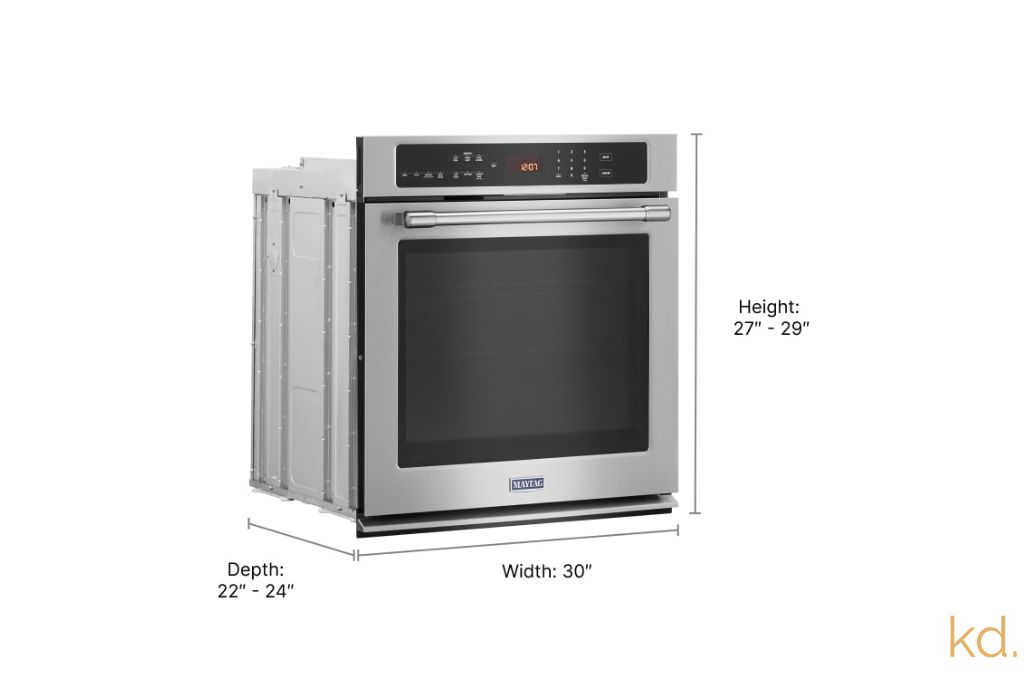
Wall ovens operate on slightly different standards since they’re built into cabinetry rather than standing on the floor. Single wall ovens commonly measure 24, 27, or 30 inches wide, with 27 and 30 inches being the most popular choices. These dimensions align with standard cabinet widths, making installation planning much simpler.
According to Wikipedia’s article on ovens, modern ovens evolved significantly during the 19th century, but standardization didn’t really take hold until the mid-20th century when kitchen design became more uniform across American homes.
Standard Range Oven Sizes and Specifications
Freestanding ranges, which combine a cooktop with an oven below, represent the most common oven configuration in American kitchens. These units are designed to slide into a space between cabinets or stand alone at the end of a counter run. The standard width of 30 inches accommodates four burners on top with adequate oven capacity below, typically ranging from 4.5 to 6.0 cubic feet.
The height of a standard range is carefully engineered to match standard countertop height, sitting at approximately 36 inches without any adjustability. Some models include leveling legs that might add an inch or so, but the cooking surface should align perfectly with your counters when properly installed. This height consideration is crucial because you want a seamless appearance and safe operation when moving hot pots from the cooktop to adjacent counter space.
Depth measurements for ranges typically fall between 25 and 27 inches for the main body, but you’ll need to account for additional space when handles and control knobs are factored in. Many modern ranges feature flush installations that sit level with surrounding cabinetry, while others may protrude slightly. When measuring your space, always include a few extra inches behind the range for electrical connections, gas lines, and proper ventilation.
For those working with smaller kitchens or apartments, compact ranges measuring 20 or 24 inches wide are available, though these sacrifice some cooking capacity and burner space. Conversely, serious home cooks might opt for professional-style ranges that measure 36, 48, or even 60 inches wide, offering multiple ovens, griddles, and high-BTU burners.
Wall Oven Dimensions: Single and Double Configurations
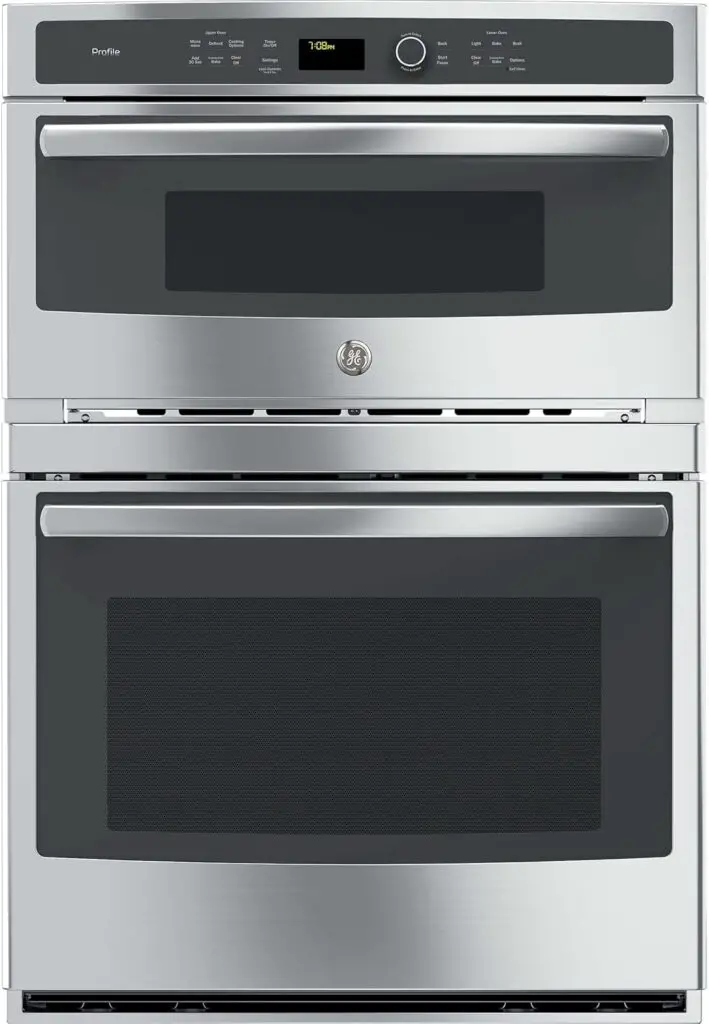
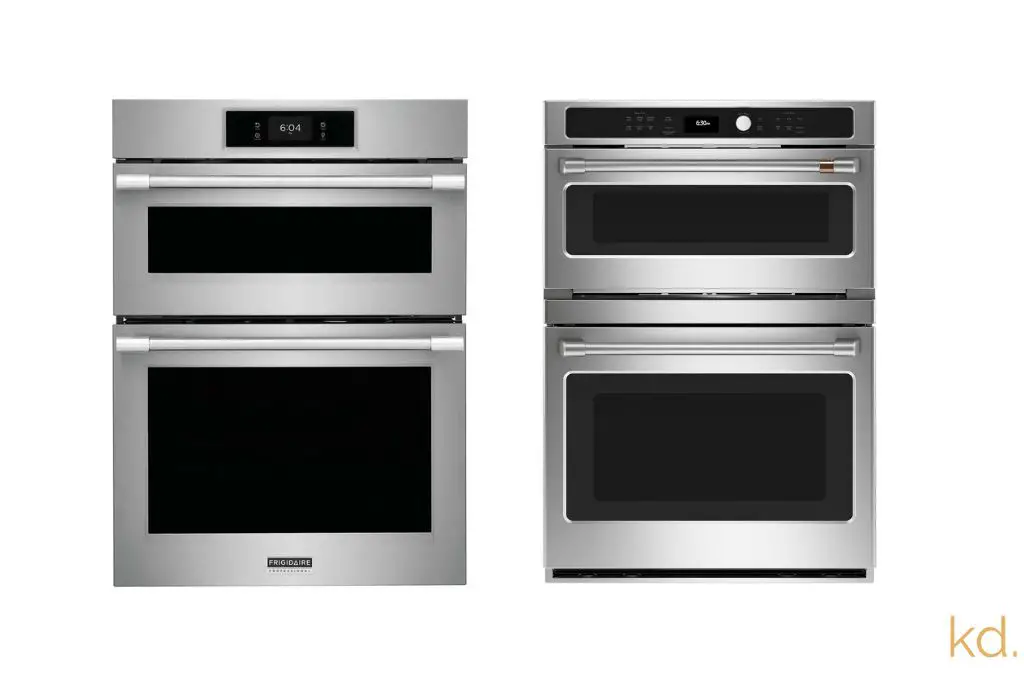
Wall ovens have gained tremendous popularity in recent years, particularly in kitchen designs that separate cooking functions. These units mount directly into cabinetry at a height that’s comfortable for the cook, eliminating the need to bend down to floor level when checking on dishes. If you’re considering upgrading to a wall oven setup, our guide on double ovens with microwave options might interest you.
Single wall ovens typically come in three standard widths: 24, 27, and 30 inches. The 27-inch and 30-inch models are most common because they provide adequate cooking capacity while fitting standard cabinet openings. A single wall oven usually measures between 28 and 30 inches in height, with depths ranging from 22 to 24 inches.
Double wall ovens stack two oven cavities vertically, offering incredible flexibility for cooking multiple dishes at different temperatures simultaneously. These units typically measure 30 inches wide, though 27-inch models are available for tighter spaces. The height of double wall ovens ranges from 50 to 54 inches, requiring significant vertical cabinet space. Each individual oven cavity in a double wall oven is smaller than a single wall oven, typically offering 3.5 to 4.5 cubic feet of capacity per cavity.
The cutout dimensions for wall ovens differ from the actual appliance dimensions, which catches many homeowners off guard during installation. You’ll need to consult the manufacturer’s installation instructions for precise cutout requirements, but generally, you should expect to provide a slightly larger opening than the oven’s external dimensions to ensure proper fit and ventilation.
Slide-In and Drop-In Oven Considerations
Slide-in ranges and drop-in cooktop-oven combinations present unique sizing considerations. Slide-in ranges are designed to fit snugly between cabinets with the cooktop overlapping the countertop edges, creating a built-in appearance. These units typically measure 30 inches wide like standard freestanding ranges, but they’re engineered differently at the sides and back.
The key distinction with slide-in ranges is that they lack a backguard (the raised panel at the back of traditional ranges where controls are mounted). Instead, controls are mounted at the front, which requires careful coordination with backsplashes and surrounding cabinetry. The depth of slide-in ranges often runs slightly less than freestanding models to ensure the front controls remain accessible.
Drop-in ranges require a custom base cabinet and take integration a step further by having the entire unit supported by the surrounding cabinetry. These units typically measure 30 inches wide but sit on a platform rather than on the floor with their own feet. The installation is more permanent and requires more extensive cabinetry work, but the result is a seamless, professional appearance.
Compact and Specialty Oven Sizes
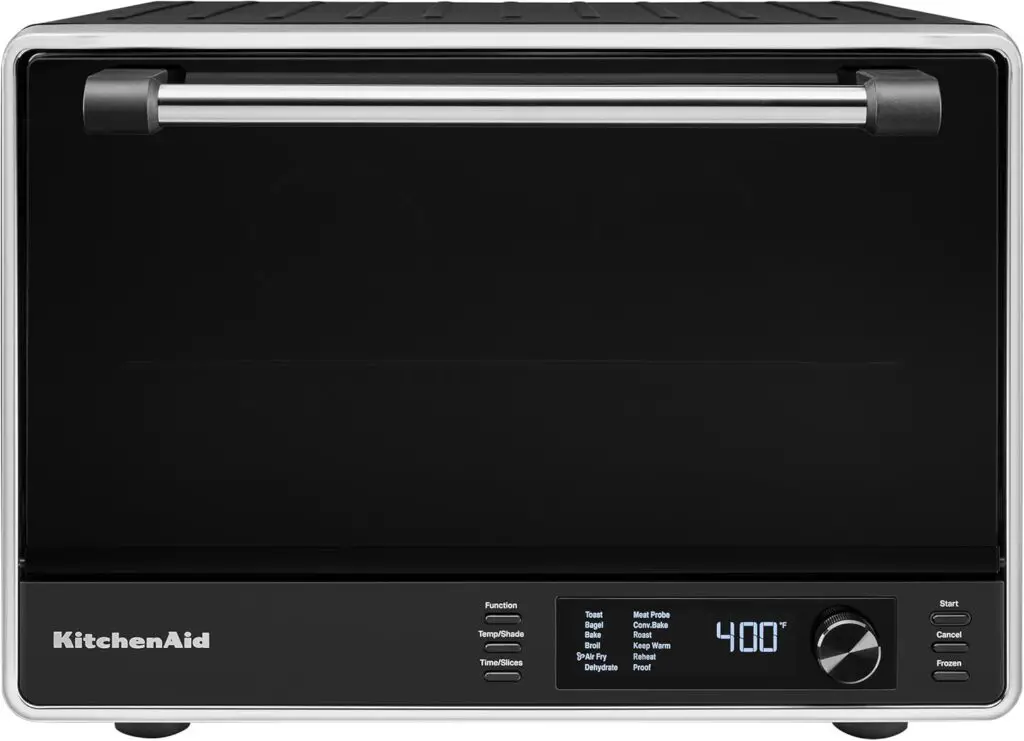
Not every kitchen can accommodate a standard 30-inch oven, and not every cook needs that much capacity. Apartment-sized ranges typically measure 20 or 24 inches wide, making them perfect for efficiency apartments, tiny homes, or secondary cooking spaces. These compact units still offer full oven functionality with smaller capacity, usually ranging from 2.5 to 3.5 cubic feet.
On the opposite end of the spectrum, professional-style ranges can be massive. These luxury appliances often measure 36, 48, or 60 inches wide, featuring multiple oven cavities, powerful burners, griddles, and commercial-grade construction. If you’re considering upgrading to professional-grade equipment, researching oven brands will help you understand the landscape of high-end options.
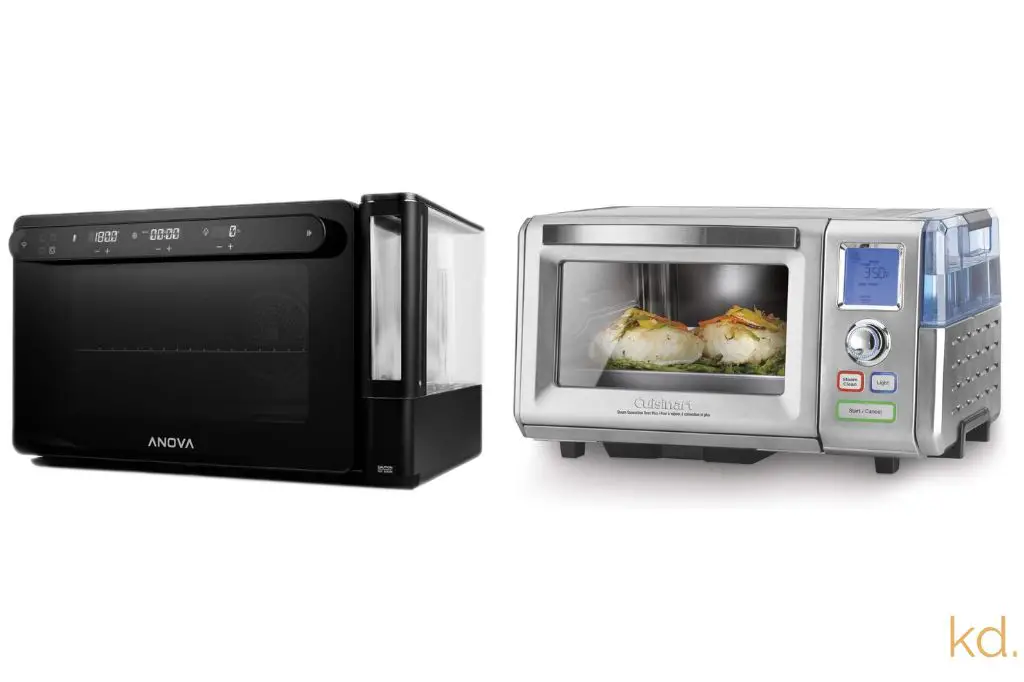
Specialty ovens like steam ovens, speed ovens, and warming drawers add another dimension to kitchen planning. Steam ovens typically measure 24 or 30 inches wide and can be the same height as a standard single wall oven. Speed ovens, which combine microwave and convection cooking, usually measure 24 or 27 inches wide with heights ranging from 20 to 24 inches, perfect for installation above or below a wall oven.
Critical Cutout and Installation Measurements
Understanding the difference between appliance dimensions and required cutout dimensions is absolutely crucial for successful oven installation. The cutout refers to the opening you need to create in your cabinetry to accommodate the oven, and it’s almost always larger than the oven’s actual external dimensions.
Manufacturers provide detailed installation specifications that include minimum and maximum cutout dimensions. For wall ovens, you typically need to add one to two inches to the oven’s width and height to determine the cutout size. This extra space allows for proper ventilation, electrical connections, and a bit of wiggle room during installation. Depth requirements vary significantly based on whether you’re installing a flush mount or a standard installation.
Don’t forget about clearance requirements around the oven. Most building codes and manufacturer specifications require a certain amount of space between the oven and combustible materials like wood cabinetry. These clearances might be minimal for insulated oven cavities, but they’re essential for safety and proper operation. Heat-resistant materials and proper ventilation can sometimes allow for reduced clearances, but you should never compromise on these safety margins.
The electrical or gas connection location also factors into installation planning. Electric ovens require a dedicated 240-volt circuit, typically requiring a junction box positioned in a specific location relative to the oven cutout. Gas ovens need access to a gas supply line with proper shutoff valves, along with adequate ventilation for combustion byproducts.
Capacity Considerations: Cubic Feet Explained
Oven capacity, measured in cubic feet, tells you how much usable cooking space exists inside the oven cavity. This measurement directly impacts how many dishes you can cook simultaneously and what size cookware fits inside. Standard 30-inch freestanding ranges typically offer between 5.0 and 6.0 cubic feet of oven capacity, which accommodates a large turkey or multiple sheet pans.
Wall ovens in the 30-inch width category usually provide similar capacity to freestanding ranges, though the exact measurements vary by manufacturer and model. The shape of the cavity matters as much as the total volume since a tall, narrow cavity won’t accommodate wide roasting pans even if the cubic footage seems adequate.
When evaluating capacity, consider your typical cooking habits. If you regularly prepare large holiday meals or batch-cook for freezing, larger capacity becomes more important. Conversely, if you primarily cook for one or two people and rarely use your oven for more than a single dish at a time, a compact oven might meet your needs perfectly while saving kitchen space.
Remember that ovens designed for baking often prioritize even heat distribution and rack positioning over maximum capacity, so capacity isn’t the only factor in choosing the right oven.
European vs. American Oven Standards
It’s worth noting that oven sizing standards differ significantly between European and American manufacturers. European ovens often use metric measurements and follow different conventions for width and installation. A standard European oven might measure 60 centimeters wide (approximately 23.6 inches), which doesn’t align with American cabinetry standards designed around 24, 27, or 30-inch modules.
This discrepancy becomes important if you’re considering imported European brands known for their quality and design. You may need custom cabinetry work or adapter trim kits to install a European oven in an American kitchen. The investment might be worthwhile for certain high-end brands, but it’s a consideration you should factor into your planning and budget.
European cooking habits also influence oven design, with many European models offering smaller capacities than their American counterparts. This reflects cultural differences in cooking and entertaining styles, with European kitchens often featuring separate cooking appliances rather than large all-in-one ranges.
Measuring Your Space Accurately
Before shopping for a new oven, you absolutely must measure your available space carefully and accurately. Use a quality tape measure and take measurements at multiple points, since walls and cabinets aren’t always perfectly square or level. Measure width, height, and depth, and record the smallest measurement for each dimension since that’s what will determine fit.
For replacement ovens, measure both the existing cutout and the actual appliance you’re replacing. The cutout might be slightly larger than necessary, giving you some flexibility in choosing a replacement. However, if you’re working with an older kitchen, the cutout might not match current standards exactly, potentially requiring some modification work.
Don’t forget to measure clearances around the installation area. Check the distance to nearby walls, cabinets, and windows. Verify that doors can open fully without hitting adjacent obstacles. Make sure there’s adequate space behind the installation area for connections and ventilation. A few minutes of careful measuring can prevent expensive mistakes and installation delays.
Consider hiring a professional to verify measurements if you’re uncertain or if the installation seems particularly tight. Many appliance retailers offer free measuring services, and some even provide templates you can use to confirm fit before purchasing.
Door Swing and Accessibility Factors
Oven door configuration significantly impacts usability and space requirements, yet it’s often overlooked during the planning process. Standard ovens feature drop-down doors that swing open from the top, requiring clearance in front of the oven when the door is fully open. A fully opened door typically extends 20 to 24 inches from the front of the oven, which you need to account for in kitchen traffic patterns.
French door ovens, featuring two side-opening doors, have become increasingly popular because they require less frontal clearance and make it easier to access dishes without leaning over a hot door. However, these models may cost more and are less common than traditional drop-down doors, potentially limiting your choices.
Side-swing doors, more common in European models, open like a traditional cabinet door. This configuration can work well in tight spaces or specific kitchen layouts where a drop-down door would block traffic flow. Again, availability in standard sizes may be limited compared to conventional door styles.
For households with accessibility needs, door style and oven height become critical considerations. Wall ovens installed at countertop height with side-swing or French doors can be much easier to use for people with mobility limitations than traditional drop-down doors at floor level.
Future-Proofing Your Kitchen Design
When selecting oven dimensions, think beyond your immediate needs to consider how your cooking habits might evolve and how changes might affect your home’s resale value. Standard-sized ovens maintain better resale value because they’re easier to replace and more familiar to potential buyers. Unusual sizes or configurations might appeal to you but could complicate future sales or limit upgrade options.
Building your kitchen around standard dimensions also simplifies replacements when your oven eventually needs updating. Appliances last 10 to 15 years on average, and you’ll appreciate not having to modify cabinetry or compromise on features when replacement time comes. Designing with standard cutouts gives you maximum flexibility in choosing replacement appliances from any manufacturer.
Consider how your household might change over time. Young couples might need minimal cooking capacity now but could require more as their family grows. Empty nesters might downsize their cooking needs but want to maintain entertaining capabilities. Thinking through these scenarios helps you choose oven sizes that serve you well over the long term.
Professional Installation vs. DIY Considerations
Oven installation isn’t typically a DIY project unless you have substantial experience with appliance installation, electrical work, and potentially gas line connections. Professional installers understand the nuances of proper sizing, cutout preparation, and code compliance. They carry insurance that protects you if something goes wrong, and many manufacturers require professional installation to maintain warranty coverage.
That said, understanding standard oven sizes helps you communicate effectively with installers and verify that work is being done correctly. You’ll be better equipped to spot potential problems and ask informed questions about the installation process. Knowledge of dimensions also helps you evaluate quotes from different installers to ensure you’re comparing apples to apples.
If you’re determined to handle installation yourself, check home oven resources for detailed guidance, and always verify that you’re complying with local building codes and manufacturer requirements. Electrical work must meet National Electrical Code standards, and gas connections must comply with local gas codes. Permits may be required for new installations or major modifications.
Common Sizing Mistakes to Avoid
One of the most frequent errors in oven selection is assuming that a 30-inch oven will fit in a 30-inch opening. Remember that appliance dimensions and cutout dimensions are different measurements, and you need to account for the actual cutout requirements specified by the manufacturer. This seemingly small oversight has led countless homeowners to discover their new oven doesn’t fit on delivery day.
Another common mistake is forgetting to measure door clearances and traffic flow. An oven might fit perfectly in its cutout but become unusable if the door can’t open fully or blocks access to other kitchen areas when open. Walk through your typical kitchen routines and visualize how an open oven door will impact your workflow.
Failing to verify depth requirements catches many people off guard, particularly with wall ovens. Some models protrude from the cabinet face, while others offer flush installation. If you’re planning a flush installation but select a standard-depth model, you’ll be disappointed with the final appearance. Similarly, overlooking the need for proper ventilation clearances can create safety hazards and void warranties.
Don’t assume that all “standard” ovens from different manufacturers have identical dimensions. While they’re generally similar, small variations of even half an inch can matter during installation. Always verify exact dimensions for your specific model rather than relying on general size categories.
Making the Final Decision
Choosing the right oven size involves balancing multiple factors: your kitchen’s physical constraints, your cooking needs, your budget, aesthetic preferences, and future flexibility. Start by determining your absolute space limitations through careful measurement. Then identify your capacity requirements based on typical cooking scenarios. Finally, consider features and quality within models that meet your size and capacity criteria.
Don’t be afraid to visit appliance showrooms to see ovens in person and get a physical sense of their size. Open doors, pull out racks, and imagine using the appliance in your own kitchen. Showroom staff can often provide insights about installation challenges and size considerations specific to different models.
Remember that bigger isn’t always better. An oversized oven in a small kitchen can overwhelm the space and complicate traffic flow, while excess capacity you never use simply wastes energy. Conversely, undersizing your oven to squeeze it into a tight spot might leave you frustrated every time you can’t fit your Thanksgiving turkey or batch of cookies inside.
The good news is that understanding standard oven sizes gives you a solid foundation for making an informed decision. Whether you’re working with a standard 30-inch range opening or planning custom cabinetry for a specific wall oven configuration, knowing what to expect in terms of dimensions, clearances, and cutout requirements sets you up for success. Take your time, measure carefully, consult with professionals when needed, and you’ll end up with an oven that fits perfectly and serves you well for years to come.