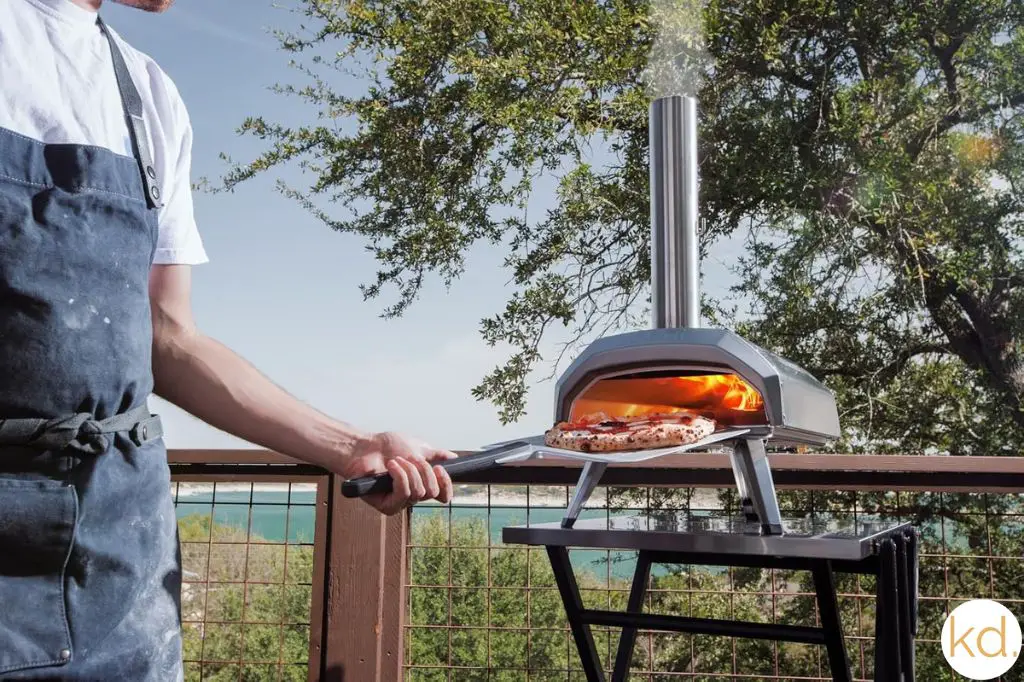
If you’re craving that perfect wood-fired taste but don’t want to build a brick oven in your backyard, you’re in the right place. Modern pizza ovens have completely transformed home cooking, bringing restaurant-quality results within reach of everyday home chefs. Whether you’re eyeing a compact countertop model or dreaming of an outdoor pizza oven setup, this comprehensive guide breaks down everything you need to know before making your purchase.
The pizza oven market has exploded in recent years, with options ranging from budget-friendly portables to professional-grade outdoor units. Let’s cut through the marketing hype and get into what actually matters when choosing the Best Pizza Oven for your needs.
Quick Links for 10 Best Pizza Ovens
- Ooni Koda 16
- Gozney Roccbox
- Bertello Outdoor Pizza Oven
- Ooni Karu 2
- Breville Smart Oven Pizzaiolo
- Camp Chef Italia Artisan
- Solo Stove Pi
- Cuisinart Alfrescamore Pizza Oven
- Gozney Dome
- Ooni Karu 12
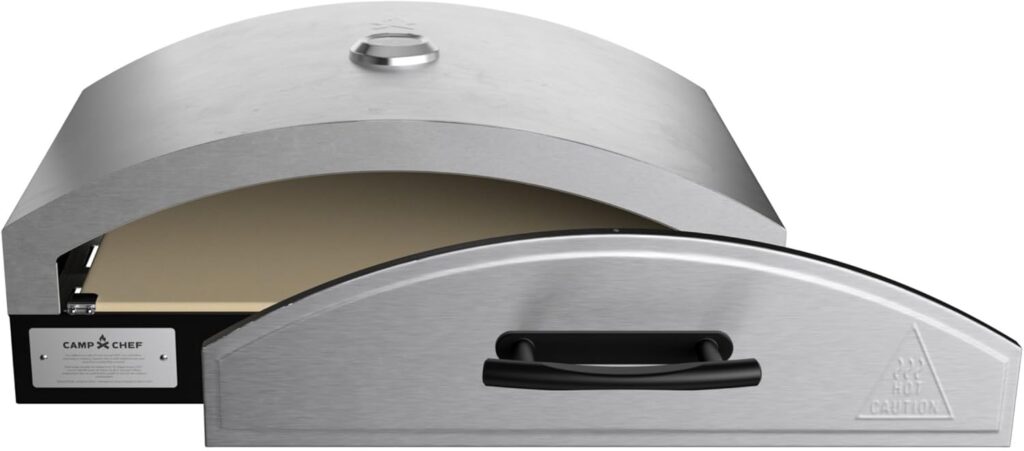
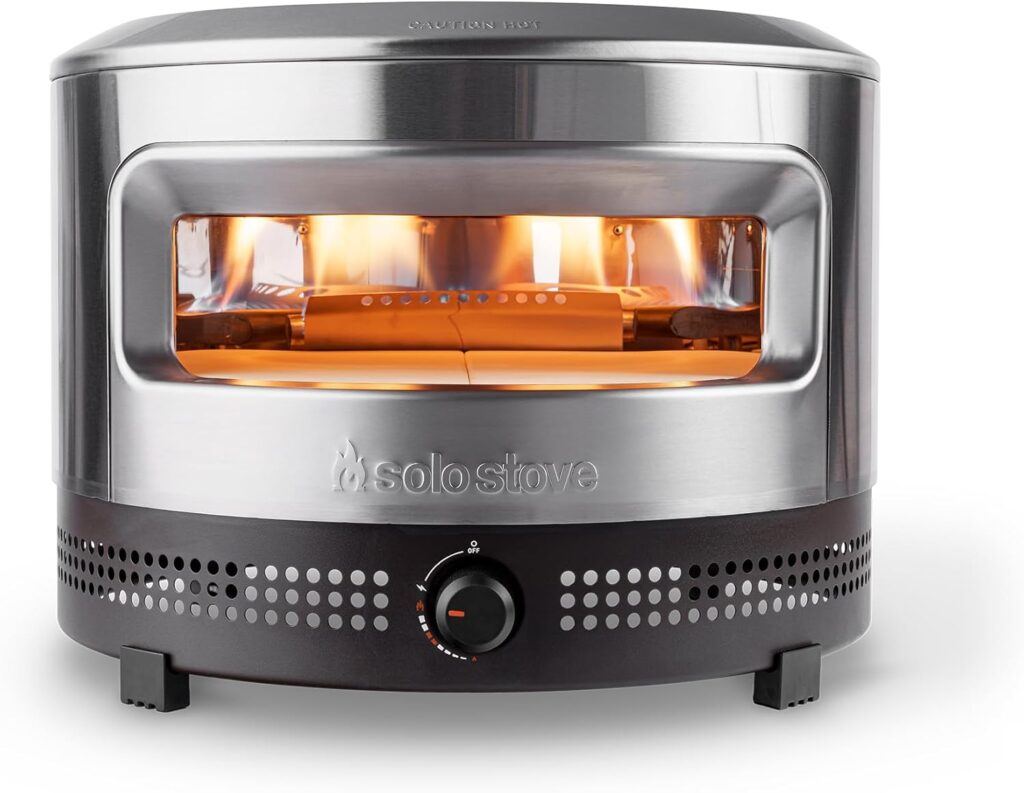
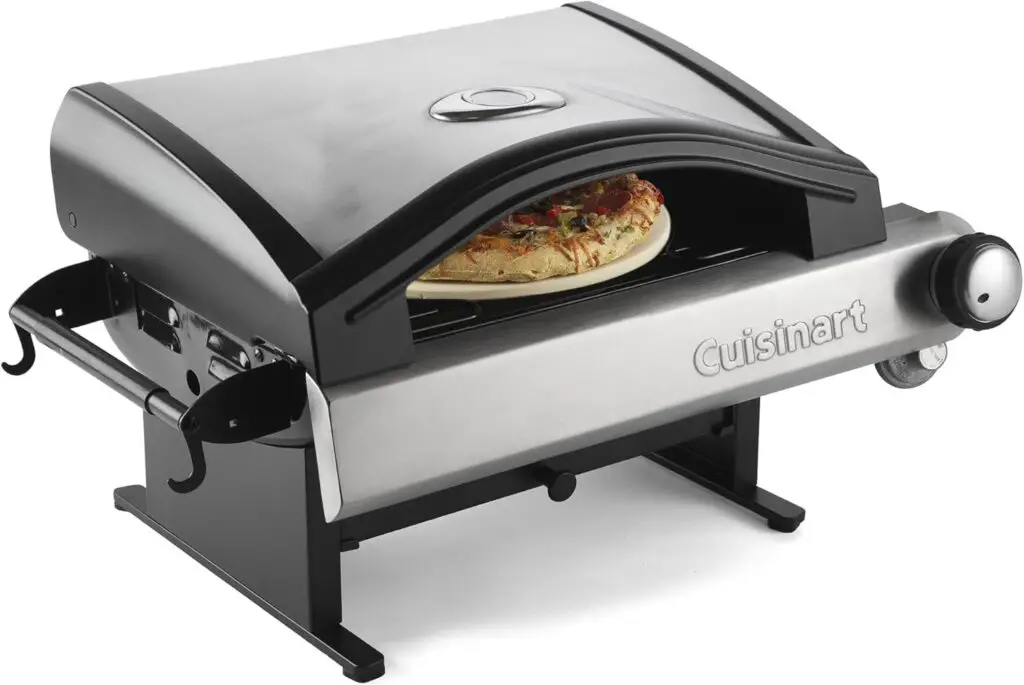
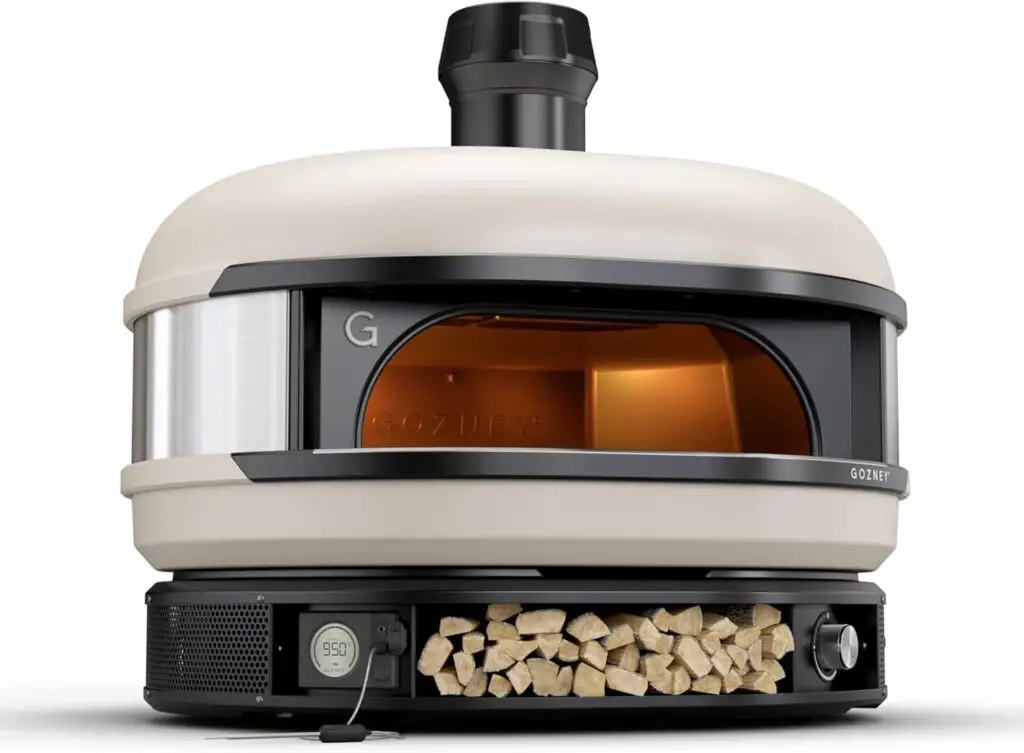
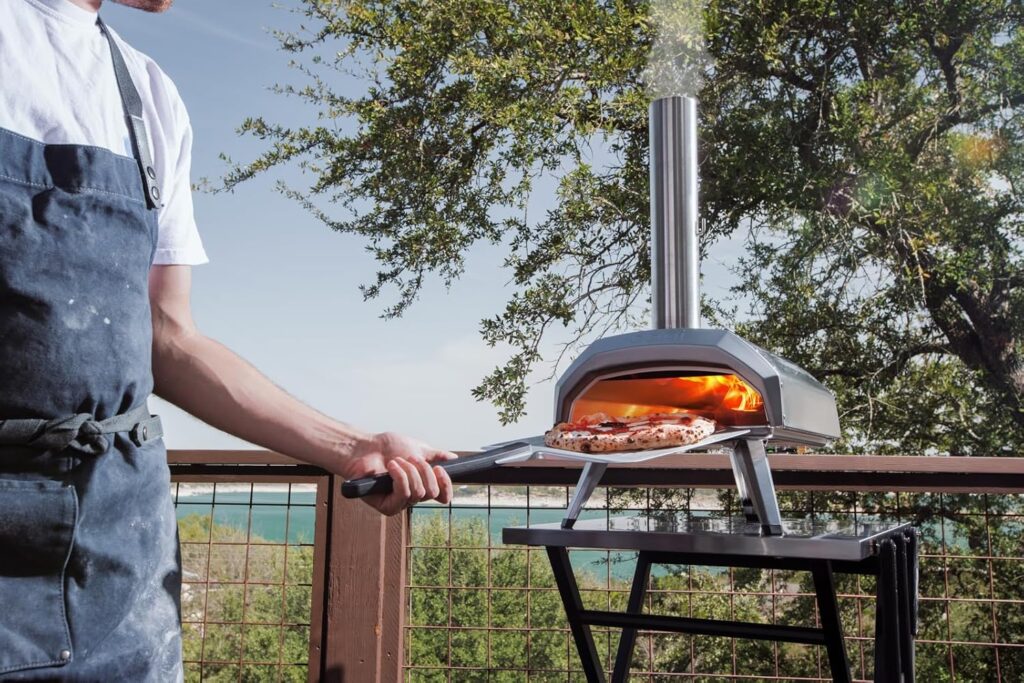
Pizza Ovens Ranked
| Rank | Pizza Oven | Key Strength |
|---|---|---|
| 1 | Gozney Dome | Professional-grade everything |
| 2 | Ooni Koda 16 | Best gas performance |
| 3 | Gozney Roccbox | Premium dual-fuel versatility |
| 4 | Ooni Karu 12 | Best multi-fuel flexibility |
| 5 | Ooni Karu 2 | Best wood-fired authenticity |
| 6 | Breville Smart Oven Pizzaiolo | Best indoor option |
| 7 | Camp Chef Italia Artisan | Best dual capacity |
| 8 | Solo Stove Pi | Best innovative design |
| 9 | Bertello Outdoor Pizza Oven | Best budget multi-fuel |
| 10 | Cuisinart Alfrescamore | Best entry-level option |
Why Invest in a Dedicated Pizza Oven?
Before we dive into specific models, let’s talk about why you might want a pizza oven instead of just using your conventional oven. Traditional home ovens typically max out around 500-550°F, while authentic Neapolitan pizza requires temperatures between 800-900°F. This massive temperature difference isn’t just about cooking faster—it fundamentally changes the pizza’s texture, creating that coveted crispy-yet-chewy crust with perfectly melted toppings.
According to pizza history experts, the cooking method significantly impacts the final product. High-heat pizza ovens cook pies in 60-90 seconds, creating leopard-spotted crusts and preventing soggy centers. Your regular kitchen oven? That’ll take 12-15 minutes and often results in dried-out toppings or undercooked dough.
Types of Pizza Ovens: Finding Your Match
Gas Pizza Ovens
Gas pizza ovens offer incredible convenience with instant heat and precise temperature control. Simply connect to a propane tank or natural gas line, turn the knob, and you’re cooking within 15-20 minutes. These ovens appeal to folks who want restaurant results without the learning curve of wood-fired cooking.
Advantages:
- Consistent, controllable heat
- Quick heat-up time (15-20 minutes)
- Minimal maintenance and cleanup
- No smoke production for suburban settings
- Works in any weather condition
Drawbacks:
- Lacks authentic smoky flavor
- Requires fuel supply connection
- Generally more expensive upfront
- Less “traditional” cooking experience
Wood-Fired Pizza Ovens
Nothing beats the authentic taste and experience of wood-fired pizza. These traditional ovens use hardwood logs or pellets to generate extreme heat while infusing your pizza with subtle smoky flavors. They’re the choice of purists and anyone serious about replicating authentic Italian pizza.
Advantages:
- Unmatched authentic flavor profile
- Reaches highest temperatures (900°F+)
- Creates true Neapolitan-style results
- Impressive entertaining centerpiece
- No fuel costs beyond firewood
Drawbacks:
- Steep learning curve for temperature management
- 30-45 minute preheat time
- Requires quality dry hardwood
- More cleanup and ash disposal
- Not practical for quick weeknight meals
Electric Pizza Ovens
Electric pizza ovens provide the ultimate in convenience and are perfect for indoor use or situations where gas and wood aren’t practical. These units plug into standard outlets and offer consistent, worry-free performance.
Advantages:
- Indoor-friendly operation
- Zero emissions or smoke
- Precise digital temperature controls
- Safest option for families
- Minimal maintenance required
Drawbacks:
- Lower maximum temperatures (typically 500-700°F)
- Longer cooking times
- Higher electricity costs
- Lacks authentic pizza oven character
- May require dedicated circuit for larger models
Hybrid Multi-Fuel Ovens
The best of all worlds? Hybrid ovens that accept multiple fuel types give you flexibility based on your mood, weather, or available resources. Switch between gas convenience and wood-fired flavor as needed.
Top 10 Pizza Ovens: Comprehensive Reviews
1. Ooni Koda 16 Gas Pizza Oven
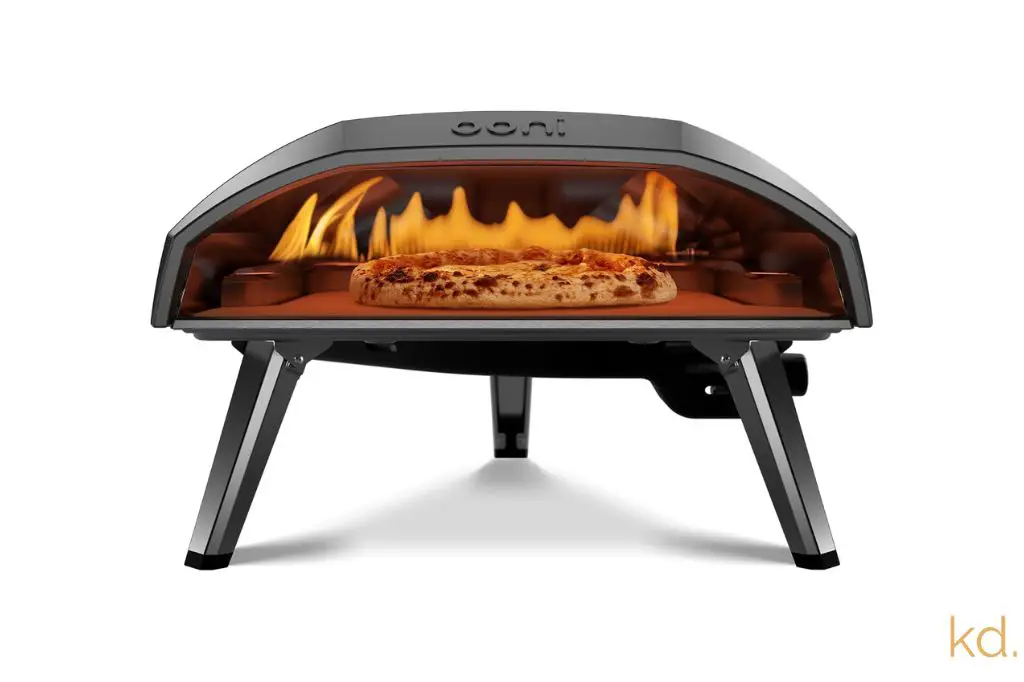
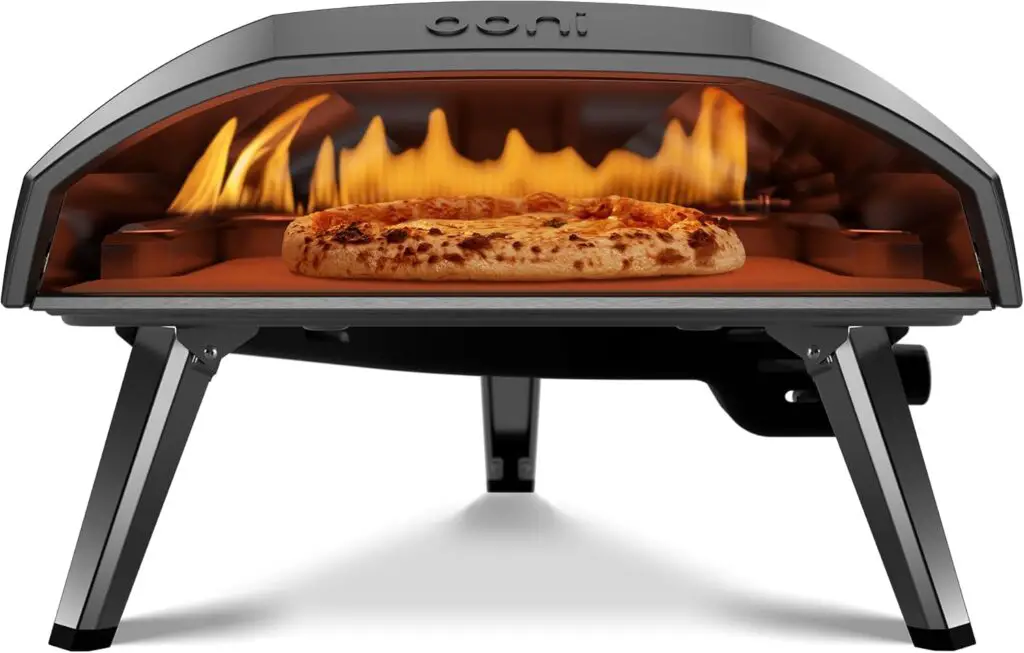
The Big Picture: The Ooni Koda 16 represents the gold standard for backyard pizza making, combining professional-level performance with surprising portability. This gas-powered beast reaches 950°F in just 20 minutes and accommodates 16-inch pizzas—perfect for feeding hungry crowds.
| Property | Specification |
|---|---|
| Fuel Type | Gas (Propane) |
| Max Temperature | 950°F |
| Pizza Size | Up to 16 inches |
| Heat-Up Time | 20 minutes |
| Weight | 40 lbs |
| Cooking Surface | 16.5″ x 16.5″ |
| Construction | Powder-coated carbon steel |
| Portability | High (folding legs) |
What Makes It Special: The Koda 16’s L-shaped flame delivers exceptionally even heat distribution, eliminating those annoying hot spots that char one side while leaving the other pale. The instant gas ignition means you can go from craving to eating in under 30 minutes total. Its powder-coated steel shell retains heat beautifully while the ceramic fiber insulation keeps exterior surfaces safe to touch.
Pros:
- Restaurant-quality results consistently
- Large cooking surface handles family-sized pizzas
- Portable enough for tailgating or camping
- No assembly required—ready out of the box
- Minimal learning curve compared to wood-fired
- Stone baking board included
- Efficient propane usage
Cons:
- Premium price point
- Requires separate propane tank purchase
- Limited to gas fuel only
- No built-in temperature gauge
- Takes practice to master rotating technique
Best For: Serious home pizza makers who prioritize convenience and consistent results, families who entertain regularly, or anyone wanting to upgrade from entry-level models.
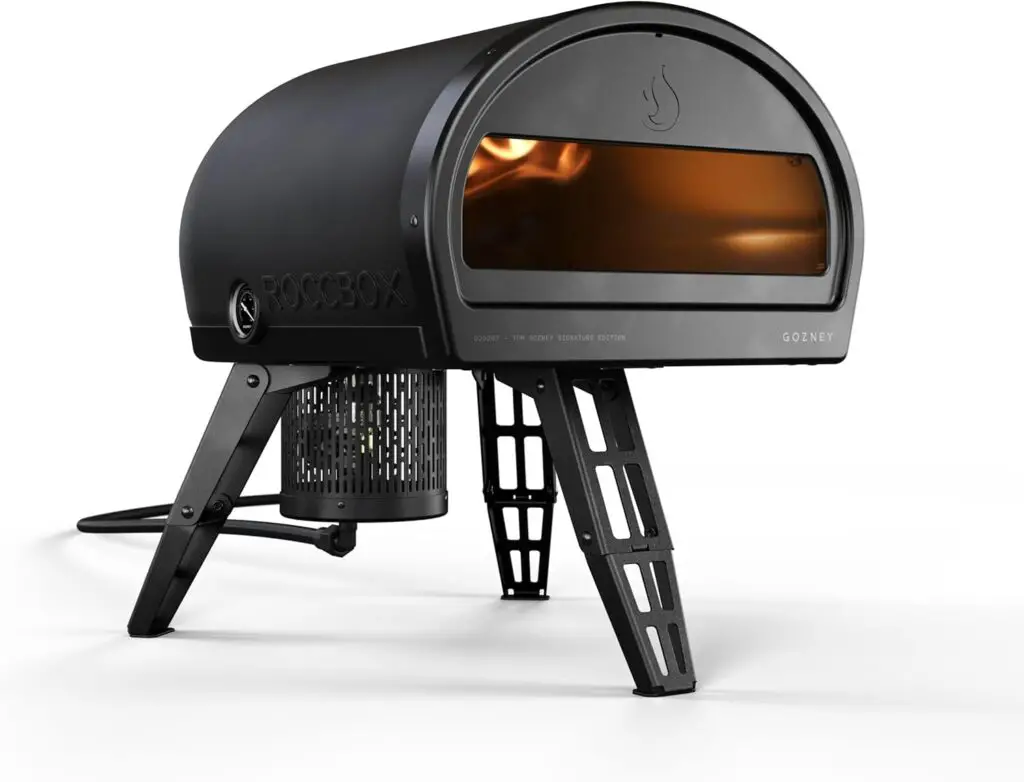
2. Gozney Roccbox Portable Pizza Oven
The Big Picture: If versatility tops your priority list, the Gozney Roccbox delivers with its dual-fuel capability. This compact powerhouse accommodates both gas and wood firing, letting you choose convenience or authenticity based on your situation.
| Property | Specification |
|---|---|
| Fuel Type | Dual (Gas/Wood) |
| Max Temperature | 950°F |
| Pizza Size | Up to 12 inches |
| Heat-Up Time | 30 minutes |
| Weight | 44 lbs |
| Cooking Surface | 12″ x 12″ |
| Construction | Double-insulated stone floor |
| Portability | Medium (integrated handles) |
What Makes It Special: The Roccbox’s professional-grade stone floor and innovative rolling flame technology ensure perfectly cooked pizzas every time. Its thick silicone-jacketed body provides exceptional heat retention while remaining cool enough to touch on the exterior—a significant safety advantage. The included gas burner and wood attachment give you complete fuel flexibility.
Pros:
- Genuine dual-fuel flexibility
- Professional-grade construction quality
- Exceptional heat retention and efficiency
- Integrated thermometer for precise monitoring
- Detachable legs for easy storage
- Restaurant-quality stone cooking surface
- Impressive warranty coverage
Cons:
- Smaller cooking surface limits pizza size
- Higher price than single-fuel alternatives
- Heavier than similar-sized competitors
- Wood burner sold separately adds cost
Best For: Pizza enthusiasts who can’t decide between gas convenience and wood-fired flavor, or anyone who wants the flexibility to choose based on occasion.
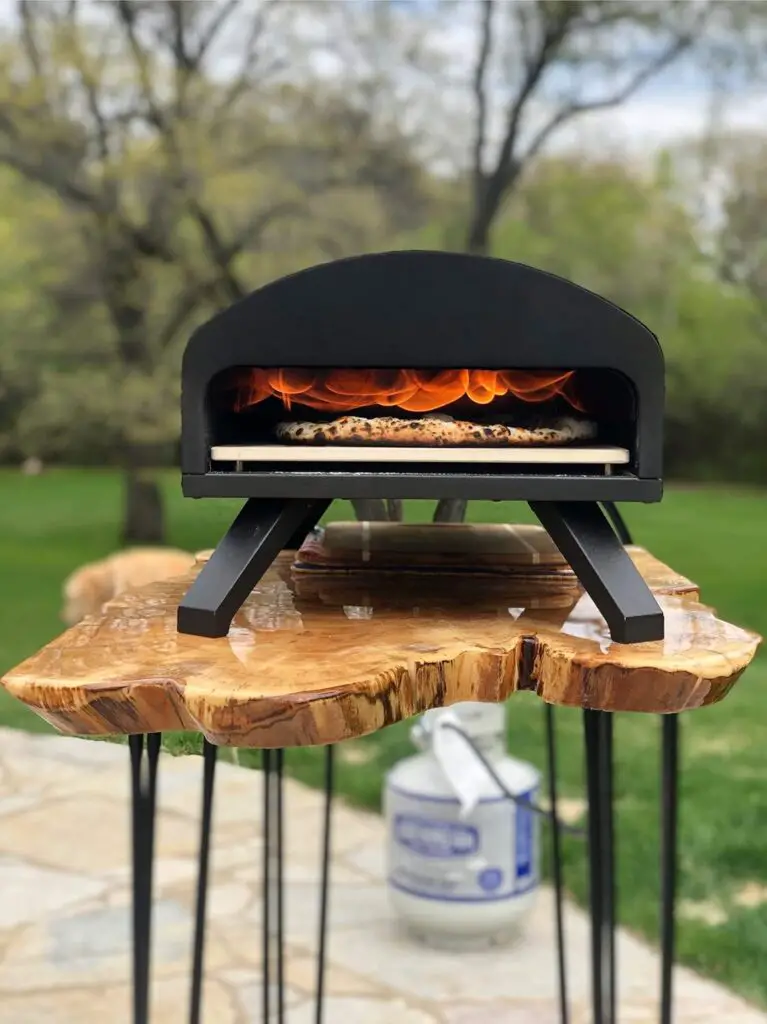
3. Bertello Outdoor Pizza Oven
The Big Picture: The Bertello represents exceptional value in the multi-fuel category, offering gas, wood, and charcoal capability at a fraction of competitor prices. This versatile portable oven doesn’t sacrifice performance despite its affordable price tag.
| Property | Specification |
|---|---|
| Fuel Type | Triple (Gas/Wood/Charcoal) |
| Max Temperature | 930°F |
| Pizza Size | Up to 12 inches |
| Heat-Up Time | 15 minutes (gas), 30 minutes (wood) |
| Weight | 26 lbs |
| Cooking Surface | 12.5″ diameter |
| Construction | Powder-coated steel |
| Portability | High (compact design) |
What Makes It Special: Bertello’s innovative arch design maximizes heat circulation while minimizing fuel consumption. The cordierite stone baking board can handle extreme temperature fluctuations without cracking—a common issue with cheaper models. At just 26 pounds, it’s genuinely portable for camping trips or beach cookouts.
Pros:
- Unbeatable price-to-performance ratio
- Three fuel options provide maximum flexibility
- Lightweight and truly portable
- Quick heat-up with gas option
- Quality cordierite stone included
- Collapsible legs for easy transport
- Excellent customer support
Cons:
- Smaller cooking surface
- Gas burner requires separate purchase
- Less refined aesthetic than premium brands
- Thin walls mean faster heat loss
- Manual temperature monitoring only
Best For: Budget-conscious buyers seeking versatility, campers and RV owners wanting portable pizza capability, or beginners testing whether they’ll use a pizza oven regularly.
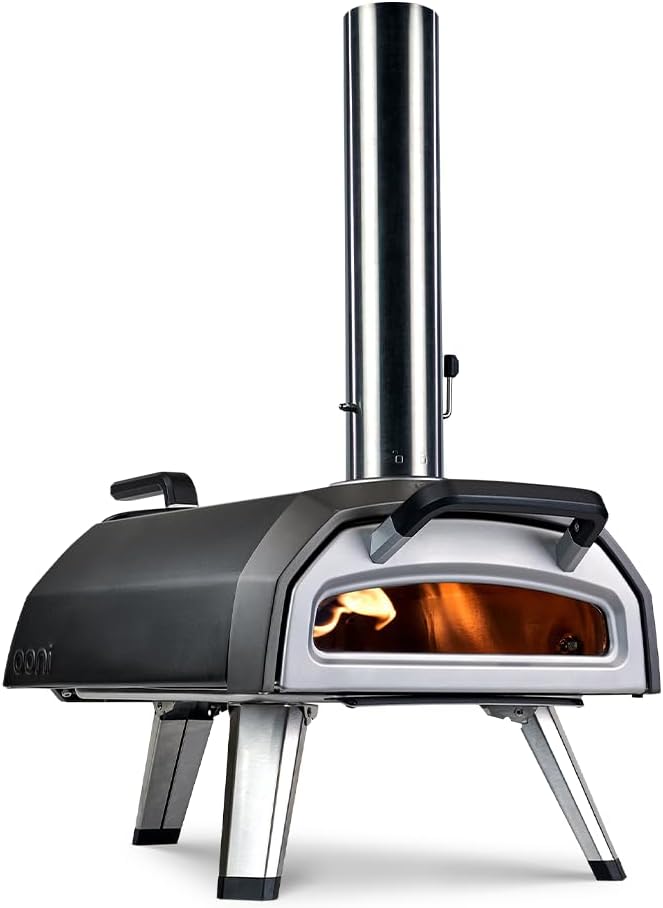
4. Ooni Karu 2 Pizza Oven
The Big Picture: For purists seeking authentic wood-fired flavor without the hassle of full logs, the Ooni Karu 2 offers an elegant solution. This pellet-powered oven reaches 950°F using compressed hardwood pellets, delivering smoky flavor with easier temperature management than traditional wood-fired ovens.
| Property | Specification |
|---|---|
| Fuel Type | Wood Pellets, Charcoal, or Propane |
| Max Temperature | 950°F |
| Pizza Size | Up to 12 inches |
| Heat-Up Time | 15 minutes |
| Weight | 22 lbs |
| Cooking Surface | 13.2″ x 13.2″ |
| Construction | Stainless steel body |
| Portability | Excellent (lightest outdoor option) |
What Makes It Special: The Karu’s gravity-fed pellet hopper provides consistent fuel delivery, maintaining steady temperatures without constant attention. Its ultra-lightweight construction makes it the most portable serious pizza oven available. The distinctive chimney design creates impressive draft, ensuring clean, efficient burns.
Pros:
- Authentic wood-fired taste profile
- Incredibly lightweight and portable
- Fast 15-minute heat-up time
- Pellet fuel is inexpensive and widely available
- No gas connections or electricity required
- Hopper holds enough pellets for multiple pizzas
- Distinctive appearance impresses guests
Cons:
- Requires monitoring pellet supply
- Learning curve for temperature control
- Pellet quality significantly affects performance
- Single fuel type limits flexibility
- Small cooking surface
- Needs regular chimney cleaning
Best For: Adventurous cooks willing to learn wood-fired techniques, anyone prioritizing authentic flavor over convenience, or those wanting a highly portable outdoor cooking solution.
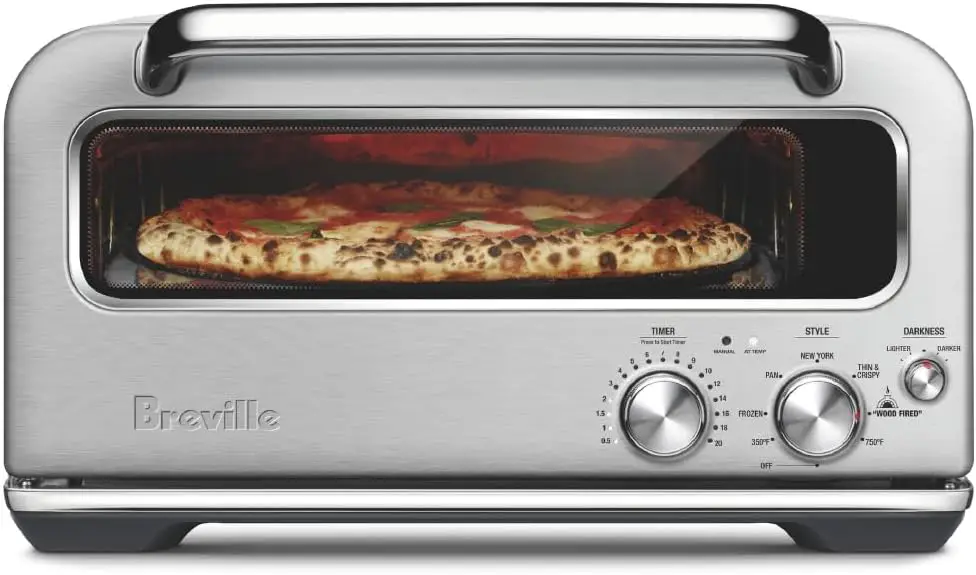
5. Breville Smart Oven Pizzaiolo
The Big Picture: Bringing professional pizza-making indoors, the Breville Pizzaiolo uses innovative heating technology to achieve 750°F temperatures in a countertop appliance. This electric marvel eliminates weather concerns while delivering results that rival outdoor ovens.
| Property | Specification |
|---|---|
| Fuel Type | Electric (120V) |
| Max Temperature | 750°F |
| Pizza Size | Up to 12 inches |
| Heat-Up Time | 15 minutes |
| Weight | 40 lbs |
| Cooking Surface | 12″ circular |
| Construction | Brushed stainless steel |
| Portability | None (countertop unit) |
What Makes It Special: The Pizzaiolo’s Element IQ system intelligently adjusts heat distribution between top and bottom elements based on your selected pizza style. Whether you’re making New York, Neapolitan, thin & crispy, or pan pizza, dedicated presets optimize cooking parameters. The built-in temperature probe ensures consistent results regardless of ambient conditions.
Pros:
- Year-round indoor use capability
- Precise digital temperature control
- Multiple preset cooking functions
- Dishwasher-safe components
- No outdoor space required
- Consistent results every time
- Safer than outdoor high-heat ovens
Cons:
- Significant countertop space requirement
- Premium price point for electric
- Lower max temperature than outdoor models
- Longer cooking times (2-4 minutes)
- Lacks authentic wood-fired character
- May require dedicated circuit
Best For: Apartment dwellers or anyone without outdoor space, home chefs prioritizing convenience and consistency, or those living in extreme climates that limit outdoor cooking.
6. Camp Chef Italia Artisan Pizza Oven
The Big Picture: The Camp Chef Italia brings commercial pizza oven performance to home backyards with its double-ceiling design and massive cooking capacity. This gas-powered unit accommodates two 12-inch pizzas simultaneously—a game-changer for entertaining.
| Property | Specification |
|---|---|
| Fuel Type | Propane Gas |
| Max Temperature | 700°F |
| Pizza Size | Two 12-inch pizzas |
| Heat-Up Time | 15 minutes |
| Weight | 47 lbs |
| Cooking Surface | Dual 13″ x 13″ stones |
| Construction | Stainless steel |
| Portability | Low (cart-mounted) |
What Makes It Special: Camp Chef’s innovative double-ceiling design creates convection-style heat circulation, cooking pizzas more evenly than traditional single-flame ovens. The micro-adjustable valve provides precise flame control, while the built-in ignition ensures reliable starting. Cordierite stone baking boards handle thermal shock without cracking.
Pros:
- Cook two pizzas simultaneously
- Precise temperature control
- Even heat distribution
- Built-in temperature gauge
- Matching cart available
- Efficient propane consumption
- Includes two pizza stones
Cons:
- Lower maximum temperature than competitors
- Bulkier and less portable
- Premium price tag
- Longer cooking times per pizza
- Requires more storage space
Best For: Families who cook multiple pizzas regularly, entertainers hosting pizza parties, or anyone prioritizing cooking capacity over portability.
7. Solo Stove Pi Pizza Oven
The Big Picture: Leveraging their fire pit expertise, Solo Stove created the Pi—a uniquely designed pizza oven emphasizing airflow efficiency and heat retention. This gas-powered unit combines distinctive aesthetics with functional innovation.
| Property | Specification |
|---|---|
| Fuel Type | Propane Gas |
| Max Temperature | 850°F |
| Pizza Size | Up to 12 inches |
| Heat-Up Time | 15-20 minutes |
| Weight | 32 lbs |
| Cooking Surface | 13.5″ diameter |
| Construction | Stainless steel shell |
| Portability | Good (removable legs) |
What Makes It Special: The Pi’s signature airflow system, borrowed from Solo Stove’s renowned fire pits, creates exceptional heat circulation. The removable heat shield protects the flame from wind while directing heat efficiently across the cooking surface. Thoughtful design touches include a front-mounted fuel valve for easy access and a built-in thermometer.
Pros:
- Innovative heat circulation design
- Wind-resistant cooking performance
- Relatively lightweight construction
- Premium build quality
- Attractive modern aesthetic
- Quick heat-up time
- Removable components simplify cleaning
Cons:
- Higher price point
- Limited to gas fuel only
- No temperature adjustment dial
- Smaller brand with less track record
- Fewer accessories available
Best For: Design-conscious buyers appreciating innovative engineering, Solo Stove brand enthusiasts, or anyone cooking in windy conditions.
8. Cuisinart Alfrescamore Outdoor Pizza Oven
The Big Picture: Cuisinart enters the pizza oven market with the Alfrescamore, offering solid performance at an accessible price point. While lacking the premium features of high-end competitors, this gas oven delivers reliable results for casual pizza makers.
| Property | Specification |
|---|---|
| Fuel Type | Propane Gas |
| Max Temperature | 700°F |
| Pizza Size | Up to 13 inches |
| Heat-Up Time | 10 minutes |
| Weight | 30 lbs |
| Cooking Surface | 15″ x 12″ |
| Construction | Powder-coated steel |
| Portability | Excellent (carry handle) |
What Makes It Special: The Alfrescamore’s cordierite pizza stone distributes heat evenly while the stainless steel burner provides consistent flame output. Integrated temperature gauge helps monitor cooking conditions, though it lacks the precision of digital alternatives. Cuisinart’s established reputation ensures decent customer support and parts availability.
Pros:
- Budget-friendly price point
- Fast 10-minute heat-up
- Trusted brand name
- Decent build quality
- Built-in temperature gauge
- Generous cooking surface
- Portable design with carry handle
Cons:
- Lower maximum temperature
- Basic feature set
- Less efficient heat retention
- Thin construction feels less durable
- Limited temperature control precision
- Generic aesthetic design
Best For: First-time pizza oven buyers testing the waters, budget-conscious shoppers seeking brand reliability, or casual users making occasional pizzas.
9. Gozney Dome Pizza Oven
The Big Picture: The Gozney Dome represents the pinnacle of backyard pizza ovens, combining professional-grade construction with innovative dual-fuel technology. This investment-level oven transforms outdoor cooking spaces into authentic pizzerias.
| Property | Specification |
|---|---|
| Fuel Type | Dual (Gas/Wood) |
| Max Temperature | 950°F |
| Pizza Size | Up to 16 inches |
| Heat-Up Time | 30 minutes |
| Weight | 132 lbs |
| Cooking Surface | 25″ x 19″ |
| Construction | Refractory stone dome |
| Portability | None (permanent installation) |
What Makes It Special: The Dome’s professional-grade refractory stone construction provides unmatched heat retention and distribution. Digital thermometer technology monitors internal temperatures precisely, while the steam injector helps achieve professional-quality crusts. Switch between gas and wood seamlessly with integrated fuel systems.
Pros:
- Professional restaurant-quality results
- Massive cooking capacity
- Exceptional build quality and durability
- Precise digital temperature monitoring
- Beautiful design statement piece
- Cooks more than just pizza
- Comprehensive warranty coverage
Cons:
- Extremely high price point
- Requires permanent installation
- Significant space requirement
- Heavy weight limits placement options
- Overkill for casual users
Best For: Serious outdoor cooking enthusiasts building complete outdoor kitchens, anyone regularly entertaining large groups, or home chefs seeking professional-level equipment.
10. Ooni Karu 12G Multi-Fuel Pizza Oven
The Big Picture: The Ooni Karu 12G perfects the multi-fuel concept with seamless switching between gas, wood, and charcoal. This versatile oven appeals to those who can’t commit to a single fuel type or want different options for various occasions.
| Property | Specification |
|---|---|
| Fuel Type | Multi (Gas/Wood/Charcoal) |
| Max Temperature | 950°F |
| Pizza Size | Up to 12 inches |
| Heat-Up Time | 15 minutes (gas), 20 minutes (wood) |
| Weight | 28 lbs |
| Cooking Surface | 13.2″ x 13.2″ |
| Construction | Stainless steel |
| Portability | Excellent (folding legs) |
What Makes It Special: Ooni’s refined engineering shines in the Karu 12G’s effortless fuel switching and exceptional heat retention. The glass viewing door—a recent upgrade—lets you monitor cooking without releasing heat. Ceramic fiber insulation provides superior temperature maintenance while keeping exterior surfaces safe.
Pros:
- Complete fuel flexibility
- Glass door for monitoring
- Excellent heat retention
- Lightweight and portable
- Quality construction materials
- Fast heat-up regardless of fuel
- Large accessory ecosystem
Cons:
- Gas burner sold separately
- Premium pricing
- Learning curve with multiple fuel types
- Glass requires careful cleaning
- Smaller cooking surface
Best For: Versatility-seekers wanting all fuel options, experimenters enjoying different cooking methods, or those uncertain which fuel type suits them best.
Comprehensive Buying Guide: Choosing Your Perfect Pizza Oven
Size and Capacity Considerations
Cooking Surface Dimensions: Pizza ovens typically accommodate 12-16 inch pies. Twelve-inch capacity suits most households cooking 2-4 pizzas per session, while 16-inch models better serve frequent entertainers or large families. Consider your typical gathering size—cooking multiple small pizzas takes longer than making fewer large ones.
Physical Footprint: Outdoor models require stable, heat-resistant surfaces with adequate clearance from combustible materials. Most manufacturers recommend 3 feet of clearance above and 2 feet on sides. Indoor electric models need counter space—measure carefully before purchasing.
Storage Requirements: Portable models often feature collapsible legs and protective covers, but still require dry storage between uses. Permanent installations need weatherproof construction or covered outdoor kitchen spaces.
Fuel Type Selection: Gas vs. Wood vs. Electric
Gas Pizza Ovens: Best for convenience-oriented cooks who prioritize consistent results. Connect to propane tanks (most common) or natural gas lines (requires professional installation). Gas offers precise temperature control and immediate ignition but lacks authentic wood-fired flavor. Operating costs run approximately $1-2 per cooking session.
Wood-Fired Ovens: Ideal for purists seeking authentic taste and traditional cooking experience. Require quality seasoned hardwood (oak, maple, hickory) or compressed wood pellets. Expect a learning curve mastering temperature control. Fuel costs vary widely based on wood availability—potentially free if you have access to hardwood, or $15-30 per bag for premium pellets.
Electric Ovens: Perfect for indoor use, apartment living, or areas restricting open flames. Limited by lower maximum temperatures (typically 500-750°F versus 900°F+ for outdoor models), resulting in longer cook times and slightly different crust characteristics. Operating costs around $0.50-1.00 per session depending on local electricity rates.
Multi-Fuel Options: Premium choice for those wanting flexibility but prepared to pay extra. Most dual-fuel models require purchasing separate burner attachments ($100-150 additional), and you’ll maintain supplies for multiple fuel types.
Temperature Capabilities and Heat-Up Time
Maximum Temperature: Authentic Neapolitan pizza requires 800-900°F for that signature leopard-spotted crust. Budget ovens maxing at 500-600°F produce acceptable results but lack true pizzeria character. Consider your pizza style preferences:
- Neapolitan: Requires 850-950°F
- New York Style: Performs best at 600-700°F
- Deep Dish: Works well at 425-475°F
Heat-Up Duration: Gas ovens typically reach cooking temperature in 15-20 minutes. Wood-fired units need 30-45 minutes for proper stone preheating. Electric models vary widely (10-30 minutes). Factor heat-up time into meal planning—spontaneous pizza cravings favor gas or electric.
Heat Retention: Quality insulation maintains temperatures between pizzas, critical when cooking multiple pies. Double-walled construction with ceramic fiber or mineral wool insulation outperforms single-layer designs. Better retention means less fuel consumption and more consistent results.
Construction Quality and Materials
Cooking Surface: Cordierite stone offers superior thermal shock resistance, handling extreme temperature changes without cracking. Ceramic stones are acceptable but more fragile. Stainless steel surfaces heat quickly but don’t provide the same crust texture. Stone thickness matters—14mm minimum recommended, with 20mm+ providing better heat retention.
Oven Body: Stainless steel resists weather and corrosion better than powder-coated steel, though quality powder coating suffices with proper care and storage. Refractory stone or brick construction (found in premium models) provides exceptional heat retention but dramatically increases weight and cost.
Insulation: Ceramic fiber insulation outperforms mineral wool or air gaps. Quality insulation keeps exterior surfaces touchable (important safety consideration) while maintaining internal temperatures efficiently.
Hardware and Components: Examine hinges, doors, and valves. Premium ovens use heavy-duty stainless steel hardware that won’t rust or fail after seasons of use. Integrated thermometers should be readable and accurate—digital displays preferable to basic dial gauges.
Portability and Setup Requirements
Weight Categories:
- Ultra-portable (20-30 lbs): Carry anywhere, perfect for camping or tailgating
- Moderate (30-45 lbs): Transportable with two people, suitable for occasional moving
- Heavy (45-75 lbs): Essentially stationary, may include cart or stand
- Permanent (100+ lbs): Installation required, outdoor kitchen integration
Assembly Needs: Best portable ovens arrive ready to cook out of the box. Mid-range models may require leg attachment or gas connection. Premium permanent installations might need professional setup, especially for natural gas lines or built-in configurations.
Space Requirements: Measure your intended location carefully. Remember to account for:
- Opening clearance (doors, chimneys)
- Safe working distance around oven
- Heat-sensitive surface protection
- Ventilation needs for outdoor cooking
Budget Considerations: Investment vs. Value
Entry Level ($200-$400): Basic single-fuel ovens with thinner construction and limited features. Sufficient for occasional use and experimenting with pizza making. Examples: Cuisinart Alfrescamore, basic Bertello configurations.
Mid-Range ($400-$800): Quality construction with better insulation, higher temperatures, and potentially dual-fuel capability. Sweet spot for serious home pizza makers. Examples: Ooni Koda series, Bertello with gas attachment, Roccbox.
Premium ($800-$1,500): Professional-grade features, superior materials, comprehensive warranties, and often multi-fuel flexibility. For enthusiasts making pizza frequently. Examples: Gozney Roccbox, Ooni Karu 16, Solo Stove Pi.
Investment Level ($1,500+): Restaurant-quality equipment built to last decades. Permanent outdoor kitchen installations with complete feature sets. Examples: Gozney Dome, commercial-grade models, custom built-in units.
Total Cost of Ownership: Beyond purchase price, budget for:
- Fuel costs (propane, wood, electricity)
- Accessories (peels, covers, turning tools)
- Replacement stones or parts
- Storage solutions if needed
Essential Accessories and Add-Ons
Must-Have Accessories:
Pizza Peel: Aluminum peels work best for launching pizzas (lightweight, maneuverable), while wood peels excel for prep and serving. Budget $30-60 for quality options.
Infrared Thermometer: Essential for monitoring stone temperature. Built-in gauges measure air temperature, not actual cooking surface. Budget $20-40.
Turning Peel: Smaller perforated peel for rotating pizzas mid-cook, ensuring even cooking. Budget $25-50.
Protective Cover: Extends oven lifespan significantly. Custom-fit covers provide best protection. Budget $40-80.
Nice-to-Have Additions:
Pizza Stone Cleaning Tools: Brass brush removes stuck dough without scratching stones. Budget $15-25.
Infrared Thermometer Gun: Provides precise temperature readings anywhere on your cooking surface. Budget $25-50.
Dough Proofing Containers: Proper dough preparation impacts results as much as oven quality. Budget $20-40 for set.
Pizza Oven Table/Cart: Many brands offer matching stands providing stable platform and storage. Budget $150-300.
Maintenance and Longevity
Regular Maintenance Tasks:
After Each Use:
- Allow complete cooling before cleaning
- Brush stone surface with brass brush (never water on hot stone)
- Empty ash collection if wood-fired
- Wipe exterior with damp cloth
Weekly (For Heavy Users):
- Deep clean stone with scraper
- Check gas connections for leaks
- Inspect door seals and gaskets
- Clean chimney of creosote buildup
Seasonally:
- Inspect for rust or corrosion
- Tighten any loose hardware
- Apply protective coating if recommended
- Check flame patterns and burner performance
Storage Recommendations: Store under cover in dry location when possible. If leaving outdoors year-round, invest in quality weatherproof cover. Remove propane tanks and store safely away from heat sources.
Common Issues and Solutions:
Uneven Cooking: Usually indicates hot spots from poor heat distribution or incorrect stone placement. Rotate pizza 180° halfway through cooking.
Stone Cracking: Often results from thermal shock (extreme temperature changes) or moisture exposure. Always preheat gradually and keep stones completely dry.
Difficulty Maintaining Temperature: Check fuel quality, gas pressure, or wood dryness. Verify door seals intact and chimney not blocked.
Safety Considerations
Location Safety:
- Position on stable, level, non-combustible surface
- Maintain manufacturer-specified clearances
- Keep away from overhangs, trees, structures
- Ensure proper ventilation outdoors
- Never use gas or wood ovens indoors
Operational Safety:
- Always supervise heating and cooking
- Use heat-resistant gloves (regular oven mitts insufficient)
- Keep children and pets at safe distance
- Have fire extinguisher accessible
- Never move oven while hot
- Allow complete cooling before covering or storing
Gas Safety:
- Inspect connections regularly for leaks (soapy water test)
- Never store propane tanks indoors
- Turn off gas when finished cooking
- Check regulator function before each use
- Replace damaged hoses immediately
Food Safety:
- Preheat pizza stone adequately (prevents undercooked dough)
- Use instant-read thermometer verifying internal temps
- Clean stones properly between uses
- Maintain separate utensils for raw and cooked ingredients
Frequently Asked Questions
How long does it take to cook pizza in a pizza oven?
High-temperature pizza ovens (800-900°F) cook Neapolitan-style pizzas in 60-90 seconds. Lower temperature ovens (500-700°F) require 2-5 minutes. Always rotate pizza partway through for even cooking. Total time includes dough preparation and oven preheating (15-45 minutes depending on fuel type).
Can I cook other foods in a pizza oven?
Absolutely! Pizza ovens excel at roasting vegetables, searing steaks, baking bread, cooking seafood, and even desserts. The intense heat and stone cooking surface enhance many foods. Some models include accessories like cast iron skillets or baking pans specifically for non-pizza cooking. Similar to how air fryers have become multi-purpose appliances, modern pizza ovens offer remarkable versatility.
What’s the difference between Neapolitan and New York style pizza ovens?
Primarily temperature and cooking time. Neapolitan requires 800-900°F for 60-90 seconds, creating characteristic char and soft crust. New York style cooks at 600-700°F for 4-6 minutes, producing crispy-yet-foldable texture. Most high-end ovens handle both styles—simply adjust temperature and timing.
Do I need special flour for pizza oven cooking?
High-protein “00” flour (Italian-style) performs best at extreme temperatures, creating superior texture and preventing burning. However, bread flour (12-14% protein) produces excellent results and costs less. All-purpose flour works but creates denser crusts. Experiment to find your preference.
How much does it cost to operate a pizza oven?
Gas ovens cost approximately $1-2 per cooking session (propane). Electric models run $0.50-1.00 depending on local rates. Wood-fired costs vary from nearly free (if sourcing your own hardwood) to $2-3 per session using premium pellets. All remain economical compared to restaurant pizza prices.
Can I use regular pizza stones from my kitchen oven?
Not recommended. Pizza oven stones must withstand 800-900°F temperatures and handle rapid heating. Standard kitchen oven stones (rated to 500-550°F) will crack under pizza oven conditions. Always use stones specifically designed for high-heat pizza ovens.
What maintenance do pizza ovens require?
Minimal ongoing maintenance: brush stone after each use, clean exterior periodically, empty ash if wood-fired, and inspect gas connections regularly. Annual tasks include deep cleaning, checking hardware tightness, and applying protective coatings as needed. Proper maintenance extends oven life significantly.
Are outdoor pizza ovens weatherproof?
Most outdoor models withstand weather but benefit from protective covers. Stainless steel construction resists corrosion better than powder-coated steel. Store gas and electric models under cover during winter in harsh climates. Permanent installations require weatherproof design or covered spaces.
How long do pizza ovens last?
Quality models last 10-15+ years with proper care and maintenance. Premium stainless steel construction potentially lasts even longer. Budget models may need replacement after 3-5 years of regular use. Proper storage and maintenance significantly impact longevity.
Can apartments or condos use pizza ovens?
Electric indoor models work great for apartments, requiring only counter space and standard outlets. Outdoor gas or wood ovens depend on building policies and available space. Always check lease agreements and local fire codes. Some communities restrict open-flame cooking devices.
Final Thoughts: Making Your Decision
Choosing the best pizza oven ultimately depends on your specific needs, cooking style, and budget. For those seeking restaurant-quality results with maximum convenience, gas models like the Ooni Koda 16 offer unbeatable performance. Purists craving authentic wood-fired flavor should consider options like the Ooni Karu 2 or wood-capable hybrid models.
Budget-conscious buyers get excellent value from the Bertello Outdoor Pizza Oven, while space-limited apartment dwellers will appreciate the indoor versatility of the Breville Smart Oven Pizzaiolo. Whatever you choose, you’re investing in years of delicious homemade pizzas that rival your favorite pizzeria.
The modern pizza oven market offers something for everyone—from portable weekend warrior models to permanent backyard installations. Just like choosing the right cookware for your kitchen, selecting the perfect pizza oven transforms your cooking experience and opens new culinary possibilities.
Ready to start your pizza-making journey? Consider your priorities (portability versus capacity, convenience versus authenticity, budget versus features), match them against our top recommendations, and prepare for countless memorable meals ahead. The investment pays dividends with every perfectly blistered, expertly charred, restaurant-quality pizza you pull from your very own oven.
For more insights on kitchen equipment and cooking appliances, check out our guides on home ovens and choosing the right oven for your culinary needs. According to pizza-making experts, the right equipment makes all the difference between good pizza and extraordinary pizza—and with the information in this guide, you’re well-equipped to make that choice.