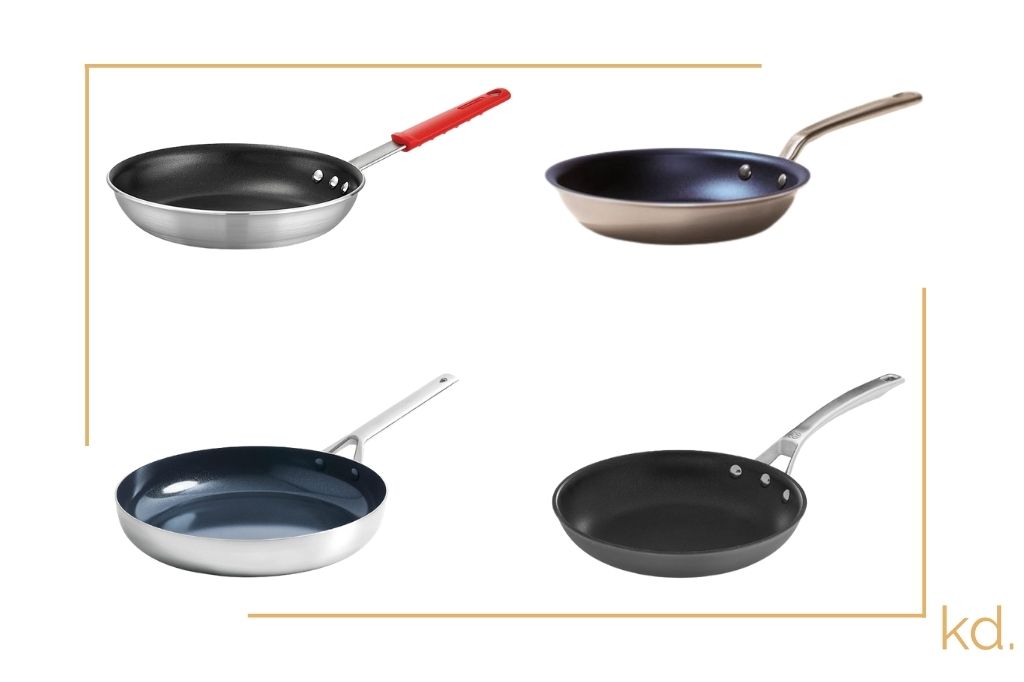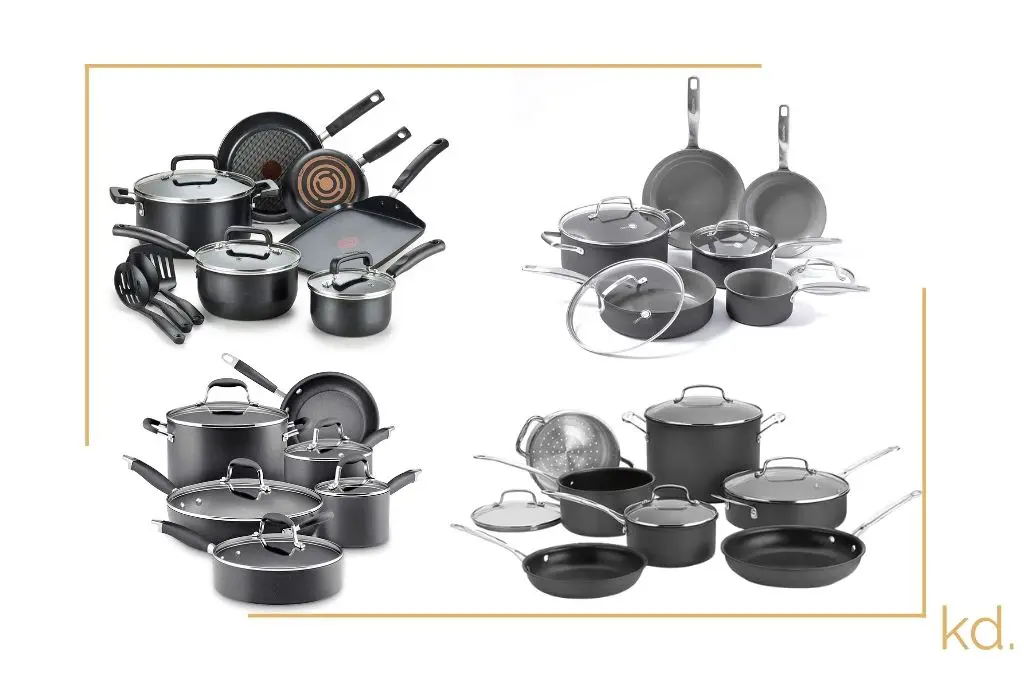
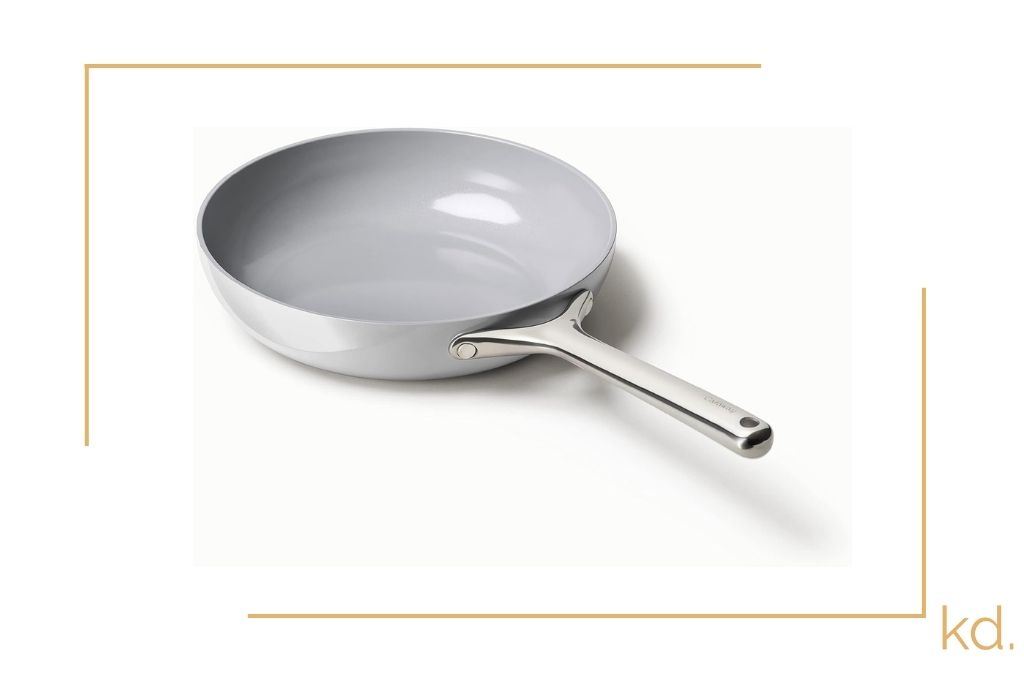
There’s something almost magical about a perfectly fried egg—the whites set just right, the yolk still gloriously runny, and absolutely zero sticking to the pan. But here’s the thing: achieving that breakfast perfection isn’t just about technique. The pan you use makes all the difference between effortlessly sliding eggs onto your plate and spending ten minutes scraping burnt bits off the bottom.
Whether you’re a sunny-side-up enthusiast, an over-easy devotee, or someone who just wants their morning eggs without the drama, having the right pan changes everything. After testing countless options and flipping more eggs than I care to count, I’ve rounded up the Best pan for frying eggs that’ll transform your breakfast game.
From traditional non-stick cookware to ceramic-coated options and even cast iron alternatives, there’s a perfect egg pan out there for everyone. Let’s dive into what makes these pans stand out and help you find your ideal match.
Quick Links for Best Egg Frying Pans
- All-Clad HA1 Hard Anodized Nonstick Fry Pan
- GreenPan Valencia Pro Ceramic Nonstick Frying Pan
- T-fal Ultimate Hard Anodized Nonstick Fry Pan
- Tramontina Professional Aluminum Nonstick Fry Pan
- OXO Good Grips Non-Stick Frying Pan
- Caraway Non-Stick Ceramic Fry Pan
- Lodge Pre-Seasoned Cast Iron Skillet
- Made In Non-Stick Frying Pan
The 8 Best Pans for Cooking Eggs in 2026
1. All-Clad HA1 Hard Anodized Nonstick Fry Pan

The All-Clad HA1 is what happens when a premium brand gets serious about nonstick performance. This pan combines hard-anodized aluminum construction with a PFOA-free nonstick coating that makes egg cooking ridiculously easy.
The hard-anodized exterior is incredibly durable and heats evenly across the entire surface, which means no hot spots that might overcook parts of your eggs while leaving others underdone. The stainless steel handle stays cool on the stovetop, and the pan works beautifully on all cooktop types, including induction.
What really impressed me is how well eggs release from this surface. Even with minimal oil or butter, your eggs glide right off. The pan’s weight gives it a substantial, quality feel without being too heavy to handle during those early morning cooking sessions.
Pros:
- Exceptional nonstick performance for egg cooking
- Even heat distribution prevents hot spots
- Compatible with all cooktops including induction
- Dishwasher safe for easy cleanup
- Durable hard-anodized construction
- Cool-grip stainless steel handle
Cons:
- Higher price point than budget options
- Metal utensils not recommended
- Hand washing extends nonstick coating life despite being dishwasher safe
2. GreenPan Valencia Pro Ceramic Nonstick Frying Pan
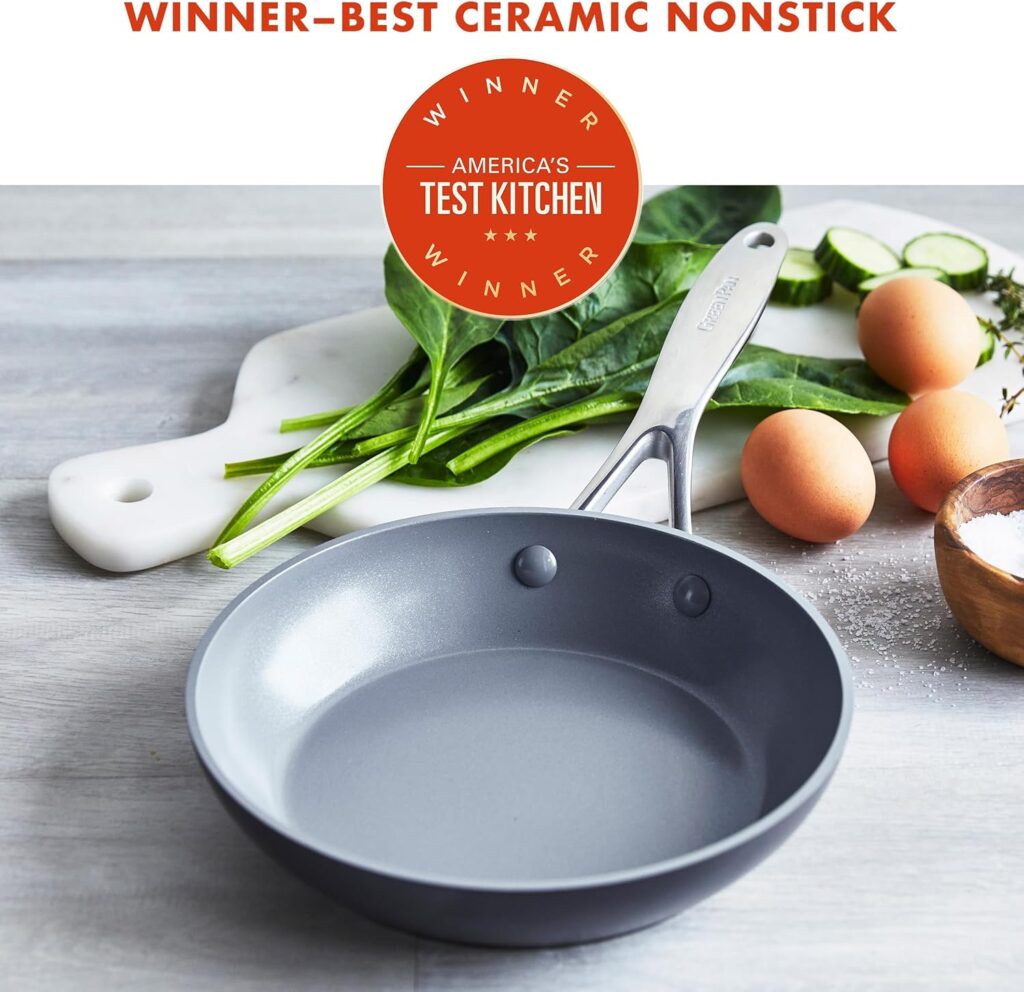
For those seeking a healthier alternative to traditional nonstick coatings, the GreenPan Valencia Pro delivers with its Thermolon ceramic coating. This diamond-infused ceramic surface is free from PFAS, PFOA, lead, and cadmium, giving you peace of mind while you cook.
The ceramic nonstick surface works wonderfully for eggs, creating that perfect non-stick release we all crave. The hard anodized body distributes heat evenly, and the pan is oven-safe up to 600°F, which opens up possibilities beyond stovetop cooking.
One of the standout features is the stainless steel handle that’s ergonomically designed and riveted for durability. The pan also works on all stovetops, including induction, making it a versatile choice for any kitchen. If you’re interested in more ceramic options, check out this guide on GreenPan non-stick cookware.
Pros:
- Healthy ceramic nonstick coating without harsh chemicals
- Diamond-infused for enhanced durability
- Excellent heat distribution
- Oven safe up to 600°F
- Induction compatible
- Dishwasher safe
Cons:
- Requires oil or butter for best results
- Ceramic coating may wear faster than traditional nonstick
- More expensive than standard nonstick pans
3. T-fal Ultimate Hard Anodized Nonstick Fry Pan
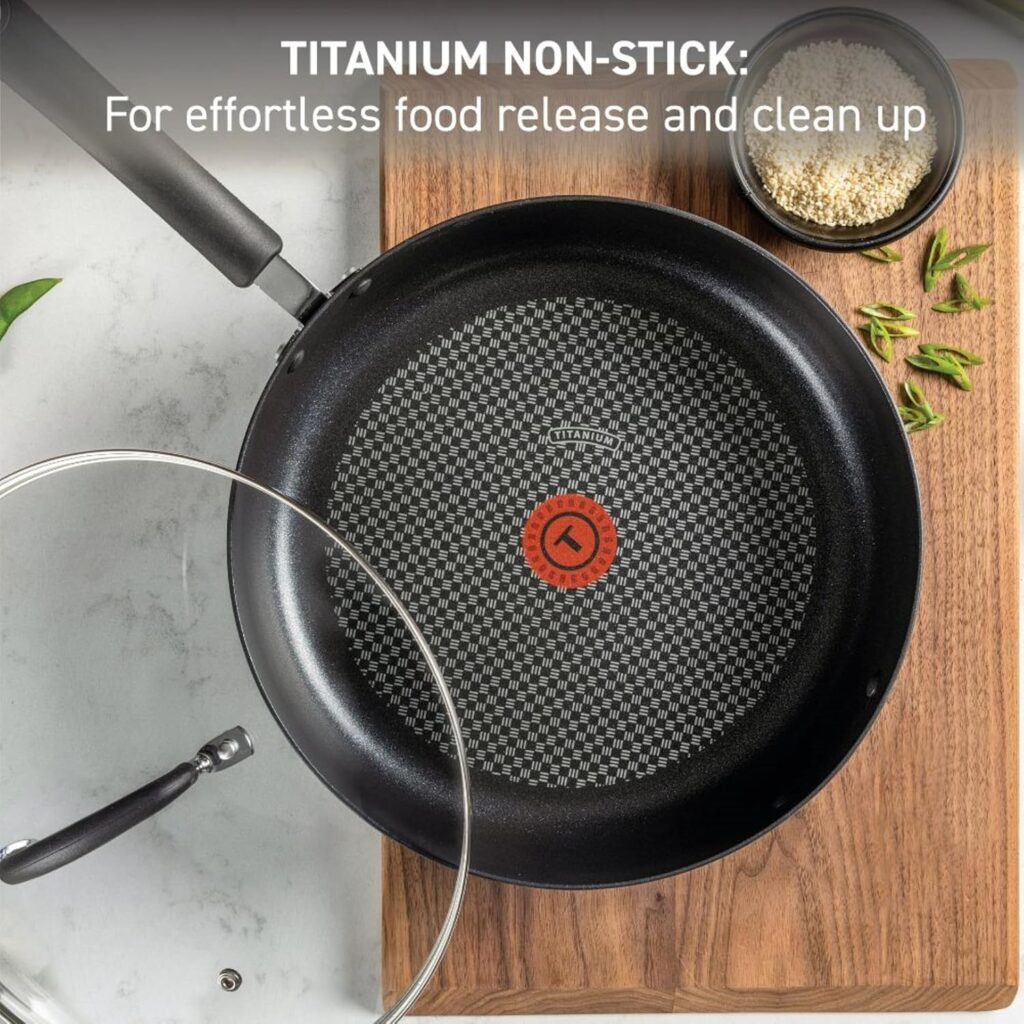
T-fal has been a trusted name in nonstick cookware for decades, and their Ultimate Hard Anodized series shows why. This pan features their proprietary Thermo-Spot heat indicator that turns solid red when the pan reaches the ideal temperature for cooking—a fantastic feature for getting eggs just right every time.
The titanium-reinforced nonstick interior is incredibly durable and scratch-resistant, handling daily use like a champ. The hard-anodized aluminum construction ensures even heating, while the riveted silicone handle provides a comfortable, secure grip.
What makes this pan particularly great for eggs is how forgiving it is. Even if you’re not using much fat, eggs release beautifully. The pan also transitions seamlessly from stovetop to oven (up to 400°F), perfect for finishing frittatas or baked egg dishes.
Pros:
- Thermo-Spot indicator takes guesswork out of preheating
- Titanium-reinforced nonstick is highly durable
- Even heat distribution
- Comfortable silicone handle
- Dishwasher safe
- Great value for the quality
Cons:
- Not induction compatible
- Handle not as heat-resistant as some competitors
- May show wear with high-heat cooking over time
4. Tramontina Professional Aluminum Nonstick Fry Pan
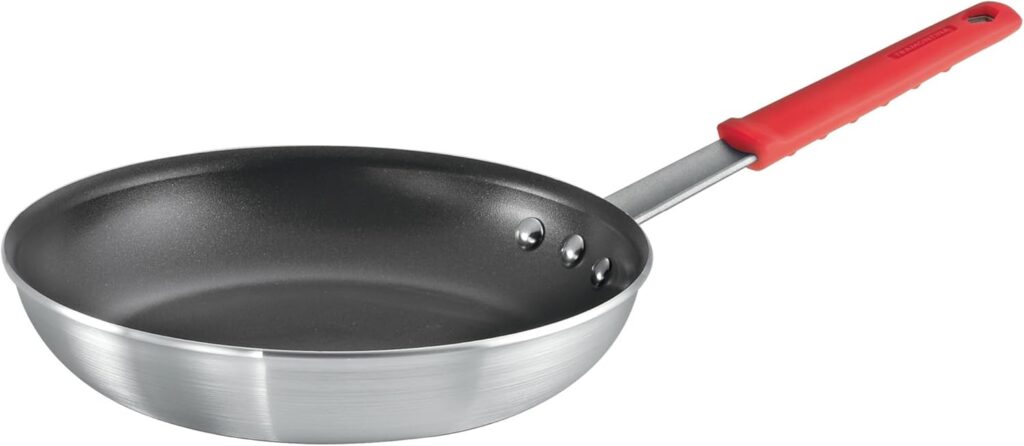
Don’t let the affordable price fool you—this Tramontina pan punches way above its weight class. The heavy-gauge aluminum construction heats quickly and evenly, while the PFOA-free nonstick coating releases eggs effortlessly.
The commercial-grade nonstick interior is surprisingly durable for the price point, standing up to regular use without showing signs of wear quickly. The ergonomic handle is designed for comfort during extended cooking sessions, and the pan’s low sides make it easy to slide a spatula under your eggs.
This pan represents excellent value for anyone who wants quality egg-cooking performance without breaking the bank. It’s particularly great if you’re outfitting a kitchen on a budget or want a reliable backup pan. For more affordable options, explore best cookware set under 200.
Pros:
- Exceptional value for money
- Heavy-gauge aluminum for even heating
- Reliable nonstick performance
- Comfortable handle design
- Dishwasher safe
- Oven safe up to 350°F
Cons:
- Not induction compatible
- Handle may get warm during extended cooking
- Nonstick coating may not last as long as premium brands
5. OXO Good Grips Non-Stick Frying Pan
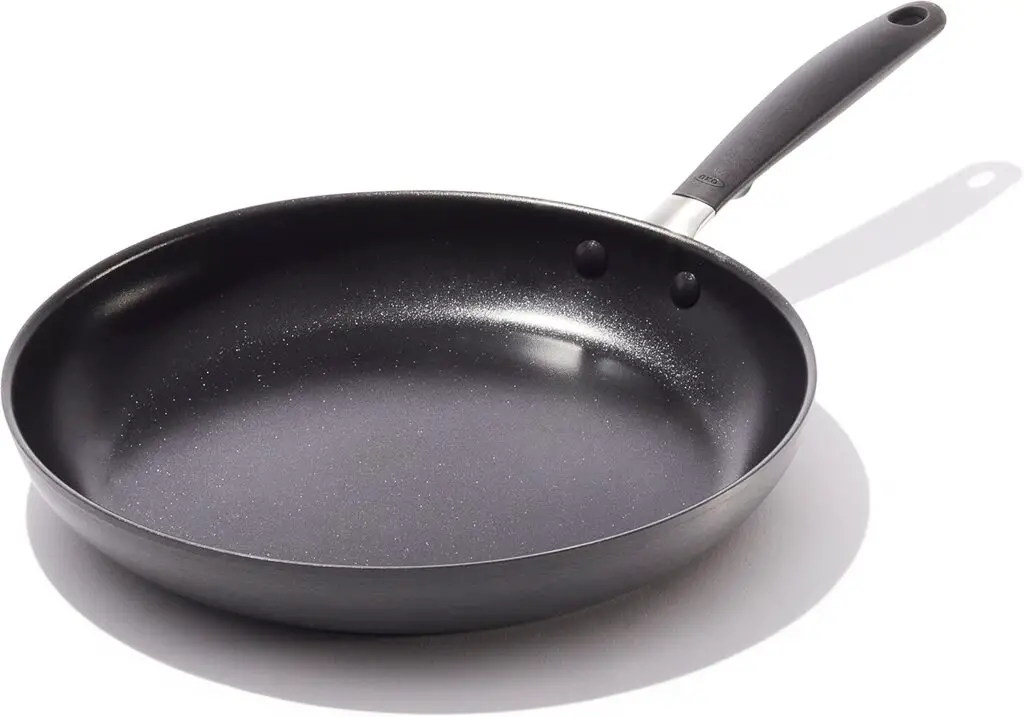
OXO built its reputation on thoughtful design, and their Non-Stick Frying Pan embodies that philosophy perfectly. The three-layer German-engineered nonstick coating is exceptionally durable and provides excellent food release—your eggs will slide right off with minimal effort.
The hard-anodized aluminum body ensures scratch resistance and even heat distribution, while the unique flat base prevents warping even with frequent use. But what really sets this pan apart is the handle. OXO’s signature Good Grips handle stays cool during cooking and provides a comfortable, secure grip that reduces hand fatigue.
The rolled edges make pouring excess butter or oil easy, and the pan transitions from stovetop to oven without issue (up to 430°F). It’s a well-thought-out pan that makes egg cooking genuinely enjoyable.
Pros:
- Excellent ergonomic handle design
- Three-layer German nonstick coating
- Warp-resistant flat base
- Even heat distribution
- Oven safe up to 430°F
- Dishwasher safe
Cons:
- Not induction compatible
- Mid to higher price range
- Requires gentle utensils to preserve coating
6. Caraway Non-Stick Ceramic Fry Pan
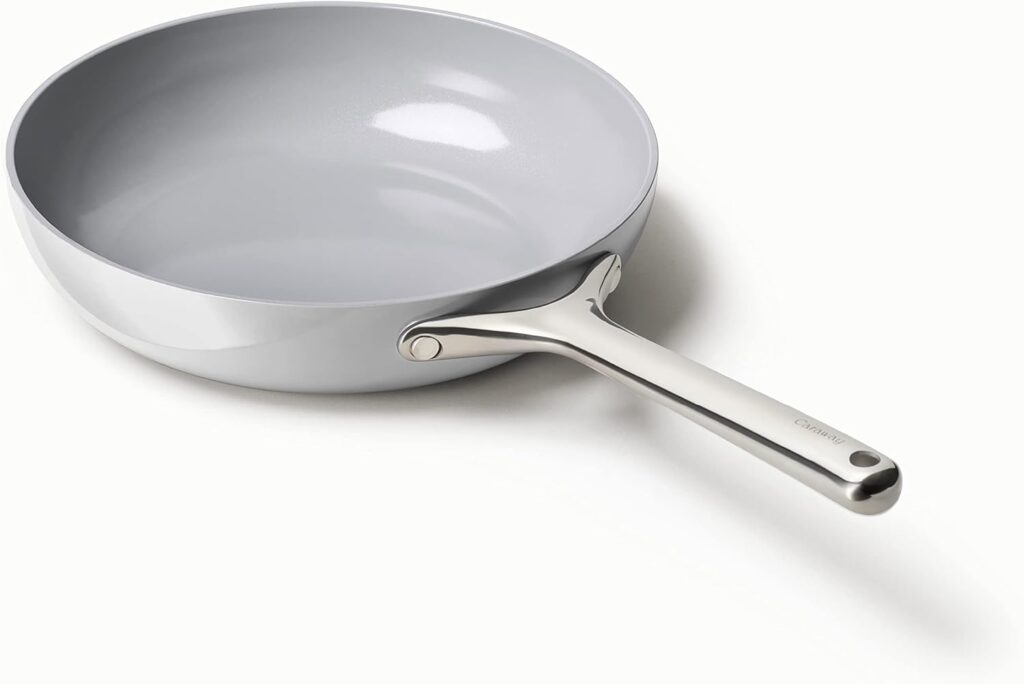
Caraway has taken the cookware world by storm with their beautiful, eco-friendly designs, and their fry pan delivers on both aesthetics and performance. The ceramic nonstick coating is free from PTFE, PFOA, and other harmful chemicals, making it a healthier choice for your kitchen.
The aluminum core heats evenly and quickly, while the stainless steel handle stays cool enough to handle safely. What makes Caraway special is how they’ve managed to make a truly nonstick ceramic surface that actually works for delicate foods like eggs. Many ceramic pans struggle with true nonstick performance, but this one delivers.
The pan comes in gorgeous colors that’ll make your kitchen Instagram-worthy, and it includes a storage solution to keep your cookware organized. It’s induction-compatible and oven-safe up to 550°F. Learn more about Caraway cookware options.
Pros:
- Beautiful design with multiple color options
- Healthy ceramic nonstick coating
- Excellent egg release
- Induction compatible
- High oven-safe temperature (550°F)
- Includes storage solution
Cons:
- Premium pricing
- Ceramic may require more oil than traditional nonstick
- Requires careful temperature management to preserve coating
7. Lodge Pre-Seasoned Cast Iron Skillet
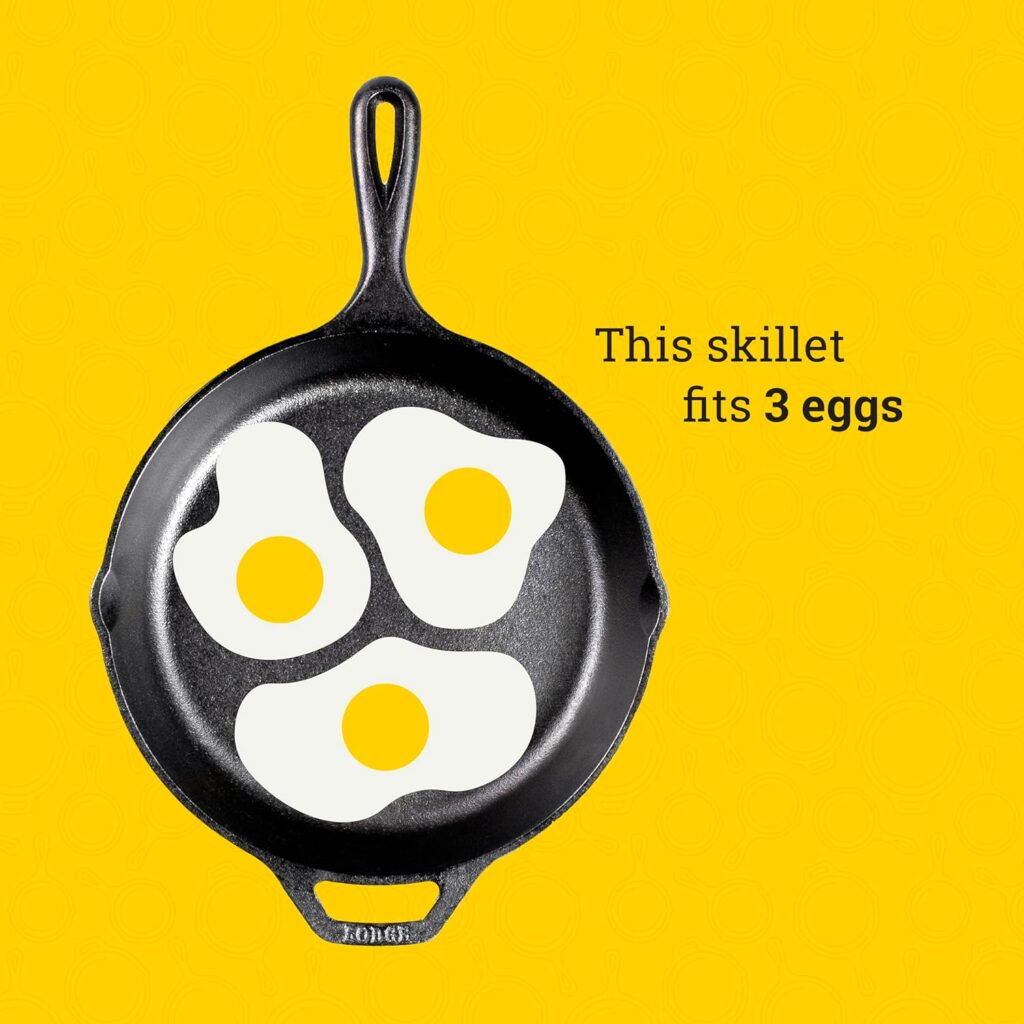
Now here’s a curveball—cast iron for eggs? Absolutely! While it requires a bit more technique than modern nonstick pans, a well-seasoned Lodge cast iron skillet can fry eggs beautifully while lasting generations.
The Lodge comes pre-seasoned and ready to use, though the seasoning improves with use. Cast iron’s superior heat retention means your eggs cook evenly, and once properly seasoned, the surface becomes naturally nonstick. The key is proper preheating and using enough fat.
This isn’t the pan for rushed weekday mornings when you’re half-asleep, but for weekend breakfast when you have time to do things right, cast iron delivers unmatched flavor and satisfaction. Plus, it’s virtually indestructible and can go from stovetop to oven to campfire. For more American-made options, check out cast iron cookware made in USA.
Pros:
- Extremely durable, lasts generations
- Naturally nonstick when properly seasoned
- Superior heat retention
- Oven and campfire safe
- Adds trace iron to food
- Very affordable
Cons:
- Requires seasoning maintenance
- Heavy to handle
- Slower to heat than aluminum pans
- Needs more oil/butter than modern nonstick
- Not dishwasher safe
8. Made In Non-Stick Frying Pan
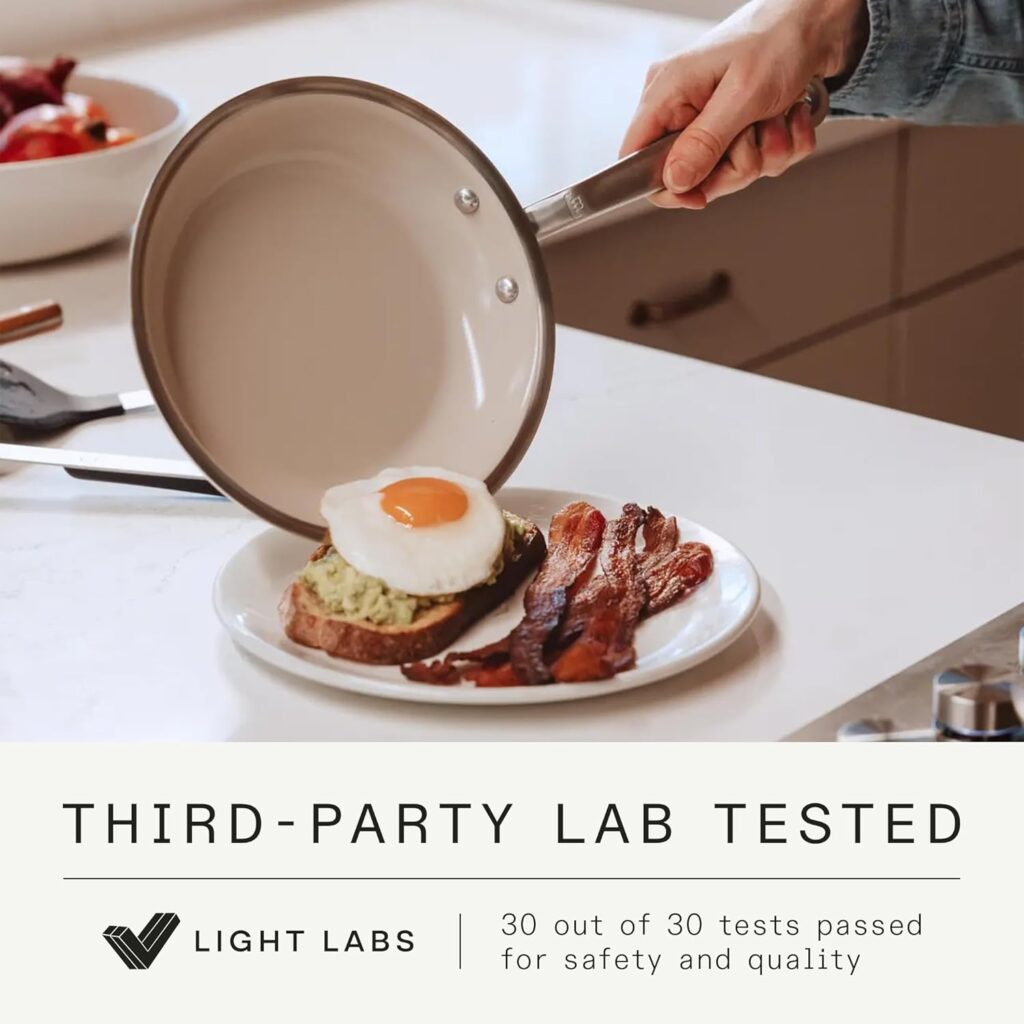
Made In has quickly become a favorite among home cooks and professional chefs, and their nonstick fry pan shows why. The five-layer nonstick coating is incredibly durable while maintaining excellent release properties for delicate foods like eggs.
The pan features a thick aluminum core that distributes heat evenly, eliminating hot spots that can ruin your eggs. The stainless steel handle is ergonomically designed and stays cool during cooking. What’s particularly impressive is how well this pan performs at lower temperatures—you don’t need high heat to get perfectly cooked eggs.
Made In uses environmentally conscious manufacturing processes, and their nonstick coating is free from harmful chemicals. The pan works on all cooktops, including induction, and is oven-safe up to 500°F.
Pros:
- Professional-grade five-layer nonstick coating
- Excellent heat distribution
- Works on all cooktops including induction
- High oven-safe temperature (500°F)
- Environmentally conscious manufacturing
- Comfortable ergonomic handle
Cons:
- Premium price point
- Requires proper care to maintain nonstick properties
- May be overkill for casual cooks
Comparison Table: Best Egg Frying Pans
| Pan Model | Material | Coating Type | Induction Compatible | Oven Safe Temp | Dishwasher Safe | Weight |
|---|---|---|---|---|---|---|
| All-Clad HA1 | Hard Anodized Aluminum | Traditional Nonstick | Yes | 500°F | Yes | Medium |
| GreenPan Valencia Pro | Hard Anodized Aluminum | Ceramic Nonstick | Yes | 600°F | Yes | Medium |
| T-fal Ultimate | Hard Anodized Aluminum | Titanium-Reinforced Nonstick | No | 400°F | Yes | Medium-Light |
| Tramontina Professional | Heavy-Gauge Aluminum | PFOA-Free Nonstick | No | 350°F | Yes | Light-Medium |
| OXO Good Grips | Hard Anodized Aluminum | Three-Layer German Nonstick | No | 430°F | Yes | Medium |
| Caraway | Aluminum Core | Ceramic Nonstick | Yes | 550°F | No | Medium |
| Lodge Cast Iron | Cast Iron | Pre-Seasoned | Yes | Any | No | Heavy |
| Made In | Aluminum Core | Five-Layer Nonstick | Yes | 500°F | Yes | Medium |
What Makes a Great Pan for Frying Eggs?
Nonstick Performance
This is the number one factor for egg pans. You want a surface that releases eggs cleanly without tearing or sticking. Traditional PTFE-based nonstick coatings excel here, but quality ceramic options and well-seasoned cast iron can also work beautifully. The coating should allow eggs to slide freely with minimal oil or butter.
Even Heat Distribution
Hot spots are the enemy of perfectly cooked eggs. A pan with poor heat distribution will cook parts of your egg faster than others, leading to overcooked edges and undercooked centers. Look for pans with aluminum cores or bases, as aluminum conducts heat exceptionally well and distributes it evenly across the cooking surface.
Size and Shape
For most home cooks, an 8 to 10-inch fry pan is ideal for cooking one to three eggs. The pan should have low, sloped sides that make it easy to slide a spatula underneath your eggs and flip them if needed. If you frequently cook for a crowd, a 12-inch pan gives you room for multiple eggs without crowding.
Handle Design
You’ll be lifting and maneuvering your egg pan constantly, so comfort matters. The handle should stay cool during cooking, provide a secure grip, and be ergonomically shaped to reduce hand fatigue. Riveted handles tend to be more durable than welded ones.
Durability and Maintenance
A good egg pan should last several years with proper care. Consider how much maintenance you’re willing to do—some pans require gentle hand washing, while others are dishwasher safe. Reinforced nonstick coatings last longer than basic ones, and ceramic coatings need careful temperature management to maintain their properties.
Cooktop Compatibility
Make sure your chosen pan works with your cooktop. Induction-ready cookware needs a magnetic base, while gas stoves work with anything. Electric and ceramic cooktops require flat-bottomed pans for optimal heat transfer.
Buying Guide: How to Choose the Best Pan for Eggs
Consider Your Cooking Style
Are you a precise cook who monitors temperatures carefully, or do you prefer grab-and-go convenience? If you want foolproof results with minimal effort, stick with traditional nonstick pans. If you enjoy the ritual of cooking and don’t mind a learning curve, cast iron offers unique benefits.
For health-conscious cooks concerned about chemicals in traditional nonstick coatings, ceramic options provide excellent alternatives. Just know they may require a bit more oil and careful temperature control.
Budget Considerations
Quality egg pans range from around $30 to over $150. While expensive doesn’t always mean better, investing in a mid-range to premium pan often pays off in longevity and performance. A $40-60 pan from a reputable brand will typically outperform a $15 budget option significantly.
That said, if you’re on a tight budget, Tramontina and T-fal offer excellent value. Save money on other kitchen items but splurge a bit on your egg pan—it’s something you’ll likely use daily.
Nonstick Coating Types
Traditional PTFE Nonstick: These provide the best release and are easiest to use. Modern versions are PFOA-free and safe when used properly (don’t overheat or use damaged pans). They require gentle utensils and hand washing for longest life.
Ceramic Nonstick: Free from PTFE and PFOA, ceramic coatings appeal to health-conscious cooks. They perform well but generally don’t last as long as traditional nonstick. They need oils or fats for best results and can be more finicky about temperature. For more information, see this guide on healthy non-stick cookware options.
Cast Iron: Naturally nonstick when properly seasoned, cast iron is chemical-free and nearly indestructible. It requires regular seasoning maintenance and more cooking skill but rewards you with excellent flavor and lifetime durability.
Size Selection
8-inch pans: Perfect for one or two eggs, ideal for small kitchens or solo cooks. Heats quickly and uses less energy.
10-inch pans: The sweet spot for most home cooks. Handles two to four eggs comfortably and works for other tasks too.
12-inch pans: Best for families or meal preppers. You can cook multiple eggs simultaneously without crowding.
Key Features to Look For
Oven-Safe Design: Many breakfast dishes benefit from finishing in the oven. Look for pans rated to at least 400°F if this matters to you.
Weight Balance: The pan should feel substantial enough to distribute heat evenly but not so heavy it’s awkward to maneuver. Most quality aluminum pans strike this balance well.
Sloped Sides: Low, angled sides make it easier to slide eggs onto plates and allow better spatula access than high, straight sides.
Cool-Touch Handle: Stainless steel or silicone-wrapped handles that stay cool make cooking safer and more comfortable.
Maintenance Requirements
Consider how much care you’re willing to provide. Nonstick pans generally require hand washing for longest life, though many are technically dishwasher safe. Avoid metal utensils, extreme heat, and abrasive scrubbers.
Cast iron needs regular seasoning and should never go in the dishwasher. Ceramic pans need gentle cleaning and shouldn’t be subjected to thermal shock (don’t run cold water on a hot pan).
According to research from the American Chemical Society, the molecular structure of nonstick coatings creates extremely low friction surfaces that prevent protein adhesion, which is why eggs release so easily from quality nonstick pans.
Brand Reputation
Stick with established cookware brands that stand behind their products. All-Clad, Lodge, T-fal, and Tramontina have proven track records. Newer direct-to-consumer brands like Caraway and Made In have built strong reputations through quality products and good customer service.
Read reviews from multiple sources and pay attention to feedback about how pans perform after months of regular use, not just when new.
Tips for Cooking Perfect Eggs
Preheat Properly
Let your pan heat over medium-low heat for 2-3 minutes before adding eggs. Most egg cooking failures come from pans that are too hot or not heated evenly. If your pan has a heat indicator like the T-fal Thermo-Spot, use it—otherwise, test with a drop of water that should sizzle gently.
Use Adequate Fat
Even the best nonstick pan benefits from a small amount of butter or oil. The fat adds flavor and creates an additional barrier between egg proteins and the pan surface. Use about half a tablespoon for every two eggs.
Don’t Overcrowd
Leave space between eggs so they cook evenly and are easier to flip. Crowded eggs create steam that can make them rubbery and increase the chance of breaking yolks when flipping.
Lower Heat is Better
Eggs cook quickly and can turn rubbery if overcooked. Medium-low heat gives you more control and produces more tender results. Patience is key—let them cook gently rather than trying to rush the process with high heat.
The Right Tools
Use silicone, wood, or nylon spatulas with nonstick pans to avoid scratching the coating. A thin, flexible spatula makes it easier to slide under eggs without breaking yolks.
Caring for Your Egg Pan
Cleaning Best Practices
Always let pans cool before washing—thermal shock can warp pans and damage nonstick coatings. For daily cleaning, warm water and gentle dish soap with a soft sponge is perfect. Avoid steel wool or abrasive scrubbers that scratch surfaces.
For stuck-on food, let the pan soak for 15 minutes rather than scrubbing aggressively. Most nonstick and ceramic pans shouldn’t need scrubbing if you clean them promptly after cooking.
Storage Matters
Stack pans carefully with pan protectors or soft cloths between them to prevent scratching. Hanging pans works great if you have the space. Don’t stuff pans into overcrowded cabinets where they’ll bang against each other.
When to Replace
Nonstick pans should be replaced when the coating shows significant scratching, peeling, or when food begins sticking regularly despite proper use. Most quality nonstick pans last 3-5 years with daily use. Cast iron lasts indefinitely with proper care.
If you notice flaking or peeling of nonstick coatings, replace the pan immediately and don’t use it—ingesting coating particles isn’t ideal even though modern coatings are non-toxic.
Extending Pan Life
Never heat empty pans—always add oil before preheating. Don’t use cooking sprays that contain propellants, as they can build up on nonstick surfaces and reduce performance. Store properly and always use appropriate utensils.
For cast iron, maintain the seasoning by cooking with fats regularly and avoiding prolonged exposure to acidic foods. Wipe with a light coat of oil after washing.
Frequently Asked Questions
What’s the difference between ceramic and traditional nonstick for eggs?
Traditional PTFE-based nonstick provides superior release and typically lasts longer. Ceramic nonstick is free from PTFE and PFOA, appealing to health-conscious cooks, but generally requires more oil and doesn’t last as long. Both work well for eggs when properly maintained.
Can I use metal utensils on any of these pans?
Only cast iron can handle metal utensils without damage. All nonstick and ceramic pans should be used with silicone, wood, or nylon utensils to preserve the coating and extend pan life.
How hot should the pan be for frying eggs?
Medium-low heat is ideal. If you’re using a T-fal pan with a heat indicator, wait for the Thermo-Spot to turn solid red. Test other pans with a water droplet—it should sizzle gently, not violently evaporate.
Do I need a special pan just for eggs?
Not necessarily, but having a dedicated nonstick pan for delicate foods like eggs and fish ensures you always have a perfect surface. If you use the same pan for high-heat searing, the nonstick coating wears faster.
Why do my eggs stick even to nonstick pans?
Common causes include insufficient preheating, not using enough fat, cooking on too high heat, or worn nonstick coating. Also, moving eggs too soon before they set can cause sticking.
Is it safe to cook eggs in nonstick pans?
Yes, modern nonstick pans are safe when used properly. Keep temperatures below 500°F, don’t use damaged pans with peeling coating, and ensure adequate ventilation. The concerns about PFOA have been addressed as it’s no longer used in manufacturing.
How do I season a cast iron pan for eggs?
Apply a thin layer of vegetable oil all over the pan and bake it upside down at 450°F for an hour. Repeat 3-4 times for best results. Use the pan regularly with fats, and it will develop a natural nonstick surface over time.
What size pan is best for making an omelet?
An 8-10 inch pan is ideal for a 2-3 egg omelet. The eggs should be about 1/4 inch deep in the pan. Larger pans make it harder to fold omelets, while smaller pans lead to overly thick omelets.
Final Thoughts: Finding Your Perfect Egg Pan
Choosing the best pan for frying eggs ultimately comes down to your priorities, cooking style, and budget. If you want foolproof performance with minimal maintenance, you can’t go wrong with the All-Clad HA1 or T-fal Ultimate. For health-conscious cooks who prefer chemical-free options, the GreenPan Valencia Pro or Caraway ceramic pans deliver excellent results.
Budget-conscious shoppers will love the Tramontina Professional’s performance-to-price ratio, while cast iron enthusiasts can embrace the Lodge skillet for a traditional, chemical-free approach that’ll last generations.
Whatever you choose, remember that even the best pan requires proper technique. Preheat adequately, use appropriate fats, and keep the heat moderate. Treat your pan well—use the right utensils, clean gently, and store carefully—and it’ll reward you with perfect eggs morning after morning.
The right egg pan transforms breakfast from a potential frustration into an effortless pleasure. Whether you’re making quick weekday scrambles or leisurely weekend brunches, having a quality pan designed specifically for eggs makes all the difference. Your mornings deserve better than stuck-on egg remnants and torn yolks—invest in a great egg pan and enjoy breakfast the way it should be.
For more kitchen essentials and cookware guides, check out our comprehensive cookware brands review to explore other options for your kitchen.