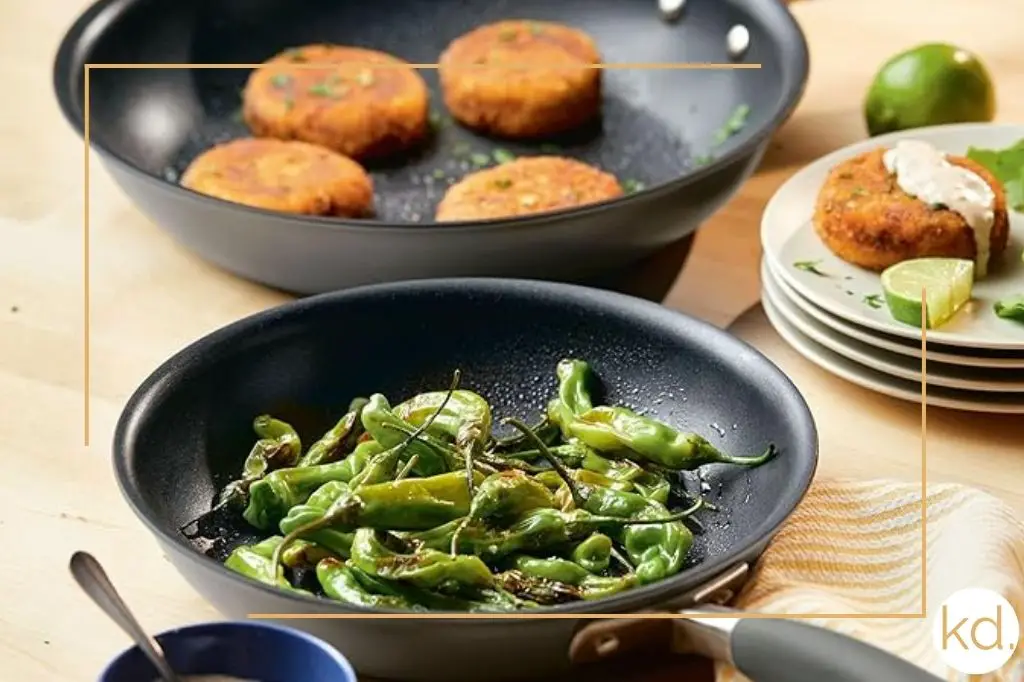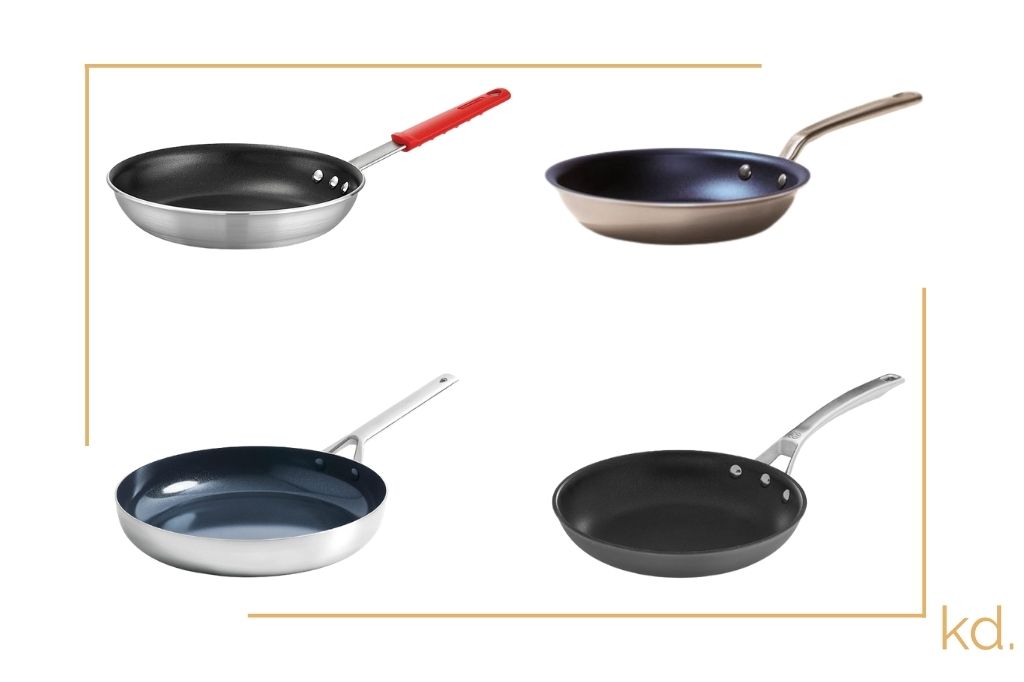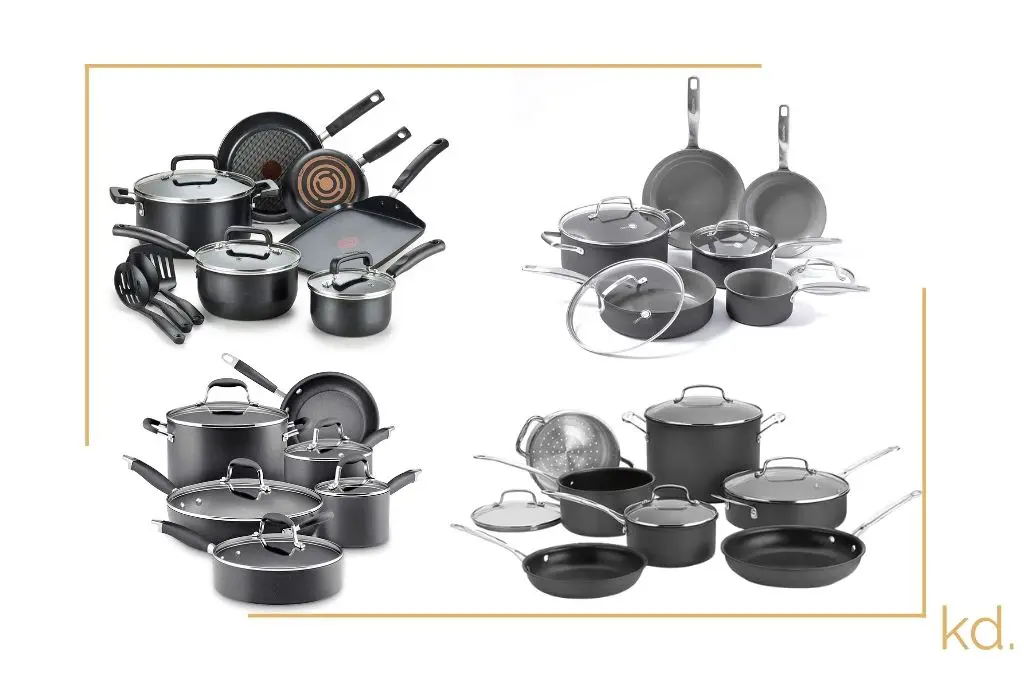
There’s something magical about the sizzle of food hitting hot oil—that moment when crispy, golden perfection begins to take shape. Whether you’re craving homemade donuts, crispy chicken cutlets, or perfectly fried fish, having the right deep frying pan makes all the difference between restaurant-quality results and a greasy mess.
But here’s the thing: not all deep frying pans are created equal. Some heat unevenly, leaving you with burnt spots and undercooked centers. Others are too shallow, causing oil splatters that turn your stovetop into a disaster zone. And don’t even get me started on pans that can’t handle high temperatures without warping or releasing harmful chemicals.
After extensive research and testing, I’ve rounded up the 8 Best Deep Frying Pans that’ll transform your home cooking game. Whether you’re a weekend warrior who occasionally fries up some chicken tenders or a serious home chef perfecting your tempura technique, there’s a perfect pan waiting for you on this list.
Quick Links for 8 Best Deep Frying Pans
- All-Clad D3 Stainless Steel Deep Sauté Pan – Best Overall
- Lodge Pre-Seasoned Cast Iron Deep Skillet – Best for Heat Retention
- Calphalon Contemporary Nonstick Deep Fry Pan – Best Nonstick Option
- Cuisinart MultiClad Pro Stainless Deep Skillet – Best Budget-Friendly
- Le Creuset Enameled Cast Iron Deep Sauté Pan – Best Premium Choice
- T-fal Ultimate Hard Anodized Deep Fryer Pan – Best for Even Heating
- Tramontina Professional Aluminum Deep Fry Pan – Best Value for Money
- GreenPan Valencia Pro Ceramic Deep Frying Pan – Best Eco-Friendly Option
1. All-Clad D3 Stainless Steel Deep Sauté Pan – Best Overall
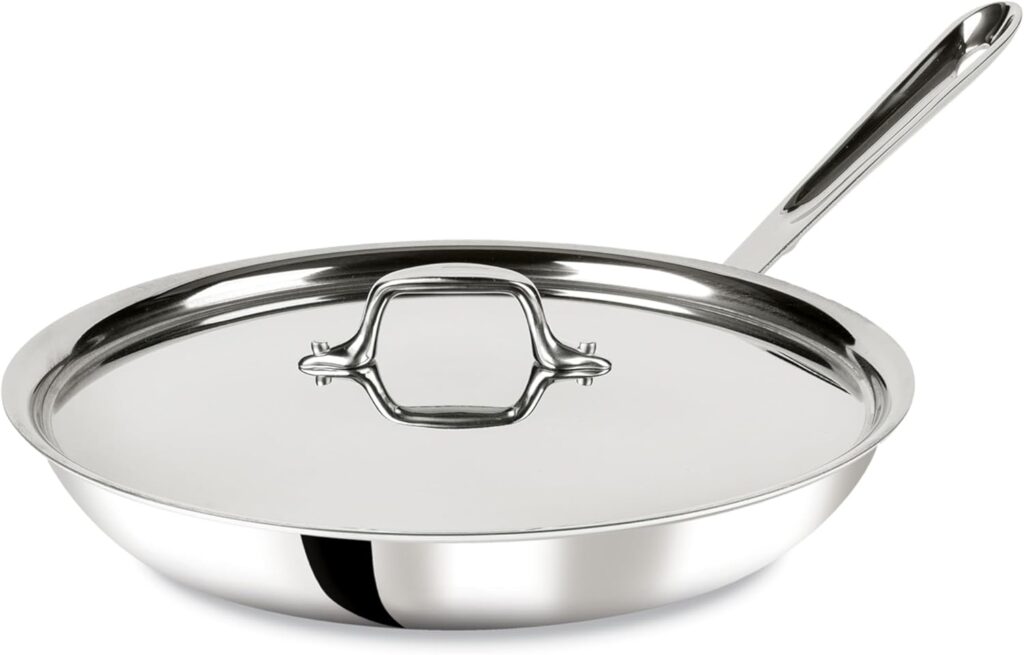
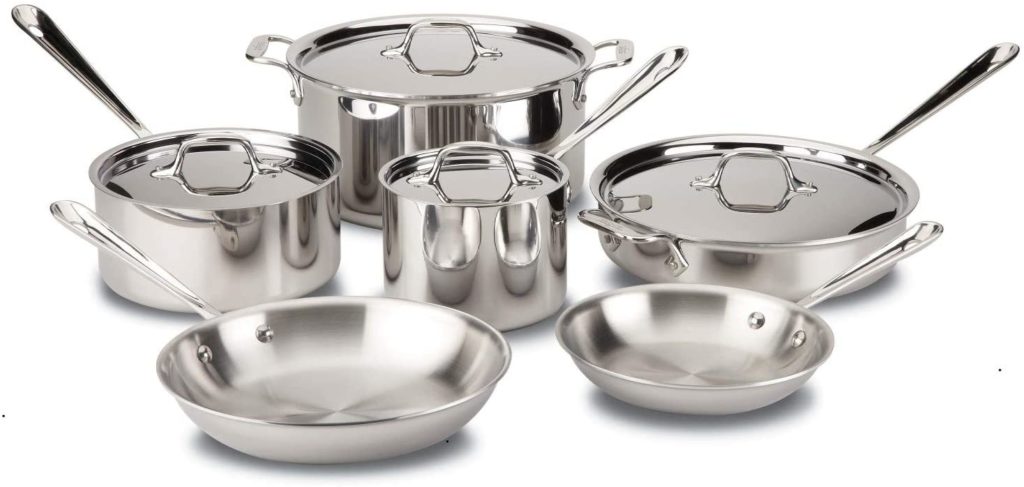
When you’re serious about deep frying, the All-Clad D3 stands in a league of its own. This isn’t just cookware—it’s an investment in decades of perfect frying.
What Makes It Special: The tri-ply construction combines stainless steel with an aluminum core, creating a pan that heats evenly from edge to edge. No more hot spots that burn your food while other areas barely bubble. The 3-quart capacity gives you enough depth to fully submerge chicken pieces or fish fillets without oil overflow, while the high, straight sides contain splatters like a champ.
Pros:
- Exceptional heat distribution eliminates hot spots
- Dishwasher-safe and built to last a lifetime
- Compatible with all cooktops including induction
- High sides prevent oil splatter effectively
- Oven-safe up to 600°F for finishing dishes
- Professional-grade construction
Cons:
- Premium price point
- Heavier than aluminum alternatives
- Requires proper preheating for best nonstick performance
- Food may stick if not used correctly
This pan excels at maintaining consistent oil temperature—the holy grail of deep frying. You know that frustrating moment when you add food and your oil temperature plummets? The All-Clad’s superior heat retention minimizes that drop, keeping your frying consistent batch after batch.
2. Lodge Pre-Seasoned Cast Iron Deep Skillet – Best for Heat Retention
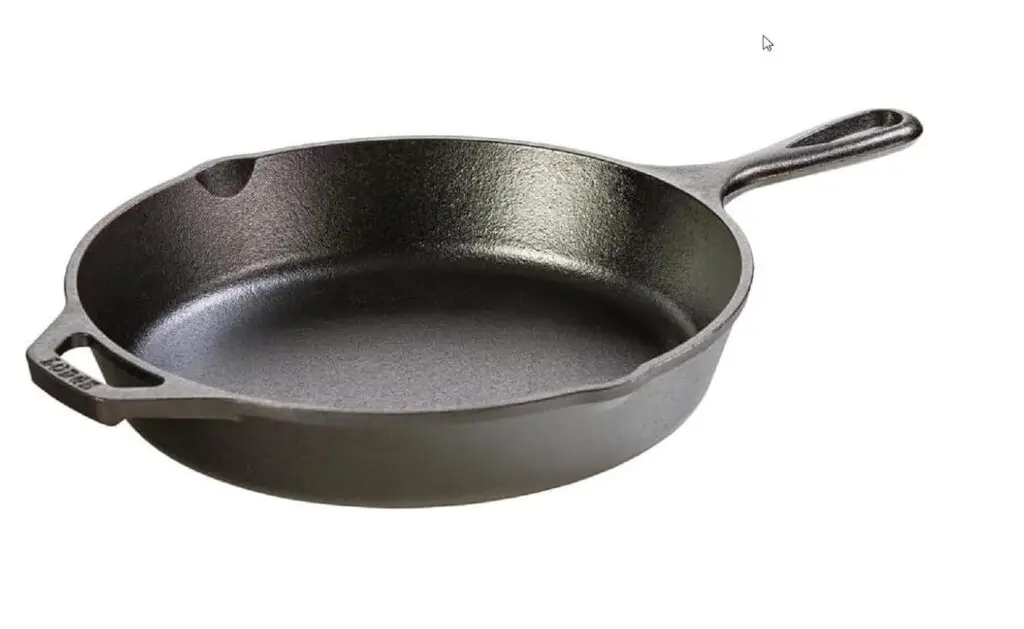
If you want deep-fried food that tastes like it came from your grandma’s kitchen (in the best way possible), cast iron is where it’s at. The Lodge Deep Skillet brings old-school reliability to modern home cooking.
What Makes It Special: Cast iron is the OG of frying pans, and there’s a reason it’s been the go-to for generations. This 5-quart beast holds heat like nobody’s business, meaning your oil temperature stays rock-solid even when you’re frying multiple batches. The pre-seasoned surface develops a natural nonstick patina over time that synthetic coatings can’t match.
Pros:
- Superior heat retention maintains oil temperature
- Naturally nonstick surface improves with use
- Incredibly durable—can last for generations
- Works on any heat source including campfires
- Affordable compared to premium stainless options
- Adds trace amounts of iron to food
Cons:
- Heavy—requires two hands when full
- Needs seasoning maintenance
- Reactive with acidic foods (though not an issue for frying)
- Takes longer to heat initially
- Not dishwasher-safe
The 12-inch diameter gives you plenty of room to work, and those high sides (about 3 inches deep) mean you can get serious with your oil depth without worrying about spillovers. Plus, if you’re into versatile cookware, this doubles beautifully as a Dutch oven alternative for certain recipes.
3. Calphalon Contemporary Nonstick Deep Fry Pan – Best Nonstick Option
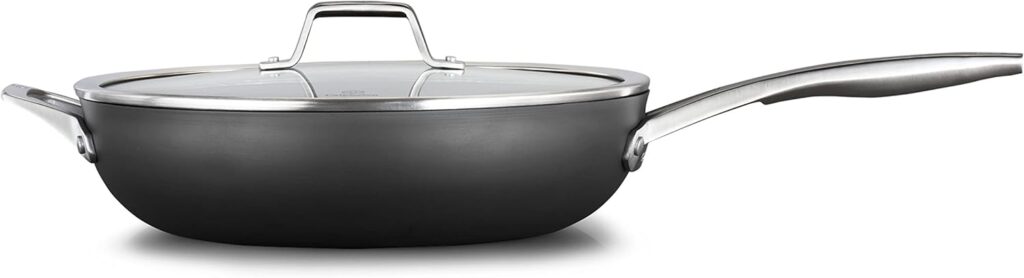
Let’s be real: sometimes you just want easy cleanup. The Calphalon Contemporary delivers restaurant-quality frying with cleanup that’s as simple as a quick wipe-down.
What Makes It Special: The hard-anodized aluminum construction heats quickly and evenly, while the three-layer nonstick coating ensures nothing sticks—not even the most delicate fish or sugary donut batter. At 3.5 inches deep, this pan gives you the depth you need for proper frying while maintaining a manageable size that won’t dominate your stovetop.
Pros:
- Exceptional nonstick performance
- Hard-anodized exterior resists warping
- Stay-cool handle even during extended frying
- Dishwasher-safe (though hand washing prolongs life)
- Compatible with metal utensils (gently)
- Even heat distribution
Cons:
- Nonstick coating eventually wears out
- Not suitable for extremely high-heat searing
- Can’t use metal whisks or sharp utensils aggressively
- Not induction-compatible
This pan particularly shines when you’re frying delicate items like fish or tempura vegetables. The nonstick surface means your breading stays intact instead of sticking to the pan, giving you that picture-perfect presentation every time. If you’re interested in exploring more nonstick options for various cooking needs, check out our guide to the best nonstick cookware.
4. Cuisinart MultiClad Pro Stainless Deep Skillet – Best Budget-Friendly
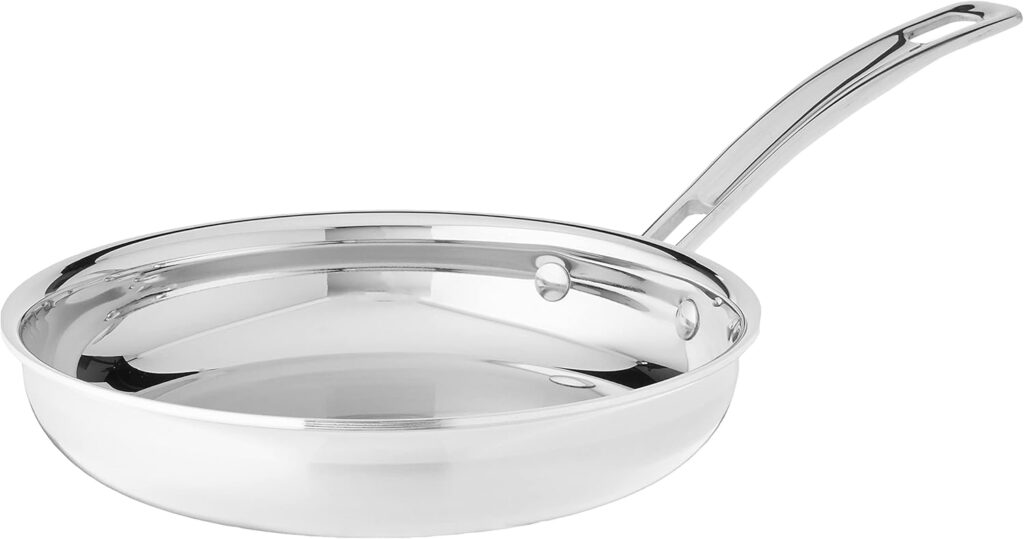
Who says quality deep frying requires emptying your wallet? The Cuisinart MultiClad Pro proves you can have professional-grade performance without the professional price tag.
What Makes It Special: This pan punches way above its weight class. The triple-ply construction mimics more expensive brands, with a stainless steel interior and exterior sandwiching an aluminum core. You get the heat distribution of premium cookware at a fraction of the cost. The 4-quart capacity means you can tackle serious frying projects without feeling cramped.
Pros:
- Outstanding value for the quality
- Tri-ply construction for even heating
- Oven and broiler-safe up to 550°F
- Dishwasher-safe
- Tight-fitting lid included
- Drip-free pouring rim
Cons:
- Handle gets warm during extended cooking
- Slightly lighter construction than premium brands
- May show discoloration over time with high heat
- Requires proper preheating technique
The tapered rim makes pouring off excess oil a breeze—no more awkward drips down the side of your pan. And that included lid? Game-changer for when you want to steam-finish something after the initial fry or keep your oil warm between batches.
5. Le Creuset Enameled Cast Iron Deep Sauté Pan – Best Premium Choice
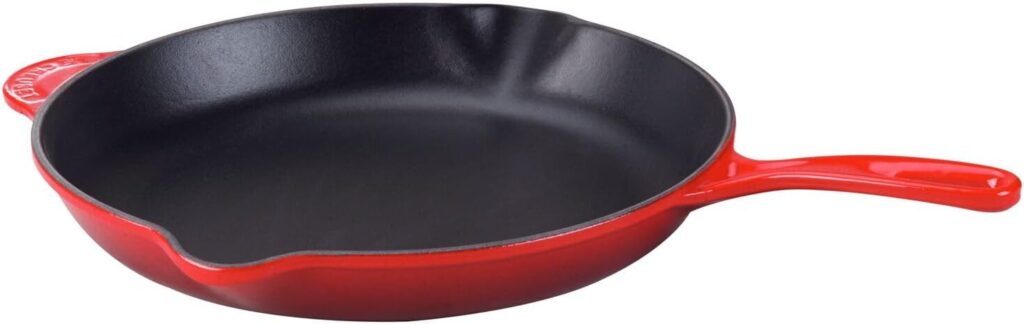
If you’re looking for the Rolls-Royce of deep frying pans, look no further. Le Creuset brings French elegance and uncompromising quality to your stovetop.
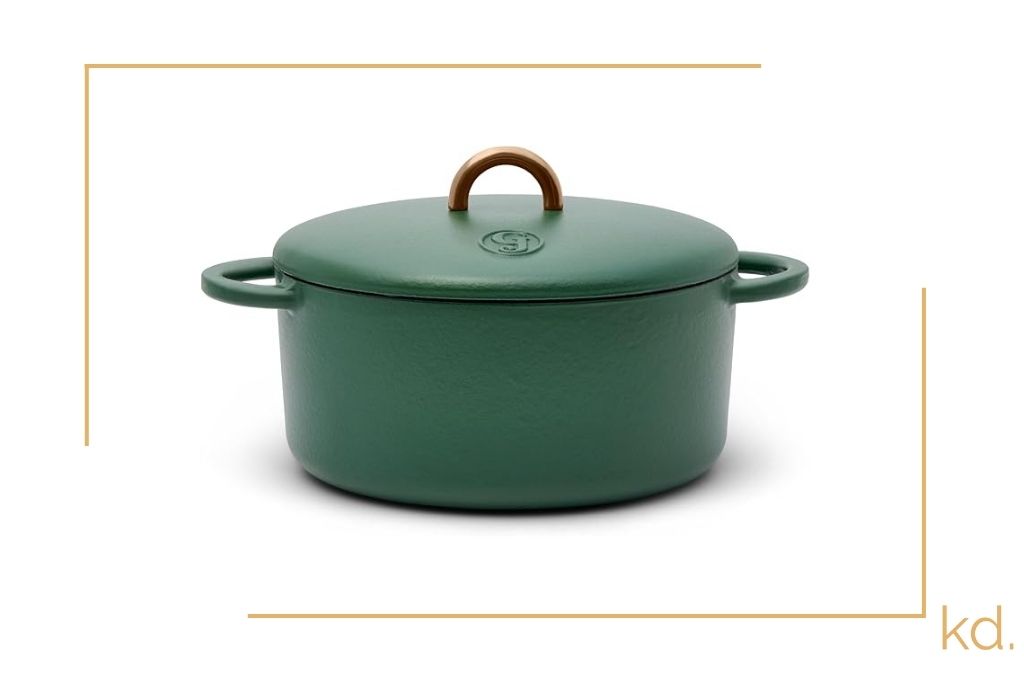
What Makes It Special: This isn’t just cookware—it’s a family heirloom in the making. The enameled cast iron provides all the heat retention benefits of traditional cast iron without the seasoning maintenance. The vibrant enamel coating is more than just gorgeous; it’s incredibly durable and naturally nonstick when properly preheated. The 3.5-quart capacity hits that sweet spot between manageable size and functional depth.
Pros:
- Stunning aesthetic adds elegance to any kitchen
- Superior heat retention and distribution
- Enamel interior requires no seasoning
- Lifetime warranty speaks to quality
- Works on all cooktops including induction
- Transitions beautifully from stovetop to table
Cons:
- Significant investment
- Heavy to handle when full
- Enamel can chip if dropped or struck
- Requires lower heat than stainless steel
- Not dishwasher recommended
The light-colored interior makes it easy to monitor your oil and food color—a huge advantage when you’re trying to nail that perfect golden-brown. Plus, Le Creuset’s reputation for quality means this pan will likely outlive most other cookware in your kitchen. For more on Le Creuset’s premium offerings, check out our detailed Le Creuset Dutch oven review.
6. T-fal Ultimate Hard Anodized Deep Fryer Pan – Best for Even Heating
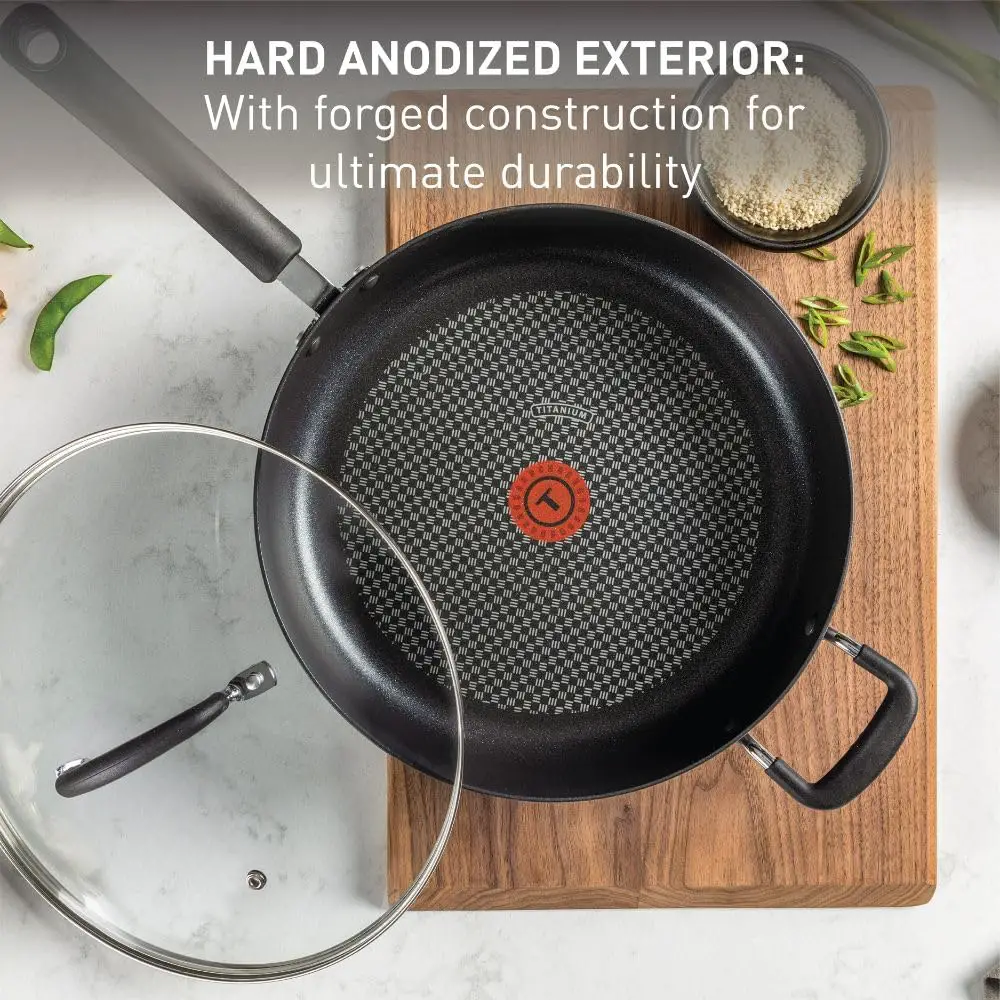
T-fal brings decades of nonstick expertise to this deep frying powerhouse. If you’ve struggled with hot spots and uneven cooking, this pan is your solution.
What Makes It Special: The hard-anodized aluminum base distributes heat with remarkable consistency, while T-fal’s Thermo-Spot technology takes the guesswork out of preheating. When the indicator turns solid red, your pan is perfectly preheated and ready for frying—no more oil temperature guessing games. The 4-inch depth gives you generous oil capacity for proper deep frying.
Pros:
- Thermo-Spot indicator ensures optimal preheating
- Hard-anodized surface is scratch-resistant
- PFOA-free nonstick coating
- Riveted silicone handle stays cool
- Warp-resistant base maintains flat contact
- Vented glass lid included
Cons:
- Not induction-compatible
- Nonstick coating needs gentle care
- Not oven-safe beyond 400°F
- Handle design may not suit all preferences
The vented lid is surprisingly useful for deep frying—it lets you partially cover the pan to minimize splatter while allowing steam to escape, preventing that soggy coating disaster. The heavy-gauge construction means this pan sits flat on your burner, eliminating hot spots that plague cheaper alternatives.
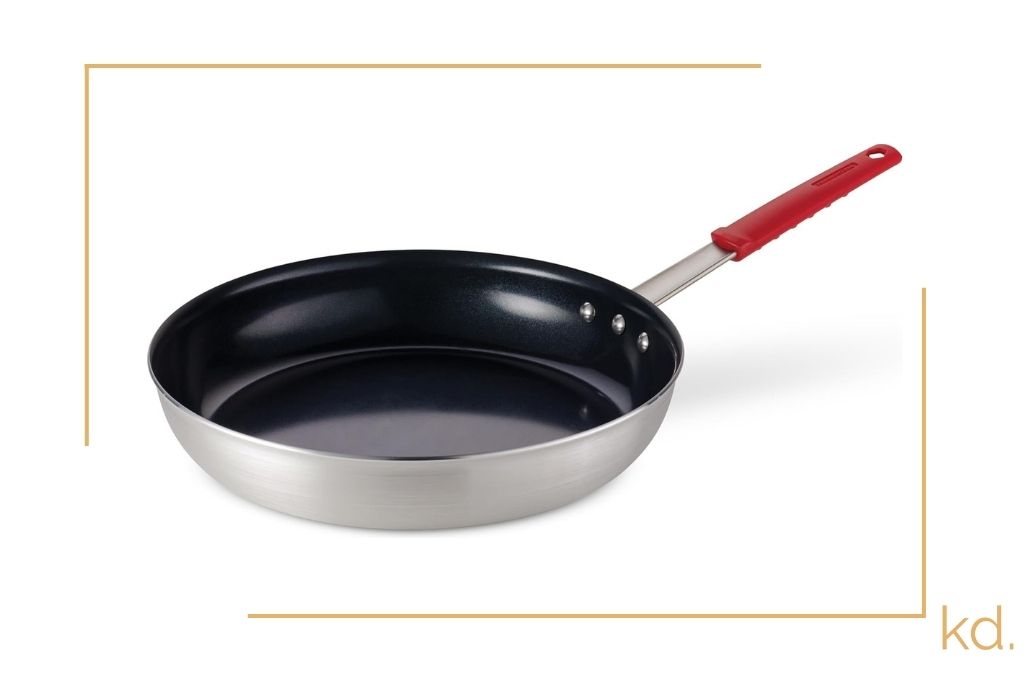
7. Tramontina Professional Aluminum Deep Fry Pan – Best Value for Money
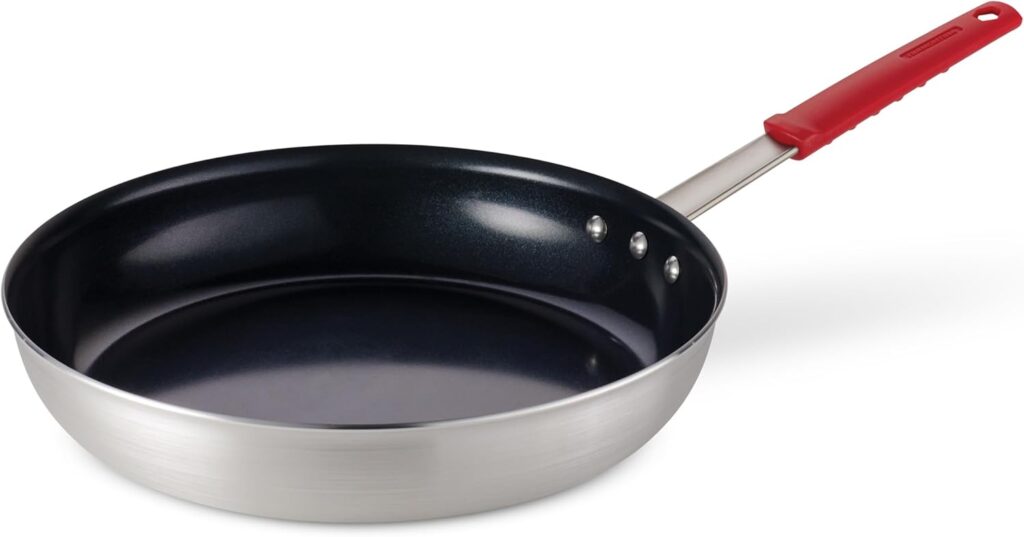
Tramontina might not have the name recognition of some competitors, but this Brazilian brand delivers professional-grade performance that rivals cookware costing twice as much.
What Makes It Special: This commercial-grade aluminum pan is what professional kitchens use when they need reliable, consistent frying performance. The heavy-gauge construction prevents warping even under high heat, while the natural aluminum finish provides excellent thermal conductivity. At 4.5 quarts with 4-inch sides, you’ve got the capacity to handle family-sized frying sessions.
Pros:
- Professional-quality construction
- Excellent heat conductivity
- NSF-certified for commercial use
- Compatible with metal utensils
- Lifetime warranty
- Won’t react with acidic foods
Cons:
- Aluminum exterior discolors over time
- Not naturally nonstick
- Requires more oil for effective frying
- Not dishwasher-safe
- Not induction-compatible
The reinforced rim prevents warping and makes the pan incredibly sturdy when lifting with a lot of oil. This pan is built like a tank but heats up quickly thanks to aluminum’s superior conductivity. If you’re looking for more insights into Tramontina’s cookware line, our Tramontina cookware set review provides comprehensive details.
8. GreenPan Valencia Pro Ceramic Deep Frying Pan – Best Eco-Friendly Option
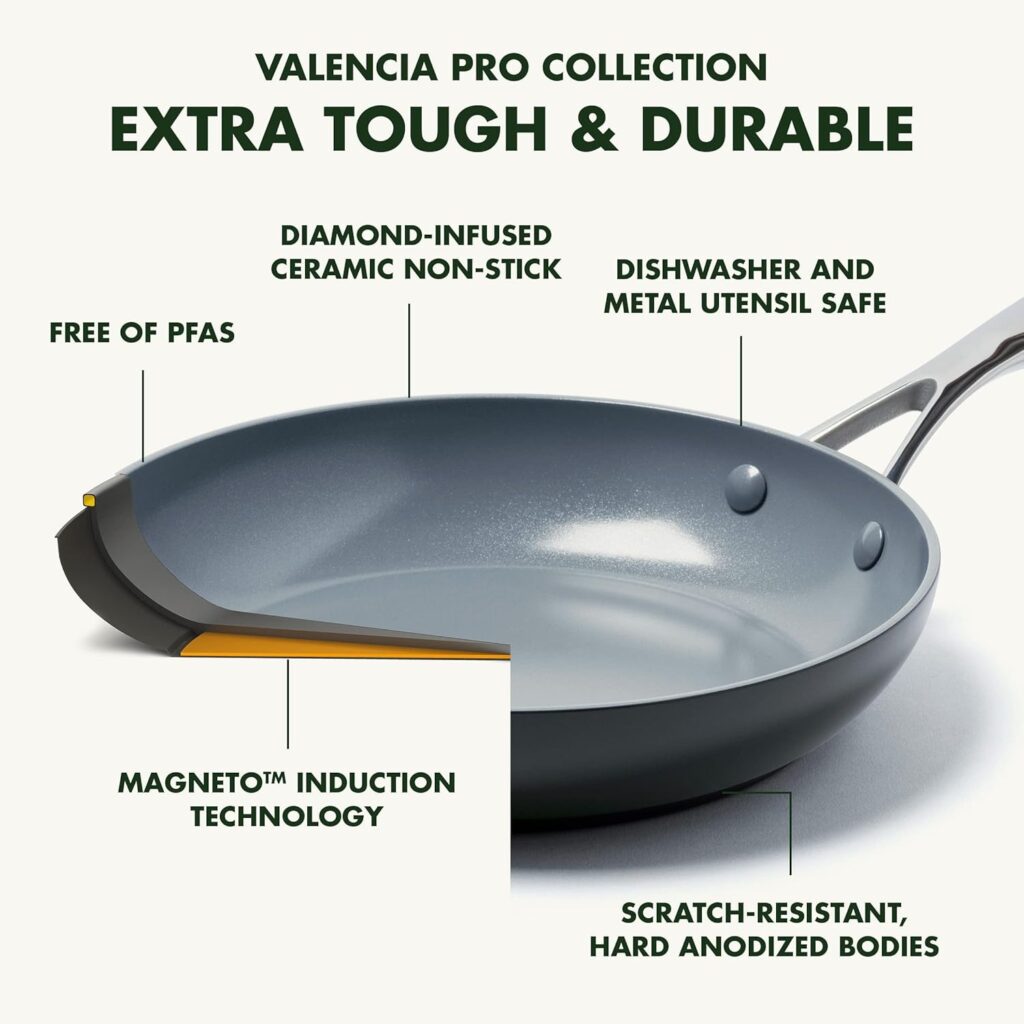
For health-conscious cooks who want to avoid traditional nonstick chemicals without sacrificing performance, GreenPan offers a compelling alternative.
What Makes It Special: The Thermolon ceramic nonstick coating is derived from sand (yes, really) and contains no PFAS, PFOA, lead, or cadmium. Unlike traditional nonstick pans, this coating can handle high heat without releasing harmful fumes—crucial for deep frying. The hard-anodized aluminum body provides excellent heat distribution, while the diamond-reinforced coating offers durability that outlasts standard ceramic pans.
Pros:
- Toxin-free ceramic nonstick coating
- Safe at high temperatures
- Scratch-resistant diamond-reinforced surface
- Oven-safe up to 600°F
- Dishwasher-safe
- Riveted stainless steel handle
Cons:
- Ceramic nonstick eventually loses effectiveness
- Requires oil or butter for best results
- More expensive than standard nonstick
- Not as naturally nonstick as PTFE-based coatings
- Requires careful temperature management
The 3-quart capacity with 3-inch sides provides adequate depth for most home frying needs without being unwieldy. The magneto induction base ensures compatibility with all cooktops, including induction. For those prioritizing health and environmental concerns, this represents the sweet spot between performance and peace of mind. Learn more about safe cookware options in our article on non-toxic cookware.
Comprehensive Comparison Table
| Feature | All-Clad D3 | Lodge Cast Iron | Calphalon Contemporary | Cuisinart MultiClad | Le Creuset | T-fal Ultimate | Tramontina Pro | GreenPan Valencia |
|---|---|---|---|---|---|---|---|---|
| Material | Tri-ply Stainless | Cast Iron | Hard-Anodized Aluminum | Tri-ply Stainless | Enameled Cast Iron | Hard-Anodized Aluminum | Commercial Aluminum | Hard-Anodized Aluminum |
| Capacity | 3 quarts | 5 quarts | 3.5 quarts | 4 quarts | 3.5 quarts | 4 quarts | 4.5 quarts | 3 quarts |
| Depth | 3 inches | 3 inches | 3.5 inches | 3 inches | 3 inches | 4 inches | 4 inches | 3 inches |
| Nonstick | No | Seasoned | Yes | No | Enamel | Yes | No | Ceramic |
| Induction Compatible | Yes | Yes | No | Yes | Yes | No | No | Yes |
| Dishwasher Safe | Yes | No | Yes | Yes | Not Recommended | Yes | No | Yes |
| Oven Safe | 600°F | 500°F+ | 450°F | 550°F | 500°F | 400°F | 350°F | 600°F |
| Weight | Medium | Heavy | Light-Medium | Medium | Heavy | Light-Medium | Medium | Medium |
| Warranty | Limited Lifetime | Limited Lifetime | Limited Lifetime | Limited Lifetime | Lifetime | Limited Lifetime | Lifetime | Limited Lifetime |
| Best For | All-around performance | Heat retention | Easy cleanup | Budget-conscious | Premium cooking | Even heating | Professional use | Eco-friendly |
The Complete Deep Frying Pan Buying Guide
Understanding Pan Materials: What Really Matters
Stainless Steel: The workhorse of professional kitchens. Stainless steel pans, especially tri-ply construction models, offer exceptional durability and even heat distribution. They’re non-reactive (won’t interact with acidic foods), dishwasher-safe, and virtually indestructible. The downside? They’re not naturally nonstick, so you need to master proper preheating and oil usage. However, once you do, stainless steel delivers unmatched browning and can handle any temperature you throw at it.
Cast Iron: The original deep fryer. Cast iron’s mass means it holds heat incredibly well—your oil temperature won’t crash when you add cold food. The seasoned surface develops natural nonstick properties over time. Cast iron is also insanely durable (many people still cook with cast iron pans passed down for generations) and works on any heat source, including campfires. The trade-offs include significant weight, slower heating times, and maintenance requirements. If you’re comfortable with seasoning and proper care, cast iron rewards you with a lifetime of exceptional performance.
Hard-Anodized Aluminum: Think of this as aluminum that went to the gym. The anodization process creates an incredibly hard, non-reactive surface that resists scratching and corrosion. These pans heat quickly and evenly thanks to aluminum’s excellent thermal conductivity, yet they’re tougher than regular aluminum. They’re often paired with nonstick coatings for ultimate convenience. The downside is they’re typically not induction-compatible and require more gentle handling than stainless steel.
Enameled Cast Iron: This combines cast iron’s heat retention with an easy-care enamel coating. You get the thermal benefits of cast iron without the seasoning maintenance, plus a beautiful aesthetic that transitions from stovetop to table. The enamel is naturally nonstick when properly preheated and won’t react with acidic foods. However, enamel can chip if struck or dropped, and these pans command premium prices.
Ceramic Nonstick: The health-conscious choice. Ceramic coatings avoid the chemicals used in traditional nonstick (PTFE/Teflon) while still providing nonstick convenience. They can handle higher temperatures than traditional nonstick and are derived from natural materials. However, ceramic nonstick typically doesn’t last as long as PTFE-based coatings and may require more oil for optimal performance as it ages.
Size and Capacity: Finding Your Perfect Match
2-3 Quarts: Ideal for singles, couples, or occasional frying. Perfect for making fried eggs, small batches of donuts, or frying a couple of chicken breasts. These compact pans heat quickly and are easier to store but limit your cooking capacity.
3.5-4 Quarts: The sweet spot for most home cooks. This size handles family dinners comfortably—think four to six servings of fried chicken, fish, or vegetables. Large enough for serious cooking but not so big that it dominates your stovetop or requires excessive amounts of oil.
4.5-5 Quarts: For large families, meal preppers, or serious home cooks. These pans let you fry in larger batches, reducing total cooking time when you’re feeding a crowd. The extra capacity also means more oil, which helps maintain temperature stability. Just be prepared for the weight and storage requirements.
Depth Matters Too: Look for pans at least 3 inches deep for true deep frying. Shallower pans lead to oil splatter and prevent proper submersion of food. Deeper sides (4+ inches) provide extra insurance against splatter but may be heavier and more awkward to handle.
Heat Distribution: The Make-or-Break Factor
Even heat distribution separates great frying pans from mediocre ones. Hot spots lead to unevenly cooked food—burnt in some areas, pale in others. Here’s what to look for:
Multi-Layer Construction: Tri-ply or five-ply pans sandwich conductive aluminum between stainless steel layers, spreading heat evenly across the entire cooking surface. This prevents temperature variations that ruin your frying.
Thick Bottom: A thick, heavy bottom (at least 3mm) resists warping and maintains better contact with your heat source. Thin pans develop hot spots and may warp over time, especially on high-powered burners.
Material Conductivity: Aluminum and copper conduct heat excellently but react with acidic foods. Stainless steel is non-reactive but conducts heat poorly. The best pans combine materials to get the benefits of both. Cast iron conducts heat slowly but retains it exceptionally well—ideal for maintaining oil temperature.
Encapsulated vs. Layered Base: Encapsulated bases have a thick aluminum or copper disk bonded to the bottom. Fully-clad pans have layers extending up the sides. For deep frying, fully-clad provides more even heat, but a quality encapsulated base works well and costs less.
Handle Design: Often Overlooked, Always Important
You’ll be lifting a pan filled with hot oil—handle comfort and safety aren’t optional extras.
Stay-Cool Technology: Look for handles that resist heat transfer. Hollow stainless steel, silicone grips, or handles with insulating properties keep your hands safe during extended frying sessions.
Ergonomic Shape: The handle should balance the weight of the pan when full. A poorly balanced pan strains your wrist and increases the risk of accidents. Test the feel if possible—the handle should feel comfortable and secure in your grip.
Riveted vs. Welded: Riveted handles are traditional and very secure but create small crevices that can collect oil and food particles. Welded handles eliminate crevices for easier cleaning but may not be quite as robust. Both work well in quality pans.
Helper Handle: On larger pans (4+ quarts), a helper handle opposite the main handle provides crucial support when lifting a heavy, oil-filled pan. This isn’t just convenient—it’s a safety feature.
Maintenance and Durability: Long-Term Considerations
Stainless Steel: Virtually indestructible. Dishwasher-safe, scratch-resistant (though not scratch-proof), and maintains performance for decades. Can develop rainbow discoloration from high heat, but this doesn’t affect performance. Bar Keeper’s Friend removes stubborn stains.
Cast Iron: Requires regular seasoning to maintain nonstick properties and prevent rust. Not dishwasher-safe—hand wash and dry immediately, then apply a thin layer of oil. Sounds like work, but it becomes second nature. The payoff? A pan that improves with age and can last centuries.
Nonstick Coatings: Convenient but temporary. Even the best nonstick coatings eventually wear out (typically 3-5 years with proper care). Extend lifespan by using wooden or silicone utensils, avoiding high heat, and hand washing. Once the coating degrades, the pan needs replacement.
Hard-Anodized Aluminum: Durable and relatively low-maintenance. While some are dishwasher-safe, hand washing extends their life. The anodized surface is harder than stainless steel and resists scratching, but it can discolor over time (purely cosmetic).
Enamel Coatings: Durable but not indestructible. Avoid thermal shock (don’t pour cold water into a hot pan). The enamel can chip if struck or dropped, potentially exposing the underlying material. However, with reasonable care, enamel cookware lasts for generations.
Compatibility: Matching Pan to Cooktop
Gas: The most forgiving heat source. Any pan material works beautifully with gas. The flame wraps around the pan bottom for even heating.
Electric Coil: Works with all pans but favors flat-bottomed designs. Warped pans make poor contact, leading to hot spots. Cast iron’s weight helps maintain good contact.
Glass/Ceramic Electric: Requires perfectly flat bottoms for good thermal contact. Avoid rough-bottomed cast iron that might scratch the cooktop. Stainless steel and hard-anodized aluminum work great.
Induction: Requires magnetic materials. Stainless steel, cast iron, and enameled cast iron work. Aluminum and copper need a magnetic base layer. Check for an “induction-compatible” symbol or test with a magnet. For more on induction cooking, check out induction-ready cookware options.
Safety Features Worth Having
Pour Spout: Makes draining excess oil safer and cleaner. Some pans have these built in; otherwise, you need a steady hand and good technique.
Flared Rim: Prevents drips when pouring and makes it easier to tuck in a splatter screen if needed.
Tight-Fitting Lid: A lid helps you partially cover the pan to reduce splatter while allowing steam to escape through a vent. Essential for certain frying techniques.
Temperature Indicator: Some pans (like T-fal) include indicators showing when the pan reaches optimal temperature—takes the guesswork out of preheating.
PFOA-Free Nonstick: If choosing nonstick, ensure it’s PFOA-free (most modern nonstick is). Even better, look for pans safe at high temperatures without releasing fumes.
What Size Should You Actually Buy?
Here’s my honest take after years of cooking:
Start with 3.5-4 quarts if this is your first or only deep frying pan. This size handles 90% of home cooking scenarios without being unwieldy or requiring storage gymnastics. You can fry enough chicken for a family of four, make a batch of donuts for brunch, or prepare enough fried fish for dinner with leftovers.
Go smaller (2-3 quarts) only if you’re cooking for one or two people regularly, have very limited storage, or want something lightweight and nimble. These work great as a second pan for side dishes or smaller portions.
Go larger (4.5-5 quarts) if you regularly cook for large groups, do significant meal prep, or want to minimize the number of batches when frying. Just understand you’re committing to a heavier pan that requires more oil and storage space.
Budget Considerations: What Should You Spend?
Under $50: You can find serviceable options, especially from brands like Cuisinart or Tramontina. Focus on basic construction quality and good warranties. These won’t have all the bells and whistles but can perform admirably with proper technique.
$50-$150: The sweet spot for most home cooks. This range includes quality tri-ply stainless, well-constructed hard-anodized pans, and good cast iron options. You’re getting cookware that’ll last years with proper care.
$150-$300: Premium territory with brands like All-Clad, Le Creuset, and high-end nonstick. You’re paying for superior materials, better heat distribution, thoughtful design details, and exceptional durability. These pans often come with lifetime warranties and represent a long-term investment.
$300+: Ultra-premium options with French copper, specialized construction, or luxury brands. Diminishing returns kick in here—these are for serious enthusiasts or professional applications. They’re beautiful and perform exceptionally, but most home cooks won’t notice a huge difference from the $150-$300 tier.
Pro Tips for Deep Frying Success
Temperature Control Is Everything: Use a thermometer to monitor oil temperature (350-375°F for most frying). Too cool and food absorbs oil, becoming greasy. Too hot and exteriors burn while interiors stay raw.
Don’t Overcrowd: Adding too much food at once drops oil temperature dramatically. Fry in batches, leaving space between pieces for even cooking and proper circulation.
Dry Your Food: Pat ingredients dry before breading and frying. Water causes oil to splatter and prevents proper browning.
Let Oil Recover: Between batches, let oil return to target temperature before adding more food. This prevents soggy results.
Proper Oil Depth: Use enough oil so food floats freely without touching the pan bottom. Generally, 2-3 inches depth works for most foods.
Season Your Pan: Even stainless steel benefits from proper preheating with oil. Heat the pan, add oil, and let it shimmer before adding food. This creates a temporary nonstick surface.
Safety First: Keep a lid nearby to smother oil fires (never use water on an oil fire). Don’t leave hot oil unattended. Use long-handled utensils to maintain distance from splatters.
Strain and Store Oil: Quality frying oil can be reused 3-5 times if strained after each use and stored properly. This saves money and is more sustainable.
Making Your Final Decision
Choosing the best deep frying pan comes down to your specific needs, cooking style, and priorities. Here’s my quick-reference guide:
Choose All-Clad D3 if you want the absolute best all-around performer and plan to keep this pan for decades. Yes, it’s expensive, but the performance and durability justify the investment.
Choose Lodge Cast Iron if you value heat retention above all else, don’t mind a bit of maintenance, and want cookware that can literally last for generations. It’s also the budget-friendly option that doesn’t compromise on performance.
Choose Calphalon Contemporary if easy cleanup tops your priority list and you want hassle-free nonstick performance. Perfect for cooks who value convenience.
Choose Cuisinart MultiClad if you’re working with a tighter budget but still want quality tri-ply construction and reliable performance. The best bang for your buck in stainless steel.
Choose Le Creuset if you want heirloom-quality cookware that’s as beautiful as it is functional. This is the choice for those who view cookware as a long-term investment and appreciate fine design.
Choose T-fal Ultimate if you want consistently even heating with the confidence of knowing your pan is properly preheated. The Thermo-Spot technology removes guesswork.
Choose Tramontina Professional if you want commercial-grade performance without the commercial price tag. This is the choice for serious home cooks who prioritize function over form.
Choose GreenPan Valencia if health and environmental concerns are paramount. You get solid performance without the chemicals found in traditional nonstick pans.
Frequently Asked Questions
Q: Can I use my deep frying pan in the oven? A: Most quality deep frying pans are oven-safe to some degree, but temperature limits vary. Stainless steel and cast iron typically handle the highest temperatures (500°F+), while nonstick pans max out around 400-450°F. Always check manufacturer specifications before putting your pan in the oven.
Q: How much oil do I really need for deep frying? A: Generally, 2-3 inches of oil depth works for most home frying. You need enough so food floats freely without touching the pan bottom, but not so much that you risk overflow when food is added. A 3-4 quart pan typically requires 6-8 cups of oil for proper depth.
Q: Can I deep fry in a nonstick pan? A: Yes, but with caution. Deep frying typically requires temperatures of 350-375°F, which approaches the limit for traditional nonstick coatings (around 400-450°F). Quality nonstick pans like those from Calphalon or hard-anodized options handle frying temperatures safely, but avoid sustained use at the highest settings.
Q: How do I prevent my stainless steel pan from sticking? A: Proper preheating is key. Heat your empty pan over medium-high heat for 2-3 minutes, add oil, and let it shimmer. The water droplet test works too—sprinkle a few drops of water in the hot pan. If they form balls that roll around (the Leidenfrost effect), your pan is ready. This creates a temporary nonstick surface.
Q: Is cast iron safe for deep frying? A: Absolutely. Cast iron is actually one of the best materials for deep frying because it holds heat so well. The mass of cast iron prevents temperature drops when you add cold food, keeping your frying consistent. Just be mindful of the weight when handling a pan full of hot oil.
Q: How long should my deep frying pan last? A: It depends on the material and care. Stainless steel and cast iron can literally last a lifetime—many people use pans that are decades old. Nonstick coatings typically last 3-5 years with proper care. Hard-anodized aluminum falls somewhere in between, lasting 10+ years. Premium brands with excellent warranties often last longer due to superior construction.
Q: Can I use metal utensils in my deep frying pan? A: In stainless steel, cast iron, and hard-anodized aluminum without nonstick coatings—yes. These materials resist scratching. However, use wooden, silicone, or nylon utensils with any nonstick coating (traditional or ceramic) to prevent damage and extend the coating’s life. Even “metal utensil safe” nonstick should be treated gently.
Q: What’s the best way to clean my deep frying pan after use? A: Let the pan cool slightly (but not completely—warm pans clean easier). Pour out the oil (strain and save it if desired). For stainless steel, use hot soapy water and a scrub brush; Bar Keeper’s Friend removes stubborn stains. For nonstick, gentle soap and a soft sponge suffice. Cast iron requires hand washing, immediate drying, and a light oil coating. Never put hot pans directly into cold water—thermal shock can warp them.
Conclusion: Your Path to Frying Perfection
The best deep frying pan for you isn’t necessarily the most expensive or the one with the most features—it’s the one that matches your cooking style, maintenance preferences, and budget while delivering consistently excellent results.
If you’re still unsure, I’d start with either the Cuisinart MultiClad Pro for budget-conscious buyers or the All-Clad D3 if you can stretch the budget. Both offer exceptional versatility and will serve you well across various cooking tasks beyond deep frying.
For those prioritizing convenience and easy cleanup, the Calphalon Contemporary Nonstick delivers hassle-free cooking without sacrificing performance. And if you’re drawn to traditional cooking methods with unmatched heat retention, the Lodge Cast Iron Deep Skillet connects you to generations of home cooks while providing outstanding value.
Remember that mastering deep frying is as much about technique as equipment. Even the best pan won’t save you if your oil temperature is wrong or you overcrowd the pan. But with the right deep frying pan in your arsenal and solid technique, you’ll be turning out crispy, golden perfection that rivals your favorite restaurants.
Whichever pan you choose from this list, you’re investing in better home cooking. Now get out there and start frying—those homemade donuts, crispy chicken tenders, and perfectly golden tempura aren’t going to make themselves.
For more inspiration on expanding your cookware collection, explore our guides on cookware for gas stoves, best pots and pans for gas stove, and healthiest non-stick cookware. Happy frying!