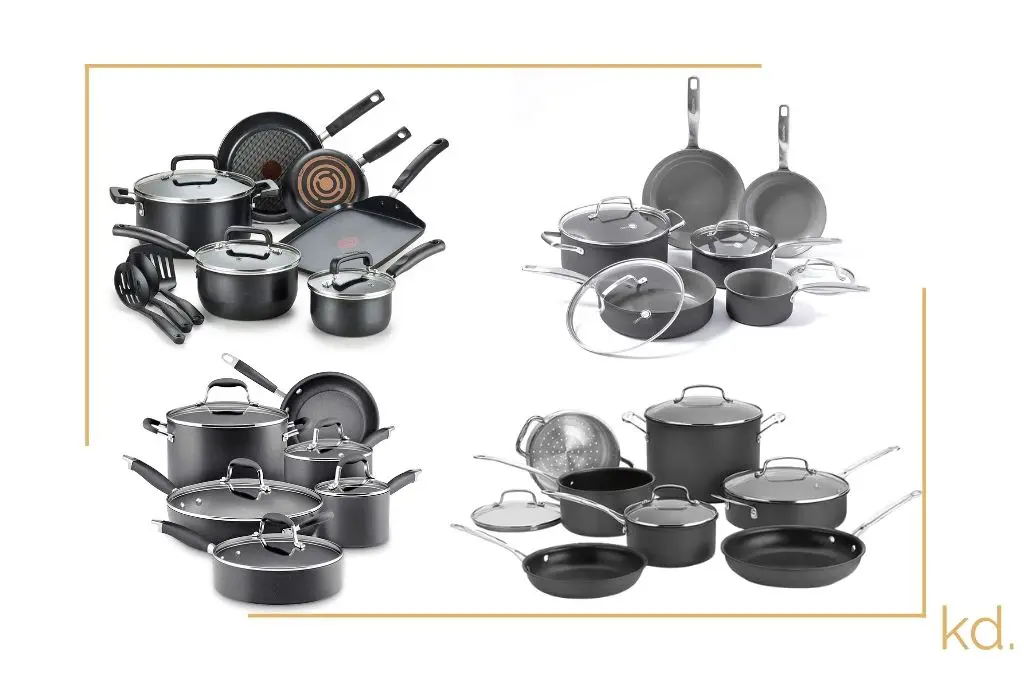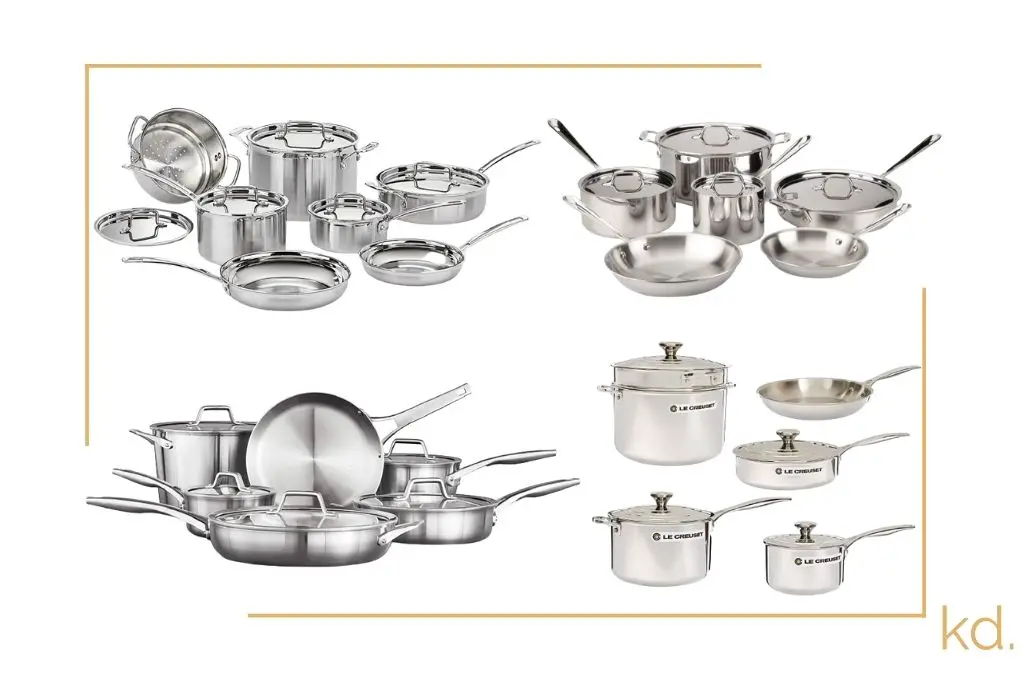
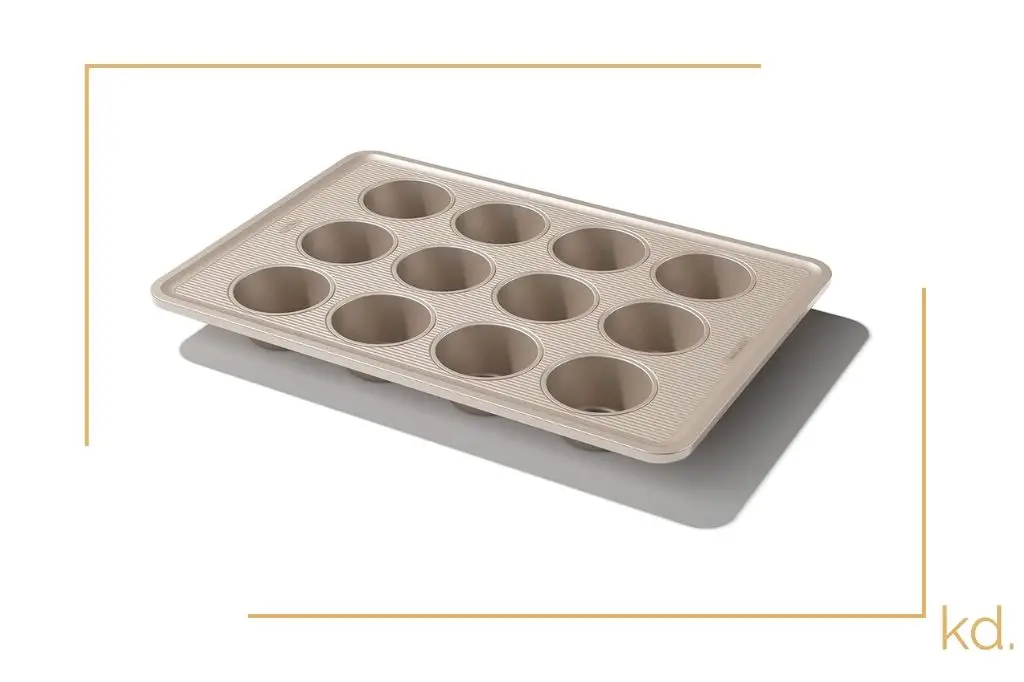
If you’re anything like me, you’ve probably stood in the baking aisle, staring at rows of muffin pans, wondering which ones won’t leach weird chemicals into your Saturday morning blueberry muffins. The concern is real, and you’re not alone in wanting to ditch those sketchy non-stick coatings that flake off into your food.
Let’s talk about Non-Toxic Muffin Pans. Whether you’re a health-conscious parent, a baking enthusiast, or just someone who wants to avoid unnecessary chemicals in their kitchen, finding the best non toxic muffin pans doesn’t have to feel like decoding a chemistry textbook.
In this comprehensive guide, we’re breaking down everything you need to know about non-toxic cupcake pans, from materials that actually matter to the top 10 options that’ll transform your baking game. No fluff, no sponsored nonsense—just honest insights to help you make an informed decision.
Quick Links for 10 Best Non-toxic Muffin Pans
1. USA Pan Bakeware Aluminized Steel Muffin Pan
2. Nordic Ware Natural Aluminum Commercial Muffin Pan
3. Caraway Non-Stick Ceramic Muffin Pan
4. Cuisinart Chef’s Classic Stainless Steel Muffin Pan
5. GreenLife Ceramic Non-Stick Muffin Pan
6. Wilton Perfect Results Non-Stick Muffin Pan
7. Fat Daddio’s Anodized Aluminum Muffin Pan
8. Silpat Perfect Mold Silicone Muffin Pan
9. Rachael Ray Oven Lovin’ Non-Stick Muffin Pan
10. OXO Good Grips Non-Stick Pro Muffin Pan
Why Non-Toxic Muffin Pans Matter
Before we dive into specific products, let’s address the elephant in the kitchen: why should you even care about non-toxic cookware?
Traditional non-stick coatings often contain PFOA (perfluorooctanoic acid) and PTFE (polytetrafluoroethylene)—chemicals that can break down at high temperatures and potentially migrate into your food. While many manufacturers have phased out PFOA, other questionable chemicals have taken its place. Plus, when those coatings start chipping and flaking, you’re literally eating pieces of synthetic material.
The good news? There are plenty of safe, durable alternatives that perform just as well (sometimes better) without the chemical baggage. Materials like carbon steel, stainless steel, ceramic, and silicone offer non-toxic options that can handle everything from mini muffins to giant bakery-style cupcakes.
Top 10 Non-Toxic Muffin Pans Reviewed
1. USA Pan Bakeware Aluminized Steel Muffin Pan
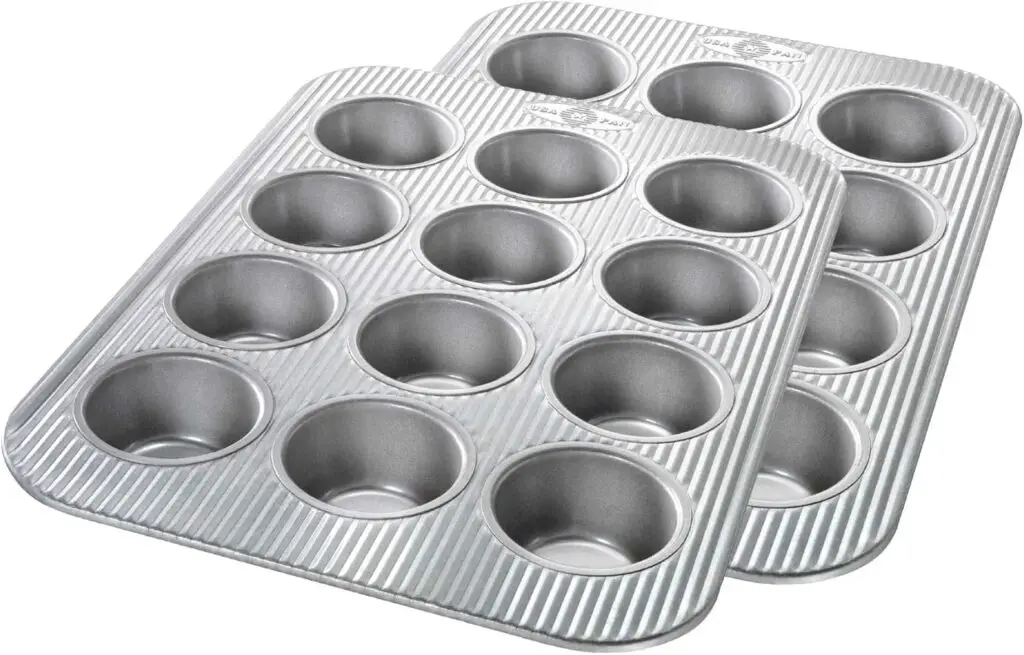
Let’s kick things off with a true American classic. The USA Pan muffin tin is crafted from aluminized steel with a proprietary silicone coating that’s completely PTFE, PFOA, and BPA-free. This isn’t your grandma’s flimsy pan—it’s commercial-grade quality that serious bakers swear by.
Pros:
- Made in the USA with high manufacturing standards
- Exceptional heat distribution for evenly baked muffins
- The corrugated surface design increases strength and air circulation
- Silicone coating releases baked goods effortlessly without chemical nasties
- Dishwasher safe, though hand washing extends its life
- Resists warping even at high temperatures
Cons:
- Heavier than standard pans, which some might find cumbersome
- The darker surface means you may need to adjust baking times slightly
This pan is perfect for anyone who bakes regularly and wants restaurant-quality results at home. The weight alone tells you it’s built to last decades, not just a few batches.
2. Nordic Ware Natural Aluminum Commercial Muffin Pan

Nordic Ware has been crushing it in the bakeware world since 1946, and their natural aluminum muffin pan is a testament to why they’ve lasted so long. This is pure aluminum without any chemical coatings—just good old-fashioned metal doing what it does best.
Pros:
- Pure aluminum construction with no synthetic coatings whatsoever
- Superior heat conductivity means perfectly golden tops
- Reinforced encapsulated steel rim prevents warping
- Made in the USA with a limited lifetime warranty
- The generous cup size accommodates bakery-style muffins
- Lightweight yet incredibly sturdy
Cons:
- Not dishwasher safe—hand washing is a must
- Requires thorough greasing or paper liners for easy release
- Not suitable for highly acidic batters without liners
If you’re a purist who wants absolutely nothing between your batter and the metal, this is your pan. Just invest in good quality paper liners or master your greasing technique.
3. Caraway Non-Stick Ceramic Muffin Pan
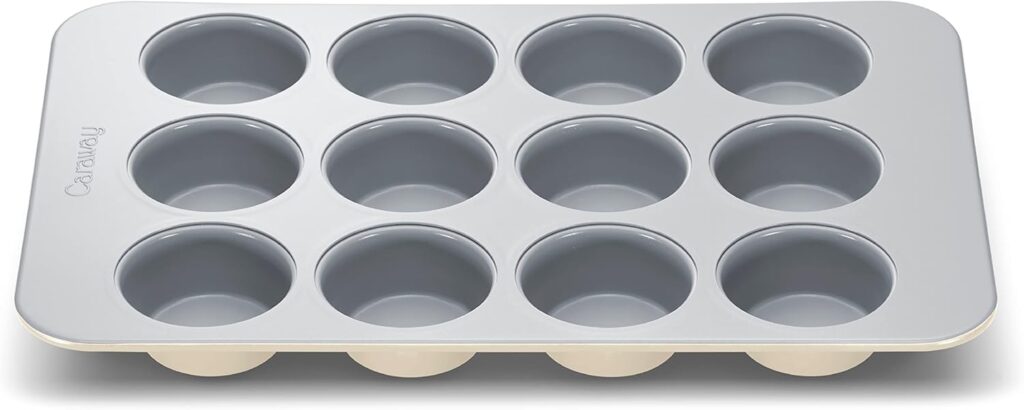
Caraway burst onto the scene with their Instagram-worthy ceramic cookware, and their muffin pan lives up to the aesthetic hype while delivering on safety. The ceramic coating is derived from minerals rather than synthetic chemicals.
Pros:
- Gorgeous design available in multiple trendy colors
- Ceramic non-stick coating is genuinely PTFE and PFOA-free
- Even heating thanks to aluminum core
- Easy release without excessive greasing
- Relatively lightweight and easy to handle
- Oven safe up to 550°F
Cons:
- More expensive than many alternatives
- Ceramic coating can chip if dropped or handled roughly
This is the pan for people who want their kitchenware to spark joy while keeping things toxin-free. It performs beautifully, but treat it with care.
4. Cuisinart Chef’s Classic Stainless Steel Muffin Pan

Stainless steel gets overlooked in the muffin pan world, but Cuisinart’s version makes a strong case for reconsidering. This is pure 18/10 stainless steel—the same grade used in professional kitchens worldwide.
Pros:
- Completely non-reactive and non-toxic material
- Won’t rust, chip, or degrade over time
- Dishwasher safe and incredibly easy to clean
- Can go from oven to table for rustic presentation
- Virtually indestructible with proper care
- No coatings to worry about wearing off
Cons:
- Requires generous greasing or quality liners
- Muffins may brown more on the bottom than sides
- Heavier than aluminum options
For the ultimate durability and zero concerns about chemical leaching, stainless steel is unbeatable. Yes, you’ll use more butter or cooking spray, but you’ll never replace this pan.
5. GreenLife Ceramic Non-Stick Muffin Pan
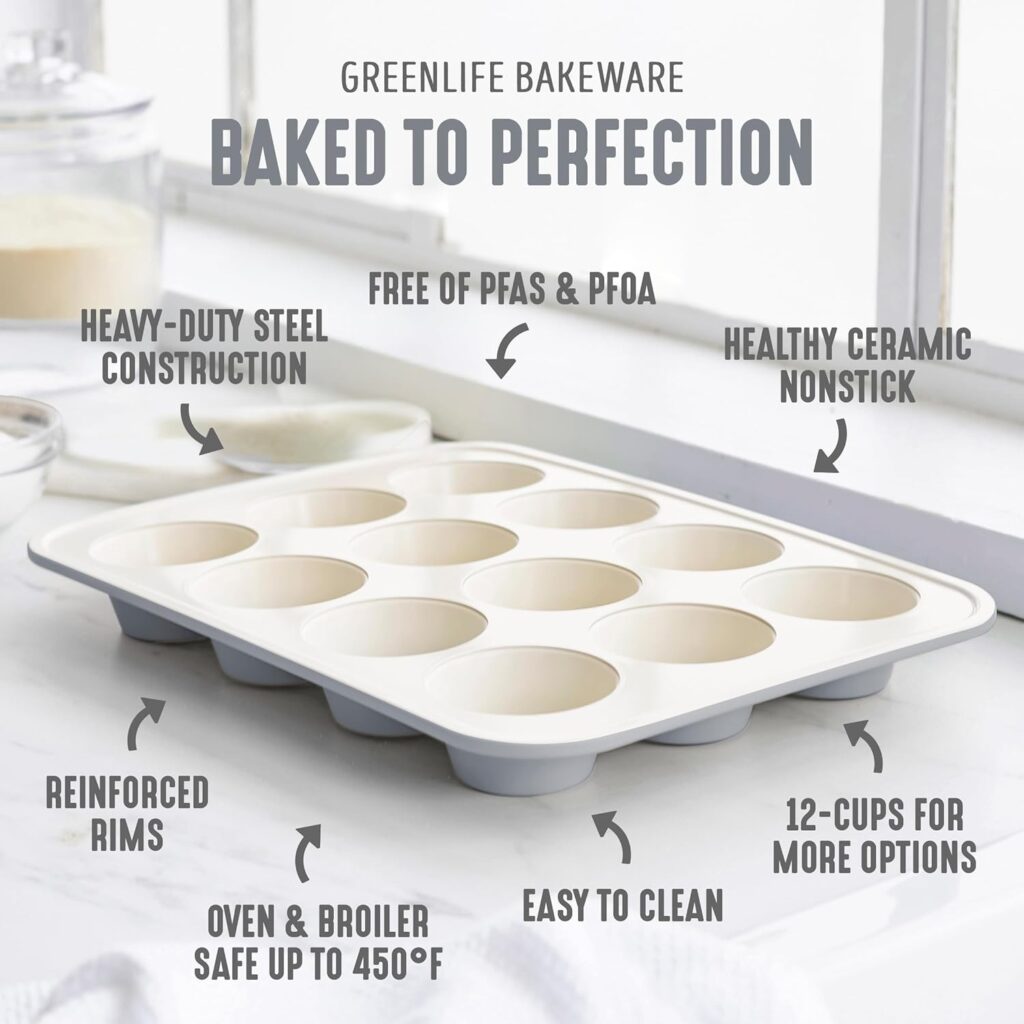
GreenLife has made a name for itself by offering budget-friendly ceramic options, and their non toxic cupcake pan delivers solid performance without breaking the bank. The Thermolon coating is free from PFAS, PFOA, lead, and cadmium.
Pros:
- Very affordable entry point into non-toxic baking
- Lightweight and easy to maneuver
- The ceramic coating provides decent non-stick properties
- Oven safe up to 350°F
- Reinforced with a wobble-free base
- Dishwasher safe for quick cleanup
Cons:
- Lower maximum temperature tolerance
- Coating durability doesn’t match higher-end ceramic pans
- May require more frequent replacement
- Handle design could be more ergonomic
This is perfect for occasional bakers or anyone wanting to test the ceramic waters without a huge investment. Just know you’re trading longevity for affordability.
6. Wilton Perfect Results Non-Stick Muffin Pan
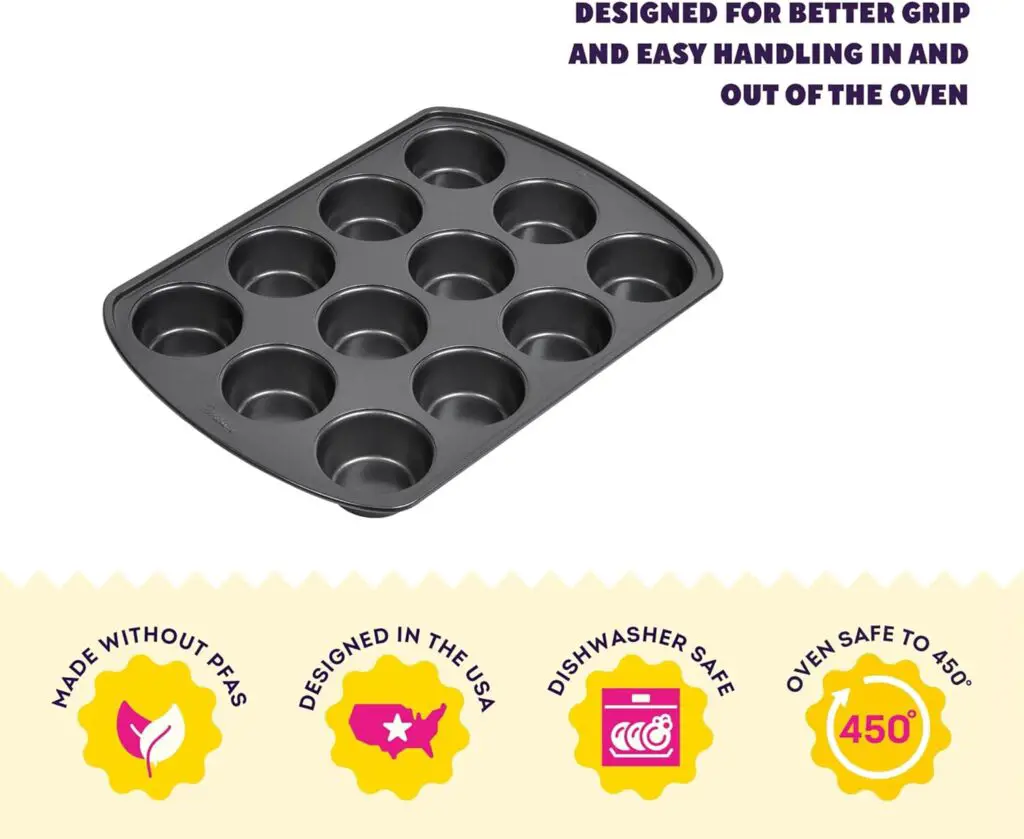
Wilton is synonymous with baking, and their Perfect Results line offers a middle-ground option with a steel construction and non-stick coating that’s PFOA-free. While not completely coating-free, Wilton has reformulated their non-stick to eliminate the most concerning chemicals.
Pros:
- Widely available and competitively priced
- The non-stick coating actually works without excessive greasing
- Standard 12-cup configuration fits most recipes perfectly
- Handles on both ends for secure grip
- Dishwasher safe and easy maintenance
- Consistent performance batch after batch
Cons:
- Still contains a synthetic coating (though improved formula)
- Not the most premium materials
- May show wear over extended heavy use
- Darker color requires adjusted baking times
For bakers who want the convenience of non-stick without the worst offenders, Wilton strikes a reasonable balance. It’s not the purest option here, but it’s a significant improvement over old-school Teflon.
7. Fat Daddio’s Anodized Aluminum Muffin Pan
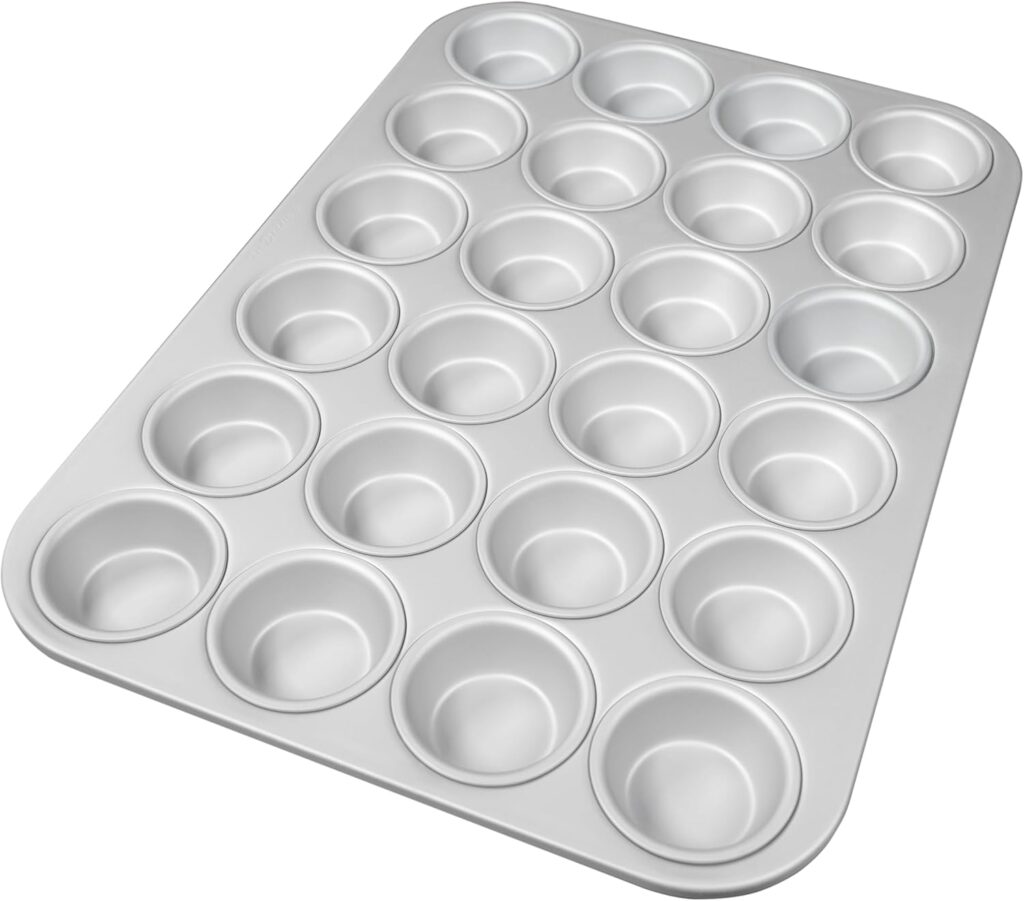
Fat Daddio’s is a professional baker’s secret weapon. Their anodized aluminum muffin pan undergoes an electrochemical process that creates a non-reactive, naturally non-stick surface without any coatings whatsoever.
Pros:
- Anodization creates a durable, non-toxic surface layer
- Excellent heat distribution for professional results
- The natural non-stick properties improve with use
- Won’t rust or corrode
- Straight-sided walls create perfectly shaped muffins
- Used in commercial bakeries worldwide
Cons:
- Not dishwasher safe—hand washing only
- More expensive than standard aluminum pans
- Requires some learning curve for optimal release
- Can’t use metal utensils without risking the surface
Professional bakers gravitate toward Fat Daddio’s for good reason. If you’re serious about consistent, beautiful results and want a pan that’ll last forever, this is it.
8. Silpat Perfect Mold Silicone Muffin Pan

Silicone has revolutionized baking, and Silpat’s professional-grade muffin mold brings French precision to your kitchen. Made from 100% food-grade silicone, this is as non-toxic as it gets.
Pros:
- Pure food-grade silicone with no fillers
- Completely flexible for easy muffin removal
- Can go from freezer to oven without issues
- Naturally non-stick without any coatings
- Dishwasher safe and stain-resistant
- Rolls up for compact storage
Cons:
- Requires a baking sheet underneath for stability
- Can be floppy when filled with batter
- Some purists dislike the texture on muffin bottoms
- Not ideal for achieving crispy edges
Silicone is controversial among bakers, but high-quality versions like Silpat’s perform beautifully. It’s especially great for delicate muffins that tend to stick or for bakers with grip strength issues.
9. Rachael Ray Oven Lovin’ Non-Stick Muffin Pan

Rachael Ray’s line brings personality and practical design together. This steel pan features a ceramic-based non-stick coating that’s PFOA-free, with bold colored silicone grips for easy handling.
Pros:
- Fun, colorful design adds personality to your kitchen
- Comfortable silicone grips stay cool to touch
- Solid steel construction resists warping
- The non-stick coating releases muffins easily
- Oven safe up to 500°F
- Dishwasher safe for convenient cleanup
Cons:
- Coating durability varies with use and care
- Silicone handles may wear before the pan body
- Not the most eco-conscious option
- Style-forward design isn’t for minimalists
If you want something cheerful that performs well for regular home baking, Rachael Ray delivers. It won’t win awards for longevity like bare metal options, but it makes baking more enjoyable.
10. OXO Good Grips Non-Stick Pro Muffin Pan
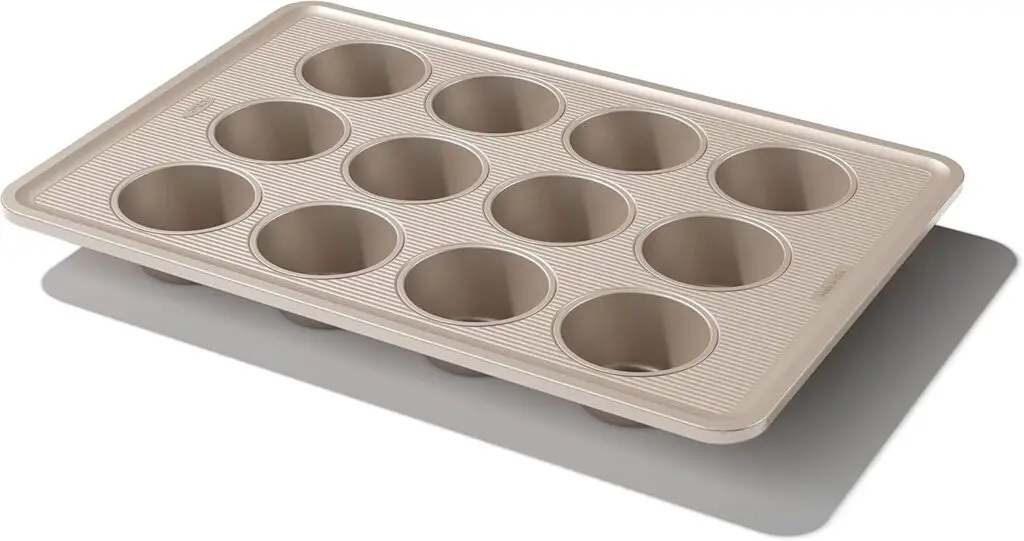
OXO’s reputation for thoughtful design shines through in their Professional series muffin pan. This is aluminized steel with a ceramic-reinforced non-stick coating that’s PFOA-free and designed to resist scratches.
Pros:
- Rolled edges prevent warping and add durability
- Unique texture on coating promotes better release
- Generous cup size for bakery-style muffins
- Micro-textured pattern ensures even baking
- Square corners make it easier to grab from the oven
- Dishwasher safe though hand washing recommended
Cons:
- Premium pricing compared to basic options
- Still contains a coating that will eventually wear
- Darker surface requires timing adjustments
- Heavier weight might not suit everyone
OXO consistently delivers products that just work better, and this muffin pan is no exception. The attention to detail in design makes actual baking easier and more enjoyable.
Comparison Table: Non-Toxic Muffin Pans at a Glance
| Muffin Pan | Material | Coating Type | Cup Capacity | Oven Safe Temp | Dishwasher Safe | Weight | Made In |
|---|---|---|---|---|---|---|---|
| USA Pan | Aluminized Steel | Silicone (PTFE/PFOA-free) | 12 standard | 450°F | Yes | Heavy | USA |
| Nordic Ware | Pure Aluminum | None | 12 large | 450°F | No | Medium | USA |
| Caraway | Aluminum Core | Ceramic | 12 standard | 550°F | No | Light | China |
| Cuisinart | Stainless Steel | None | 12 standard | 500°F | Yes | Heavy | China |
| GreenLife | Steel | Ceramic (Thermolon) | 12 standard | 350°F | Yes | Light | China |
| Wilton | Steel | PFOA-free Non-stick | 12 standard | 450°F | Yes | Medium | China |
| Fat Daddio’s | Anodized Aluminum | Anodized Surface | 12 standard | 450°F | No | Medium | USA |
| Silpat | Food-grade Silicone | None | 12 standard | 480°F | Yes | Very Light | France |
| Rachael Ray | Steel | Ceramic-based | 12 standard | 500°F | Yes | Medium | China |
| OXO | Aluminized Steel | Ceramic-reinforced | 12 standard | 430°F | Yes | Heavy | China |
Complete Buying Guide for Non-Toxic Muffin Pans
Understanding Materials: What’s Actually Safe?
Carbon Steel & Aluminized Steel These are workhorse materials in professional kitchens. Carbon steel is iron with a small amount of carbon, while aluminized steel combines steel with an aluminum coating for better heat distribution. When properly seasoned or coated with safe non-stick alternatives, these materials are completely non-toxic and virtually indestructible.
Pure Aluminum Uncoated aluminum has gotten some bad press over the years, but the science doesn’t support major health concerns for typical baking use. Pure aluminum conducts heat beautifully and won’t leach harmful chemicals. The discoloration you see over time is just oxidation—it’s harmless. Pair it with parchment liners if you’re using acidic batters.
Stainless Steel The gold standard for non-reactive cookware. Stainless steel (especially 18/10 grade) is completely inert, won’t rust, and will outlive you. It’s heavier and doesn’t conduct heat quite as evenly as aluminum, but the peace of mind is worth it. Nothing will ever leach from stainless steel into your food.
Ceramic Coatings Modern ceramic coatings are derived from minerals and sand—essentially a form of glass. Quality ceramic coatings are completely PTFE and PFOA-free. The catch? They’re more fragile than metal and can chip or lose their non-stick properties over time. Stick with reputable brands that actually test their coatings.
Silicone 100% food-grade silicone is completely stable at baking temperatures and won’t leach anything into your food. It’s flexible, naturally non-stick, and practically indestructible. The concern with silicone is ensuring you’re getting pure silicone, not cheaper versions mixed with fillers. Quality matters here.
What to Avoid: Red Flags in Muffin Pans
Traditional Teflon/PTFE Coatings While modern versions are PFOA-free, PTFE coatings still release toxic fumes when overheated (above 500°F). They also degrade over time, and those flakes end up in your food. If you see “non-stick coating” without further specification, approach with caution.
Unknown Coatings from Unverified Brands That super cheap pan on a random marketplace? It might contain heavy metals, undisclosed chemicals, or coatings that haven’t been tested for food safety. Stick with established brands that actually disclose their materials.
Anodized Aluminum (The Hard Kind) Without Testing Not all anodizing is created equal. “Hard anodized” aluminum sometimes contains additives that haven’t been thoroughly tested for food safety. Look for brands that specifically market to professional bakers and provide material safety information.
Key Features That Actually Matter
Heat Distribution Uneven heat leads to burnt bottoms and undercooked tops. Materials like aluminum and aluminized steel excel here. Thicker pans generally distribute heat more evenly than thin, flimsy ones. You want every muffin to bake identically.
Durability and Warp Resistance A warped pan is a useless pan. Look for reinforced rims, rolled edges, or thicker gauge metal. Pans that warp create hot spots and uneven baking. Quality construction costs more upfront but saves money long-term.
Release Properties Even “non-toxic” pans need to release your muffins cleanly. This might mean a safe coating, proper seasoning, generous greasing, or quality liners. Consider your tolerance for prep work when choosing materials.
Cup Size and Configuration Standard muffin cups hold about 1/3 cup of batter. Jumbo pans hold about 1 cup. Mini pans hold 2 tablespoons. Make sure the pan matches your most common recipes. Deep cups are great for big, bakery-style muffins.
Weight and Handling Heavier pans typically mean better construction, but they’re also harder to maneuver in and out of hot ovens. Consider your strength and comfort level. Good handles or grips make a real difference.
Care and Maintenance for Longevity
For Coated Pans (Ceramic, Silicone-coated) Hand washing is always gentler, even if the manufacturer says dishwasher safe. Use soft sponges only—never abrasive scrubbers. Let the pan cool before washing to prevent thermal shock. Store carefully to prevent chips and scratches.
For Bare Metal Pans (Aluminum, Stainless Steel, Carbon Steel) These can handle more aggressive cleaning but benefit from proper seasoning. For aluminum and carbon steel, a light coating of oil after washing and drying creates a natural non-stick patina over time. Stainless steel just needs thorough drying to prevent water spots.
For Silicone Molds Wash before first use to remove any manufacturing residue. Silicone is nearly indestructible but can absorb odors and stains. A paste of baking soda and water removes stubborn stains. Ensure they’re completely dry before storing to prevent mildew.
General Storage Tips Stack pans with paper towels or pan protectors between them to prevent scratching. Store in a dry place. If space allows, hang pans to prevent dings and maintain their shape. Never stack heavy items on top of muffin pans.
Baking Tips for Non-Toxic Pans
Adjusting for Darker Pans Dark metal absorbs more heat than light-colored pans. Reduce oven temperature by 25°F or check for doneness 5 minutes earlier. This prevents over-browning while ensuring the centers cook through.
Greasing Techniques For uncoated pans, use a pastry brush to thoroughly coat cups with melted butter, oil, or cooking spray. Don’t forget the top surface where muffin tops spread. Paper or silicone liners eliminate this step entirely.
Temperature Matters Never put a cold pan directly into a hot oven—allow it to warm up gradually to prevent warping. Similarly, don’t run cold water over a hot pan. Thermal shock is the enemy of longevity.
Filling Cups Correctly Fill cups about 2/3 to 3/4 full for standard muffins. Fill empty cups halfway with water to prevent hot spots and ensure even baking. This also protects the pan from heat damage in empty spots.
Environmental Considerations
Choosing the best non toxic muffin pans isn’t just about personal health—it’s also about environmental impact. Pans that last decades keep waste out of landfills. Materials like stainless steel and pure aluminum are infinitely recyclable. Avoid pans with plastic components or mixed materials that can’t be recycled.
Quality over quantity wins here. One durable, non-toxic pan that lasts 20 years beats five cheap pans that end up in the trash. Consider this when evaluating options.
Final Thoughts: Which Non-Toxic Muffin Pan Should You Choose?
After testing and researching these options extensively, here’s the honest truth: there’s no single “best” non toxic cupcake pan for everyone. Your perfect pan depends on your baking frequency, budget, storage space, and personal preferences.
Choose USA Pan or Nordic Ware if you bake regularly and want American-made quality that’ll last decades. These are investment pieces that perform at professional levels.
Choose Caraway or GreenLife if you want ceramic non-stick convenience with modern style. Just commit to proper care to maximize longevity.
Choose Cuisinart stainless steel if you want absolute peace of mind about materials and don’t mind a bit more greasing. It’ll outlast everything else.
Choose Fat Daddio’s if you’re a serious baker who wants professional results without coatings. The learning curve pays off.
Choose Silpat if you struggle with muffin removal or have limited grip strength. The flexibility is genuinely helpful for some bakers.
Choose OXO or Rachael Ray if you want thoughtful design details that make baking easier and more enjoyable, with reasonable durability.
The most important thing? Stop using old, chipped, flaking pans that drop mystery chemicals into your food. Any of these ten non-toxic muffin pans will upgrade your baking safety and likely improve your results too.
Your Saturday morning muffins deserve better than questionable coatings. Your family deserves food prepared in safe materials. And honestly, you deserve bakeware that just works without the worry.
Now go bake something delicious—without the side of synthetic chemicals.
Frequently Asked Questions
Are silicone muffin pans really safe? Yes, 100% food-grade silicone from reputable manufacturers is completely safe. The key is buying from established brands that don’t use fillers or additives. Cheap silicone can contain questionable materials.
Do I need to use liners with non-toxic muffin pans? It depends on the material. Coated and silicone pans usually don’t require liners, though they help with cleanup. Bare metal like aluminum and stainless steel benefit from liners or thorough greasing.
How do I know if my current muffin pan is toxic? If it’s old Teflon-coated and the coating is chipping or flaking, replace it immediately. Any pan where the non-stick coating is degrading should be retired. When in doubt, upgrade to something from this list.
What’s the longest-lasting non-toxic option? Stainless steel and properly cared for anodized aluminum will last essentially forever. Pure aluminum and carbon steel are also extremely durable if maintained correctly.
Can ceramic-coated pans go in the dishwasher? Many manufacturers say yes, but hand washing significantly extends the life of ceramic coatings. The harsh detergents and heat cycling in dishwashers accelerate coating breakdown.
Happy baking! 🧁