There’s something magical about watching a perfectly layered tamagoyaki come together—each golden layer rolled with precision, creating that iconic rectangular Japanese omelette that’s equal parts breakfast staple and bento box essential. But here’s the thing: you can’t make authentic tamagoyaki in just any pan. You need the right tool for the job.
If you’ve been scrolling through endless options online, wondering which Tamagoyaki Pan will actually deliver restaurant-quality results in your home kitchen, you’re in the right place. I’ve tested numerous Japanese tamagoyaki pans to help you find the perfect match for your cooking style and budget.
Quick Links for Tamagoyaki Pan
1. TeChef Tamagoyaki Pan
2. Tamagoyaki Nonstick Egg Pan by TECHEF
3. Kotobuki Copper Tamagoyaki Pan
4. Iwachu Tamagoyaki Pan (Cast Iron)
5. EPPMO Tamagoyaki Pan with Wooden Handle
6. Pearl Life Japanese Tamagoyaki Pan
What Exactly Is a Tamagoyaki Pan?
Before we dive into the reviews, let’s talk about what makes these pans special. A tamagoyaki pan (also called a makiyakinabe) is a rectangular or square pan specifically designed for making Japanese rolled omelettes. Unlike your standard round frying pan, the rectangular shape makes it incredibly easy to create those signature layers and achieve that perfect roll.
Traditional tamagoyaki pans come in copper, but modern versions use materials like aluminum, cast iron, and non-stick coatings. The key is finding one that distributes heat evenly and makes flipping and rolling as smooth as possible.
Top 6 Tamagoyaki Pans Reviewed
1. TeChef Tamagoyaki Pan
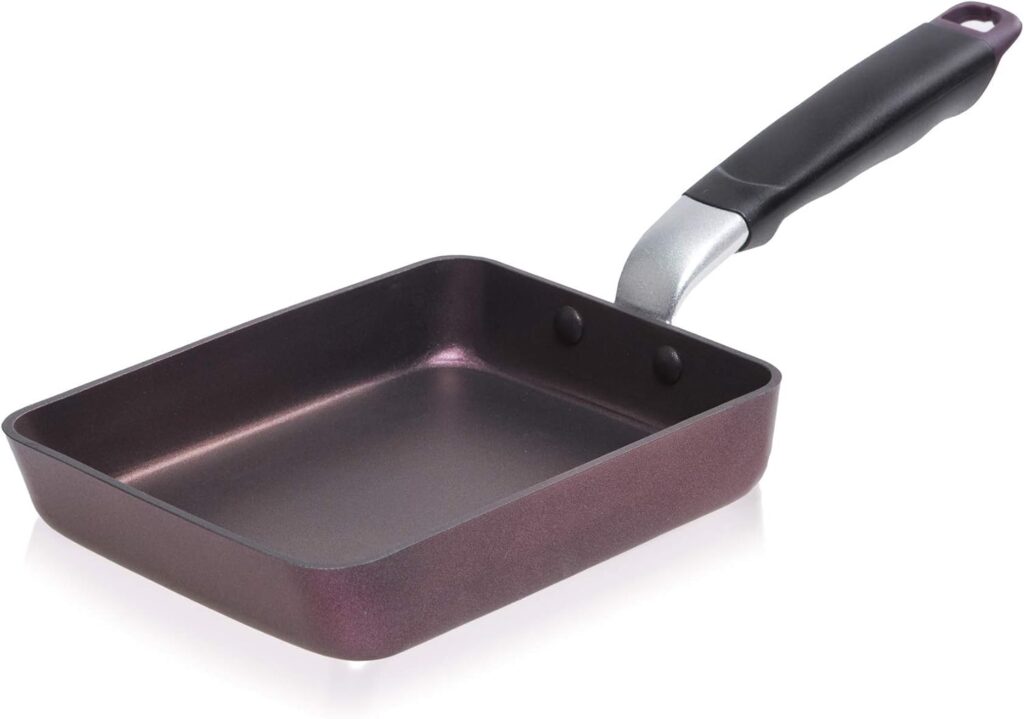
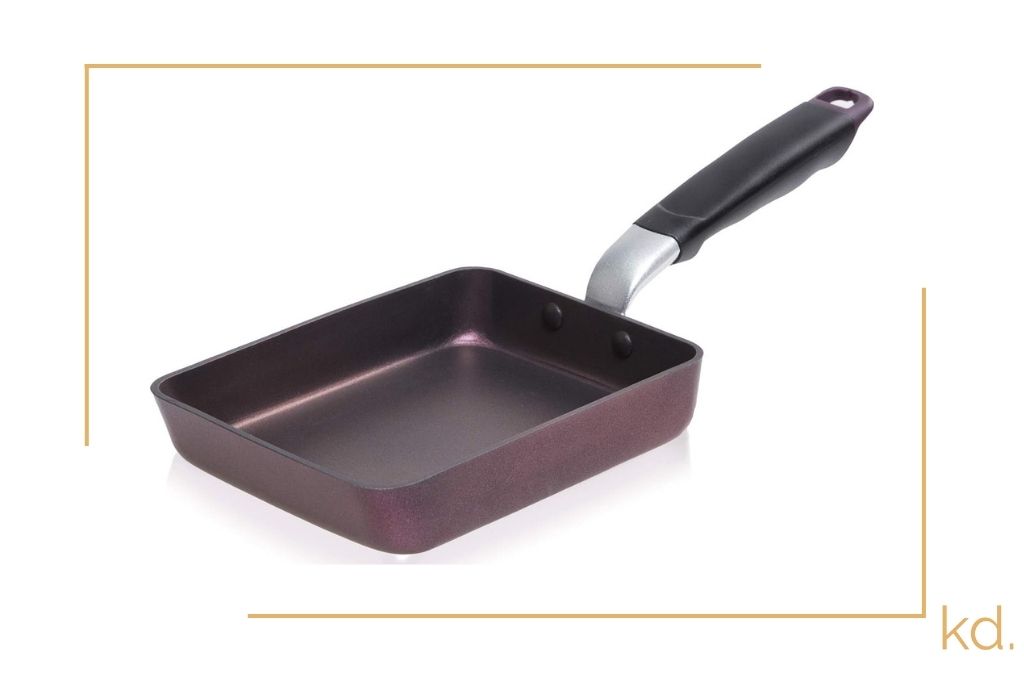
Let’s kick things off with a crowd favorite that’s been winning over home cooks for years. The TeChef brings Korean craftsmanship to Japanese cooking, and honestly, it’s a match made in culinary heaven.
Pros:
- Teflon-free coating (seriously, no PFOA worries here)
- Excellent heat distribution across the entire surface
- Comfortable stay-cool handle that won’t betray you mid-flip
- Works on all stovetops including induction
- Easy to clean—most residue wipes right off
- Durable construction that holds up to regular use
Cons:
- Slightly heavier than some competitors
- Non-stick coating requires proper care to maintain longevity
The TeChef stands out because it takes the guesswork out of temperature control. The pan heats evenly from corner to corner, which means no hot spots that cook your eggs faster in one section. For beginners especially, this consistent heating is a game-changer. Plus, if you’re concerned about non-toxic cookware, the TeChef’s ceramic coating gives you peace of mind.
The medium weight strikes a nice balance—substantial enough to feel quality in your hand, but not so heavy that your wrist gets tired after a few batches. I’ve found this pan particularly forgiving when you’re still perfecting your rolling technique.
2. Tamagoyaki Nonstick Egg Pan by TECHEF
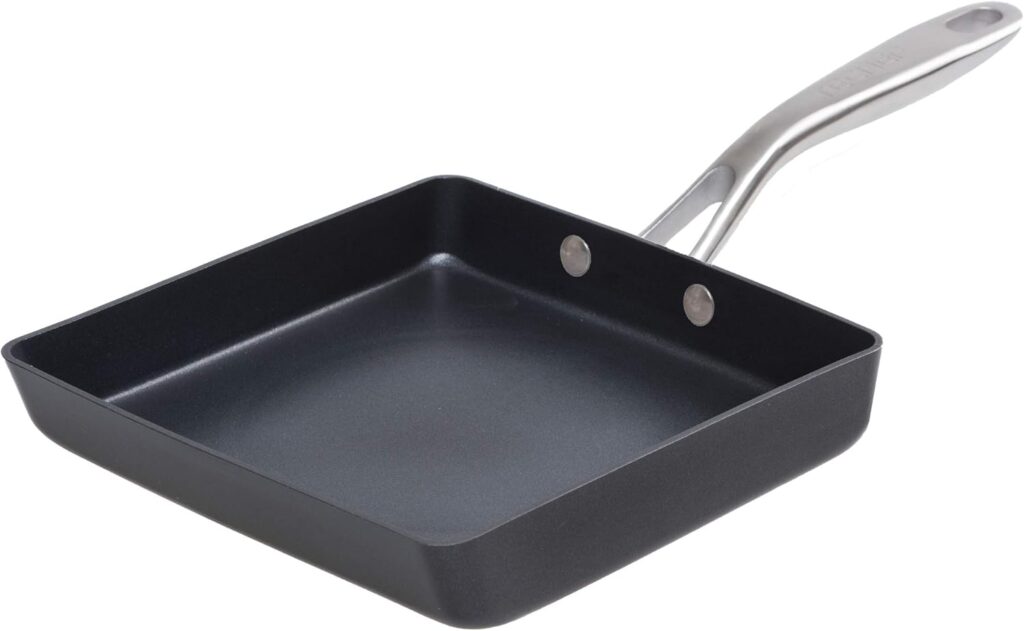
Yes, another TeChef, but this one’s different enough to deserve its own spot. This version leans even harder into the non-stick game with an upgraded coating system.
Pros:
- Superior non-stick performance—eggs glide like they’re on ice
- Lightweight design reduces arm fatigue
- Heats up quickly, saving you precious morning minutes
- Dishwasher safe (though hand washing extends the life)
- Compatible with induction cooktops
- Affordable without sacrificing quality
Cons:
- Coating can wear faster with aggressive utensil use
- Not quite as sturdy as cast iron alternatives
- Requires medium-low heat for best results
This pan is perfect for those mornings when you’re barely awake but still want that Instagram-worthy tamagoyaki. The non-stick surface means you can use minimal oil, making it a healthier option without compromising on that silky texture Japanese omelettes are famous for.
One thing I really appreciate is how forgiving this pan is with temperature. While it works best on medium-low, you won’t immediately ruin your eggs if you accidentally crank the heat a bit higher. That said, if you’re exploring other non-stick options for your gas stove, remember that gas requires extra attention to heat management.
3. Kotobuki Copper Tamagoyaki Pan
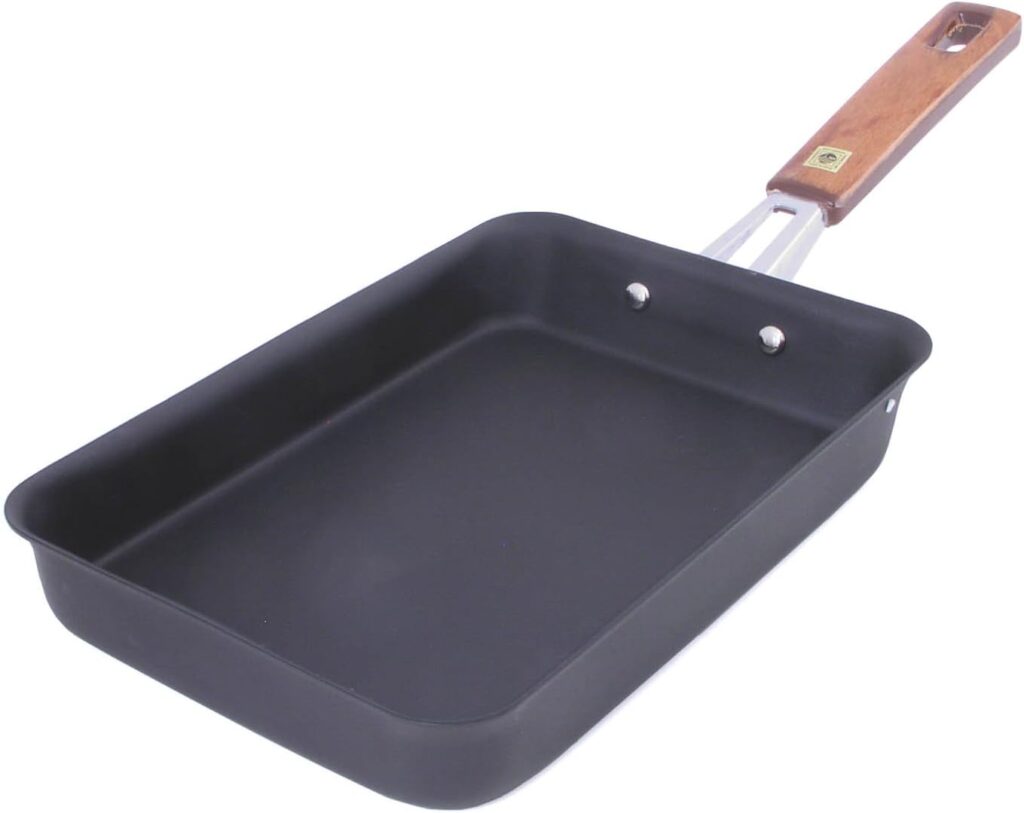
Now we’re talking traditional. This is what professional Japanese chefs have used for generations, and there’s a reason it’s stood the test of time.
Pros:
- Authentic copper construction for superior heat conductivity
- Unmatched temperature precision
- Professional-grade performance
- Beautiful aesthetic that doubles as kitchen decor
- Develops character and patina with use
- Long-lasting durability when properly maintained
Cons:
- Requires seasoning and maintenance
- Not dishwasher friendly
- Higher price point than non-stick alternatives
- Heavier than aluminum pans
- Not compatible with induction cooktops
- Learning curve for beginners
If you’re serious about mastering tamagoyaki—and I mean really serious—the Kotobuki copper pan is your best bet. Copper’s thermal conductivity is unmatched, responding instantly to heat changes. This level of control lets you nail that perfect texture every single time once you get the hang of it.
Fair warning though: this isn’t a grab-and-go option. Copper requires seasoning, careful cleaning, and proper storage. Think of it like a cast iron skillet’s sophisticated Japanese cousin. But for those willing to put in the care, the results speak for themselves. The pan literally gets better with age as it develops a natural non-stick patina.
4. Iwachu Tamagoyaki Pan (Cast Iron)
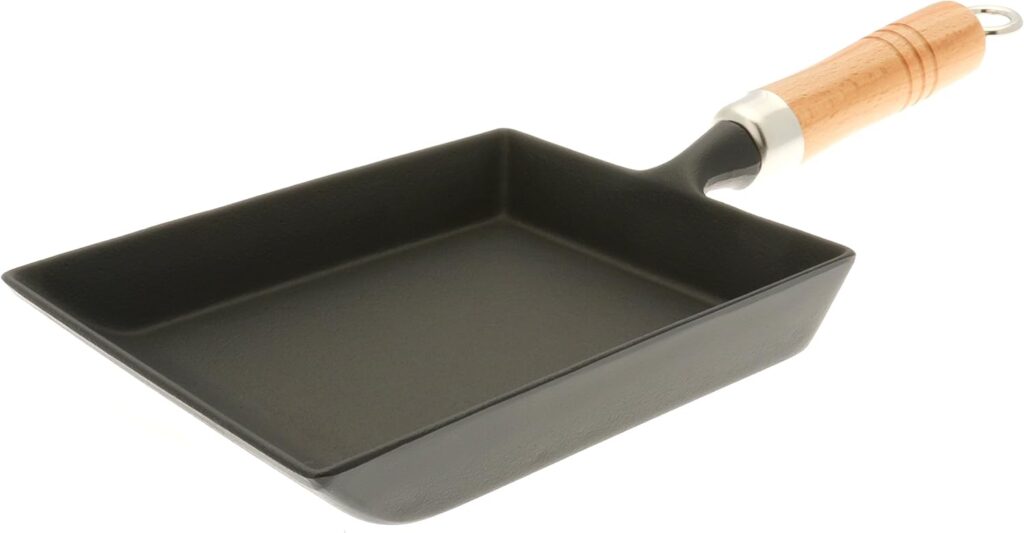
Speaking of traditional, let’s talk cast iron. Iwachu has been making cast iron cookware in Japan since 1902, and their tamagoyaki pan brings over a century of expertise to your stovetop.
Pros:
- Exceptional heat retention and distribution
- Virtually indestructible with proper care
- Naturally develops non-stick properties over time
- Works on all heat sources including induction
- No chemical coatings to worry about
- Can last multiple generations
Cons:
- Significantly heavier than other options
- Requires seasoning and maintenance
- Takes longer to heat up initially
- Not dishwasher safe
- Needs immediate drying to prevent rust
- Challenging for beginners due to weight
The Iwachu is for those who value tradition and aren’t afraid of a little maintenance. Cast iron’s heat retention means your pan stays hot even when you add cold eggs, resulting in consistent cooking throughout. This is particularly valuable if you’re making multiple batches.
The weight might seem daunting at first, but many users find it actually helps with control once they adjust. Plus, if you’re already comfortable with cast iron cookware, the care routine will feel familiar.
5. EPPMO Tamagoyaki Pan with Wooden Handle
Looking for something that bridges traditional aesthetics with modern convenience? The EPPMO might be your sweet spot.
Pros:
- Attractive wooden handle stays cool during cooking
- Quality aluminum construction with ceramic coating
- Even heat distribution across the cooking surface
- Comfortable ergonomic design
- PFOA-free and eco-friendly materials
- Works on gas, electric, and induction stovetops
Cons:
- Wooden handle requires extra care when cleaning
- Not fully dishwasher safe due to wooden components
- Coating durability varies with use intensity
- Handle can loosen over time with heavy use
What sets the EPPMO apart is that gorgeous wooden handle—it’s not just for show. Wood naturally insulates, meaning you can cook without constantly reaching for a potholder. The ceramic coating provides reliable non-stick performance while aligning with healthier cooking preferences.
The aluminum core heats quickly and distributes warmth evenly, though it doesn’t quite match copper’s responsiveness. For home cooks who want something that looks as good hanging on the wall as it performs on the stove, this is a solid choice. It shares the same health-conscious philosophy as many pieces in ceramic cookware collections.
6. Pearl Life Japanese Tamagoyaki Pan
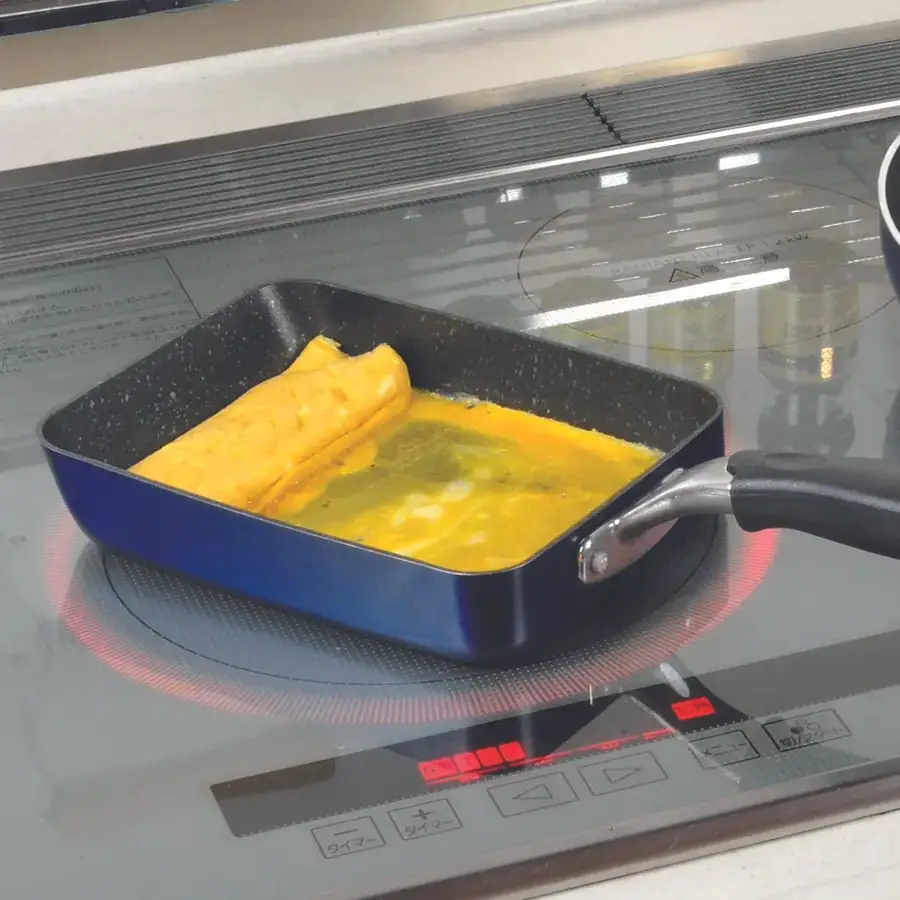
Rounding out our list is the Pearl Life, a pan that’s become incredibly popular in Japan and is now gaining traction worldwide.
Pros:
- Lightweight yet durable construction
- Excellent non-stick coating that lasts
- Affordable price point for imported Japanese quality
- Easy to maneuver and control
- Simple maintenance and cleaning
- Gas and IH (induction heating) compatible
Cons:
- Handle can get warm during extended cooking
- Non-stick performance degrades with metal utensils
- Not as thick as premium options
- May warp slightly under very high heat
The Pearl Life represents great value in the tamagoyaki pan market. It’s authentically Japanese without the premium price tag of some imports. The pan feels light in hand but doesn’t sacrifice stability—a combination that’s harder to achieve than you might think.
This is an excellent entry point for anyone curious about making tamagoyaki but not ready to invest heavily upfront. It performs well for daily use and holds up better than you’d expect at this price point. Just remember to use wooden or silicone utensils to preserve that non-stick surface.
Comparison Table: Tamagoyaki Pan Features
| Feature | TeChef | TeChef Nonstick | Kotobuki Copper | Iwachu Cast Iron | EPPMO | Pearl Life |
|---|---|---|---|---|---|---|
| Material | Aluminum/Ceramic | Aluminum/Non-stick | Pure Copper | Cast Iron | Aluminum/Ceramic | Aluminum/Non-stick |
| Weight | Medium | Light | Medium-Heavy | Very Heavy | Medium | Light |
| Induction Compatible | Yes | Yes | No | Yes | Yes | Yes |
| Dishwasher Safe | Yes | Yes | No | No | No | Yes |
| Maintenance Level | Low | Low | High | High | Medium | Low |
| Heat Distribution | Excellent | Very Good | Exceptional | Excellent | Very Good | Good |
| Non-stick Level | High | Very High | Develops Over Time | Develops Over Time | High | High |
| Handle Type | Stay-cool Metal | Stay-cool Metal | Metal | Cast Iron | Wooden | Phenolic Resin |
| Best For | All-around use | Easy cooking | Professional results | Traditional cooking | Aesthetic appeal | Budget-conscious buyers |
The Complete Buying Guide: How to Choose Your Perfect Tamagoyaki Pan
Size Matters: Finding Your Ideal Dimensions
Tamagoyaki pans typically come in three sizes: small (7×5 inches), medium (7.5×6.5 inches), and large (9×6.5 inches). Your choice depends on how many servings you’re making and your storage situation.
Small pans are perfect for single servings or bento boxes. They’re also easier to maneuver for beginners still developing their rolling technique. However, if you’re cooking for a family, you’ll find yourself making multiple batches.
Medium pans hit the sweet spot for most home cooks. They’re large enough for 2-3 servings but still manageable to control. This is the most versatile size and what I’d recommend for most people starting out.
Large pans shine when you’re meal prepping or feeding a crowd. They’re also great if you like making thicker tamagoyaki or experimenting with different fillings. Just be aware they require more storage space and can be trickier to master.
Material Breakdown: What Works Best?
Copper is the gold standard for temperature control. It responds instantly to heat changes, giving you precise control over your cooking. However, copper requires maintenance, doesn’t work with induction, and comes with a higher price tag. Choose copper if you’re committed to mastering traditional technique and don’t mind the upkeep.
Cast iron delivers exceptional heat retention and develops natural non-stick properties over time. It’s virtually indestructible and works on all heat sources. The downside? Weight and maintenance. If you already love your cast iron skillet and don’t mind the care routine, a cast iron tamagoyaki pan is a worthy investment.
Aluminum with non-stick coating offers the best combination of performance and convenience for most home cooks. These pans heat quickly, require minimal oil, and clean up easily. Look for PFOA-free coatings if you’re health-conscious, similar to what you’d find in healthier non-stick cookware options.
Ceramic-coated options provide non-stick performance without traditional coating chemicals. They’re eco-friendly and work well with medium heat, though they typically don’t last quite as long as higher-end non-stick alternatives.
Handle Design: More Important Than You Think
A comfortable handle can make or break your tamagoyaki experience. During the rolling process, you’re constantly tilting and angling the pan—sometimes for several minutes straight.
Stay-cool handles made from silicone, phenolic resin, or wood insulate your hand from heat. This is crucial if you’re making multiple batches or tend to use higher heat settings.
Riveted vs. welded handles: Riveted handles provide superior durability and weight distribution. They’re less likely to loosen over time, though they create small crevices that require extra cleaning attention. Welded handles offer smoother surfaces but may weaken with heavy use.
Length and angle: A handle that’s too short forces your hand closer to the heat source. Too long, and the pan becomes unwieldy. Look for handles between 6-8 inches with a slight upward angle for optimal control.
Heat Compatibility: Know Your Stovetop
If you cook on gas or electric coils, virtually any tamagoyaki pan will work. These heat sources are forgiving and work well with all materials.
Induction cooking requires magnetic materials in the pan’s base. Look for pans specifically labeled “induction compatible” or “IH compatible.” Cast iron works naturally with induction, while aluminum and copper pans need a magnetic base layer added during manufacturing. If you’re already using induction-ready cookware, you know how important this compatibility is.
Glass-top electric stoves work with most pans but require smooth, flat bottoms to ensure proper contact. Warped or heavily textured bottoms can lead to uneven heating.
Thickness and Weight: Finding the Balance
Thicker pans typically distribute heat more evenly and resist warping better. However, they also take longer to heat up and weigh more, which can fatigue your wrist during extended cooking sessions.
Thin pans (2-3mm) heat quickly but are more prone to hot spots and warping. They’re best for quick cooking tasks but may frustrate you when making multiple batches.
Medium thickness (3-4mm) offers the best balance for most home cooks. You get decent heat distribution without excessive weight.
Thick pans (4mm+) provide superior heat retention and durability but require patience during preheating. They’re ideal if you prioritize even cooking over convenience.
Non-Stick Considerations: What to Look For
Not all non-stick coatings are created equal. Traditional PTFE (Teflon) coatings work exceptionally well but raise health concerns when overheated. Many modern tamagoyaki pans now use ceramic or other alternative coatings.
Quality indicators include:
- Multi-layer coating systems (3+ layers typically perform better)
- PFOA, PFOS, and lead-free certifications
- Scratch-resistant properties
- Clear care instructions from the manufacturer
Even the best non-stick surface requires proper care. Always use wooden, silicone, or plastic utensils. Metal spatulas and utensils will scratch and degrade the coating, shortening your pan’s lifespan significantly.
Maintenance Requirements: What Can You Handle?
Be honest about your maintenance tolerance. If you want something you can throw in the dishwasher and forget about, stick with modern non-stick options. If you enjoy the ritual of seasoning and caring for traditional cookware, copper or cast iron might appeal to you.
Low-maintenance pans feature dishwasher-safe construction and require only basic cleaning. These work great for busy households or anyone who prioritizes convenience.
High-maintenance pans like copper and cast iron demand regular seasoning, hand washing, and immediate drying. They reward your effort with superior performance and longevity.
Consider where you are in your cooking journey. Beginners often benefit from low-maintenance options while they master technique. As skills improve, many cooks enjoy graduating to more traditional pans that offer greater control.
Essential Tips for Perfect Tamagoyaki Every Time
Temperature Control Is Everything
Here’s where most people struggle: maintaining consistent heat throughout the cooking process. Too hot, and your eggs cook too fast, making rolling difficult. Too cool, and you get soggy, undercooked layers.
Start with medium-low heat and give your pan 2-3 minutes to preheat evenly. Drop a tiny bit of egg mixture in the pan—if it sizzles gently without immediately browning, you’re at the right temperature. If you’re using a modern air fryer oven combo for other cooking tasks, you already understand how crucial temperature control is across different cooking methods.
The Right Tools Make All the Difference
Beyond your pan, invest in these essentials:
- Silicone or wooden spatula with a flat edge for rolling
- Small bowl for mixing eggs
- Paper towels or a clean cloth for oiling the pan between layers
- Bamboo rolling mat (optional but helpful for beginners)
Preparation Prevents Problems
Mix your eggs gently—overbeating incorporates too much air, creating bubbles that interfere with smooth layers. Strain the mixture through a fine-mesh sieve to remove chalaza (those white stringy bits) for silky-smooth results.
Have everything ready before you start cooking. Tamagoyaki waits for no one, and scrambling to prepare ingredients mid-cook leads to burnt or overcook layers.
Practice the Roll
Your first few attempts might look more like scrambled eggs than elegant rolls. That’s completely normal. The rolling motion feels awkward initially, but muscle memory develops quickly with practice.
Start each roll from the far end of the pan, using your spatula to gently fold the cooked egg toward you. Lift and tuck rather than forcefully pushing. If a layer tears, don’t panic—just continue rolling. The final result often looks better than you expect.
Oil Between Layers
After each roll, use an oiled paper towel to lightly coat the empty section of the pan. This prevents sticking and ensures each new layer releases cleanly. Too much oil makes your tamagoyaki greasy; too little causes sticking. A light, even coating is perfect.
Common Mistakes to Avoid
Using high heat: This is the number one mistake that leads to tough, overcooked eggs. Keep it medium-low and be patient.
Not preheating properly: A poorly heated pan creates uneven cooking and stubborn sticking issues. Always give your pan adequate time to reach temperature.
Pouring too much egg at once: Thin layers are the key to that classic layered appearance. Pour just enough to create a thin coating—about 2-3 tablespoons per layer for a medium pan.
Forgetting to oil between layers: Each layer needs that light oil coating to release properly. Skip this step at your peril.
Using metal utensils on non-stick pans: This bears repeating because it’s so important. Metal utensils will destroy your non-stick coating faster than anything else.
Rushing the process: Tamagoyaki requires patience. Each layer needs time to set properly before rolling. Rushing leads to torn layers and frustrated cooks.
Cleaning and Care: Making Your Pan Last
Daily Maintenance
For non-stick pans, let the pan cool completely before washing. Hot water and soap plus a soft sponge are usually sufficient. Avoid abrasive scrubbers that damage the coating. Dry thoroughly before storing to prevent water spots and potential rust on metal components.
Cast iron requires immediate cleaning while still warm. Use hot water and a brush to remove residue, then dry completely over low heat on the stove. Apply a thin layer of oil before storing to maintain seasoning.
Copper pans need special copper cleaner or a paste of salt and lemon juice to maintain their lustrous appearance. Regular polishing prevents tarnishing and maintains thermal performance.
Long-term Care
Store your tamagoyaki pan where it won’t get scratched by other cookware. Hanging on a wall hook or storing in a dedicated drawer works well. If stacking is necessary, place a paper towel or cloth between pans.
Periodically re-season cast iron and copper pans following manufacturer instructions. This maintains the natural non-stick surface and protects the metal.
For non-stick pans, avoid cooking sprays which can build up and create a sticky residue. Use real oil or butter instead. When the non-stick performance noticeably degrades despite proper care, it’s time for a replacement.
Tamagoyaki Beyond Breakfast
While tamagoyaki is traditionally a breakfast food and bento staple, don’t limit yourself. This versatile dish works beautifully:
As an appetizer: Slice into bite-sized pieces and serve with soy sauce for dipping In sushi: Nigiri topped with tamagoyaki is a classic combination For meal prep: Make a large batch and refrigerate for quick protein additions to meals With different flavors: Experiment with adding cheese, vegetables, or seafood to the egg mixture
Your tamagoyaki pan isn’t a one-trick pony either. It’s perfect for making crepes, cooking bacon strips, reheating pizza slices, and even grilling vegetables. The rectangular shape comes in handy for various cooking tasks beyond Japanese cuisine.
Final Thoughts: Which Tamagoyaki Pan Should You Choose?
If you’re a beginner looking for easy results with minimal fuss, start with the TeChef Nonstick Egg Pan or Pearl Life. Both offer excellent non-stick performance, easy cleaning, and forgiving cooking characteristics that help you master technique without fighting your equipment.
For intermediate cooks ready to level up their tamagoyaki game, the original TeChef or EPPMO provide the perfect balance of performance and convenience. They’ll reward your developing skills without demanding excessive maintenance.
Advanced home cooks and traditionalists will appreciate the Kotobuki copper pan or Iwachu cast iron. These pans demand more care but deliver unmatched performance and authenticity. They’re investments that will last decades with proper maintenance.
Budget-conscious shoppers can’t go wrong with the Pearl Life. It punches well above its price point and provides a genuine taste of Japanese cooking tradition without breaking the bank.
No matter which pan you choose, remember that tamagoyaki is as much about technique as equipment. Even the most expensive pan won’t automatically produce perfect results—practice and patience are your most important ingredients. Start simple, be patient with yourself, and enjoy the process of mastering this elegant dish.
The beauty of tamagoyaki lies in its simplicity and the meditative process of building those perfect layers. Whether you’re making breakfast for yourself or preparing an elaborate bento box, the right tamagoyaki pan makes the journey more enjoyable and the results more impressive.
Now it’s time to stop reading and start cooking. Grab your new tamagoyaki pan, whisk up some eggs, and discover why this humble dish has captured hearts and taste buds for generations. Your perfect tamagoyaki awaits—you just need to roll with it.
Looking for more kitchen equipment reviews? Explore our guides on the best kitchen knives, top-rated air fryers, and premium cookware brands to complete your culinary arsenal.