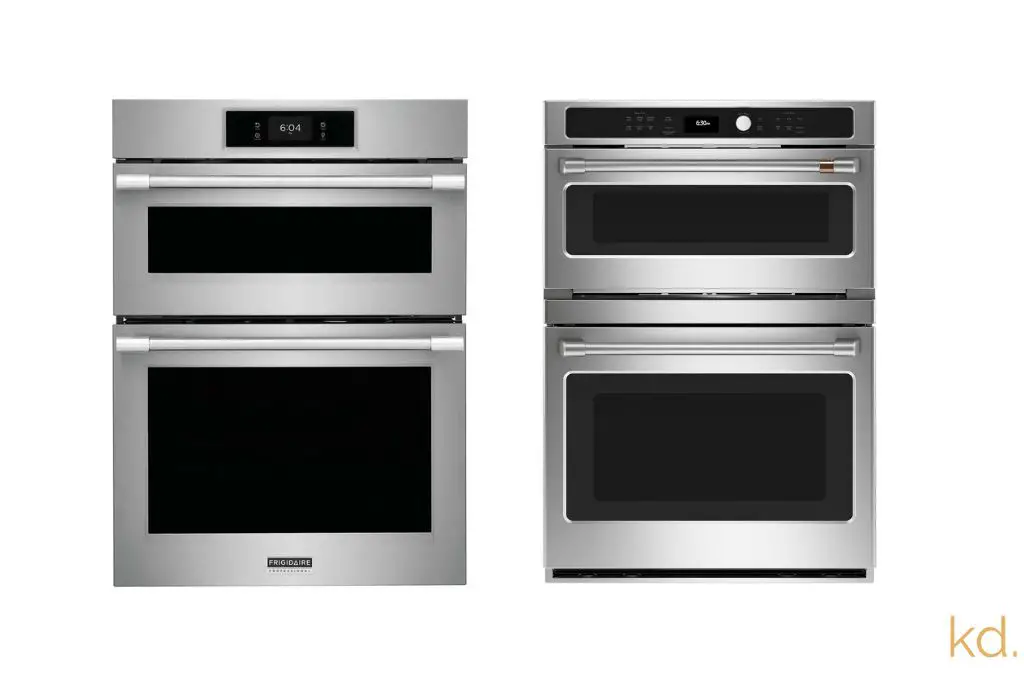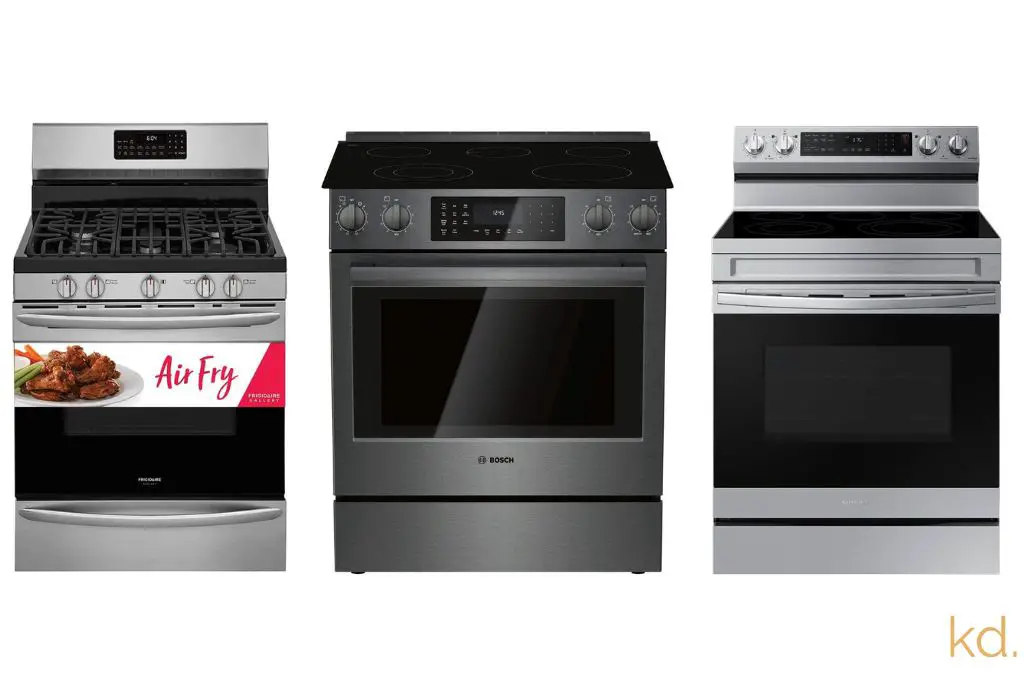
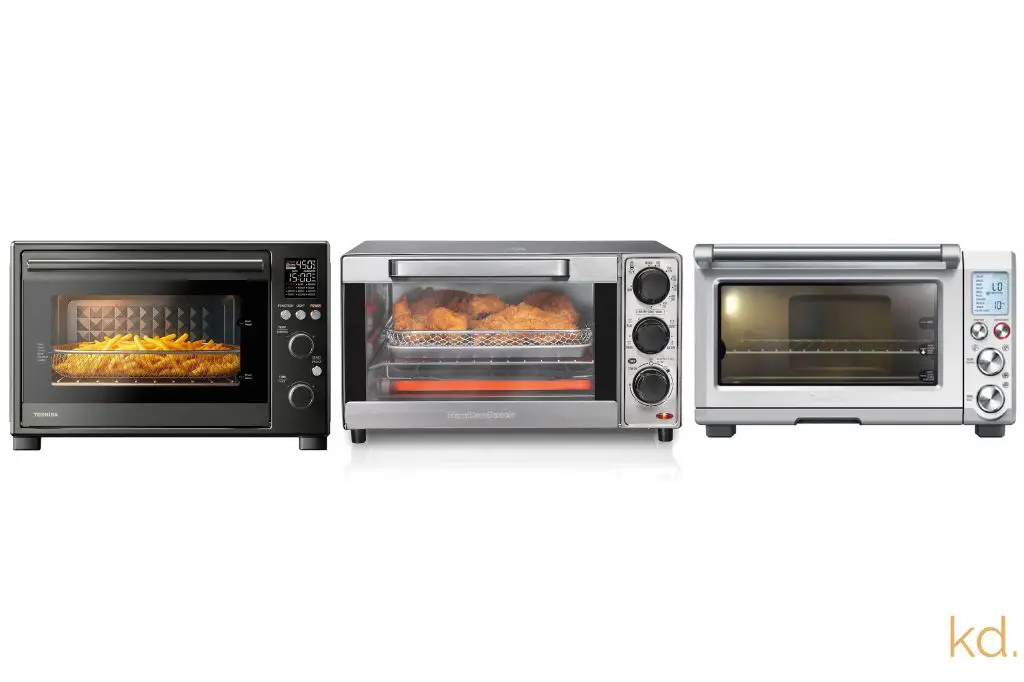
If you’ve been scrolling endlessly looking for the best mini oven to buy online, you’re in the right place. Whether you’re a college student cramped in a dorm room, a busy professional in a small apartment, or a homeowner who wants to save energy without firing up the full-size oven, a countertop oven can completely change the way you cook. These compact kitchen powerhouses are not just scaled-down versions of regular ovens — they’re smarter, faster, and in many cases more efficient than their full-sized counterparts.
Think about it: every time you want to reheat a slice of pizza, roast a handful of vegetables, bake a couple of cookies, or even toast bread, are you really going to heat up a full oven? A small oven or little oven can handle all of those tasks in a fraction of the time, using a fraction of the energy. The best mini oven models out there today even rival full-size ovens for baking and roasting quality, with convection fans, precise digital thermostats, and multi-rack cooking options that were unheard of in earlier generations of countertop appliances.
At kitchendeets.com, we’ve tested and reviewed dozens of kitchen appliances — and mini ovens consistently surprise people with how capable they’ve become.
In this guide, we break down the 10 best mini ovens available right now, covering everything from budget picks to premium countertop ovens. We’ve included detailed descriptions, honest pros and cons, a full comparison table, and a comprehensive buying guide so you can make a confident, well-informed purchase.
Quick links for Best Mini Ovens
- Breville Smart Oven Pro — Best Overall Mini Oven
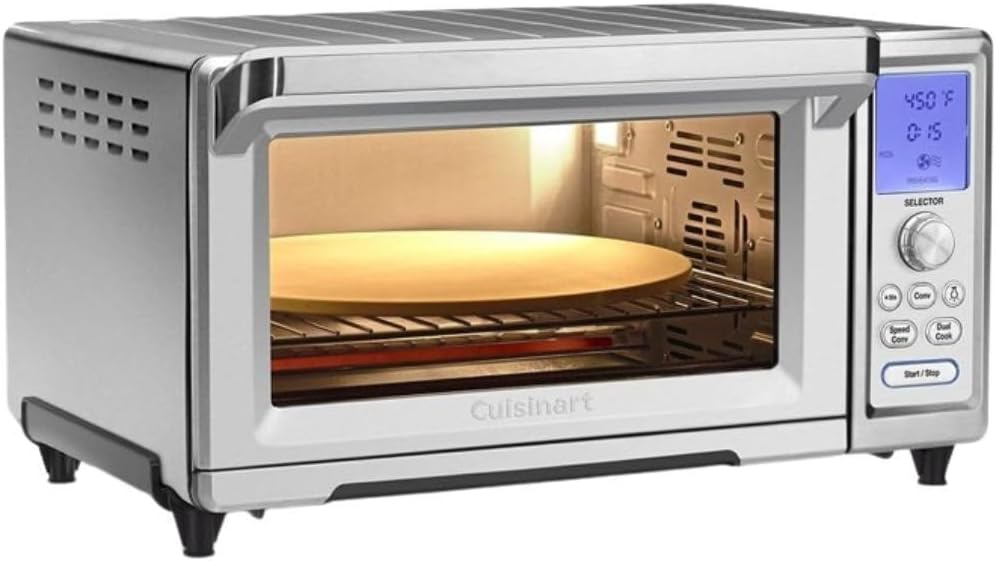
- Cuisinart Chef’s Convection Mini Oven — Best for Serious Cooking
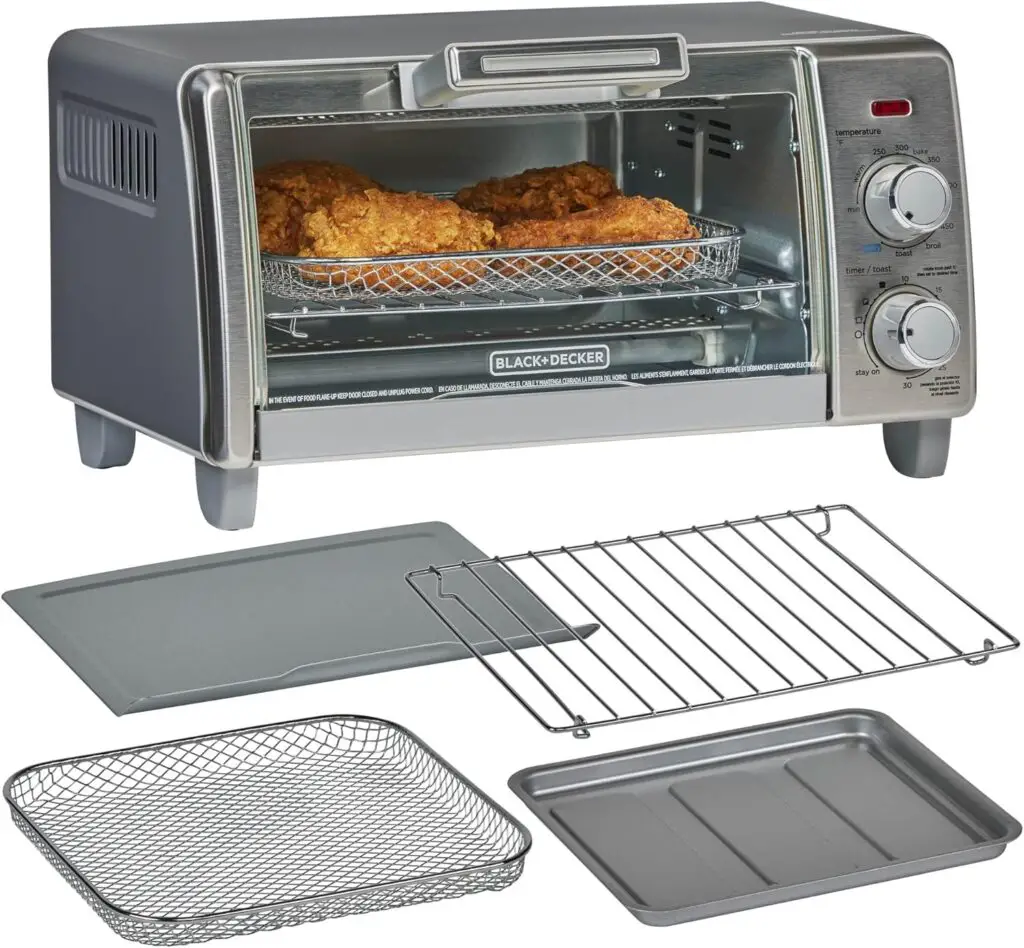
- Black+Decker Crisp ‘N Bake Air Fry Convection Oven — Best Budget Mini Oven
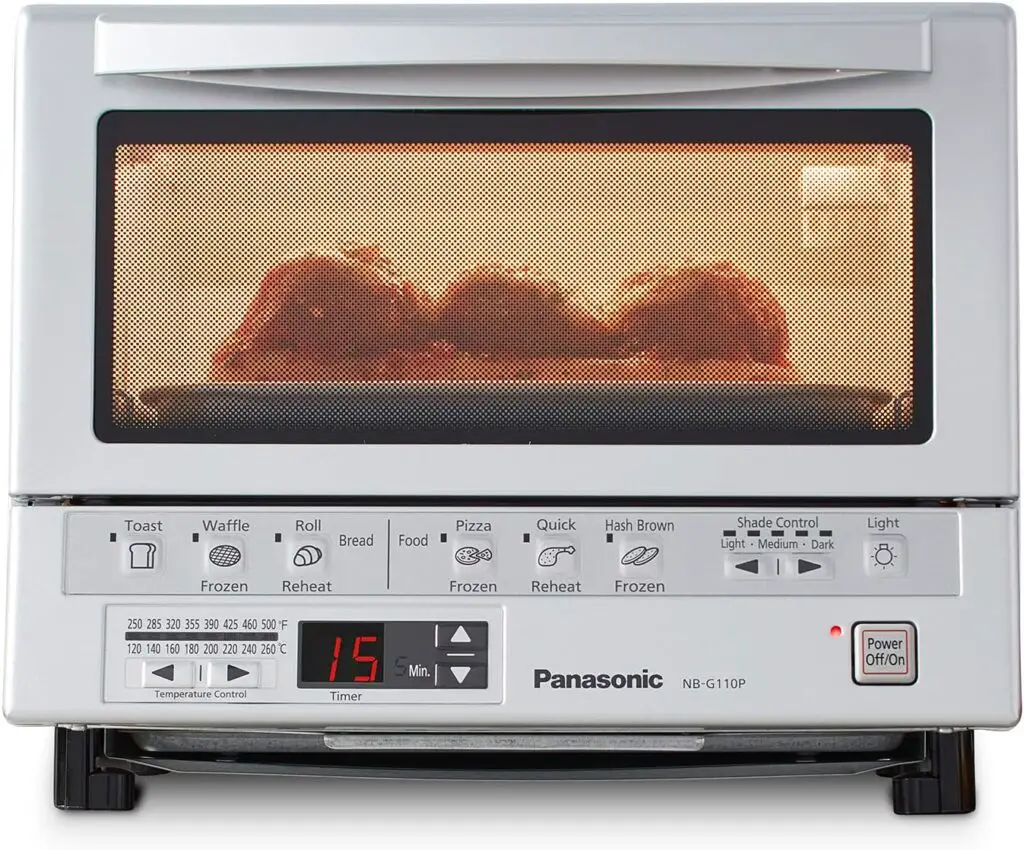
- Panasonic FlashXpress Compact Toaster Oven — Fastest Heating Mini Oven
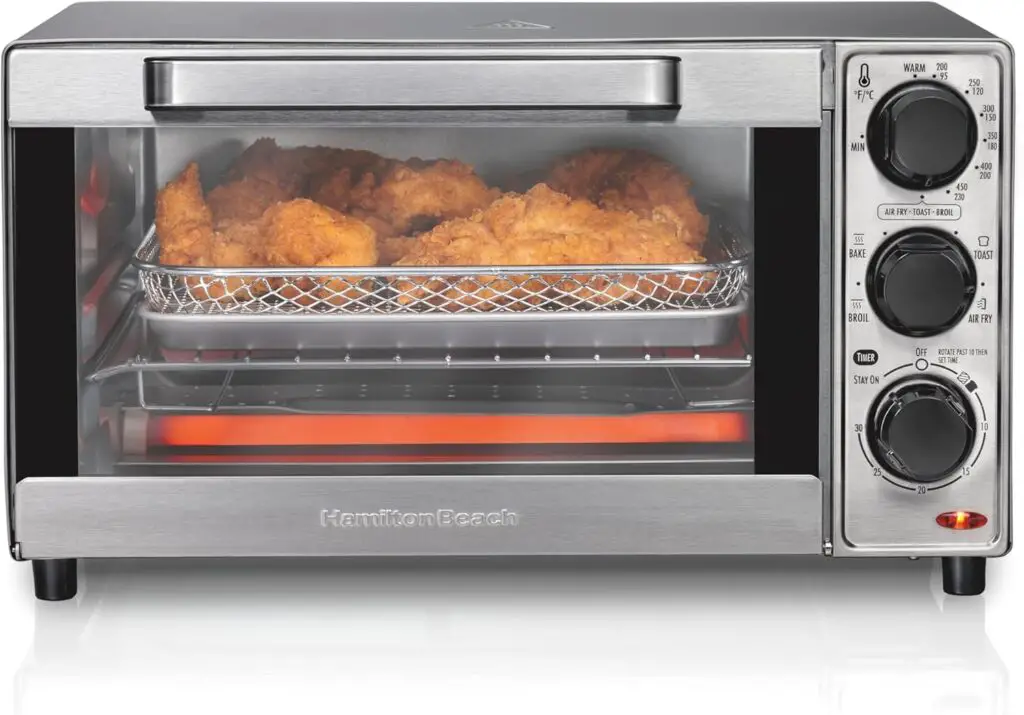
- Hamilton Beach Sure-Crisp Air Fry Toaster Oven — Best for Rotisserie
- Toshiba Digital Mini Oven — Best Value for Features
- Oster Compact Countertop Oven — Best No-Frills Mini Oven
- KitchenAid Compact Convection Oven — Best Premium Design
- Ninja Foodi Digital Air Fry Oven — Best Space-Saving Mini Oven
- Wolf Gourmet Countertop Oven — Best Luxury Mini Oven
What Exactly Is a Mini Oven?
A mini oven, also known as a countertop oven, toaster oven, or small oven, is essentially a scaled-down version of your traditional oven that sits on your kitchen counter. These compact powerhouses can handle everything from toasting bread to roasting a small chicken, making them incredibly versatile for everyday cooking needs.
According to Wikipedia, toaster ovens have evolved significantly since their introduction in the 1900s, now incorporating advanced features like convection heating, air frying capabilities, and digital controls that rival full-sized ovens.
The beauty of these little ovens lies in their efficiency. They preheat faster, use less energy, and don’t heat up your entire kitchen—perfect for those sweltering summer months when firing up the big oven feels like cruel and unusual punishment.
Top 10 Best Mini Ovens Reviewed
1. Breville Smart Oven Pro
TBest For: Home cooks who want premium performance, precise temperature control, and restaurant-quality results from a countertop oven
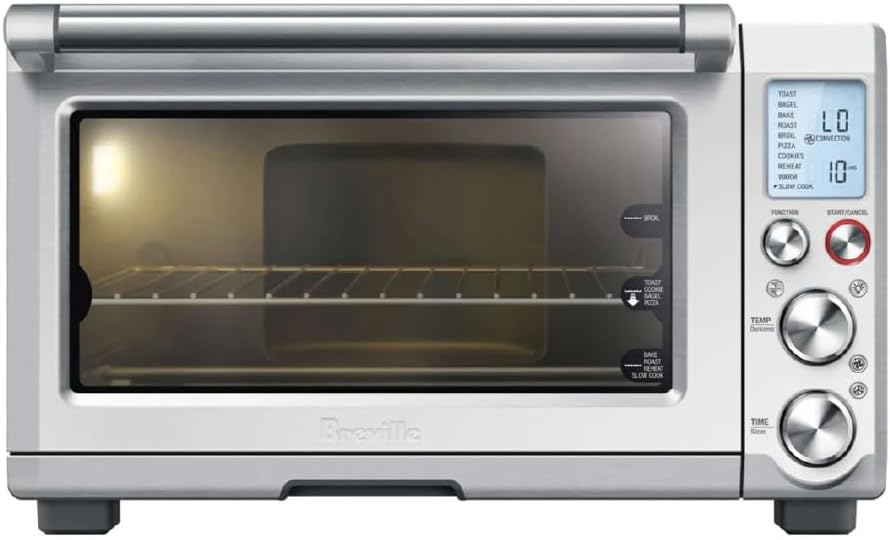
The Breville Smart Oven Pro consistently ranks at the top of every mini oven best-of list — and for very good reason. This is not just a toaster oven dressed up with fancy marketing. The Smart Oven Pro is a genuinely sophisticated countertop oven that uses Breville’s proprietary Element IQ technology to deliver precision heating across five separate quartz heating elements. What this means in practical terms is that the oven can intelligently shift the concentration of heat toward the specific function you’re using — whether you’re toasting, baking, broiling, or slow cooking — so your food is never undercooked in the middle or burnt on the outside.
One of the most impressive aspects of the Breville Smart Oven Pro is its temperature accuracy. Most budget mini ovens swing as much as 30–50°F away from the set temperature as the heating cycles on and off. The Breville holds its temperature within just a few degrees, which makes a real difference when you’re baking something that requires precision — like macarons, bread, or a delicate custard. If you’ve ever pulled a batch of cookies out of the oven only to find they’re raw in the center and overdone on the edges, you’ll immediately appreciate what accurate, consistent temperature control does for your results.
The interior of this small oven is surprisingly spacious — it fits a 13-inch pizza, six full slices of toast, or a small 4-pound chicken with room to spare. The three rack positions give you flexibility to move food closer to or farther from the heating elements depending on what you’re cooking. The interior oven light is a genuinely useful feature that lets you check on your food without releasing all the heat by opening the door, which helps maintain consistent cooking temperatures and avoids that frustrating 10-minute re-heat wait.
The convection fan option transforms this oven from a good countertop appliance into an exceptional one. When activated, the fan circulates hot air throughout the interior, reducing cooking time by up to 30% and producing more even browning on baked goods and roasted meats. The difference between baking without convection versus with convection is especially noticeable with cookies and pastries — convection results in golden bottoms, set edges, and a soft center. The 10 preset cooking functions include Toast, Bagel, Bake, Roast, Broil, Pizza, Cookies, Reheat, Warm, and Slow Cook — each optimized with a specific heating pattern.
For those who love air frying, you’ll want to check out our guide to air fryers, but know that the Smart Oven Pro also handles air-frying-adjacent tasks beautifully thanks to its convection system. If you want a dedicated air fry function, Breville does offer higher-end models with that feature built in.
✓ What We Love:
- Element IQ distributes heat intelligently across 5 quartz elements for unmatched temperature precision
- 10 fully optimized preset functions with dedicated heating profiles for each cooking task
- Fits a 13-inch pizza, 6 slices of toast, or a whole small chicken — generous interior capacity
- Interior oven light allows food monitoring without opening the door and losing heat
- Magnetic auto-eject rack slides out when door opens — a genuinely useful convenience feature
- Convection fan reduces cook times by up to 30% and produces dramatically more even browning
- Solid stainless steel construction with premium feel — built to last years of daily use
- Holds temperature within a very narrow range — ideal for precision baking
✗ Things to Consider:
- The slow cook function, while useful, works better in a dedicated slow cooker for longer cooks
- Footprint is larger than basic mini ovens — measure your counter space carefully before purchasing
- Takes time to learn and make use of all 10 cooking functions effectively
- Higher price point than most countertop ovens — but the quality justifies the investment
2. Cuisinart Chef’s Convection Mini Oven
Best For: Multi-tasking home chefs who need a high-capacity countertop oven with true convection and maximum cooking flexibility
Cuisinart is one of the most trusted names in kitchen appliances, and the Chef’s Convection Mini Oven is the brand’s flagship mini oven — and it shows. With 15 distinct cooking functions, true convection technology powered by a rear-mounted interior fan, and a spacious interior that comfortably fits a 13-inch pizza or a 9×13 baking dish, this is a countertop oven designed to be used as a primary cooking appliance, not just a convenience backup.
What makes the Cuisinart stand out from many of its competitors is the Dual Cook function. This clever feature allows you to program two different cooking methods to run sequentially in a single session — for example, you might set it to bake a chicken breast at 375°F for 25 minutes and then automatically switch to broil for 5 minutes to crisp up the skin. This kind of programmatic cooking flexibility is typically only found in much more expensive appliances, which makes it genuinely impressive at this price point. For people who meal prep regularly, the Dual Cook feature alone can cut your active cooking time in half.
The convection system in this countertop oven deserves special attention. Unlike some cheaper models that simply label basic airflow as ‘convection,’ Cuisinart’s design pushes air directly over the heating elements and then distributes it evenly throughout the chamber. The result is browning and crisping that’s genuinely comparable to what you’d expect from a full-sized convection oven — golden-brown roasted vegetables, evenly risen cakes, and perfectly cooked casseroles with a slightly caramelized top layer.
The interior is equipped with a non-stick coating that makes cleaning noticeably easier than bare stainless steel interiors — crumbs and splatters wipe away with minimal effort. The removable drip tray is generously sized and easy to slide in and out. One minor note: the extra-large capacity of this oven does translate to a larger footprint on your counter. If you’re tight on space, make sure to measure before ordering. For help choosing the right oven for your cooking needs, our guide to choosing an oven has a thorough breakdown of what to look for.
✓ What We Love:
- 15 cooking functions — the most comprehensive range in this price category for a mini oven
- Dual Cook feature lets you program two cooking methods back to back automatically
- True convection delivers genuinely even browning comparable to full-sized ovens
- Always Even toast shade control uses real-time sensor monitoring for perfectly consistent toast
- Non-stick interior is dramatically easier to clean than bare metal alternatives
- Large digital display is clear, readable, and well-organized for easy navigation
- Fits a 9×13 baking dish — the largest interior capacity of any model in this review
✗ Things to Consider:
- Heavier than most models in this category, which matters if you plan to move it frequently
- The glass door can get uncomfortably hot during extended cooking sessions — use caution
- With 15 functions, the learning curve is real — expect some trial and error initially
3. Black+Decker Crisp ‘N Bake Air Fry Toaster Compact Oven
Best For: Budget-conscious buyers who want air frying and baking in one small oven without spending a lot
Not everyone wants to spend a premium on a mini oven, and that’s completely reasonable — especially if your cooking needs are relatively straightforward. The Black+Decker Crisp ‘N Bake Air Fry Toaster Oven proves that you don’t need to spend a fortune to get genuinely useful air frying and baking capabilities in a small oven format. This is one of the most accessible and approachable countertop ovens on the market, and it does exactly what it promises without confusion or overcomplicated features.
The air fry function is the star of the show here. Black+Decker has integrated a high-circulation convection system that generates the same rapid hot-air crisping you’d find in a dedicated air fryer. Frozen french fries come out crispy on the outside and fluffy inside. Chicken wings develop genuinely browned skin without sitting in a pool of oil. Reheated pizza regains its original texture rather than going soggy the way it does in a microwave. If you currently use a microwave for most of your reheating and want to upgrade to better results, this is an excellent entry point.
The removable crumb tray is easy to slide out and clean, and the simple interior design means you can wipe it down in under a minute. The baking rack and air fry basket are both included in the box, so you’re ready to cook right out of the packaging. For detailed guidance on getting the most out of an air fryer, our how to use an air fryer guide covers everything from temperature settings to cooking times for common foods.
✓ What We Love:
- Outstanding value — delivers genuine air frying and baking at a budget-friendly price
- Compact footprint makes it the right fit for small apartments, dorms, and cramped kitchens
- Analog dial controls are intuitive and require zero learning curve
- Air fry function produces noticeably crispier results than microwave reheating
- Comes with baking rack and air fry basket — ready to use immediately out of the box
- Crumb tray and interior are among the easiest to clean in this review
✗ Things to Consider:
- Limited to 4 core cooking functions — no slow cook, dehydrate, or specialty modes
- 4-slice capacity is limiting for families or anyone cooking larger meals
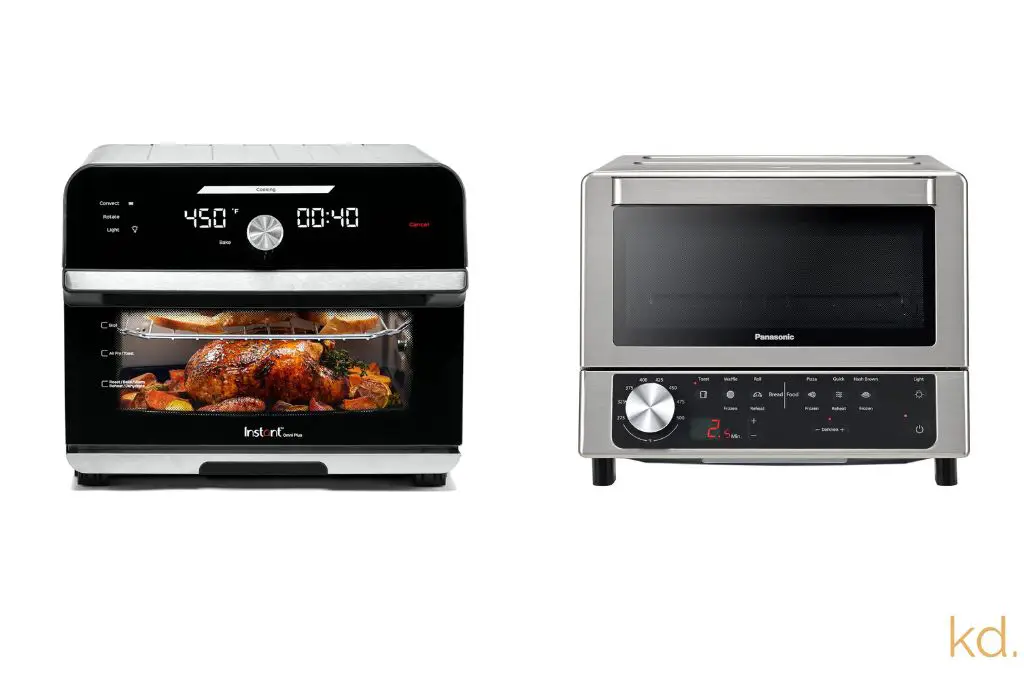
4. Panasonic FlashXpress Compact Mini Oven
Best For: Speed-focused users who want the fastest, most efficient mini oven for everyday toasting, reheating, and quick cooking tasks
Speed is the defining characteristic of the Panasonic FlashXpress, and it delivers on that promise in a way that genuinely sets it apart from every other mini oven in this review. Most countertop ovens require a 3–5 minute preheat before you can start cooking. The FlashXpress uses a double infrared heating system — one near-infrared and one far-infrared heating tube — that reaches cooking temperature almost instantly, with no preheat required for most everyday tasks. You put your food in, press a button, and it starts cooking within seconds.
Despite its small footprint, the FlashXpress has surprisingly thoughtful design details. The double-pane glass door keeps the exterior cooler to the touch than single-pane alternatives, which reduces burn risk — important if you have children in the household. The digital controls include 6 preset functions with dedicated buttons, a timer display, and clear temperature indicators. The automatic shutoff timer is accurate and reliable, eliminating the risk of accidentally leaving the oven on. The removable crumb tray pulls out from the bottom for quick cleanup.
One consideration with the FlashXpress is its interior size — at a maximum of 4 slices of toast or a small 9-inch pizza, this is a genuinely compact countertop oven that prioritizes speed and efficiency over capacity. If you’re cooking for two or more people regularly, you’ll likely find the interior space limiting. But for single-person households, students, or anyone who wants a quick-cooking secondary oven, this is arguably the best small oven on the market for its specific purpose. Also consider pairing it with a high-quality cookware setup — our best nonstick cookware guide can help you find the right complementary tools.
✓ What We Love:
- Double infrared heating system means virtually no preheat time required — fastest in class
- Extremely compact footprint — one of the smallest full-featured mini ovens available
- Double-pane glass door stays cooler than single-pane alternatives — safer around children
- 6 preset digital functions with dedicated buttons for one-touch ease of use
- Reliable auto shutoff timer eliminates the risk of accidentally leaving the oven on
- Infrared heating is highly energy-efficient — uses less power per minute than resistive elements
✗ Things to Consider:
- Not ideal for long slow-cooking tasks — the infrared system is designed for quick, high-intensity cooking.
- Maximum 4-slice interior capacity — not suitable for family-sized cooking tasks
- Fewer cooking functions than competing models — primarily optimized for speed
5. Hamilton Beach Sure-Crisp Air Fry Toaster Oven
Best For: Home cooks who want rotisserie capability in a mini oven, plus air frying, without paying premium brand prices
Rotisserie cooking is one of the most underrated methods for home cooks — the slow, continuous rotation of meat on a spit allows fat to baste the exterior continuously as it renders out, producing juicy, evenly cooked meat with a beautifully browned, crispy skin. Most people assume you need a large oven or a dedicated rotisserie machine to achieve this at home. The Hamilton Beach Sure-Crisp proves that wrong by packing a fully functional rotisserie system into a mini oven that fits comfortably on most kitchen counters.
The rotisserie spit accommodates a whole chicken up to approximately 4 pounds, which is impressive for a countertop oven in this price range. The rotating spit mechanism runs quietly and smoothly, and the result — after about 60–75 minutes for a standard chicken — is genuinely excellent. The skin comes out golden brown and crispy all the way around, while the meat stays moist throughout thanks to the continuous self-basting effect of the rotation. It’s the kind of result that would normally require a dedicated rotisserie appliance or a full-size oven with a rotisserie attachment.
The roll-top door design is a distinctive feature that takes a little getting used to but is genuinely practical — rather than swinging outward, the door rolls up and out of the way, which means you don’t need any clearance space in front of the oven to open it. In a small kitchen where counter space comes at a premium, this design choice is thoughtful and practical. The auto shutoff function adds a useful safety layer, and the easy-view window lets you monitor cooking progress without opening the door. For those interested in comparing this to Ninja’s popular models, see our Ninja air fryer review.
✓ What We Love:
- Full rotisserie function fits a whole 4-pound chicken — rare feature at this price point
- Roll-top door design eliminates the need for clearance space in front of the oven
- Air fry function delivers genuinely crispy results comparable to dedicated air fryers
- Auto shutoff provides reliable safety coverage for unattended cooking
- Generously sized air fry basket circulates air under and around food for even crisping
- Excellent value relative to what you get — rotisserie + air fry + bake + broil in one unit
✗ Things to Consider:
- Fan noise during convection mode is noticeable in quiet kitchens
- Roll-top door mechanism requires a short adjustment period — not immediately intuitive
6. Toshiba Digital Mini Oven
Best For: Value-seeking buyers who want a feature-rich digital countertop oven with a clean interface at a mid-range price
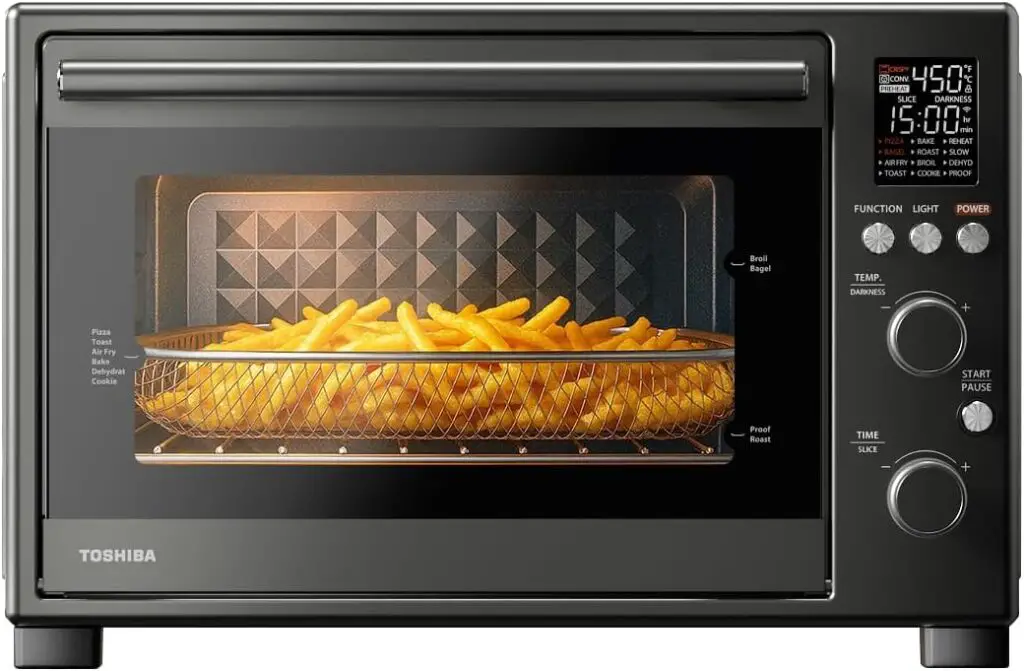
Toshiba has quietly become one of the most impressive value brands in the mini oven category. The Toshiba Digital Mini Oven offers a compelling combination of a bright, easy-to-read digital display, 10 preset cooking menus, convection baking, and a thoughtfully designed interior — all at a price that makes it one of the best value-for-money picks in this review. This is the countertop oven to buy if you want a significant step up from basic analog models but don’t want to pay premium prices.
The 10 preset menus are well-calibrated and cover the cooking tasks most people perform daily: toast, bagel, bake, broil, pizza, cookies, reheat, warm, air bake, and keep warm. Each preset automatically sets an optimized combination of temperature, heating element configuration, and timer, taking the guesswork out of common cooking tasks. The digital interface is clean and organized — each preset is labeled clearly, and the temperature and time can be manually adjusted from any preset starting point if you want more control.
The convection fan in this small oven is active during both the Air Bake and Bake presets, and it makes a noticeable difference in cooking outcomes. Cookies baked on convection come out evenly golden on the bottom without hot spots in the corners. Frozen pizzas develop crispy crusts that approximate what a proper pizza oven produces. Roasted vegetables caramelize evenly across the pan rather than steaming in their own moisture the way they do in underpowered ovens. The convection system isn’t quite as powerful as the premium models in this review, but for everyday home cooking, it’s more than capable.
The three adjustable rack positions allow you to customize the distance between food and the heating elements based on what you’re cooking. Check out our dedicated mini oven guide for more comparisons in this category.
✓ What We Love:
- 10 well-calibrated preset menus cover virtually every everyday cooking task
- Bright digital display is easy to read and navigate — one of the clearest interfaces in this category
- Double-layer tempered glass door stays cool to the touch and provides great visibility
- Three adjustable rack positions offer cooking flexibility
- Convection fan produces noticeably more even results than non-convection mini ovens
- 6-slice capacity with large interior fits a 12-inch pizza comfortably
✗ Things to Consider:
- Fan noise is audible during convection mode, though not louder than comparable models
- End-of-cook beeping is quite loud — not ideal for quiet households or early-morning cooking
- Instruction manual is not as clear as it could be — expect to experiment before getting optimal results
7. Oster Compact Countertop Oven
Best For: Anyone who wants a straightforward, dependable mini oven for daily toasting and basic baking without complexity
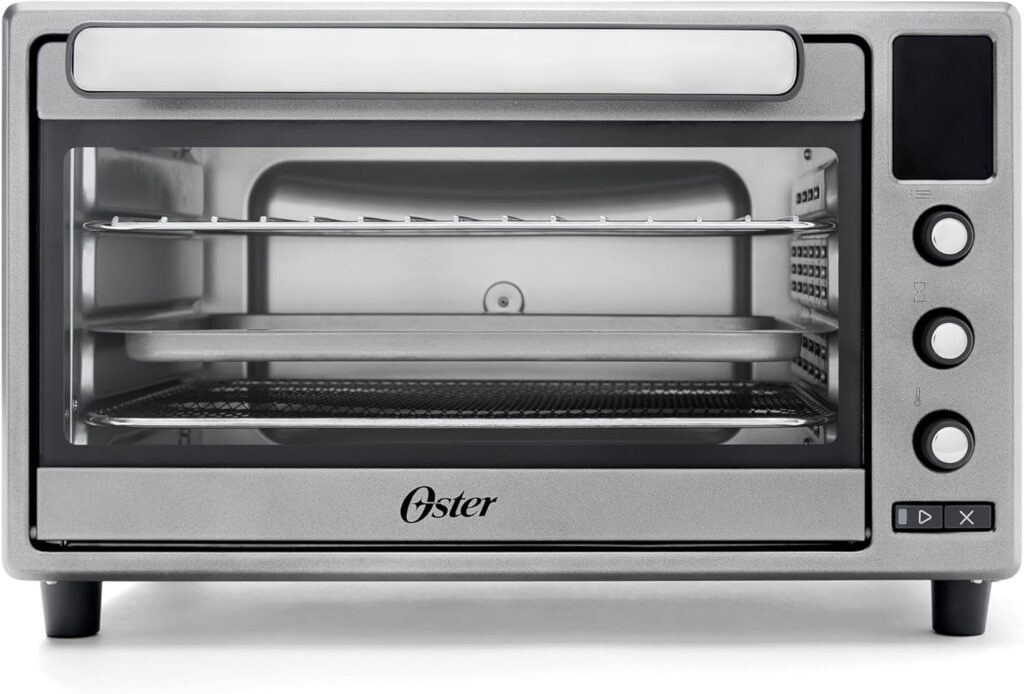
Not every mini oven needs to do fifteen things. Sometimes, you just want a reliable small oven that toasts bread, reheats leftovers, and bakes frozen snacks without fuss, confusion, or a steep learning curve. The Oster Compact Countertop Oven is that oven. It doesn’t have a digital display, it doesn’t have ten presets, and it doesn’t fold up or flip around. What it does have is consistent, reliable heating, simple analog dial controls that anyone can operate immediately, and a price point that makes it accessible for virtually any budget.
The three core functions — bake, broil, and toast — cover the cooking scenarios that make up the vast majority of countertop oven use for most households. The turbo convection setting adds a fourth effective mode that circulates heat for faster, more even cooking. The 90-minute mechanical timer is large, easy to read, and audible when it finishes — no digital interface required. The temperature dial covers the full range from 150°F to 450°F, which is sufficient for everything from keeping food warm to achieving proper pizza crust crispiness.
The Oster works particularly well as a secondary oven in a full-sized kitchen — it’s ideal for toasting bread while the main oven is being used for something else, or for keeping dinner warm while you’re finishing a sauce on the stovetop. It also works well as a dedicated reheating appliance to replace microwave reheating for foods that benefit from dry heat — like leftover pizza, roasted vegetables, or fried foods that go soggy in the microwave. For more on the broader range of oven options available, our oven brands review covers the full landscape of leading manufacturers.
✓ What We Love:
- Zero learning curve — analog controls are immediately intuitive for anyone to use
- Very compact footprint makes it ideal for small kitchens, dorms, and RV cooking
- Turbo convection adds meaningful heat circulation without the complexity of digital convection modes
- Reliable and consistent heating — performs the same every time with no digital glitches
- Exceptionally budget-friendly — the most affordable fully functional mini oven in this review
- Easy to clean with accessible interior and slide-out crumb tray
✗ Things to Consider:
- Short power cord can limit placement options depending on your kitchen layout
- Only 3 core cooking functions — not suitable for those who need specialty cooking modes
8. KitchenAid Compact Convection Oven
Best For: Design-conscious buyers who want a mini oven that looks as premium as it performs and integrates aesthetically into a high-end kitchen
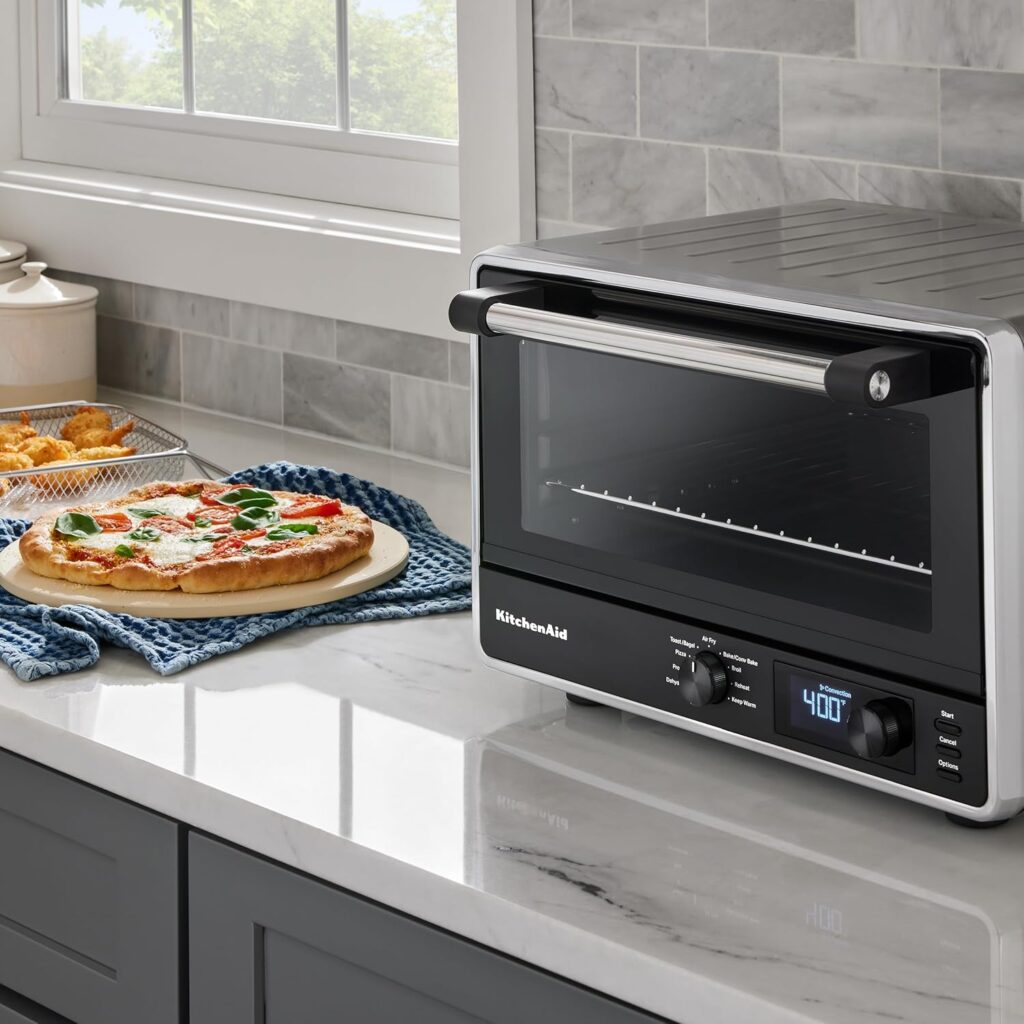
KitchenAid has always understood that kitchen appliances aren’t just functional tools — they’re part of the visual environment of a kitchen. The KitchenAid Compact Convection Oven is one of the few countertop ovens that actually looks at home next to high-end stand mixers, coffee stations, and premium cookware. The brushed stainless steel exterior is impeccably finished, the knobs and controls have a tactile quality that feels genuinely premium, and the proportions are elegant rather than boxy. If aesthetics matter to you in your kitchen, the KitchenAid stands above all other models in this review.
But this mini oven isn’t just a pretty face. The Even-Heat True Convection system is one of the most effective heating systems in any countertop oven we’ve tested. Unlike standard convection that simply fans existing heat around, KitchenAid’s Even-Heat system includes a dedicated third heating element surrounding the convection fan. This means the fan is actively circulating air that has just been heated by a dedicated element, not just pushing around ambient heat. The practical result is significantly more even temperature distribution throughout the interior and noticeably better browning consistency on baked goods.
The nine cooking functions — bake, convection bake, broil, toast, bagel, keep warm, reheat, cookies, and pizza — are accessed through a well-organized digital control panel with a crisp LCD display. The interface is designed for ease of use: temperature and time adjustments are made through a single dial rather than up/down arrows, which feels natural and intuitive. The ceramic-coated broil pan included in the box is a thoughtful inclusion that improves on the standard wire rack for broiling and roasting — food doesn’t stick, and cleanup is straightforward.
For those investing in a premium kitchen setup, the KitchenAid Compact Convection Oven pairs beautifully with high-quality cookware. Our all-clad cookware review and best stainless steel cookware guide offer excellent suggestions for building a cohesive, high-performance kitchen setup around this oven.
✓ What We Love:
- Premium brushed stainless steel design integrates beautifully into high-end kitchen environments
- Even-Heat True Convection with dedicated third element produces superior browning consistency
- Ceramic-coated broil pan reduces sticking and makes cleanup noticeably easier
- Intuitive single-dial interface for temperature and time — more natural than button-based controls
- 9 well-optimized cooking functions with presets calibrated for real-world cooking tasks
- LCD display is clear, well-organized, and easier to read than many competing models
✗ Things to Consider:
- Some users have reported occasional hot spots despite the convection system — test and rotate for baking
- Premium price point is the highest of the non-luxury models in this review — you’re paying for quality and aesthetics
- Heavier build means this is not the oven to move around frequently
9. Ninja Foodi Digital Air Fry Small Oven
Best For: Space-constrained kitchens where a full-featured countertop oven with air frying is needed but counter footprint must be minimized
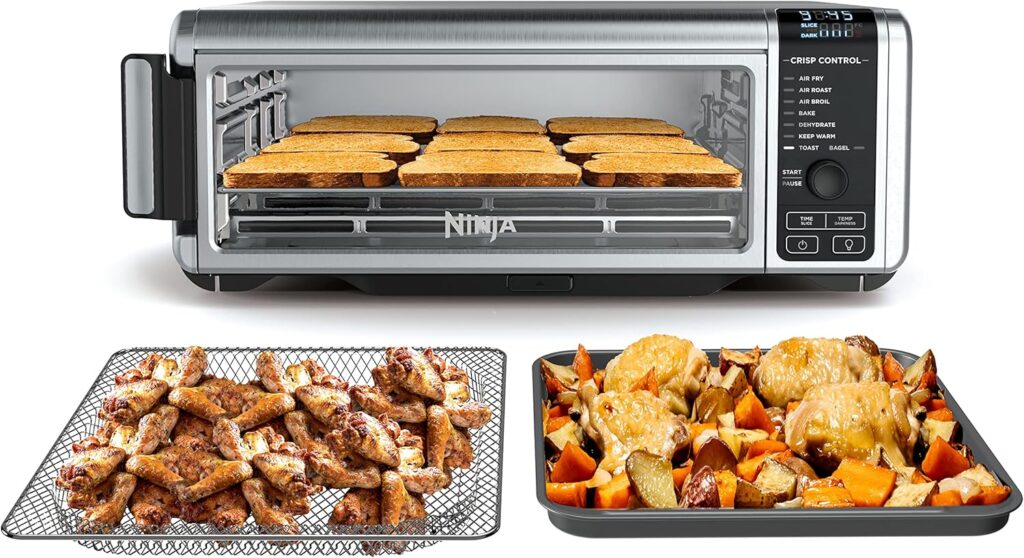
Ninja has built a well-deserved reputation for engineering smart solutions to real kitchen problems, and the Foodi Digital Air Fry Oven represents one of their most creative designs. The defining feature is its unique flip-up storage design — when the oven is not in use, it folds up vertically against your backsplash, occupying roughly the same footprint as a thick book standing on its spine. When you’re ready to cook, you simply flip it down, and the full oven is instantly accessible. For small kitchens, apartment cooking spaces, or anyone who hates having large appliances permanently dominating their counter, this design is genuinely transformative.
But the storage innovation would be meaningless if the oven itself didn’t perform, and the Ninja Foodi absolutely delivers on cooking quality. The True Surround Convection system uses a high-powered fan to distribute heat throughout the large interior cavity (fits 8 slices of toast, a 13-inch pizza, or a full sheet pan), producing the kind of even, efficient cooking that Ninja is known for. The air fry function is particularly impressive — it uses Ninja’s Digital Crisp Control Technology to manage temperature and fan speed independently, producing genuinely crispy results without the large amounts of oil traditionally required for frying. Frozen foods come out with noticeably better texture than any microwave can achieve, and fresh vegetables develop beautiful caramelization.
The eight cooking functions — air fry, air roast, air broil, bake, bagel, toast, dehydrate, and keep warm — are controlled through a digital panel with a large, easy-to-read display. The dehydrate function is a notable inclusion at this price point — it operates at low temperatures for extended periods, perfect for making homemade beef jerky, dried fruit, vegetable chips, and herb drying. The included full-width sheet pan and air fry basket are high quality and included in the box. Our dedicated Ninja air fryer review covers the broader Ninja air fry lineup if you want a more detailed look at the brand’s ecosystem.
Also worth noting: the fan runs at a volume that some users find noticeable in quiet kitchens during air fry mode. This is common to high-powered convection systems and not a defect. See also our air fryer oven combo review for related product comparisons.
✓ What We Love:
- Flip-up storage design dramatically reduces counter footprint when not in use
- Extra-large capacity despite small deployed footprint — fits a full sheet pan or 13-inch pizza
- Digital Crisp Control Technology produces genuinely crispy air fry results
- Dehydrate function is a rare and valuable addition at this price point
- 8 versatile cooking functions cover an impressive range of everyday cooking tasks
- Included sheet pan and air fry basket are high quality — ready to cook immediately
✗ Things to Consider:
- Digital interface takes some initial exploration to learn all 8 functions effectively
- Higher energy consumption than simpler models due to the powerful convection system
10. Wolf Gourmet Countertop Oven
Best For: Serious home chefs and luxury kitchen enthusiasts who demand professional-grade performance and exceptional build quality in a mini oven
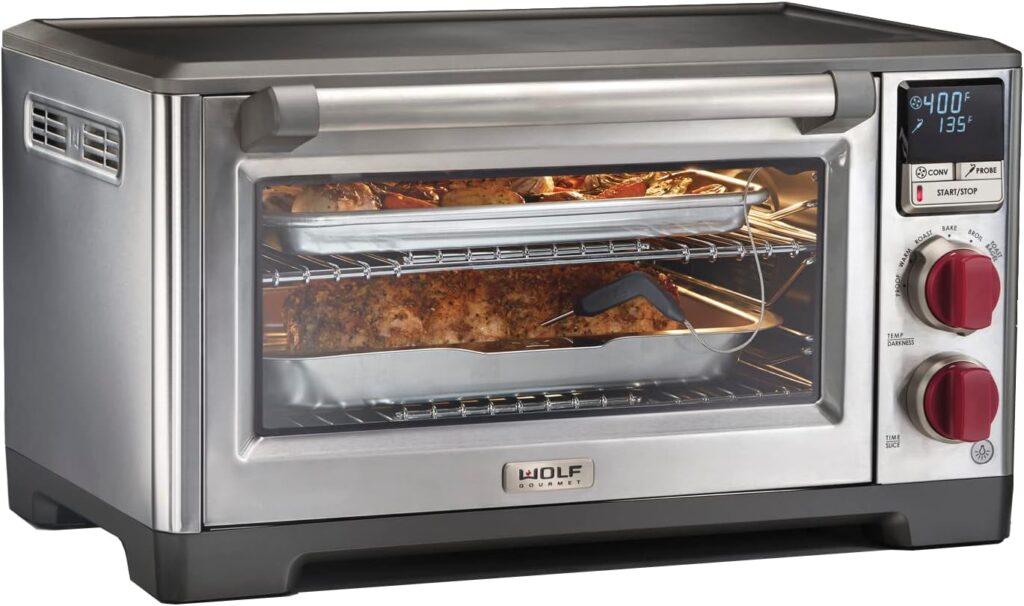
The Wolf Gourmet Countertop Oven exists in a different category from every other product in this review. Wolf is a professional kitchen appliance brand best known for its restaurant-grade ranges and built-in ovens, and the Wolf Gourmet brings that professional DNA into a countertop format without compromise. If you’ve ever wondered what cooking in a restaurant-quality oven feels like at home, this is as close as a mini oven gets to answering that question.
The most technically impressive feature is the dual convection fan system. While most high-end countertop ovens use a single convection fan, the Wolf Gourmet uses two separate fans that work in concert to create a completely uniform temperature distribution throughout the entire interior. This eliminates the hot spots and uneven browning that are common even in premium single-fan convection ovens. The practical result is that you can cook on multiple racks simultaneously with genuinely consistent results — something that’s extremely difficult to achieve with standard convection systems.
The Gourmet-Guided Cooking feature is a genuinely innovative approach to simplifying complex cooking tasks. By selecting specific food types from the control panel — such as poultry, fish, beef, bread, or pastry — the oven automatically selects the optimal combination of cooking mode, temperature, and time based on Wolf’s culinary database. This guided cooking approach removes the need to guess at temperatures and times for less-familiar recipes, making it as accessible for less experienced cooks as it is useful for experienced ones who want to save time.
The construction of this countertop oven is exceptional in every detail. The stainless steel exterior is thick, solid, and built to last decades rather than years. The door seal is tight and effective, maintaining interior temperature consistency more efficiently than thinner-sealed alternatives. The interior is stainless steel with a bright oven light, and the included accessories — including a heavy-duty baking stone — reflect the professional orientation of the brand. The 5-year warranty is the longest of any model in this review and reflects Wolf’s confidence in the long-term durability of their product. For those exploring premium kitchen investments, our best Italian cookware brands guide and most expensive cookware review are excellent companion reads.
✓ What We Love:
- Dual convection fan system completely eliminates hot spots — unmatched temperature uniformity
- Gourmet-Guided Cooking automatically selects optimal settings for specific food types
- Professional-grade stainless steel construction built to last decades with daily use
- 5-year warranty — the longest and most comprehensive warranty in this review by far
- 10 cooking modes with precision digital controls offer exceptional cooking flexibility
- Tight door seal and excellent insulation maintain temperature consistency better than any competitor
✗ Things to Consider:
- Luxury price point — the most expensive product in this review, reflecting professional-grade quality
- Largest counter footprint of any model reviewed — requires dedicated, permanent counter space
- Significantly more capability than most home cooks will ever need — overkill for basic daily tasks
Mini Oven Comparison Table
| Model | Capacity | Cooking Functions | Convection | Special Features | Dimensions (approx.) |
|---|---|---|---|---|---|
| Breville Smart Oven Pro | 6 slices | 10 | Yes | Element IQ, LCD display | 18.5″ x 16″ x 11″ |
| Cuisinart Chef’s Convection | 6 slices | 15 | Yes | Dual cook mode, toast shade control | 19.5″ x 16″ x 9.8″ |
| Black+Decker Crisp ‘N Bake | 4 slices | 4 | Natural | Air fry technology | 16.5″ x 13″ x 9.5″ |
| Panasonic FlashXpress | 4 slices | 6 | No | Infrared heating, no preheat | 13″ x 10.25″ x 10.75″ |
| Hamilton Beach Sure-Crisp | 6 slices | 5 | Yes | Rotisserie, roll-top door | 18.3″ x 15.4″ x 10.8″ |
| Toshiba Digital | 6 slices | 10 | Yes | Preset menus, double-layer glass | 18.98″ x 15.59″ x 10.78″ |
| Oster Compact | 4 slices | 3 | Yes | Turbo convection | 15.5″ x 13″ x 8.75″ |
| KitchenAid Compact | 6 slices | 9 | Yes | Even-Heat technology | 18.11″ x 16.1″ x 10.2″ |
| Ninja Foodi Digital | 8 slices | 8 | Yes | Flip-up design, digital crisp control | 19.7″ x 15.1″ x 7.5″ |
| Wolf Gourmet | 6 slices | 10 | Dual fans | Gourmet-guided cooking | 20.5″ x 16.75″ x 11.12″ |
Complete Buying Guide: How to Choose Your Perfect Mini Oven
Size and Capacity Considerations
Let’s get real about size. That “compact” oven you’re eyeing might not be so compact once it’s hogging your counter space.
Measure your available space before falling in love with any model. Consider both the footprint and the clearance needed above and around the unit for proper ventilation. Most manufacturers recommend at least 4 inches of clearance on all sides.
Interior capacity matters more than exterior size. A 6-slice capacity means you can fit a 12-inch pizza or a small casserole dish. If you’re cooking for one or two, a 4-slice model might suffice. Families should aim for 6-slice capacity or larger.
Don’t forget about rack positions. Multiple rack positions give you flexibility for different cooking tasks. Want to broil that cheese perfectly golden? Top rack. Baking cookies? Middle rack for even browning.
Power and Heating Technology
Wattage isn’t everything, but it matters. Most mini ovens range from 1200 to 1800 watts.
Higher wattage generally means:
- Faster preheating
- More consistent temperatures
- Better browning and crisping
- Higher energy consumption
Convection vs. conventional heating is a big decision. Convection ovens use a fan to circulate hot air, resulting in:
- 25% faster cooking times
- More even browning
- Crispier results
- Ability to cook at lower temperatures
Some premium models offer dual convection with two fans, eliminating hot spots entirely. If you’re serious about baking or want oven-quality results, convection is worth the upgrade.
Essential Features to Look For
Temperature range varies significantly. Budget models typically max out at 450°F, while premium units reach 500°F or higher. If you love pizza or want authentic bread crusts, higher temperatures are crucial.
Timer functionality seems basic, but details matter. Look for:
- Auto shutoff for safety
- Stay-on option for slow cooking
- Clear end-of-cooking signals
- Holdover time display
Controls come in three flavors: analog dials, push-button, and digital touchscreen. Each has pros and cons:
Analog dials are intuitive and nearly indestructible but lack precision.
Push-button controls offer more accuracy without the complexity of touchscreens.
Digital touchscreens provide the most features and precision but can fail over time and intimidate some users.
Cooking Functions and Versatility
Modern mini ovens are Swiss Army knives of cooking appliances. Common functions include:
Toast – The original purpose, still important. Look for even browning across all slots.
Bake – Standard oven functionality. Check if it maintains consistent temperatures.
Broil – High heat from above for melting cheese and finishing dishes.
Convection bake – Fan-assisted for faster, more even cooking.
Air fry – The trendy function that uses convection to mimic deep frying. Some models excel at this; others just slap the label on basic convection.
Dehydrate – Low heat for making jerky, dried fruits, and herbs.
Slow cook – Extended low-temperature cooking for stews and roasts.
Warm – Keeps food at serving temperature without overcooking.
Rotisserie – Rotating spit for evenly cooked meats.
Pizza – Specialized high-heat mode for crispy crusts.
Don’t get dazzled by feature count. Focus on the functions you’ll actually use. If you never make jerky, a dehydrate function is just marketing fluff.
Build Quality and Materials
A mini oven is an investment that should last years, not months.
Interior construction matters enormously. Look for:
- Stainless steel interiors (easier to clean, more durable)
- Non-stick coating (convenient but can degrade over time)
- Removable crumb tray (essential for cleaning)
- Durable wire racks (should feel sturdy, not flimsy)
Exterior materials affect both durability and aesthetics:
- Stainless steel resists scratches and looks professional
- Powder-coated metal is durable and affordable
- Plastic components should be heat-resistant and minimal
Door design is often overlooked but crucial. Consider:
- Double-pane glass (stays cooler to touch, more energy-efficient)
- Drop-down vs. slide-out vs. roll-top (each has space implications)
- Door handle comfort and sturdiness
- Visibility through the window
Component quality reveals itself in the details. Check:
- Heft and sturdiness when empty
- Quality of knobs and buttons
- Smoothness of door operation
- Accessory quality (pans, racks, trays)
Safety Features
Your mini oven will get hot—really hot. Safety shouldn’t be an afterthought.
Essential safety features:
- Auto shutoff prevents fires and energy waste
- Cool-touch exterior or handles reduce burn risk
- Interior light lets you check food without opening the door
- Overheat protection automatically stops heating if temperatures exceed safe limits
- Stable feet prevent tipping
Certifications matter. Look for UL (Underwriters Laboratories) or ETL (Intertek) certification, which means the oven has been tested for safety.
Energy Efficiency
Mini ovens are inherently more energy-efficient than full-sized ovens, but some models are better than others.
Why mini ovens save energy:
- Smaller space to heat
- Faster preheating
- Less heat loss
- More appropriate size for small meals
A mini oven uses approximately 50% less energy than a conventional oven for the same task. Over a year, that adds up to meaningful savings on your electric bill.
Convection models are even more efficient, cooking food faster at lower temperatures. You’ll typically reduce cooking time by 25% and temperature by 25°F compared to conventional cooking.
Ease of Cleaning
Let’s be honest—nobody loves cleaning appliances. Choose wisely to minimize this chore.
Easy-clean features to seek:
- Removable crumb tray (should slide out easily)
- Non-stick interior coating
- Removable wire racks
- Accessible interior (can you reach all corners?)
- Smooth surfaces without crevices
Avoid models with:
- Permanently attached racks
- Complex digital panels where food can get stuck
- Textured interiors that trap grease
Pro cleaning tip: Line the bottom with foil (not touching heating elements) or use a silicone mat to catch drips. Wipe down after each use while still slightly warm. Monthly deep cleans beat annual nightmares.
Accessories and Extras
The best mini ovens come with useful accessories. Standard inclusions might be:
Baking pan – For cookies, sheet meals, and general use
Broil rack – Elevated rack for air circulation during broiling
Crumb tray – Removable for easy cleaning
Air fry basket – If the model has air fry capability
Pizza stone or pan – Specialized for crispy crusts
Rotisserie spit and forks – If the model has rotisserie function
Consider the cost of replacement parts and accessories. Some manufacturers charge premium prices for proprietary accessories, while others use standard sizes available anywhere.
Brand Reputation and Warranty
Not all mini oven manufacturers are created equal. Established brands typically offer:
- Better quality control
- More reliable customer service
- Easier-to-find replacement parts
- Longer warranties
Warranty length indicates manufacturer confidence. Look for:
- Minimum 1-year limited warranty
- 2-3 years is better
- 5 years suggests exceptional quality (like Wolf)
Customer service accessibility matters when things go wrong. Research whether the company:
- Has responsive customer support
- Offers easy warranty claims
- Provides helpful troubleshooting resources
- Stands behind their products
Your Cooking Style Matters
Choose based on how you actually cook, not how you wish you cooked.
If you’re a toast-and-reheat person: A basic model with reliable heating and simple controls is perfect. Don’t overspend on features you won’t use.
If you’re an adventurous home cook: Invest in a model with precise temperature control, convection, and multiple cooking modes. Features like air frying capabilities expand your culinary repertoire.
If you’re a baker: Prioritize temperature accuracy, convection, and interior capacity. A larger model with multiple rack positions gives you flexibility.
If counter space is limited: Consider a flip-up model or compact design. Measure carefully and prioritize vertical rather than horizontal space.
If you entertain frequently: Larger capacity and faster cooking times mean you can prepare multiple dishes efficiently.
Common Mini Oven Mistakes to Avoid
Overlooking Dimensions
You found the perfect mini oven online, but did you measure your counter space? Too many people discover their “compact” oven is anything but once it arrives. Measure your available space, then measure again, accounting for required clearance around the unit.
Ignoring Clearance Requirements
Mini ovens generate serious heat. Tucking one into a tight corner or under cabinets without proper clearance is a fire hazard. Most models need 4-6 inches of clearance on all sides. Read the manual before installation.
Feature Overload
That 15-function oven looks impressive, but will you actually use dehydrate, slow cook, rotisserie, and proof functions? Be honest about your cooking habits. Simple models often outperform feature-packed ones at basic tasks because manufacturers focus on core functionality.
Skimping on Quality
The $30 mini oven seems like a steal until it dies after six months. Quality construction costs more upfront but saves money long-term. A mid-range oven from a reputable manufacturer will outlast three budget models.
Not Considering Accessories
Some ovens come with multiple pans, racks, and specialty items. Others include bare basics. Factor in the cost of purchasing necessary accessories when comparing prices.
Frequently Asked Questions
Can a mini oven replace my regular oven?
For many people, yes—especially singles, couples, or small families. Mini ovens handle 80% of typical cooking tasks beautifully. However, you can’t cook a Thanksgiving turkey in one, and multiple large dishes simultaneously might be challenging.
How much electricity do mini ovens use?
Most mini ovens use 1200-1800 watts and are significantly more efficient than full-sized ovens for small meals. You’ll use approximately 50% less energy for the same cooking task.
Are mini ovens good for baking?
Absolutely! Many home bakers prefer mini ovens for small batches. Convection models produce excellent results for cookies, cakes, and bread. Temperature accuracy is key—invest in a quality model if baking is your priority.
Do I need convection?
Convection isn’t essential, but it’s incredibly useful. The circulating air cooks food faster and more evenly. If you frequently bake, roast, or want crispy results, convection is worth the upgrade.
How long do mini ovens last?
Quality mini ovens typically last 5-10 years with proper care. Budget models might last 2-3 years. Regular cleaning and following manufacturer guidelines extend lifespan significantly.
Can you cook frozen pizza in a mini oven?
Most definitely! A 12-inch pizza fits in most 6-slice capacity ovens. Many models have dedicated pizza functions with higher heat for crispy crusts. Just check your specific model’s capacity.
Is a toaster oven the same as a mini oven?
The terms are often used interchangeably, though “toaster oven” emphasizes toasting while “mini oven” or “countertop oven” suggests broader cooking capabilities. Modern models blur these lines with multifunctionality.
Do mini ovens need to preheat?
Most do, but they preheat much faster than conventional ovens—typically 3-5 minutes. Some models with infrared heating require minimal or no preheating, which is a nice time-saver.
Making Your Final Decision
Choosing the right mini oven comes down to matching features with your lifestyle. Consider these final points:
For tight budgets: The Black+Decker Crisp ‘N Bake or Oster Compact deliver solid performance without premium prices. You’ll sacrifice some features but get reliable basic cooking.
For small kitchens: The Panasonic FlashXpress or a flip-up model like the Ninja Foodi maximize limited counter space while delivering excellent results.
For serious cooks: The Breville Smart Oven Pro or Wolf Gourmet offer precision, versatility, and durability that justify their higher price tags.
For families: Hamilton Beach Sure-Crisp or Cuisinart Chef’s Convection provide larger capacity and multiple cooking functions for busy households.
For air fry enthusiasts: The Ninja Foodi Digital or Black+Decker Crisp ‘N Bake excel at air frying while maintaining versatility for other cooking methods.
Final Thoughts
The best mini oven is the one that fits your cooking style, kitchen space, and budget. Whether you’re a college student heating up leftovers or a passionate home cook expanding your culinary capabilities, there’s a perfect countertop oven waiting for you.
Don’t rush the decision. Read reviews, watch video demonstrations, and honestly assess which features you’ll actually use. A quality mini oven becomes a daily workhorse—it deserves careful consideration.
The models reviewed here represent the best in their respective categories. Start with your must-have features, set a realistic budget, and choose accordingly. Your countertop will soon host a hardworking appliance that makes cooking more convenient, efficient, and enjoyable.
Remember, the most expensive oven isn’t always the best choice, but the cheapest rarely is either. Find that sweet spot where quality meets value, and you’ll have a reliable cooking companion for years to come.
Happy cooking! 🍳