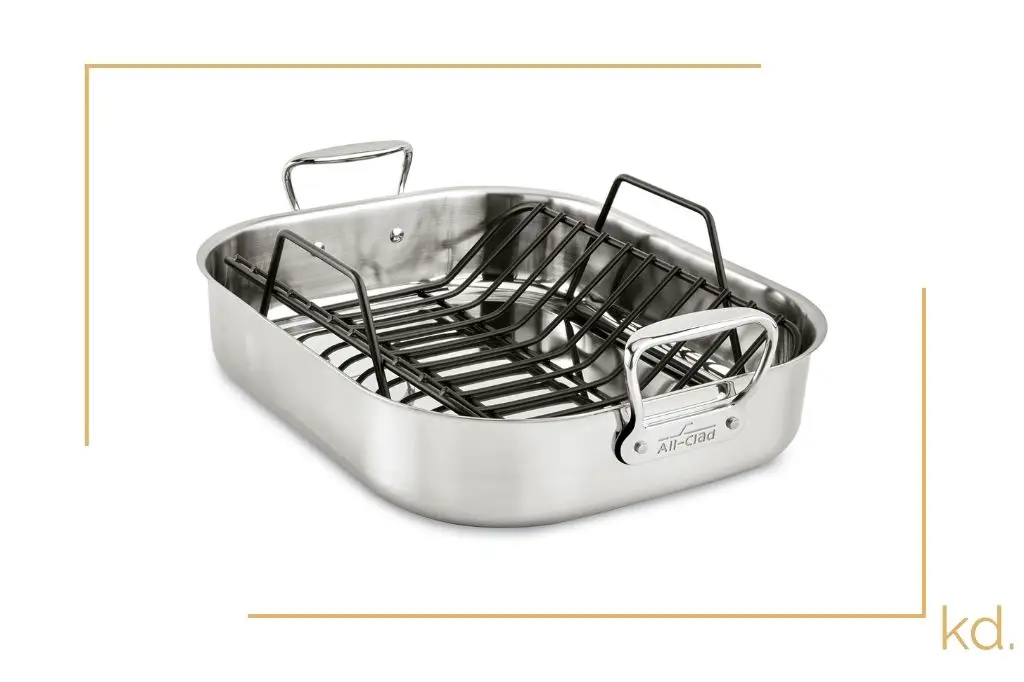
There’s something magical about pulling a perfectly roasted turkey, succulent prime rib, or golden-brown whole chicken from the oven. But here’s the truth: your success in the kitchen often comes down to having the right tools, and when it comes to cooking large cuts of meat or feeding a crowd, a quality Large Roasting Pan is absolutely essential.
Whether you’re hosting Thanksgiving dinner, preparing Sunday roast for the family, or tackling your first holiday feast, choosing the right roasting pan can make the difference between culinary triumph and kitchen disaster. A great Roasting Pan distributes heat evenly, prevents burning, makes basting easier, and yes—it should create those incredible pan drippings that turn into mind-blowing gravy.
But with so many options flooding the market, how do you pick the perfect one? Should you go with stainless steel or nonstick? Does size really matter? And what’s the deal with those fancy racks that come with some pans?
In this comprehensive guide, we’re breaking down everything you need to know about Large Roasting Pans. We’ll review eight top-performing options, discuss what features actually matter, and help you make an informed decision that’ll serve you well for years to come. Let’s get roasting!
Quick Links for 8 Best Large Roasting Pans
- All-Clad Stainless Steel Roasting Pan
- Calphalon Contemporary Nonstick Roaster
- Cuisinart Chef’s Classic Stainless Roaster
- Viking 3-Ply Stainless Steel Roasting Pan
- Granite Ware Covered Oval Roaster
- Rachael Ray Nonstick Roaster
- Le Creuset Enameled Cast Iron Roaster
- KitchenAid Stainless Steel Roasting pan
What Is a Roasting Pan? Understanding This Kitchen Essential
A roasting pan is a large, deep cooking vessel specifically designed for roasting meat and poultry in the oven. Unlike regular baking pans, roasting pans feature higher sides (typically 3-4 inches) to contain juices and prevent splattering, sturdy construction to withstand high heat without warping, and upright or loop handles for safe maneuvering when the pan is hot and heavy.
True roasting pans are oven-safe to high temperatures and often include a rack that elevates food above the pan bottom, allowing hot air to circulate underneath for even cooking and preventing the bottom from getting soggy. Many quality roasting pans are also stovetop-compatible, which is incredibly handy for making gravy directly in the pan using those delicious drippings.
The key difference between a roasting pan and other baking dishes? Roasting pans are built tough enough to handle large, heavy cuts of meat at high temperatures for extended periods. They’re designed to go from a 450°F oven straight to your stovetop to deglaze without warping or cracking—try that with a disposable aluminum pan and you’ll quickly understand the difference!
Detailed Reviews: 8 Best Large Roasting Pans
1. All-Clad Stainless Steel Roasting Pan
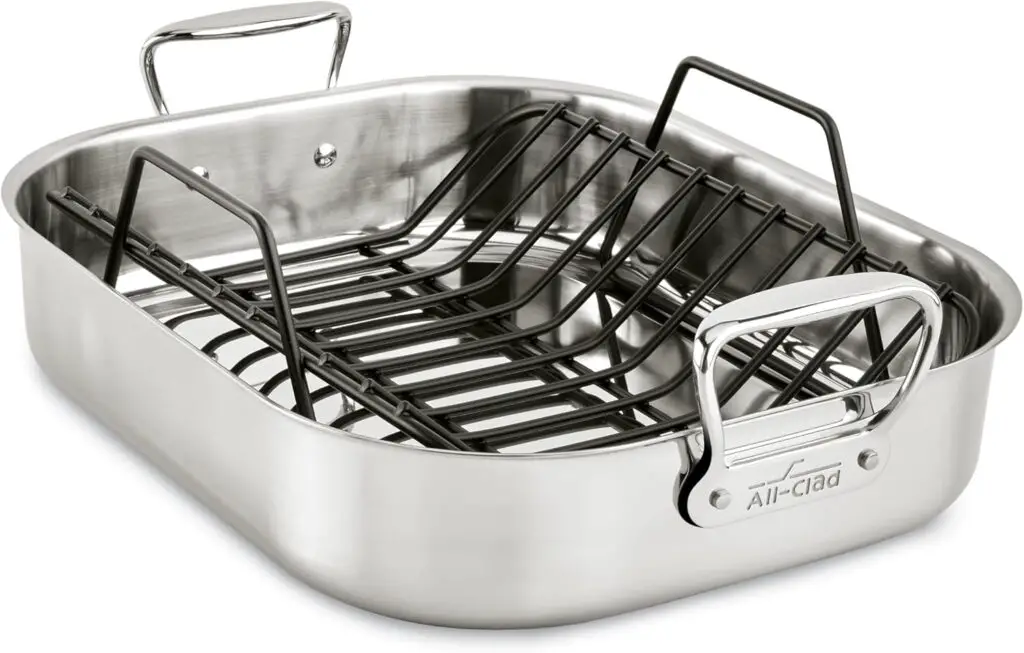
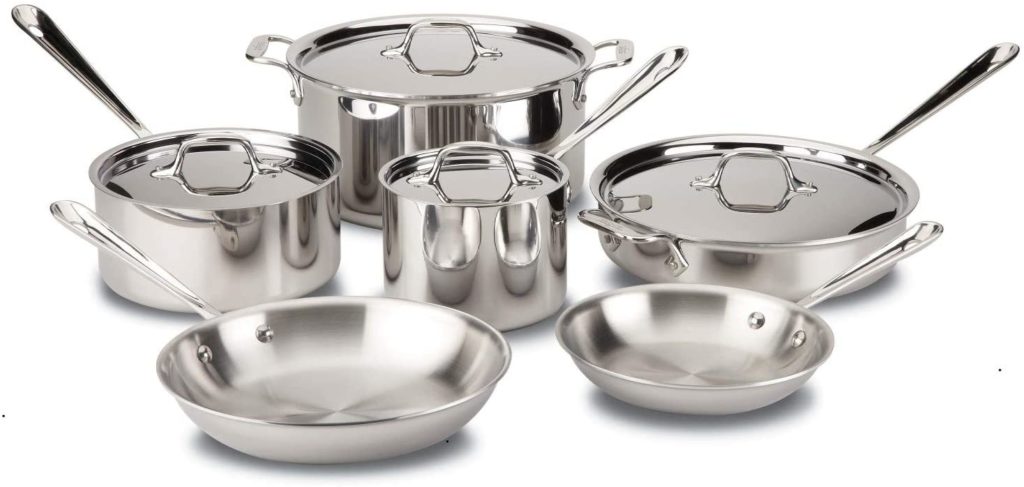
If you’re serious about cooking and want a roasting pan that’ll last a lifetime, the All-Clad is the gold standard. This beast of a pan is built with three layers of bonded metal—stainless steel on the outside, an aluminum core for superior heat distribution, and more stainless on the cooking surface.
What We Love: The heavy-gauge construction means this pan won’t warp even under intense oven heat. The upright handles are riveted and stay cool enough to grip (with oven mitts, obviously), and the non-reactive stainless steel interior means you can deglaze with wine or acidic ingredients without any metallic taste. The included V-shaped rack elevates your roast for even cooking and perfect browning all around.
Pros:
- Exceptional heat distribution eliminates hot spots
- Built to last with professional-grade construction
- Dishwasher safe for easy cleanup
- Oven-safe up to 600°F
- Works beautifully on stovetop for making gravy
- Made in the USA
Cons:
- Premium price point
- Heavy weight (especially when loaded with food)
- Polished stainless shows marks and requires buffing
- No nonstick coating means more scrubbing
| Property | Details |
|---|---|
| Material | Tri-ply stainless steel |
| Size | 16 x 13 inches |
| Rack Included | Yes, V-rack |
| Oven Safe | Up to 600°F |
| Dishwasher Safe | Yes |
| Handles | Riveted upright handles |
2. Calphalon Contemporary Nonstick Roaster
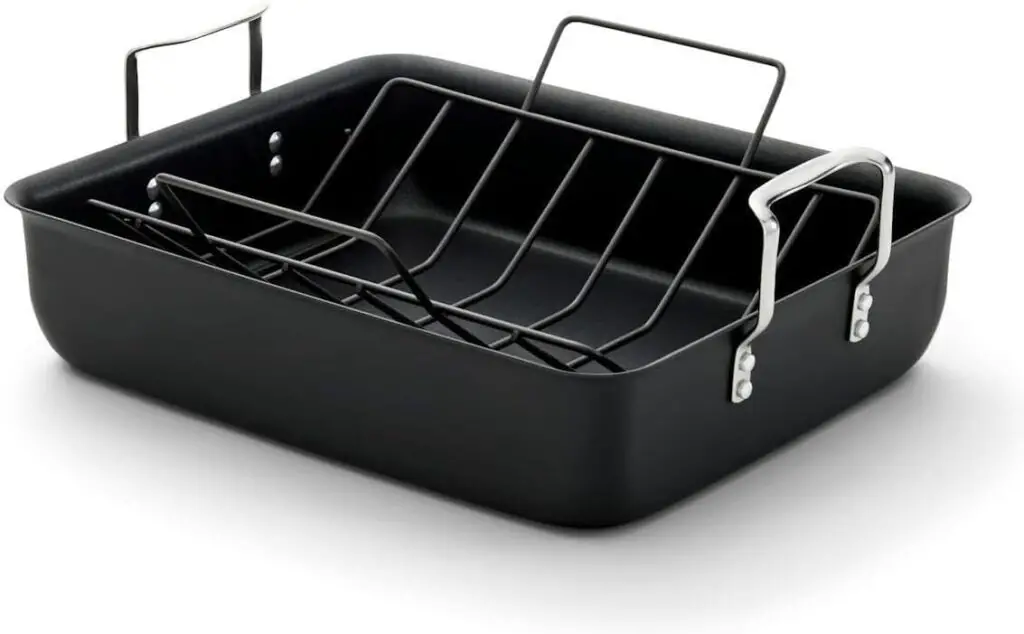
For home cooks who prioritize easy cleanup and worry about food sticking, the Calphalon Contemporary offers excellent performance with the convenience of nonstick technology. This roaster features hard-anodized aluminum construction with a triple-layer nonstick interior that’s designed to last.
What We Love: Cleanup is ridiculously easy—even the most stubborn baked-on bits slide right off. The anodized exterior resists scratches and is less prone to showing wear than traditional nonstick surfaces. The flat rack design is perfect for turkey, chicken, or large roasts, and the pan’s generous depth prevents splatter in your oven.
Pros:
- Effortless food release and cleanup
- Hard-anodized construction resists warping
- PFOA-free nonstick coating
- Comfortable handles with secure grip
- Great heat distribution
- Works for roasting vegetables too
Cons:
- Not metal utensil safe
- Lower maximum oven temperature (450°F)
- Nonstick coating will eventually wear
- Hand-wash recommended despite dishwasher-safe claim
| Property | Details |
|---|---|
| Material | Hard-anodized aluminum |
| Size | 16 x 13 inches |
| Rack Included | Yes, flat rack |
| Oven Safe | Up to 450°F |
| Dishwasher Safe | Yes (hand-wash preferred) |
| Coating | Triple-layer nonstick |
3. Cuisinart Chef’s Classic Stainless Roaster
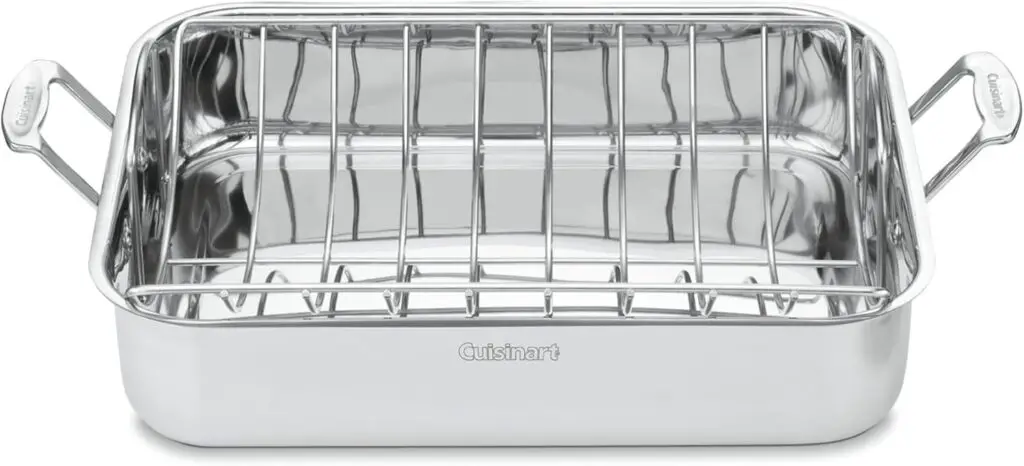
Looking for solid performance without breaking the bank? The Cuisinart Chef’s Classic delivers impressive results at a price point that won’t make your wallet cry. This stainless steel roaster punches well above its weight class with features typically found on more expensive pans.
What We Love: The mirror-finish stainless steel interior provides excellent browning and develops gorgeous fond for making gravy. The proportions are perfect for everything from a 20-pound turkey to a standing rib roast. The included rack is sturdy and functional, and the upright handles make maneuvering this pan in and out of the oven much safer than with traditional side handles.
Pros:
- Excellent value for money
- Durable stainless steel construction
- Dishwasher safe for convenience
- Aluminum encapsulated base for even heating
- Suitable for all cooking surfaces including induction
- Lifetime warranty
Cons:
- Base isn’t as heavy as premium brands
- Some hot spots reported with very high heat
- Handles can get hot
- May require more elbow grease for cleanup
| Property | Details |
|---|---|
| Material | Stainless steel with aluminum base |
| Size | 16 x 13 inches |
| Rack Included | Yes, flat rack |
| Oven Safe | Up to 500°F |
| Dishwasher Safe | Yes |
| Warranty | Lifetime |
4. Viking 3-Ply Stainless Steel Roasting Pan
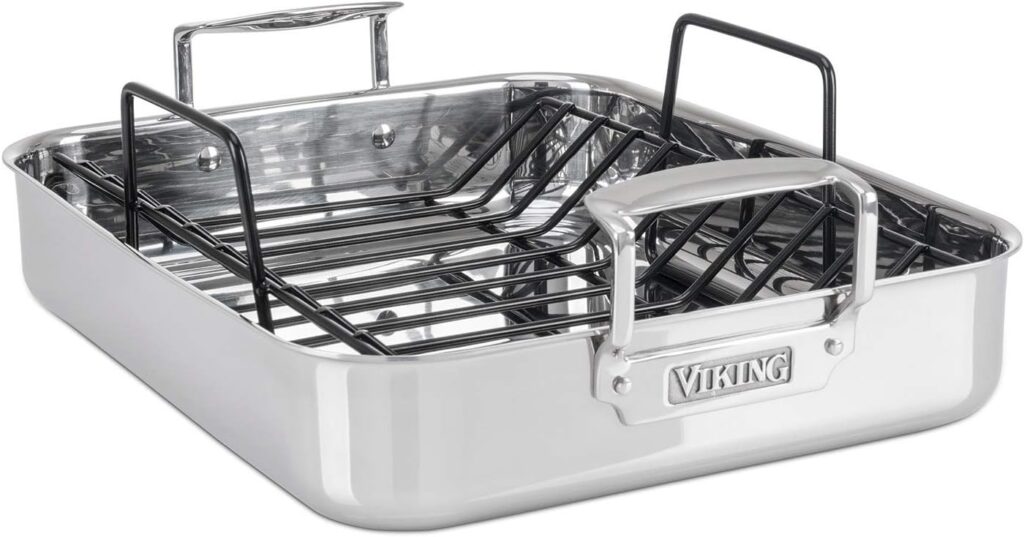
Viking brings its professional kitchen expertise to home cooks with this restaurant-quality roasting pan. Featuring three layers of metal throughout the entire pan (not just the base), this roaster delivers the kind of performance you’d expect from a brand trusted by professional chefs.
What We Love: The full 3-ply construction means heat travels evenly across the bottom and up the sides, resulting in incredibly consistent cooking. The extra-wide handles provide excellent control, and the pan’s generous depth holds plenty of vegetables around your roast. The polished exterior is gorgeous and the pan transitions seamlessly from oven to stovetop.
Pros:
- Professional-grade construction throughout
- Superior heat distribution
- Exceptionally sturdy and warp-resistant
- Large capacity handles big holiday roasts
- Stovetop compatible for gravy making
- Built to last generations
Cons:
- Investment-level pricing
- Substantial weight when full
- No nonstick surface
- Requires proper cleaning and maintenance
| Property | Details |
|---|---|
| Material | 3-ply stainless steel |
| Size | 16 x 13 inches |
| Rack Included | Yes, V-rack |
| Oven Safe | Up to 600°F |
| Dishwasher Safe | Yes |
| Construction | Full 3-ply throughout |
5. Granite Ware Covered Oval Roaster
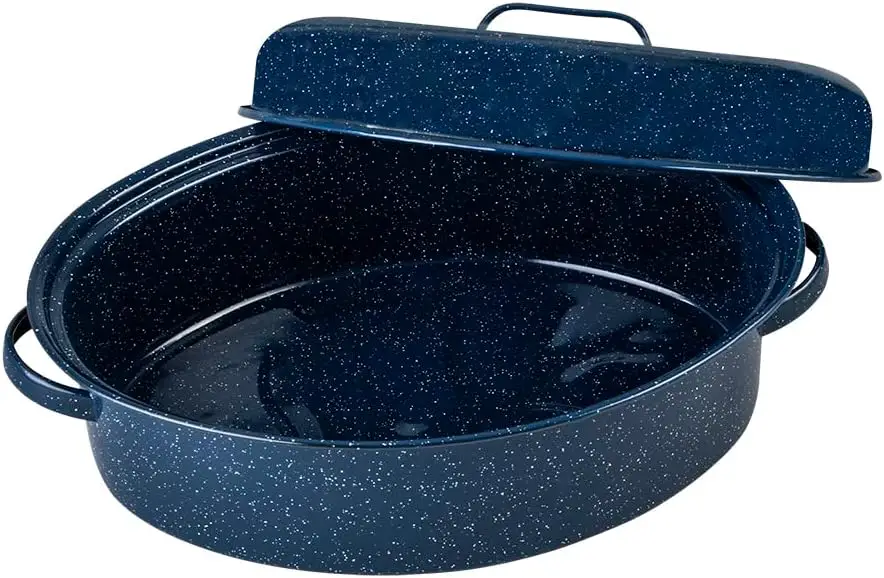
Sometimes simplicity wins, and the Granite Ware roaster proves that old-school porcelain-on-steel technology still has a place in modern kitchens. This covered oval roaster is a throwback to grandma’s kitchen, but don’t let its vintage vibe fool you—it’s incredibly practical.
What We Love: The included lid is a game-changer for covered roasting methods, keeping meats incredibly moist. The speckled enamel surface is naturally nonstick when properly prepped and develops beautiful caramelization. It’s lightweight compared to other roasters, making it easier to handle, and the classic design is actually quite charming.
Pros:
- Budget-friendly option
- Includes fitted lid for moisture retention
- Naturally nonstick porcelain surface
- Lightweight and easy to maneuver
- Great for covered braising
- Even heat distribution
- No chemical coatings
Cons:
- Enamel can chip if dropped
- Not suitable for stovetop use
- Hand-wash only
- Size may be limiting for very large birds
| Property | Details |
|---|---|
| Material | Porcelain-on-steel |
| Size | 18 x 12 inches (oval) |
| Rack Included | No (lid included) |
| Oven Safe | Up to 450°F |
| Dishwasher Safe | No |
| Special Feature | Fitted lid |
6. Rachael Ray Nonstick Roaster with Rack
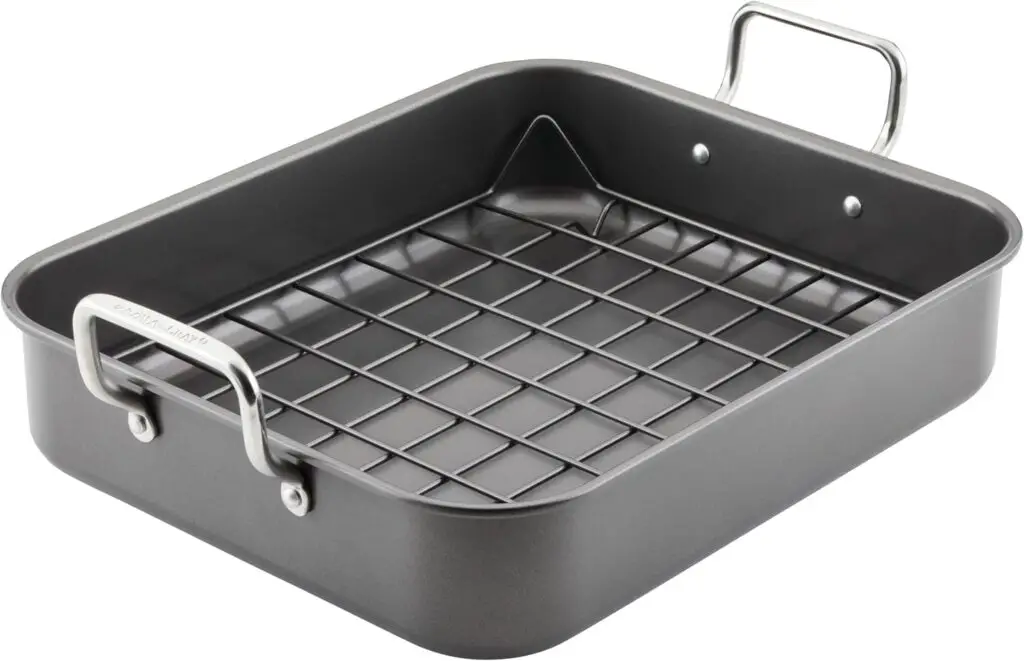
Rachael Ray brings her signature approachable style to this nonstick roaster that combines functionality with fun. The orange silicone handles add a pop of color while providing a secure, comfortable grip—even with bulky oven mitts on.
What We Love: This pan makes roasting accessible for beginners while still delivering results that’ll impress. The nonstick interior releases food beautifully and cleans up in seconds. The angled handles are brilliantly designed for better control, and the pan’s medium weight strikes a nice balance between sturdy and manageable.
Pros:
- User-friendly nonstick surface
- Signature orange handles for easy gripping
- Great value proposition
- Suitable for everyday roasting
- Flat rack design versatile for various foods
- Comfortable weight
Cons:
- Not the most heavy-duty construction
- Lower oven temperature limit (400°F)
- Nonstick coating longevity concerns
- Not suitable for metal utensils
- Handles not as heat-resistant as solid metal
| Property | Details |
|---|---|
| Material | Carbon steel with nonstick |
| Size | 16 x 12 inches |
| Rack Included | Yes, flat rack |
| Oven Safe | Up to 400°F |
| Dishwasher Safe | Yes |
| Handle Type | Silicone grip |
7. Le Creuset Enameled Cast Iron Roaster
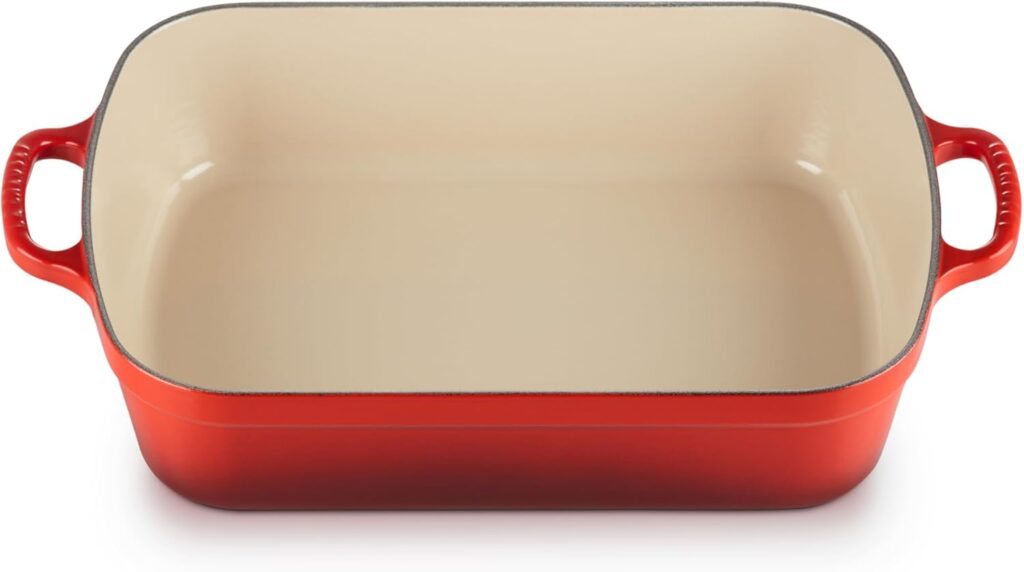
When you want to make a statement and deliver exceptional results, Le Creuset’s enameled cast iron roaster is the showstopper. This French-made beauty combines old-world craftsmanship with modern performance, and it’s absolutely gorgeous enough to go from oven to table.
What We Love: The heavy cast iron construction provides unmatched heat retention and distribution. The enameled interior is naturally nonstick, develops incredible caramelization, and is a breeze to clean. This roaster transitions beautifully from stovetop to oven, and the wide loop handles provide excellent leverage. Plus, it comes in Le Creuset’s signature beautiful colors.
Pros:
- Superior heat retention and distribution
- Stunning appearance—table-worthy
- Naturally nonstick enamel surface
- Exceptional durability
- Stovetop compatible
- Lifetime warranty
- Made in France
Cons:
- Luxury price point
- Very heavy (especially when loaded)
- Requires careful handling to prevent chipping
- Smaller capacity than some steel options
| Property | Details |
|---|---|
| Material | Enameled cast iron |
| Size | 15.75 x 12 inches |
| Rack Included | No |
| Oven Safe | Up to 500°F |
| Dishwasher Safe | Yes (hand-wash recommended) |
| Origin | Made in France |
8. KitchenAid 5-Ply Stainless Steel Roaster
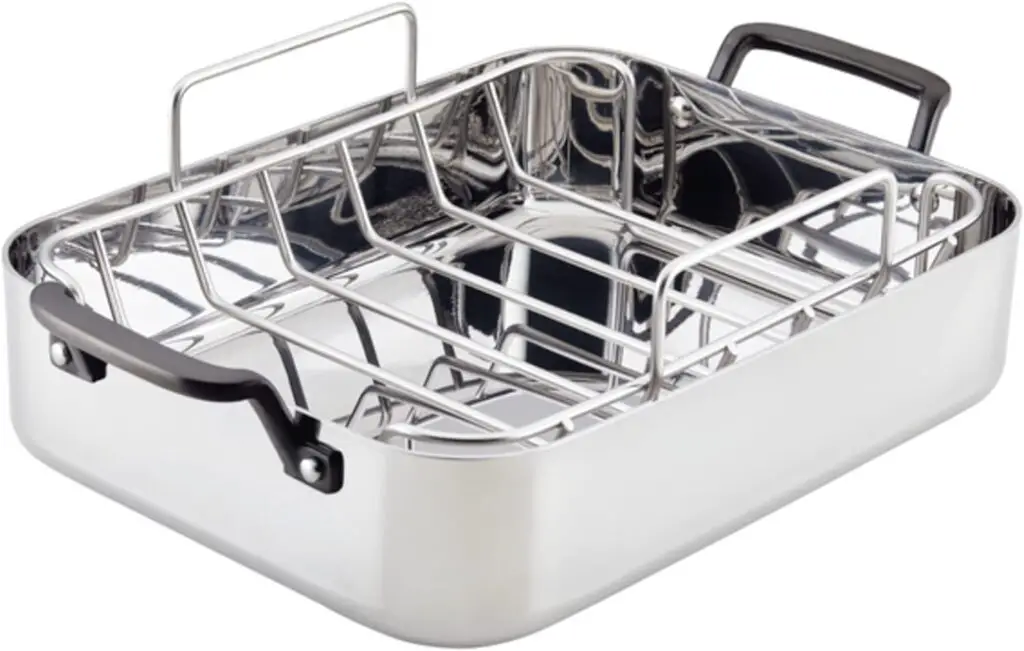
KitchenAid brings the same quality philosophy from their iconic stand mixers to this 5-ply roasting pan. It’s designed for serious home cooks who want professional results without quite hitting professional prices.
What We Love: The 5-layer construction (stainless-aluminum-stainless) provides excellent heat distribution while remaining responsive to temperature changes. The polished exterior looks sharp, and the interior develops lovely fond for gravies and sauces. The included V-rack is well-designed and sturdy enough to support large roasts securely.
Pros:
- Solid 5-ply construction
- Excellent heat distribution
- Dishwasher safe convenience
- Compatible with all cooktops
- Rivet-free interior for easier cleaning
- Lifetime hassle-free replacement warranty
Cons:
- Mid-to-upper price range
- Some users report handles getting hot
- Stainless steel requires proper cleaning technique
- Heavier than single-ply options
| Property | Details |
|---|---|
| Material | Tri-ply stainless steel |
| Size | 16 x 13 inches |
| Rack Included | Yes, V-rack |
| Oven Safe | Up to 500°F |
| Dishwasher Safe | Yes |
| Warranty | Lifetime |
Comprehensive Buying Guide: How to Choose the Best Large Roasting Pan
Size Matters: Finding Your Perfect Fit
When it comes to roasting pans, size definitely matters. A large roasting pan typically measures 16 x 13 inches or larger, which is ideal for a 20-25 pound turkey or a sizable standing rib roast with vegetables on the side.
Consider:
- Too small: Your food won’t fit, or you’ll be cramming vegetables into tight spaces where they’ll steam instead of roast
- Too large: A pan that’s much bigger than your roast will cause juices to spread thin and burn, ruining your gravy
- Your oven size: Measure your oven interior before buying—leave at least 2 inches of clearance on all sides for proper air circulation
Most home cooks find a 16-inch roasting pan hits the sweet spot for versatility, but if you regularly cook for crowds or love doing multiple chickens at once, consider going larger.
Material Matters: Stainless Steel vs. Nonstick vs. Cast Iron
Stainless Steel: The workhorse of professional kitchens, stainless steel roasting pans offer durability, heat tolerance, and excellent browning. They’re non-reactive (great for acidic ingredients), can handle metal utensils, and will literally last forever if properly cared for. The downside? They require more scrubbing and proper technique to prevent sticking. If you want the best stainless steel cookware performance, look for tri-ply or multi-ply construction.
Nonstick: For easy cleanup and stress-free cooking, nonstick roasting pans are hard to beat. Food releases effortlessly, and cleanup takes minutes instead of hours. However, you’ll need to use gentle utensils, follow lower temperature limits (typically 400-450°F), and accept that the coating will eventually wear out. Quality brands like Calphalon and Rachael Ray use durable hard-anodized aluminum that extends nonstick longevity. Check out more about the healthiest non-stick cookware options.
Enameled Cast Iron: The luxury option, enameled cast iron combines incredible heat retention with beautiful aesthetics. Brands like Le Creuset produce roasters that cook like a dream and look stunning on the table. They’re heavy, expensive, and require careful handling, but they’re also lifetime pieces that deliver unmatched results.
Aluminum: Lightweight and affordable, aluminum roasters heat quickly and evenly. However, raw aluminum is reactive with acidic foods and can impart a metallic taste. Most quality aluminum roasters feature hard-anodized surfaces or nonstick coatings to overcome these limitations.
Rack or No Rack? Understanding Roasting Pan Accessories
A quality rack is worth its weight in gold. Here’s why:
V-Racks: These hold round roasts and poultry securely while elevating them for all-around browning. Perfect for turkey, chicken, or prime rib.
Flat Racks: More versatile for various shapes of food, from vegetables to irregular cuts of meat. Easier to clean but don’t cradle round items as securely.
Why Use a Rack at All?
- Allows hot air circulation underneath for even cooking
- Prevents the bottom from steaming in its own juices
- Creates crispier skin on poultry
- Makes basting easier
- Keeps food elevated above rendered fat
Pro tip: If your pan doesn’t include a rack, you can create a “vegetable rack” using thick slices of onion, carrots, and celery to elevate your roast.
Heat Distribution and Construction Quality
The best roasting pans feature thick, heavy-gauge construction that:
- Prevents warping under high heat
- Distributes heat evenly across the entire surface
- Handles the weight of large roasts without bending
- Transitions from oven to stovetop without damage
Look for multi-ply construction (steel-aluminum-steel) for superior heat distribution, or heavy-gauge single materials that won’t buckle. Thin, lightweight pans might save money upfront but will warp, create hot spots, and ultimately disappoint.
Handle Design: More Important Than You Think
When you’re pulling a 25-pound turkey from a 425°F oven, handle design becomes critical. Look for:
Upright Handles: Easier to grip and provide better leverage than flat side handles. They should be riveted, not welded, for maximum security.
Loop Handles: Common on cast iron roasters, these offer excellent control but require proper oven mitts.
Silicone-Gripped Handles: Provide comfortable gripping but verify they’re rated for your oven temperatures.
Size and Positioning: Handles should be large enough to grip with bulky oven mitts and positioned to provide balanced lifting.
Stovetop Compatibility: A Game-Changing Feature
Can you make gravy directly in your roasting pan? If your pan is stovetop-compatible, absolutely! This feature lets you:
- Deglaze the pan to capture all those flavorful browned bits
- Make gravy without transferring drippings to another pot
- Sear or brown meat before roasting
- Reduce pan juices for concentrated sauces
Most stainless steel and cast iron roasters work on all stovetops including induction. Nonstick and aluminum pans may have limitations, so check compatibility before buying. Learn more about induction-ready cookware if that’s your cooking surface.
Oven-Safe Temperature Ratings
Different materials handle different maximum temperatures:
- Stainless steel: Typically 500-600°F
- Cast iron: 500°F and up
- Hard-anodized aluminum: 400-500°F
- Nonstick: 350-450°F (varies by coating)
Match the pan’s rating to your cooking style. High-heat roasting at 450°F+ requires a pan rated accordingly. If you follow recipes calling for lower temperatures with covered roasting, you have more flexibility.
Maintenance and Longevity Considerations
Dishwasher Safe vs. Hand-Wash: While many roasting pans claim dishwasher safety, hand-washing extends their life. The harsh detergents and high heat of dishwashers can dull stainless steel finishes and accelerate nonstick coating breakdown.
Durability Factors:
- Riveted handles > welded handles
- Multi-ply construction > single-ply
- Heavy-gauge materials > thin, lightweight
- Quality nonstick coatings > cheap coatings
Warranty Protection: Many premium brands offer lifetime warranties—a good indicator they stand behind their product quality. Cuisinart, KitchenAid, and All-Clad all provide excellent warranty coverage.
Budget Considerations: When to Splurge vs. Save
Budget-Friendly ($30-60): Options like Cuisinart Chef’s Classic and Granite Ware offer solid performance for occasional use. Perfect for holiday-only roasting or starting out.
Mid-Range ($80-150): Calphalon, Rachael Ray, and KitchenAid fall here, providing excellent quality for regular home use without premium pricing.
Premium ($200+): All-Clad, Viking, and Le Creuset represent professional-grade quality that’ll last a lifetime. Worth it for serious home cooks who roast frequently.
Investment Mindset: A quality roasting pan can serve you for 20-30 years or more. Even a $250 pan costs less than $10 per year over its lifetime—cheaper than a single failed holiday meal!
Pro Tips for Using Your Large Roasting Pan
1. Preheat Your Pan For better browning on vegetables, preheat your empty roasting pan for 5-10 minutes before adding food.
2. Don’t Skip the Rack Even if you think you don’t need it, the rack improves results dramatically by promoting air circulation.
3. Add Liquid Strategically Start with about 1 cup of liquid (broth, wine, or water) in the bottom to prevent smoking from dripping fat, but don’t drown your roast.
4. Position Matters Place your roasting pan on the lower-middle rack for larger items like turkey. This protects the top from over-browning while ensuring the bottom cooks through.
5. Use Vegetables as Flavor Enhancers Create a bed of aromatics (onions, carrots, celery) beneath your roast to flavor both the meat and your eventual gravy.
6. The Foil Tent Technique If your roast is browning too quickly, tent it loosely with foil—but remove it for the last 20-30 minutes to crisp the exterior.
7. Rest Before Carving Use your roasting pan as a resting station. Keep the juices in the pan for gravy while your meat rests to perfection.
8. Master the Deglazing After roasting, place the pan over two burners, add wine or broth, and scrape up those browned bits for the foundation of incredible gravy.
Common Roasting Pan Mistakes to Avoid
Using a Pan That’s Too Small: Crowding causes steaming instead of roasting. Your food should have breathing room.
Going Too Large: Excessive pan space causes juices to spread thin and burn, ruining your gravy base.
Skipping the Preheating: Cold pans take longer to heat and don’t develop the initial sear that creates flavor.
Not Monitoring Liquid Levels: Too much liquid steams your roast; too little causes smoking and burning. Check and adjust during cooking.
Forgetting to Rotate: Most ovens have hot spots. Rotate your pan 180 degrees halfway through for even cooking.
Carving Too Soon: Let your roast rest 15-30 minutes depending on size. Juices need time to redistribute.
Using the Wrong Utensils: Metal utensils on nonstick surfaces = ruined coating. Use silicone, wood, or heat-safe plastic.
Frequently Asked Questions
Q: Can I use a roasting pan on an induction cooktop? A: Only if the pan has a magnetic stainless steel base. Cast iron works too, but aluminum and most nonstick pans won’t. Test with a magnet before buying if induction compatibility matters.
Q: How do I prevent my stainless steel roasting pan from sticking? A: Preheat the pan, use adequate fat or oil, and don’t rush the browning process. If food resists, it’s not ready to release—wait a bit longer. For easier cleanup, deglaze while the pan is still hot.
Q: Are disposable aluminum roasting pans okay? A: For convenience, sure, but they’re flimsy, don’t distribute heat evenly, and can buckle under heavy loads. They’re fine for transporting food to potlucks, but not for quality roasting at home.
Q: What’s the best way to clean a roasted-on mess? A: Fill the pan with hot water and dish soap immediately after transferring food out. Let it soak while you eat, then scrub with a non-abrasive sponge. For stubborn spots, make a paste of baking soda and water, let sit for 20 minutes, then scrub.
Q: Can I use my roasting pan for other cooking methods? A: Absolutely! Roasting pans excel at baking large batches of vegetables, making lasagna, preparing sheet pan dinners, and even baking cookies in a pinch. They’re incredibly versatile.
Q: Do I need a lid for my roasting pan? A: Not necessarily, but lids enable covered roasting methods that keep food moist. You can always improvise with aluminum foil if your pan doesn’t include one.
Final Thoughts: Choosing Your Perfect Roasting Pan
Selecting the best large roasting pan comes down to matching features with your cooking style, frequency of use, and budget. If you roast regularly and want professional-grade performance, invest in a quality stainless steel or cast iron option like All-Clad or Le Creuset. For occasional holiday roasting with easy cleanup, a nonstick option like Calphalon offers excellent convenience.
Remember, a quality roasting pan is a multi-generational investment. With proper care, it’ll serve you faithfully through decades of holiday dinners, Sunday roasts, and special occasions. Don’t cheap out on a tool you’ll use to create some of your most memorable meals.
Whether you choose the workhorse reliability of stainless steel, the convenience of nonstick, or the stunning beauty of enameled cast iron, make sure your pan fits your oven, meets your temperature needs, and feels comfortable to handle. Your future self—standing triumphantly over a perfectly roasted feast—will thank you.
Now get out there and roast something delicious!
External Resources:
- USDA Guide to Safe Minimum Cooking Temperatures
- Fine Cooking’s Guide to Roasting
Looking for more kitchen essentials? Check out our guides on best oven-safe skillets and cookware for gas stoves to complete your cooking arsenal.