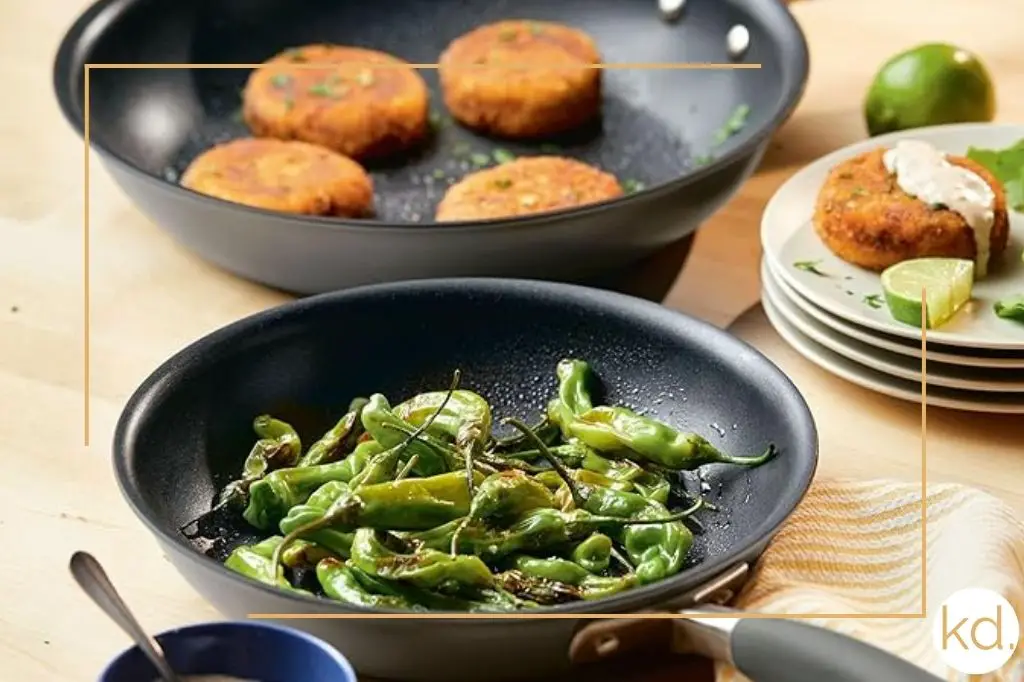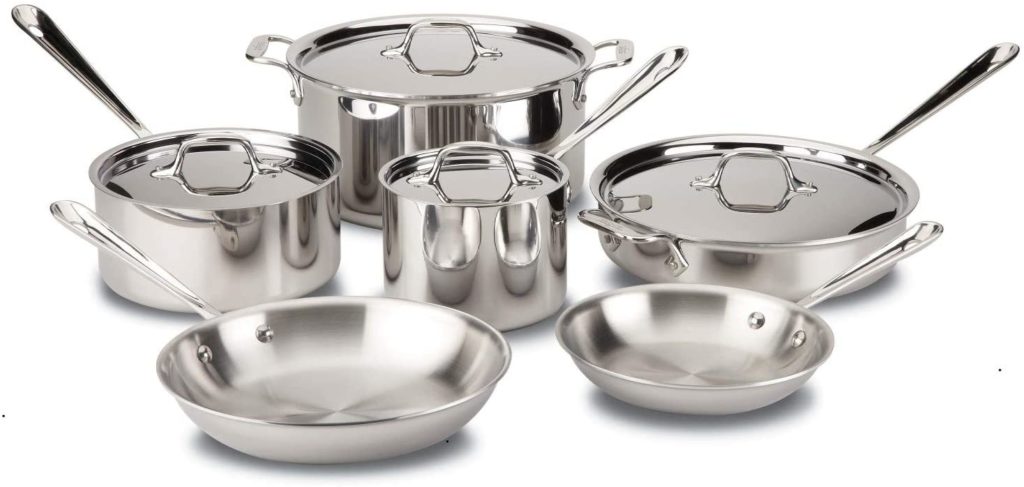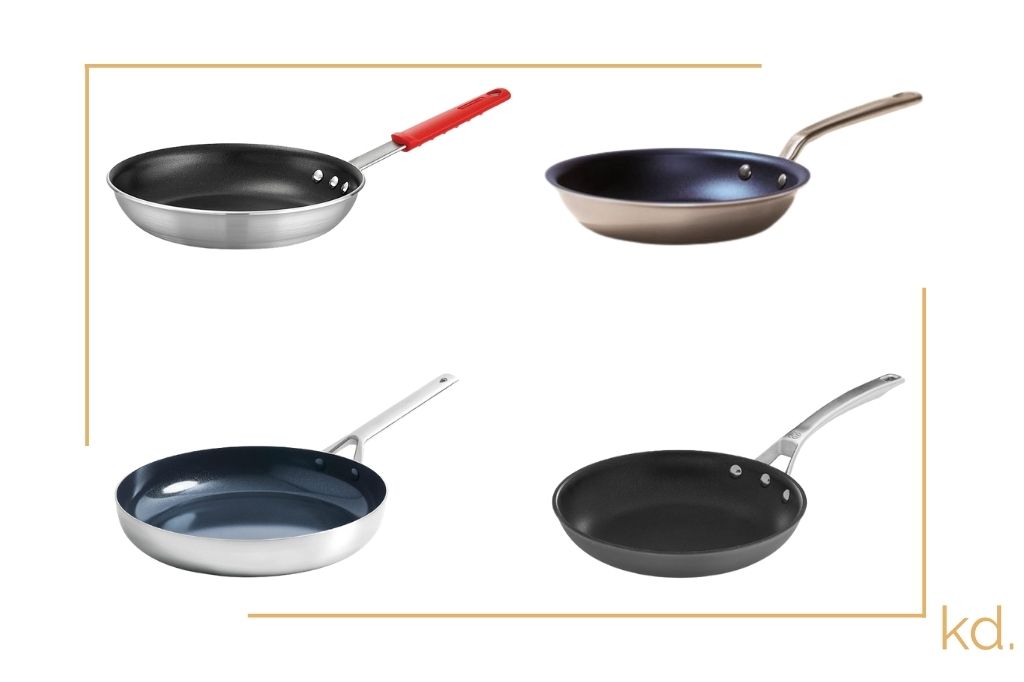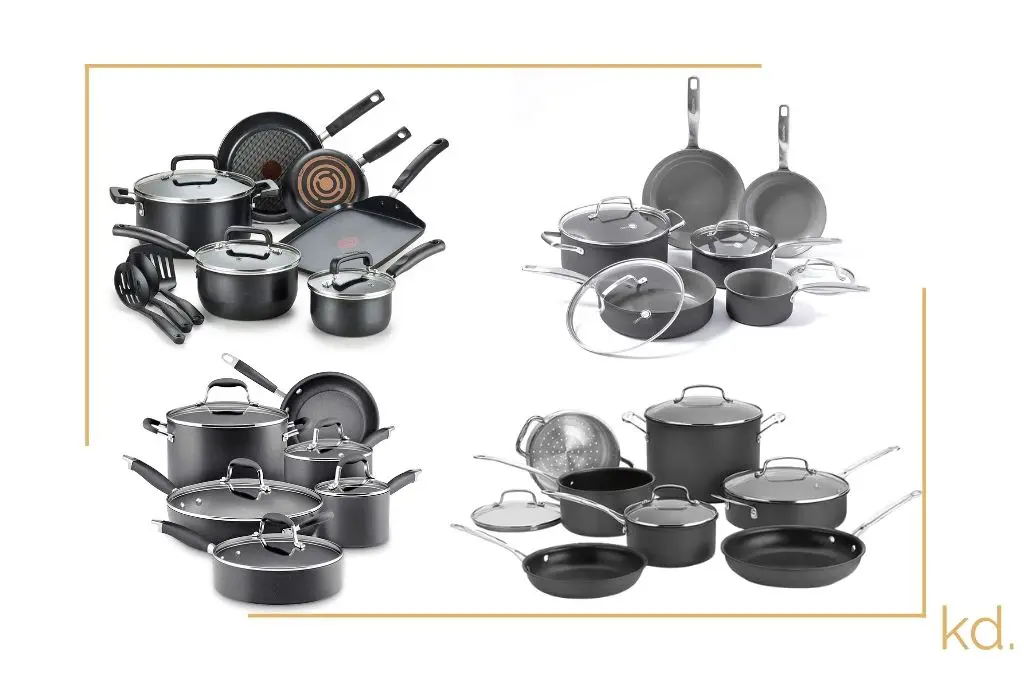

Finding the perfect oven safe skillet can transform your cooking game. Whether you’re searing a steak on the stovetop and finishing it in the oven, or baking a frittata for Sunday brunch, having the right skillet makes all the difference. After extensive testing and research, I’ve rounded up the six Best Oven Safe Skillets that deliver exceptional performance both on the stove and in the oven.
Let’s dive into what makes these skillets stand out and help you find the perfect one for your kitchen.
Quick Links for 6 Best Oven Safe Skillets
1. Lodge Cast Iron Skillet – The Timeless Classic
2. All-Clad D3 Stainless Steel Oven Safe Skillet – The Professional’s Choice
3. Le Creuset Enameled Cast Iron Skillet – Beauty Meets Function
4. Calphalon Contemporary Nonstick Skillet – The Best Oven Safe Nonstick Skillet
5. Cuisinart Chef’s Classic Stainless Steel Skillet – The Budget-Friendly Winner
6. GreenPan Valencia Pro – The Healthy Ceramic Option
Why You Need an Oven Safe Skillet
Before we get into the reviews, let’s talk about why an oven safe skillet deserves a spot in your kitchen arsenal. These versatile workhorses bridge the gap between stovetop and oven cooking, opening up a world of culinary possibilities.
Think about pan-roasting a chicken with crispy skin, making a deep-dish skillet cookie, or perfecting that restaurant-quality steak with a butter baste finish in the oven. An oven safe skillet handles all these tasks seamlessly. Plus, going from stovetop to oven means fewer dishes to wash—always a win in my book.
The beauty of these skillets lies in their construction. They’re built to withstand high oven temperatures without warping, and their handles won’t melt or become dangerously hot (though you’ll still want to use an oven mitt). This durability makes them a smart investment that’ll serve you for years.
Comparison Table: Best Oven Safe Skillets
| Skillet | Material | Oven Safe Temperature | Size Options | Coating Type | Handle Material | Weight |
|---|---|---|---|---|---|---|
| Lodge Cast Iron Skillet | Cast Iron | 500°F+ | 8″, 10″, 12″, 15″ | Pre-seasoned | Cast Iron | Heavy |
| All-Clad D3 Stainless Steel | Tri-ply Stainless | 600°F | 8″, 10″, 12″ | None | Stainless Steel | Medium-Heavy |
| Le Creuset Enameled Cast Iron | Enameled Cast Iron | 500°F | 9″, 10.25″, 11.75″ | Enamel | Cast Iron | Heavy |
| Calphalon Contemporary Nonstick | Hard-Anodized Aluminum | 450°F | 10″, 12″ | PTFE Nonstick | Stainless Steel | Medium |
| Cuisinart Chef’s Classic | Stainless Steel | 500°F | 8″, 10″, 12″ | None | Stainless Steel | Medium |
| GreenPan Valencia Pro | Hard-Anodized Aluminum | 600°F | 8″, 10″, 12″ | Ceramic Nonstick | Stainless Steel | Medium |
The 6 Best Oven Safe Skillets: In-Depth Reviews
1. Lodge Cast Iron Skillet – The Timeless Classic
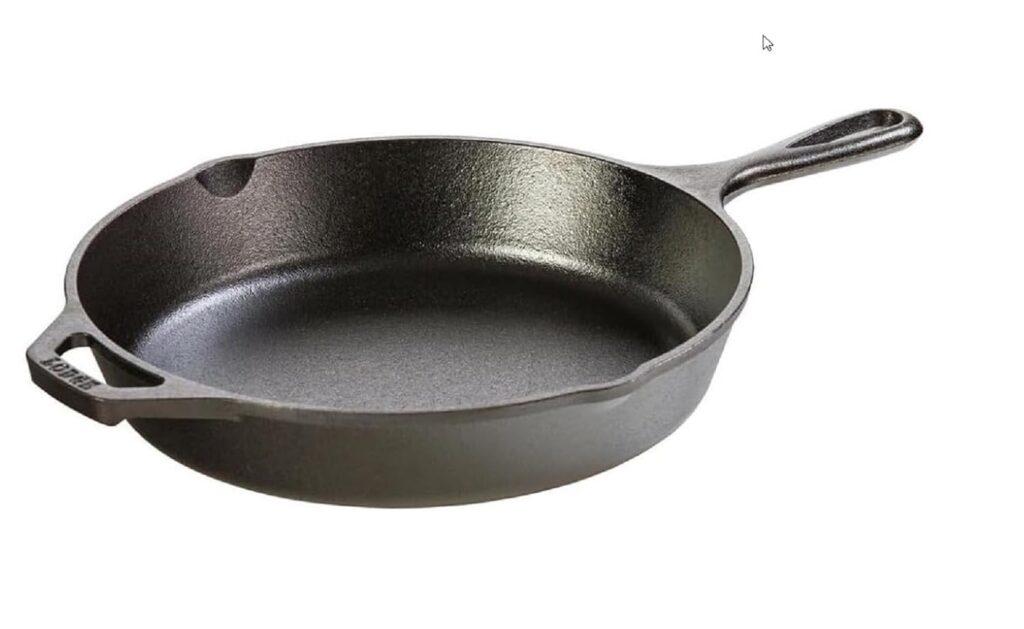
When it comes to oven safe skillets, Lodge cast iron is the gold standard that’s been trusted for over a century. This skillet is a true workhorse that only gets better with age.
What Makes It Special
The Lodge cast iron skillet comes pre-seasoned and ready to use right out of the box. Cast iron’s heat retention is legendary—once it’s hot, it stays hot, giving you incredible searing power and even cooking. Whether you’re making cornbread, frying chicken, or roasting vegetables, this skillet handles it all with ease.
The beauty of cast iron is its versatility. You can use it on any heat source: gas, electric, induction, even over a campfire. And in the oven? It can handle temperatures well beyond what most home ovens can produce. That makes it perfect for everything from skillet pizzas to upside-down cakes.
Pros:
- Exceptional heat retention and distribution
- Virtually indestructible with proper care
- Naturally nonstick when well-seasoned
- Works on all cooktops including induction
- Extremely affordable
- Gets better with age and use
- Can handle any oven temperature
Cons:
- Heavy, especially larger sizes
- Requires regular seasoning maintenance
- Can’t be used with acidic foods when new
- Takes longer to heat up than other materials
- Not dishwasher safe
Best For: Home cooks who want a lifetime skillet that can do everything, from stovetop to oven to campfire. Perfect for anyone interested in traditional cast iron cookware made in USA.
2. All-Clad D3 Stainless Steel Oven Safe Skillet – The Professional’s Choice
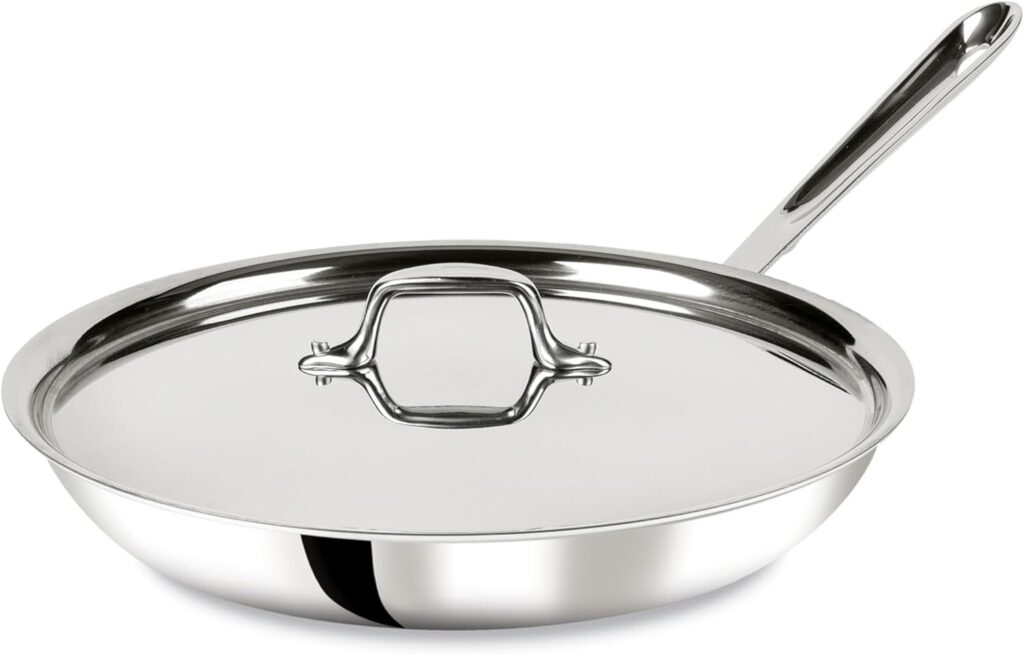
If you’ve ever watched cooking shows or stepped into a professional kitchen, you’ve seen All-Clad in action. Their D3 stainless steel skillet represents the pinnacle of American cookware craftsmanship.
What Makes It Special
The D3 features a three-layer bonded construction with an aluminum core sandwiched between stainless steel layers. This design delivers the best of both worlds: stainless steel’s durability and non-reactive surface, with aluminum’s superior heat conductivity. The result is incredibly even heating with no hot spots.
This skillet excels at creating beautiful fond (those flavorful brown bits) for making pan sauces. The stainless steel interior won’t react with acidic ingredients like tomatoes or wine, making it perfect for deglazing. The long, stay-cool handle feels balanced and comfortable, even when the pan is full.
Pros:
- Exceptional heat distribution
- Oven safe up to 600°F
- Dishwasher safe
- Won’t react with acidic foods
- Professional-grade durability
- Works on all cooktops including induction
- Lifetime warranty
Cons:
- Premium price point
- Food can stick without proper technique
- Requires some learning curve for beginners
- Can discolor over time (though it doesn’t affect performance)
- Heavier than single-layer pans
Best For: Serious home cooks and anyone who wants professional-quality results. If you’re building a collection of high-end cookware, check out our guide to the best stainless steel cookware.
3. Le Creuset Enameled Cast Iron Skillet – Beauty Meets Function
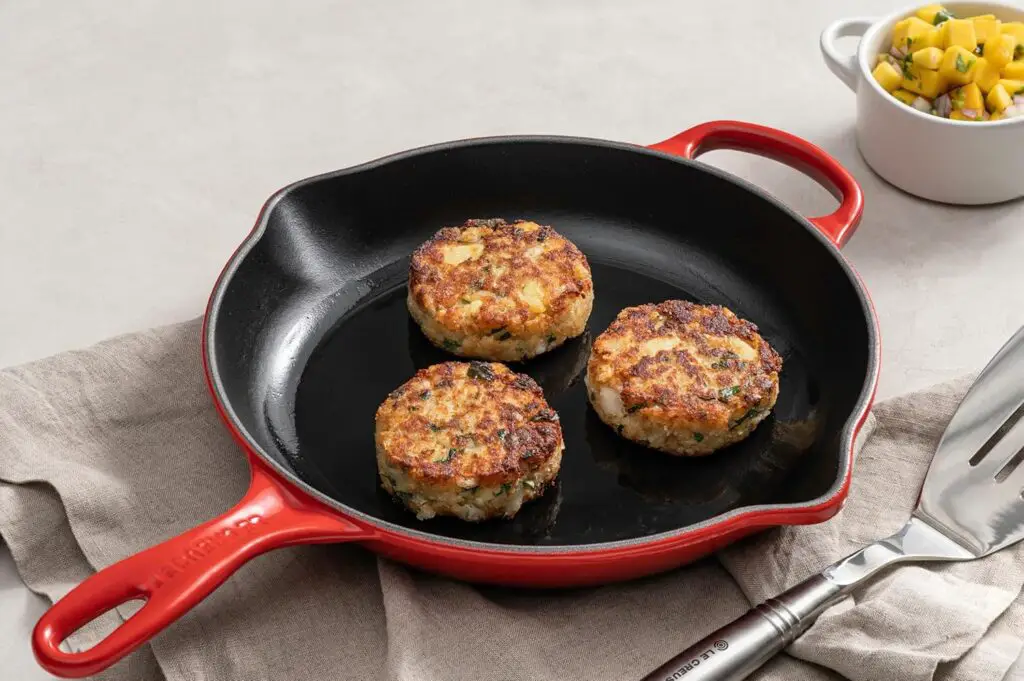
Le Creuset brings together the heat retention of cast iron with the convenience of an enameled coating. This French-made skillet is as gorgeous as it is functional.
What Makes It Special
The enamel coating on this skillet eliminates the need for seasoning while providing a smooth, naturally nonstick surface when properly preheated and oiled. The exterior enamel comes in Le Creuset’s signature vibrant colors, making this skillet beautiful enough to go from oven to table.
Unlike traditional cast iron, the enamel interior won’t react with acidic foods, so you can cook tomato sauces or citrus-based dishes without worry. The large loop helper handle on the opposite side makes maneuvering this heavy skillet much easier, especially when it’s full of food.
Pros:
- No seasoning required
- Won’t react with acidic foods
- Gorgeous colors transition from kitchen to table
- Excellent heat retention
- Smooth, easy-to-clean surface
- Chip-resistant enamel
- Lifetime warranty
Cons:
- Expensive investment
- Very heavy
- Enamel can chip if dropped
- Metal utensils can damage interior
- Not suitable for metal spatulas or high heat searing
Best For: Cooks who want the benefits of cast iron without the maintenance, and anyone who appreciates cookware that doubles as serveware. For more enameled options, explore our Le Creuset Dutch oven guide.
4. Calphalon Contemporary Nonstick Skillet – The Best Oven Safe Nonstick Skillet
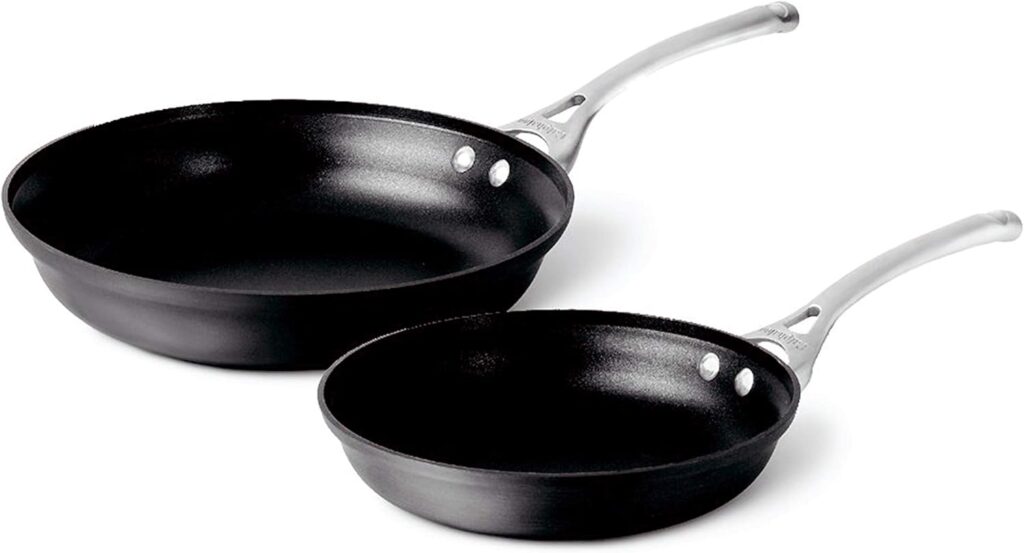
When you need the convenience of nonstick with oven capabilities, Calphalon’s Contemporary line delivers exceptional performance at a reasonable price point.
What Makes It Special
This hard-anodized aluminum skillet heats quickly and evenly while the triple-layer nonstick coating ensures effortless food release and cleanup. Unlike cheaper nonstick pans, Calphalon’s coating is metal utensil safe and notably durable. The flat bottom and flared sides make this skillet incredibly versatile for everything from omelets to stir-fries.
The brushed stainless steel handle stays cool on the stovetop (though you’ll need a mitt in the oven), and it’s securely riveted for long-lasting performance. The hard-anodized exterior is twice as hard as stainless steel, making it resistant to scratches and warping.
Pros:
- Excellent nonstick performance
- Quick and even heating
- Oven safe to 450°F
- Metal utensil safe
- Dishwasher safe
- Durable hard-anodized construction
- Stay-cool handles on stovetop
Cons:
- Lower oven temperature limit than other materials
- Nonstick coating will eventually wear out
- Not suitable for very high heat searing
- Can’t use aerosol cooking sprays
- Not induction compatible (standard model)
Best For: Everyday cooking where easy cleanup is a priority. This is among the healthiest non-stick cookware options when properly maintained.
5. Cuisinart Chef’s Classic Stainless Steel Skillet – The Budget-Friendly Winner
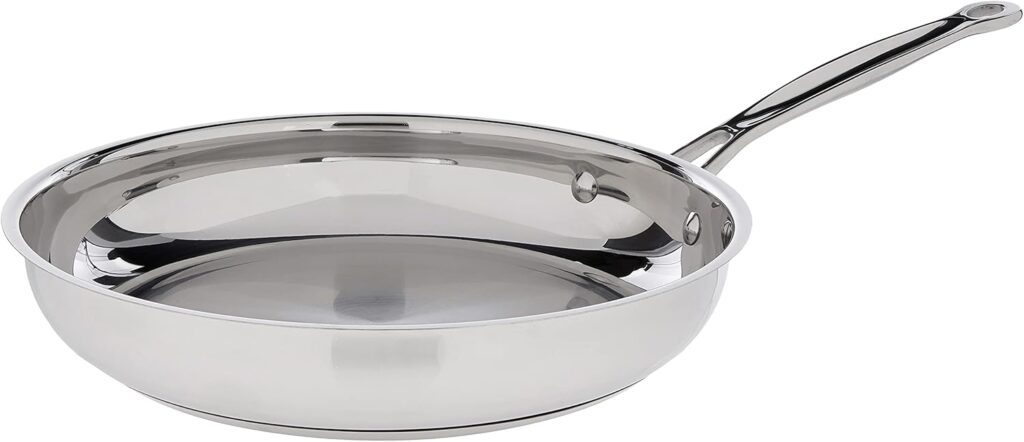
Cuisinart proves you don’t need to break the bank for a quality oven safe skillet. Their Chef’s Classic line offers impressive performance at an entry-level price.
What Makes It Special
This skillet features an aluminum encapsulated base that provides even heat distribution while keeping the price point accessible. The mirror-polished stainless steel interior won’t react with foods and develops a beautiful patina over time. The tapered rim allows for drip-free pouring, which is perfect for making pan sauces or transferring liquids.
While it doesn’t have the full-clad construction of premium brands, the encapsulated base delivers more than adequate performance for home cooking. The long handle with a contoured grip stays comfortable even during extended cooking sessions.
Pros:
- Excellent value for money
- Oven safe to 500°F
- Dishwasher safe
- Even heating with encapsulated base
- Tight-fitting lid included
- Works on all stovetops including induction
- Lifetime warranty
Cons:
- Thinner construction than premium brands
- Handle can get warm on high heat
- Food may stick more than premium stainless
- Some users report handle loosening over time
- Not as durable as higher-end options
Best For: First-time home cooks, college students, or anyone building their first proper cookware collection. See more affordable options in our best cookware set under $200 guide.
6. GreenPan Valencia Pro – The Healthy Ceramic Option
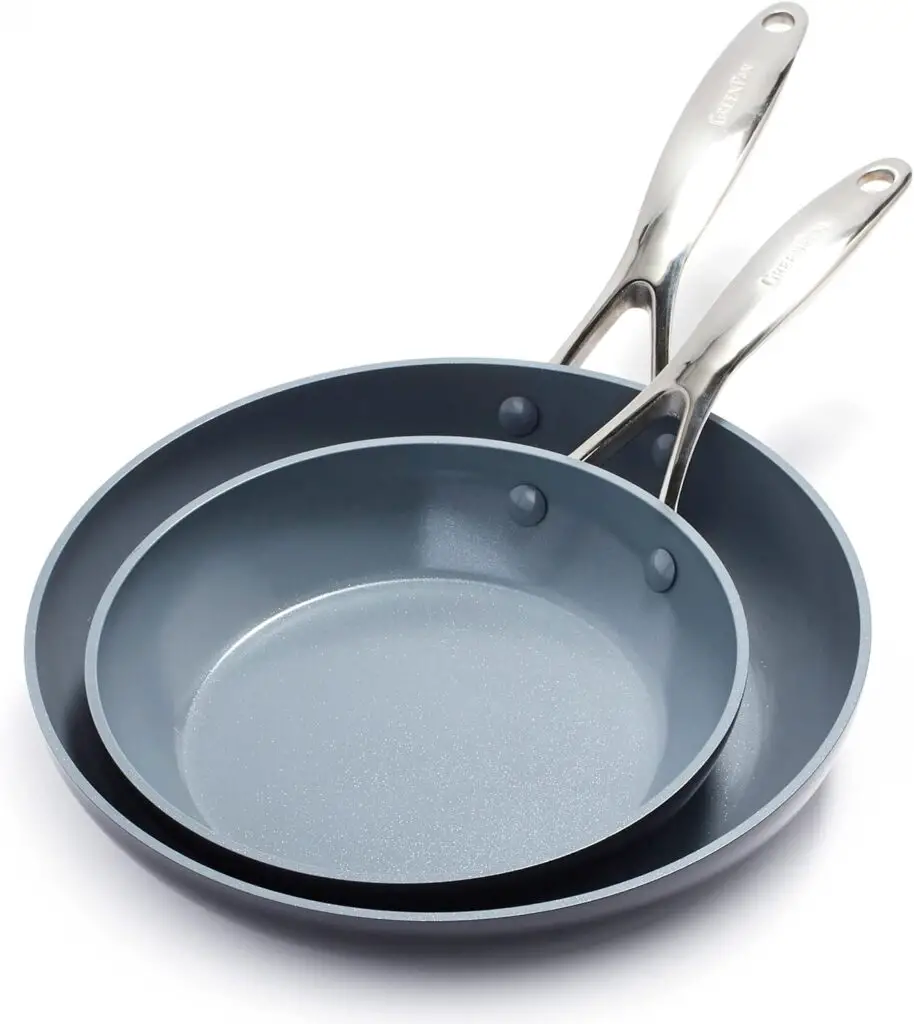
For those seeking a PFAS-free nonstick alternative, GreenPan’s Valencia Pro offers impressive performance with their ceramic nonstick technology.
What Makes It Special
GreenPan‘s Thermolon ceramic nonstick coating is derived from sand and doesn’t release toxic fumes even when overheated. This skillet can handle up to 600°F in the oven—one of the highest ratings for any nonstick skillet. The hard-anodized body distributes heat evenly, while the diamond-reinforced coating provides durability that surpasses standard ceramic nonstick.
The stainless steel handle is ergonomically designed and stays cool during stovetop cooking. The coating is free from PFAS, PFOA, lead, and cadmium, making it a healthier choice for your family. According to research from the Environmental Working Group, ceramic coatings like these provide a safer alternative to traditional PTFE nonstick surfaces.
Pros:
- Highest oven temperature rating (600°F)
- PFAS and PFOA-free coating
- Hard-anodized body is scratch-resistant
- Dishwasher safe
- Metal utensil safe
- Quick and even heating
- Won’t release toxic fumes if overheated
Cons:
- Ceramic coating requires oil or butter for best performance
- Nonstick performance diminishes faster than PTFE
- More expensive than traditional nonstick
- Not recommended for high-heat searing
- Coating can stain over time
Best For: Health-conscious cooks who want nonstick convenience without potentially harmful chemicals. Learn more about safe options in our non-toxic cookware guide.
Comprehensive Buying Guide: Choosing Your Perfect Oven Safe Skillet
Understanding Materials
Cast Iron Cast iron skillets are the heavyweight champions of heat retention. They take longer to heat up but maintain temperature incredibly well, making them perfect for searing and high-heat cooking. They’re also the most affordable option and can last generations with proper care. However, they require regular seasoning and careful maintenance to prevent rust.
Stainless Steel Stainless steel offers durability and versatility. It won’t react with acidic foods, and when properly constructed with an aluminum or copper core, it provides excellent heat distribution. Stainless steel is naturally stick-prone but develops better performance as you learn proper preheating and fat management techniques. It’s dishwasher safe and incredibly durable.
Hard-Anodized Aluminum This material is aluminum that’s been electrochemically hardened to be twice as hard as stainless steel. It’s lightweight, heats quickly and evenly, and provides a non-reactive cooking surface. When paired with nonstick coatings, it creates an excellent everyday skillet. However, it can’t withstand the same high temperatures as bare stainless or cast iron.
Enameled Cast Iron Combining cast iron’s heat retention with an enamel coating creates a beautiful, easy-to-clean surface that doesn’t require seasoning. The enamel prevents reactions with acidic foods and makes cleanup simple. However, these skillets are expensive, heavy, and the enamel can chip if not handled carefully.
Oven Temperature Ratings: What You Need to Know
Not all oven safe skillets can handle the same temperatures. Here’s what different ratings mean for your cooking:
Up to 400°F: Basic oven safety, suitable for finishing dishes or keeping food warm. Limited for high-heat roasting or broiling.
Up to 450-500°F: Most versatile range for home cooking. Handles roasting, baking, and finishing steaks. This covers the vast majority of recipes that require oven finishing.
500°F+: Professional-grade heat tolerance. Ideal for pizza making, high-heat roasting, and any recipe that requires broiler use. Cast iron and some premium stainless steel fall into this category.
Remember to consider the handle material too. Silicone and plastic handles have lower heat tolerances than metal handles, even if the pan body can withstand higher temperatures.
Size Matters: Which Diameter Is Right for You?
8-inch skillets: Perfect for single servings, small omelets, or side dishes. Great for apartments or cooking for one.
10-inch skillets: The most versatile size. Handles 2-3 servings comfortably and works for most everyday recipes. If you’re only buying one skillet, this is the size to get.
12-inch skillets: Ideal for family cooking or entertaining. Can handle a whole chicken, multiple steaks, or large batches of sautéed vegetables. Does take up significant stovetop and storage space.
14-inch and larger: Restaurant-sized portions or serious entertaining. These require compatible burners and are quite heavy when full. Check out our 14-inch frying pan guide for more details.
Nonstick vs. Traditional Surfaces
When to Choose Nonstick:
- You frequently cook eggs, fish, or delicate foods
- Easy cleanup is a top priority
- You prefer cooking with minimal oil
- You want lightweight, easy-to-handle cookware
When to Choose Traditional (Stainless or Cast Iron):
- You want maximum durability and longevity
- You enjoy creating fond for pan sauces
- You need ultra-high heat capability
- You want dishwasher-safe convenience (stainless)
- You’re comfortable with more involved maintenance (cast iron)
For more information on nonstick options, our best nonstick cookware guide offers comprehensive comparisons.
Handle Design and Comfort
The handle can make or break your experience with a skillet. Long handles provide better leverage and keep your hand farther from heat. Look for ergonomic contours that fit comfortably in your hand. Helper handles on the opposite side are invaluable for larger, heavier skillets.
Metal handles get hot in the oven but are most durable. Silicone or phenolic resin handles stay cooler but have lower temperature limits. Hollow handles tend to stay cooler than solid ones but may be less sturdy.
Stovetop Compatibility
Make sure your skillet works with your cooktop:
Induction: Requires magnetic materials (cast iron, stainless steel, or some aluminum with a steel base). Test with a magnet before purchasing.
Gas: Works with everything. The open flame provides even heating regardless of material.
Electric Coil/Smooth Top: Flat-bottomed pans with good contact are essential. Warped pans will heat unevenly.
High-BTU Burners: Cast iron and thick stainless handle high heat best. Thin aluminum can warp.
If you’re specifically looking for induction options, check our induction ready cookware guide.
Maintenance and Care Considerations
Cast Iron: Hand wash only, dry immediately, oil after each use. Seasoning improves over time. Avoid soap (or use sparingly) and never soak.
Stainless Steel: Dishwasher safe but hand washing preserves shine. Bar Keeper’s Friend removes discoloration. Can use metal utensils freely.
Nonstick (PTFE and Ceramic): Hand wash preferred despite dishwasher-safe claims. Avoid metal utensils on ceramic; some PTFE is metal-safe. Use low to medium heat. Avoid aerosol cooking sprays.
Enameled Cast Iron: Hand wash recommended. Use gentle cleaners; avoid abrasive scrubbers. Dry thoroughly to prevent handle rust.
Budget Considerations
Under $50: Cuisinart Chef’s Classic, basic Lodge cast iron, entry-level nonstick options. Great performance for the price but may have shorter lifespans or fewer features.
$50-$150: Mid-range options like Calphalon, better cast iron with helper handles, quality ceramic nonstick like GreenPan. Sweet spot for most home cooks.
$150-$300: All-Clad D3, Le Creuset enameled cast iron, premium multi-layer construction. Professional-grade performance and often lifetime warranties.
$300+: Luxury brands, handcrafted options, copper core construction. Marginal performance gains but exceptional quality and aesthetics. For serious collectors, explore our most expensive cookware guide.
Special Features Worth Considering
Pour Spouts: Make transferring liquids cleaner and easier. Particularly useful for pan sauces.
Flared Rims: Help with tossing and flipping food. Also make pouring cleaner.
Helper Handles: Essential for larger skillets. Make moving heavy, hot pans much safer.
Measurement Markings: Helpful for recipes requiring specific liquid amounts.
Graduated Rims: Allow steam to escape, preventing sogginess in certain dishes.
Pro Tips for Using Your Oven Safe Skillet
Mastering the Stovetop-to-Oven Technique
The real magic of an oven safe skillet happens when you transition from stovetop to oven. Here’s how to nail it every time:
- Preheat your skillet properly on the stovetop before adding food. This creates better searing and prevents sticking.
- Use an instant-read thermometer to check internal temperatures before moving to the oven. This helps you time the oven portion correctly.
- Remember the handle is hot! Mark it with a towel or oven mitt after removing from the oven. Seriously—everyone forgets at least once.
- Let the pan rest briefly before adding cold ingredients to a hot pan straight from the oven. Thermal shock can warp thinner pans.
Getting the Best Sear
For restaurant-quality results:
- Pat proteins completely dry before searing
- Preheat the empty pan thoroughly (2-3 minutes on medium-high)
- Don’t move the food too soon—let it develop a crust
- Use oils with high smoke points (avocado, grapeseed, refined coconut)
- Avoid overcrowding—work in batches if necessary
Cleaning and Maintenance Hacks
For Stainless Steel Stuck-on Food: Make a paste of baking soda and water, let it sit for 30 minutes, then scrub with a non-abrasive sponge. Bar Keeper’s Friend works wonders on discoloration.
For Cast Iron: Coarse salt and oil make an excellent scrubbing paste that won’t damage seasoning. For stubborn stuck-on food, boil water in the pan to loosen it before scrubbing.
For Nonstick: Use a mixture of baking soda, water, and vinegar to remove stains. Bring to a boil in the pan, then wash normally. This revives dull ceramic coatings.
For Enameled Cast Iron: A paste of baking soda and water tackles stains without scratching the enamel. For really stubborn marks, try a diluted bleach soak (1 tablespoon per quart of water).
Frequently Asked Questions
Can I use my oven safe skillet under the broiler? It depends on the skillet’s temperature rating and handle material. Cast iron and high-quality stainless steel can typically handle broiler heat. Check your specific model’s maximum temperature—broilers can exceed 500°F.
Why does food stick to my stainless steel skillet? Usually because the pan wasn’t hot enough or you moved the food too soon. Preheat thoroughly, use adequate fat, and let proteins develop a crust before attempting to flip. They’ll naturally release when properly seared.
How often should I season my cast iron skillet? It depends on use. If you cook frequently with adequate fat, the seasoning maintains itself. Re-season when food starts sticking or if you see dull, gray patches. Generally, a dedicated seasoning session 2-3 times per year keeps most cast iron in top shape.
Can nonstick skillets really go in the oven? Yes, if they’re labeled oven safe. However, check the maximum temperature carefully. Most nonstick tops out at 400-450°F, while ceramic nonstick like GreenPan can handle higher temps. Never exceed the stated limit—it can damage the coating and release fumes.
Do I need multiple oven safe skillets? Most people benefit from at least two: a 10-inch for everyday use and a 12-inch for larger meals or entertaining. Consider one cast iron or stainless for high-heat applications and one nonstick for eggs and delicate foods. If you’re interested in expanding your collection, explore our best cookware brands guide.
What’s the difference between oven safe and oven proof? These terms are generally used interchangeably, but “oven proof” sometimes implies higher temperature tolerance. Always check the manufacturer’s specific temperature rating rather than relying on these terms alone.
Final Thoughts: Which Oven Safe Skillet Should You Choose?
After testing and comparing these skillets, here’s my bottom-line recommendation for different situations:
Best Overall: All-Clad D3 Stainless Steel delivers professional performance, incredible durability, and versatility that justifies the investment. It’s the one to choose if you only want to buy once.
Best Value: Lodge Cast Iron Skillet offers unbeatable performance per dollar. With proper care, it’ll outlast you and can be passed down to future generations.
Best Nonstick: Calphalon Contemporary provides excellent everyday performance with easy cleanup. For those prioritizing healthier options, GreenPan Valencia Pro is the ceramic choice.
Best for Beginners: Cuisinart Chef’s Classic gives you stainless steel performance without the premium price tag, perfect for learning proper technique without a huge investment.
Best for Table-to-Oven Cooking: Le Creuset Enameled Cast Iron is gorgeous enough to serve directly from while delivering excellent cooking performance.
The truth is, there’s no single “best” skillet for everyone—it depends on your cooking style, budget, and priorities. Consider what you cook most often, your experience level, and how much maintenance you’re willing to do.
Whether you’re searing steaks, baking cornbread, or making shakshuka, the right oven safe skillet opens up endless culinary possibilities. Start with one that matches your primary needs, and you’ll wonder how you ever cooked without it.
Happy cooking, and may your skillets always be perfectly seasoned and your meals perfectly cooked! 🍳